
Appetizers
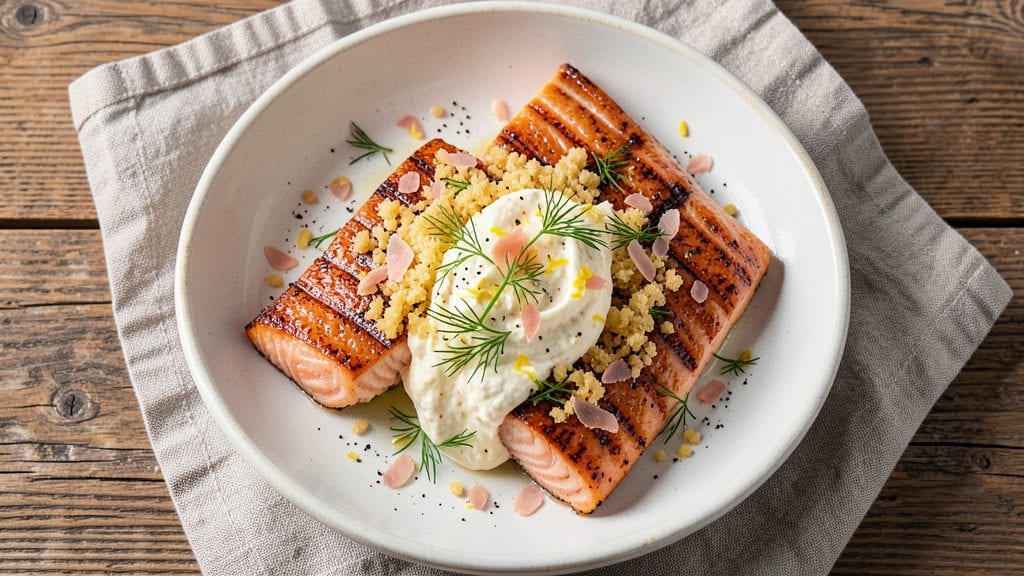
"This salmon and soft cheese recipe transforms simple ingredients into an elegant appetizer that balances rich, creamy textures with bright, herby flavors. The secret lies in pairing tender salmon with velvety goat cheese and finishing it with a crisp smoked dill crust that adds depth without overpowering.
After years of perfecting this dish, I’ve found the right balance between technique and simplicity—no advanced skills required, just precise timing and quality ingredients.
The foundation of this recipe is creamy goat cheese, which provides that luxurious, tangy base that pairs beautifully with salmon’s natural richness. Fresh dill and lemon zest brighten the flavors, while a light crust of smoked salmon and breadcrumbs adds a satisfying crunch.
What makes this dish truly special is how the components come together: the salmon cooks just enough to stay tender while the crust develops a golden, flavorful finish. Every bite delivers that perfect contrast of textures and flavors.
This appetizer works equally well as a standalone starter or part of a larger spread, making it ideal for gatherings or weeknight dinners. The dish is designed to be foolproof—ready in about 25 minutes—so you can focus on enjoying the meal rather than spending hours in the kitchen.
The result is a dish that feels restaurant-quality but is simple enough to make at home, with minimal cleanup and maximum impact.
Pair it with a crisp white wine like Sauvignon Blanc or a light herbal tea to complement the dish’s bright, herby notes. The combination of flavors and textures makes this appetizer a crowd-pleaser, whether you're serving it at a holiday party or a casual dinner with friends.
Let’s get started on creating this elegant yet approachable dish."
Ingredients for salmon and soft cheese
Nine simple ingredients create this luxurious salmon appetizer with velvety goat cheese and crisp smoked dill crust.
| Ingredient | Amount | Notes |
|---|---|---|
| Fresh Salmon Fillets 🐟 | 1 ½ lb | Skin-on, center-cut preferred |
| Creamy Goat Cheese 🧀 | 8 oz | Loganberry or plain variety |
| Fresh Dill 🌿 | ½ cup | Chopped, stems removed |
| Smoked Salmon 🐟 | 4 oz | Finely chopped for crust |
| Panko Breadcrumbs 🍞 | ½ cup | For crispy texture |
| Lemon Zest 🍋 | 1 tbsp | From 1 organic lemon |
| Extra-Virgin Olive Oil 🫒 | 2 tbsp | Light, fruity variety |
| Fresh Lemon Juice 🍋 | 1 tbsp | Freshly squeezed |
| Garlic Cloves 🧄 | 2 cloves | Minced for flavor base |
| Salt 🧂 | ¾ tsp | Diamond Crystal preferred |
| Black Pepper 🌶️ | ½ tsp | Freshly cracked |
| Unsalted Butter 🧈 | 2 tbsp | Cold, for crust |
| Heavy Cream 🥛 | ¼ cup | For goat cheese blend |
| Chives 🌿 | 2 tbsp | Finely chopped, garnish |
The goat cheese is the heart of this dish—Loganberry or plain varieties add subtle sweetness that pairs perfectly with salmon. Look for freshly made goat cheese at specialty stores like Whole Foods or Trader Joe's, where it’s typically sold in logs. Avoid pre-shredded varieties, as they lack the creamy texture needed here. For the salmon fillets, center-cut ensures even cooking, and skin-on adds extra flavor when seared. If you can’t find fresh dill, dried dill at one-third the amount works, though fresh is ideal for that bright, herby punch you want in the crust. The smoked salmon should be high-quality, like Lox or Nova-style, for the best flavor in the crust.
No smoked salmon? Finely chopped regular salmon works in a pinch, though it won’t have the same depth of flavor. Swap panko for regular breadcrumbs if needed, but panko gives that extra crunch. The lemon zest can be substituted with 1 tsp bottled zest if fresh isn’t available, though the flavor won’t be as vibrant. For the garlic, if you don’t have fresh, 1 tsp garlic powder is a decent substitute, but fresh minced garlic adds a depth that’s worth the effort. The heavy cream in the goat cheese blend can be replaced with Greek yogurt for a tangier twist, though it’ll alter the texture slightly. If you’re serving this as part of a larger spread, consider doubling the batch—the extra prep time is worth the second round.
The goat cheese mixture keeps best in an airtight container in the fridge for up to 3 days, though it’s best used within 24 hours for optimal texture. The salmon fillets should be used within 2 days of purchase for peak freshness, and any leftovers can be lightly reheated in a pan or enjoyed cold in salads. The dill and lemon zest can be prepped ahead and stored separately in the fridge for up to 5 days, making assembly quicker on serving day. Freeze the goat cheese mixture in portions for up to 1 month—thaw overnight in the fridge before using.
Why You'll Love This Recipe
- One-Pan Magic: I swear by this for nights when I’m too tired to wash dishes. Just sear the salmon, top it with goat cheese and dill, and broil—no extra pans, no fuss. The smoked salmon bits melt into the mix, turning everything rich and cohesive with almost no effort.
- Creamy Crunch Harmony: That contrast? Chef’s kiss. The crispy panko topping on the salmon’s flaky edges, then the cool, tangy goat cheese melting into the warm fish—it’s like a hug for your taste buds. Honestly, I’ll take this over fussy sauces any day.
- Weeknight to Date Night: Serve it with crusty bread for a lazy dinner, or plate it on a bed of greens for a restaurant-worthy dish. The smoked salmon adds depth without extra work, so it’s equally great when you’re feeding yourself or impressing someone. (Yes, even on a Tuesday night.)
- Leftovers That Don’t Suck: Unlike so many fish dishes, this actually tastes better the next day. The panko stays crispy, the cheese holds its shape, and you can reheat slices straight from the fridge—no soggy mess. My lunchbox’s new best friend.
Step-by-step instructions for salmon and soft cheese recipe
Here's how to create a luxurious salmon dish with a crispy smoked dill crust over velvety goat cheese.
Prepare the Creamy Goat Cheese Base
In a mixing bowl, combine the 8 ounces of creamy goat cheese, 0.25 cup of heavy cream, 1 tablespoon of fresh lemon juice, 1 tablespoon of lemon zest, 0.75 teaspoon of salt, and 0.5 teaspoon of black pepper. Use a fork to gently mash until smooth and fully incorporated. The mixture should be thick but spreadable, with a bright citrus note that cuts through the richness.
Place the bowl in the refrigerator while you prepare the salmon crust. This chilling step helps stabilize the goat cheese mixture and prevents it from melting prematurely when you assemble the dish. The texture should be cool but still workable when you're ready to spread it.
Create the Smoked Dill Crust
In a separate bowl, mix together the 0.5 cup of panko breadcrumbs, 4 ounces of finely chopped smoked salmon, 2 tablespoons of cold unsalted butter (cut into small pieces), 2 cloves of minced garlic, and 0.5 cup of chopped fresh dill. Using your fingers, work the butter into the breadcrumbs until the mixture resembles wet sand with visible smoked salmon flecks.
This crust should hold together when pressed but still be crumbly enough to adhere to the salmon. If it feels too dry, add 1 teaspoon of extra-virgin olive oil to help bind the mixture. The smoked salmon adds depth while the dill provides freshness that complements the creamy goat cheese perfectly.
Season and Crust the Salmon Fillets
Preheat your oven to 400°F. Pat the 1.5 pounds of fresh salmon fillets dry with paper towels, then place them skin-side down on a parchment-lined baking sheet. Using the back of a spoon, spread the goat cheese mixture evenly over each fillet, leaving about ½-inch border uncovered at the edges.
Press the smoked dill crust firmly onto the exposed edges of each fillet, creating a ¼-inch thick border around the goat cheese. The crust should adhere well to the salmon's natural oils. Drizzle 2 tablespoons of extra-virgin olive oil evenly over the entire surface, then sprinkle with additional chopped fresh dill and chives for garnish.
Bake to Golden Perfection
Bake the salmon in the preheated oven for 12-15 minutes until the crust is deep golden brown and the salmon flakes easily when tested with a fork. The goat cheese should be warm and slightly melted in the center, creating that luxurious creamy texture promised in the title.
Watch the crust closely during the last 2 minutes of baking—it should crisp up beautifully while the salmon remains tender. If the crust browns too quickly, tent the baking sheet with foil to prevent over-browning while the salmon continues cooking.
Rest and Serve Immediately
Remove the salmon from the oven and let it rest for 3-5 minutes before serving. This brief resting period allows the juices to redistribute, ensuring each bite delivers that perfect balance of crispy crust, creamy goat cheese, and tender salmon.
Garnish each portion with an extra sprinkle of chives and serve immediately with lemon wedges on the side. The contrast between the crispy smoked dill crust and the velvety goat cheese creates an elegant yet approachable dish that highlights the natural flavors of the salmon.
Pro Tips For Making Salmon And Soft Cheese
- PAT THE SALMON DRY: Grab paper towels and press the heck out of those fillets before cooking—wet skin means steam instead of sear. I learned this the hard way when my salmon turned out soggy and bland, no matter how much butter I threw on it.
- SALT THE GOAT CHEESE: Goat cheese is salty by nature, but if yours tastes mild, sprinkle a pinch of flaky salt (or smoked paprika) directly into the crumbled cheese while mixing. This balances the flavors without overpowering the salmon’s delicate taste.
- TOAST PANKO IN BATCHES: Don’t dump all the panko into the pan at once—it’ll steam instead of crisp. Toast it in small batches over medium heat for 2-3 minutes until golden, then set aside. Your breadcrumbs will stay crunchy, not greasy.
- REST THE SALMON FIRST: Take the salmon out of the fridge 15-20 minutes before cooking so it cooks evenly. Cold fish releases faster than warm, and you’ll end up with overcooked edges before the center is done—trust me, I’ve ruined enough fillets.
Pro cooking tips for perfect results
Perfect Salmon Cooking
For this recipe, I always use skin-on salmon fillets because the skin helps hold the delicate crust in place during baking. Pat the fillets completely dry with paper towels before applying the goat cheese—any moisture will prevent the crust from sticking properly.
I recommend using a center-cut fillet (about ½-inch thick) for even cooking. 🔥
Goat Cheese Stability
The goat cheese mixture needs to be cool but spreadable when applied to the salmon. If it feels too soft, chill it for an extra 5-10 minutes in the fridge. I like to use Loganberry goat cheese for its subtle sweetness, but plain works too.
Avoid pre-shredded varieties—they contain anti-caking agents that ruin the texture. For extra stability, I sometimes add 1 teaspoon of cornstarch to the mixture if I'm prepping ahead.
Crust Adhesion Secrets
The smoked dill crust should be firm but crumbly—like wet sand. If it crumbles too easily, add 1 teaspoon of olive oil to help bind it. Press the crust firmly onto the salmon's edges, creating a ¼-inch thick border.
For extra adhesion, I lightly brush the salmon edges with 1 teaspoon of egg wash before applying the crust. This step ensures the crust stays put during baking.
Baking Precision
Bake at 400°F for 12-15 minutes—the crust needs that high heat to crisp properly while the salmon remains tender. Watch closely after 10 minutes—the crust should be golden brown but not burnt.
If it browns too quickly, tent with foil for the last 2 minutes to prevent over-browning. The internal temperature of the salmon should reach 145°F (measured with an instant-read thermometer).
Resting Matters
Never skip the 3-5 minute rest after baking! This allows the juices to redistribute, preventing the salmon from drying out. I often place the salmon on a wire rack over a baking sheet during resting to keep it warm.
For serving, I garnish with fresh chives and a squeeze of lemon juice right before plating—this brightens the flavors and adds a pop of color. 💫
Nutrition facts
Frequently asked questions
Can I use other soft cheeses instead of goat cheese?
Brie, camembert, or even cream cheese work beautifully. For a lighter option, try ricotta mixed with a splash of heavy cream. The key is choosing a cheese with a creamy, spreadable texture that won't melt too quickly during baking.
What's the best way to store leftovers?
Store leftovers in an airtight container in the fridge for up to 2 days. Reheat gently in a skillet over low heat to maintain the crust's texture. For longer storage, freeze the assembled dish (without baking) for up to 1 month, then bake from frozen at 375°F for 18-20 minutes.
How do I prevent the crust from falling off?
Pat the salmon completely dry before applying the cheese mixture. For extra adhesion, lightly brush the salmon edges with 1 teaspoon egg wash before pressing on the crust. Also ensure your crust mixture is firm but crumbly—like wet sand. If it crumbles too easily, add 1 teaspoon olive oil to bind it.
Can I make this recipe ahead of time?
Yes! Assemble the salmon with the cheese and crust, then refrigerate for up to 4 hours before baking. For make-ahead prep, spread the goat cheese mixture on parchment paper, top with crust, and freeze. Bake straight from frozen, adding 2-3 extra minutes to the cooking time. This method keeps all components fresh and ready to bake.
What's the best wine pairing for this dish?
A crisp Sauvignon Blanc or Pinot Grigio complements the bright lemon and herby notes perfectly. For a non-alcoholic option, try sparkling apple cider or herbal iced tea with lemon. The acidity in these pairings cuts through the richness of the salmon and cheese beautifully.