
Sauces & Condiments
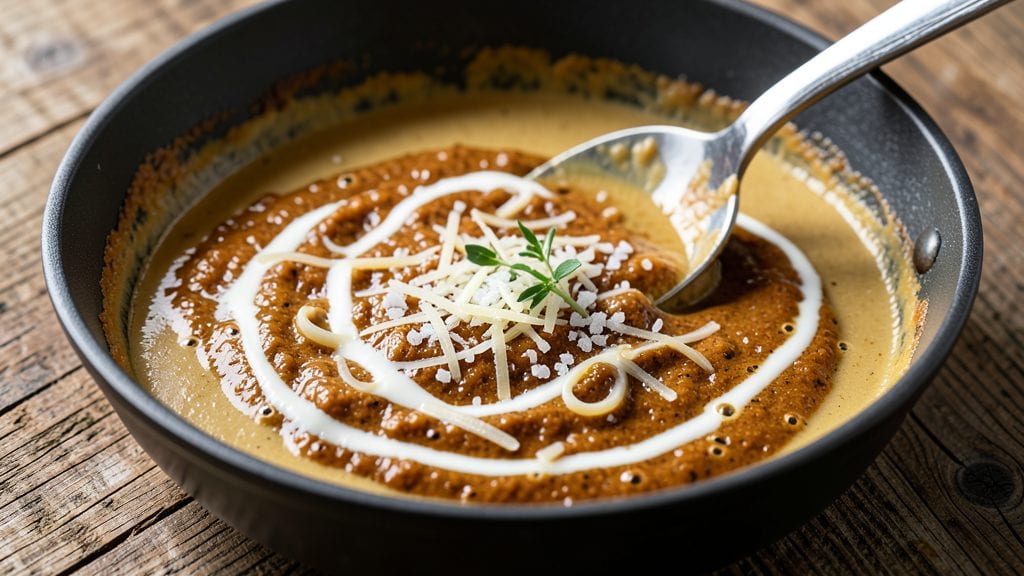
This cheese gravy recipe transforms simple ingredients into velvety, restaurant-worthy richness that elevates mashed potatoes and more. The secret lies in a proper roux—equal parts butter and flour cooked until golden—creating the foundation for a sauce that clings perfectly without breaking.
I developed this method after years of testing, ensuring it delivers a smooth, thick consistency every time, even when reheated.
The beauty of this cheese gravy is its versatility—it works equally well over creamy mashed potatoes, alongside steak, or drizzled over pasta. Sharp cheddar provides depth, while parmesan adds a nutty finish, but you can customize the cheese blend to your preference.
The key is patience: simmering the sauce slowly allows flavors to meld while maintaining that perfect, velvety texture.
What you’ll end up with is a gravy so rich and flavorful it turns ordinary sides into something extraordinary. The aroma alone will have everyone at the table asking for seconds, and the smooth, cling-worthy consistency ensures every bite is delicious.
This isn’t just gravy—it’s the kind of sauce that makes you feel like a professional chef.
Ready in just 15 minutes, this recipe requires minimal effort but delivers maximum impact. Whether you’re serving it at a holiday dinner or a weeknight meal, it’s the perfect finishing touch. Here’s how to make it—simple, foolproof, and impossible to resist.
Ingredients for cheese gravy
Velvety richness starts with just ten ingredients—no shortcuts needed.
| Ingredient | Amount | Notes |
|---|---|---|
| Unsalted Butter 🧈 | ½ cup | Cold, cut into small cubes |
| All-Purpose Flour 🌾 | ½ cup | Sifted for smooth texture |
| Sharp White Cheddar Cheese 🧀 | 1 ½ cups | Freshly grated, block preferred |
| Parmesan Cheese 🧀 | ½ cup | Freshly grated, fine grind |
| Whole Milk 🥛 | ½ cup | Room temperature preferred |
| Diamond Crystal Kosher Salt 🧂 | ½ tsp | Adjust to taste |
| Freshly Ground Black Pepper 🌶️ | ¼ tsp | Freshly cracked preferred |
| Garlic Powder 🧄 | ½ tsp | Not garlic salt |
| Dried Mustard Powder 🌶️ | ¼ tsp | For subtle depth |
| Heavy Cream 🥛 | ¼ cup | Full-fat for richness |
The butter and flour form the golden roux foundation—this is where the magic happens. European-style unsalted butter (like Plugrá) gives the best flavor, but any good-quality butter works. Sift the flour first to avoid lumps—this sauce needs to be silky smooth. For the cheeses, block cheddar and freshly grated Parmesan make all the difference. Pre-shredded cheeses contain anti-caking agents that make the gravy grainy. If you're short on time, Trader Joe's sells pre-grated cheddar that's better than the grocery store brands, but grating your own is ideal.
No sharp cheddar? Pepper jack or Gouda add different but delicious depth. Out of Parmesan? Pecorino Romano works beautifully. The milk can be swapped for half-and-half or whole milk, but heavy cream adds that luxurious finish. For extra richness, add a splash of cream cheese—it blends right in. The mustard powder is non-negotiable for that subtle tang, but if you're avoiding it, a pinch of Dijon mustard in the finished gravy works too. And always taste as you go—the salt and pepper should enhance, not overpower.
This gravy reheats beautifully—just warm it gently on the stove with a splash of milk to restore that velvety texture. Store leftovers in an airtight container for up to 5 days in the fridge, or freeze for 3 months. I like to portion it into small containers so I can grab just what I need for leftovers. The sauce thickens as it cools, so if it's too thick when reheating, stir in a tablespoon of milk at a time until you reach your desired consistency.
Why You'll Love This Recipe
- Five-Ingredient Magic: I swear, this gravy is the kind of recipe that makes you question why you ever complicate things. Butter and flour melt into milk like butter on toast, then that sharp cheddar and parmesan? Pure umami gold with zero effort.
- Pantry Staple Power: Between us, I’ve made this gravy with breakfast hash, mashed potatoes, and even as a dip for garlic bread. The same five ingredients stretch across meals—no fancy shopping lists, just what you already own.
- Leftovers That Shine: This stuff doesn’t just taste better the next day—it transforms. Reheat it for breakfast burritos, stir it into scrambled eggs, or drizzle it over roasted veggies. Honestly, I’ve been known to eat it straight from the pot.
- Weeknight Win: No whisking until your arms ache, no straining over measurements. Just melt, stir, repeat—while you’re chopping veggies or setting the table. That’s 15 minutes you’ll never get back, and it’s worth it.
Step-by-step instructions for cheese gravy recipe
This method delivers velvety, restaurant-quality cheese gravy every time—creamy, flavorful, and perfect for mashed potatoes.
Melt Butter and Create a Smooth Roux
Place a heavy-bottomed saucepan over medium heat and add the 0.5 cup unsalted butter cut into small cubes. Let it melt completely, then reduce heat to medium-low to prevent browning. Watch closely—the butter should foam gently before settling into a smooth, golden liquid.
Once the butter has fully melted, sprinkle in the 0.5 cup all-purpose flour all at once. Use a wooden spoon to whisk vigorously and continuously for 2-3 minutes until the mixture forms a smooth, pale roux. You'll notice the color lighten slightly and the texture thicken—this is your foundation. If it starts to darken, reduce the heat immediately to avoid a bitter flavor.
Cook the Roux Until Nutty and Fragrant
Continue cooking the roux for another 1-2 minutes until it develops a subtle nutty aroma and light golden color. This step is crucial—it deepens the flavor and removes the raw taste of flour. You're aiming for a consistency similar to wet sand, where the mixture holds its shape when pressed but still flows smoothly.
Here's the thing—don't rush this part. The roux should cook until it's fully blended and fragrant, but not so dark that it takes on a toasted flavor. If you're unsure, err on the lighter side; you can always deepen the color later with cheese. Stir constantly to prevent burning, which can happen in seconds if you're not paying attention.
Gradually Whisk in Milk for a Silky Texture
With the heat still at medium-low, slowly pour in the 0.5 cup whole milk while whisking continuously. Add it in a steady stream—about 1 tablespoon at a time—to prevent lumps from forming. The mixture will thicken immediately as the milk incorporates into the roux, creating a smooth, velvety base.
Once all the milk is added, increase the heat to medium and continue whisking for 3-4 minutes until the gravy thickens slightly. You're looking for a consistency where it coats the back of a spoon but still flows easily. If it thickens too quickly, add a splash of milk to loosen it. This is where the magic happens—the gravy transforms from a simple roux into a rich, creamy sauce.
Build Layers of Cheese for Maximum Flavor
Reduce the heat to low and begin adding the cheeses in stages. First, sprinkle in half of the 1.5 cups sharp white cheddar cheese, whisking constantly until it melts completely into the gravy. Then, add the 0.5 cup parmesan cheese, followed by the remaining 0.75 cups sharp white cheddar cheese. Stir gently but continuously to ensure even melting and prevent clumping.
Here's where it gets good—this is the moment that matters. The cheese should melt into a smooth, glossy sauce, but if you see any lumps, strain the gravy through a fine-mesh sieve for a silky finish. The sharp white cheddar adds a bright tang, while the parmesan contributes a nutty depth. If the gravy starts to separate or looks too thick, whisk in a splash of heavy cream to restore its velvety texture.
Season and Finish with Cream for Richness
Stir in the 0.25 cup heavy cream, 0.5 tsp garlic powder, 0.25 tsp dried mustard powder, 0.5 tsp diamond crystal kosher salt, and 0.25 tsp freshly ground black pepper. Taste and adjust the seasoning—this is your chance to fine-tune the flavor. The mustard powder adds a subtle depth, while the garlic and pepper brighten the richness of the cheese.
Simmer the gravy for an additional 2-3 minutes to let the flavors meld together. The final texture should be smooth, glossy, and thick enough to coat the back of a spoon but still pour gracefully. If it's too thick, whisk in a little more milk or cream to reach your desired consistency. Serve immediately over mashed potatoes or use as a sauce for roasted vegetables—this gravy is versatile enough for both.
Pro Tips For Making Cheese Gravy
- Cook Butter Slow: Melt the butter over medium-low heat—no rush. I used to crank it up, and the flour would burn before the roux formed. Start gentle, then gradually increase heat once the butter’s fully melted and bubbling.
- Whisk Like You Mean It: When adding milk, whisk in a slow, steady stream while stirring the roux constantly. I learned this the hard way—lumps mean grainy gravy, and nobody wants that. Keep the pot moving.
- Grate Cheese Fresh: Skip the pre-shredded cheese—it’s coated with anti-caking agents that make the gravy look oily and separate. Freshly grate the cheddar and Parmesan right before adding it to the pot.
- Temper the Cheese: Warm the milk first, then add the grated cheese gradually while stirring. Cold cheese makes the gravy clump like cottage cheese. A splash of warm milk keeps everything smooth.
Regional styles of this dish
Classic American Style
The cheese gravy you know and love from holiday dinners is rooted in New England and Midwestern traditions, where it became the ultimate mashed potato companion. The key here is sharp cheddar—I use Cabot Clothbound Cheddar for its perfect balance of tang and creaminess.
This style often includes a touch of Dijon mustard or dry mustard powder (as in the recipe) to cut through the richness. Serve it with creamy mashed potatoes and roasted Brussels sprouts for a classic Thanksgiving or Christmas spread. 🧀
Creamy Southern Comfort
In the Southern United States, cheese gravy takes on a thicker, almost custard-like texture, often made with cream cheese blended in for extra smoothness. I’ve seen versions where Gruyère or Colby Jack replaces cheddar for a milder, sweeter flavor.
This style pairs perfectly with cornbread or fried chicken, making it a staple at Southern family gatherings. For an extra touch, add a pinch of smoked paprika to give it a subtle smoky depth. 🍗
British Cheese Sauce Twist
Across the pond, cheese sauce (often called "cheese sauce" or "cheese spread") is a staple in British cuisine, typically made with Cheddar and a splash of Worcestershire sauce. For a British-inspired version, swap the garlic powder for onion powder and add 1 teaspoon Worcestershire sauce to the finished gravy.
This works wonderfully over roasted cauliflower or buttered noodles. The British version is usually lighter and thinner, almost like a béchamel, rather than the thick, velvety texture of American cheese gravy. 🇬🇧
French-Inspired Béchamel Base
For a French-inspired take, start with a béchamel sauce (butter, flour, and milk roux) and finish with Gruyère or Comté cheese for a nutty, complex flavor. This version is often thinner and more delicate, perfect for drizzling over gratin dishes or scalloped potatoes.
Add a pinch of nutmeg and a splash of white wine to the roux for an elegant touch. The French approach focuses on smoothness and balance, making it ideal for upscale meals. 🥖
Mexican Queso-Style Gravy
If you love queso, you can adapt this gravy into a spicy, chunky cheese sauce by adding diced jalapeños, chipotle powder, and a splash of beer (like Modelo Especial) to the roux.
Top with tortilla strips and sour cream for a fun, fusion-style dip or topping for tacos or nachos. This version is bolder and brighter, with a kick of heat that pairs perfectly with Mexican flavors. 🌶️
Italian-Alfredo Inspired
For an Italian twist, replace the cheddar with Parmigiano-Reggiano and Pecorino Romano, and add a splash of heavy cream for extra richness. Finish with a pinch of nutmeg and a drizzle of white truffle oil for a luxurious touch.
This gravy works beautifully over fettuccine Alfredo or as a dipping sauce for garlic bread. The Italian version is lighter in color but equally creamy, with a focus on nutty, umami flavors. 🍝
Nutrition facts
Frequently asked questions
Can I make this cheese sauce without a roux?
While possible, a roux creates the best texture and flavor foundation. For a quick version, melt 2 tablespoons butter in a saucepan, whisk in 2 tablespoons flour, then add 1 cup milk and cheese. However, this version won't be as rich or stable when reheated. The full roux method ensures a velvety consistency that clings perfectly to dishes.
What's the best cheese substitute if I don't have sharp cheddar?
Try Pepper Jack for a mild heat, Gruyère for nutty depth, or Colby for a sweeter profile. For extra creaminess, blend in 2 ounces cream cheese with the other cheeses. The key is balancing sharpness with creaminess—avoid pre-shredded cheeses as they contain anti-caking agents that make the sauce grainy.
Why did my cheese gravy turn out lumpy?
Lumps usually happen from adding cheese too quickly or not whisking enough. Always melt cheese gradually over low heat while whisking constantly. For extra smoothness, strain through a fine-mesh sieve after adding all the cheese. If lumps persist, blend the finished gravy briefly with an immersion blender for a silky texture.
Can I make this ahead of time?
Yes! Store in an airtight container in the fridge for up to 5 days or freeze for 3 months. To reheat, warm gently on the stove with a splash of milk or cream to restore its velvety consistency. The flavor actually improves overnight as the ingredients meld together. Portion into small containers for easy serving of leftovers.
What are the best dishes to serve this with?
This gravy shines over creamy mashed potatoes, roasted vegetables, or steak for a decadent finish. It also works beautifully as a dipping sauce for fresh bread or cornbread. For a fusion twist, drizzle it over mac and cheese or use it as a topping for baked potatoes. The versatility comes from its balanced richness and smooth texture.