
Main Courses
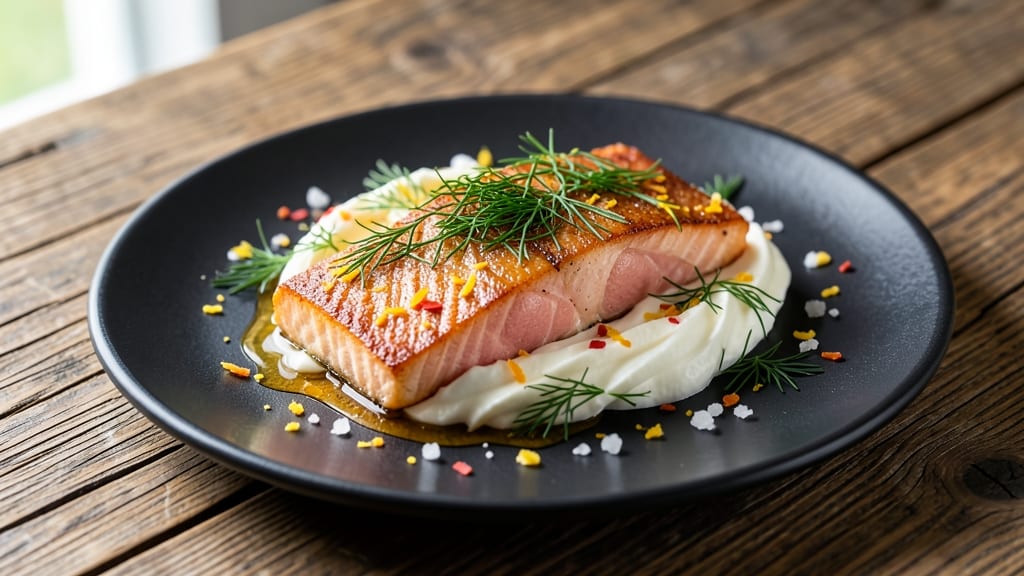
This salmon with cream cheese recipe delivers the perfect balance of crispy skin and velvety cream cheese swirls, transforming a simple weeknight dinner into something restaurant-worthy. ✨ The key lies in pan-searing the salmon to golden perfection before topping it with a tangy dill-infused cream cheese that ties everything together.
I developed this dish after years of testing—because nothing should ever overpower the delicate flavor of fresh salmon.
The technique is straightforward but precise: start with skin-side down in a cold pan to render fat slowly, then finish with a quick sear for that coveted crispiness. While the salmon cooks, the cream cheese mixture—enhanced with fresh dill, lemon zest, and a touch of garlic—waits patiently in the fridge.
This ensures the cheese stays cool and spreadable, creating those signature swirls that make every bite feel indulgent without being heavy.
What you’ll end up with is salmon that’s crispy on the outside, tender on the inside, topped with bright green dill swirls that cut through the richness. The lemon zest adds a subtle brightness, while the garlic infuses just enough depth to elevate the dish.
This recipe is designed to impress—whether you’re cooking for a date night or a casual family dinner.
Pair it with roasted asparagus for a light, elegant meal or serve over quinoa for added heartiness. The leftovers reheat beautifully, making it a foolproof option for meal prep. Ready to master this dish? Here’s everything you need to know.
Ingredients for salmon with cream cheese
Pan-seared salmon fillets and tangy dill cream cheese swirls—just 11 ingredients for restaurant-quality weeknight magic.
| Ingredient | Amount | Notes |
|---|---|---|
| Center-Cut Salmon Fillets 🐟 | 4 whole | Skin-on, 6-8 oz each |
| Unsalted Butter 🧈 | ½ cup | Cold, cut into 8 pieces |
| Diamond Crystal Kosher Salt 🧂 | 1 ½ tsp | Fine grain preferred |
| Fresh Dill 🌿 | ½ cup | Chopped, stems removed |
| Cream Cheese 🧀 | 8 oz | Full-fat, room temperature |
| Lemon Zest 🍋 | 1 tbsp | From 1 large lemon |
| Garlic Cloves 🧄 | 2 cloves | Minced, fresh preferred |
| Extra-Virgin Olive Oil 🫒 | 1 tbsp | For pan-searing |
| Fresh Lemon Juice 🍋 | 1 tbsp | From 1 large lemon |
| Ground Black Pepper 🌶️ | ½ tsp | Freshly cracked |
| All-Purpose Flour 🌾 | 1 tbsp | For dredging |
The salmon makes or breaks this dish, so center-cut fillets with skin are non-negotiable—they stay together better. Whole Foods or your local fishmonger will have the best options, but the frozen section at Trader Joe's works in a pinch. Look for fillets with vibrant pink color and minimal bruising. If you can't find center-cut, ask for the thickest portion available. The skin should be intact with no tears—this ensures crispiness. For extra insurance, pat the fillets dry with paper towels before cooking; moisture is the enemy of crispy skin. I always buy a little extra—leftovers reheat beautifully for lunch the next day.
No fresh dill? Dried dill at half the amount gets you close, but the flavor won't be as bright. The cream cheese should be full-fat—Philadelphia brand is reliable, but any good-quality cream cheese works. Short on butter? Olive oil works too, though the flavor will shift slightly. The lemon zest is crucial for brightness, but if you're out, 1 tsp bottled lemon juice (like ReaLemon) will do in a bind. For the garlic, if you're not a fan of raw garlic flavor, garlic powder at half the amount works, but fresh is always better. The flour is just for dredging—skip it if you're in a hurry, but it adds a nice light crust.
The cream cheese mixture should be chilled for at least 30 minutes before spreading to prevent melting. Store leftovers in an airtight container for up to 3 days in the fridge, though I rarely have any left. The salmon reheats best gently in a skillet with a splash of water—2-3 minutes per side on low heat. For meal prep, portion the cream cheese mixture into small containers and keep it separate until ready to serve. The dill can be stored in the fridge for 5 days if wrapped in damp paper towels.
Why You'll Love This Recipe
- Foolproof Timing: I swear by this—20 minutes from fridge to table. Just melt butter, pat the salmon dry, and let the cream cheese and dill work their magic while you chop a handful of greens. No last-minute stress, just golden edges and flaky centers waiting for you.
- Rich & Tangy Magic: That creamy, herby spread isn’t just garnish—it’s the star. The cool cream cheese cuts through the richness of the salmon, while the fresh dill brightens every bite. Honestly, I’ve tried fancier sauces, but this combo? It’s the one I always reach for.
- Weeknight Hero: Between us, this is my go-to when I don’t want to think. Double the recipe, save half for lunches, and still have leftovers for breakfast (yes, really). The salted butter crust holds up, and the cream cheese keeps it interesting—no sad, dry fish here.
- Budget-Friendly Luxury: Center-cut salmon feels fancy, but it stretches further than you’d think. A single fillet serves two easily, and the cream cheese adds depth without breaking the bank. I’ll be real: it’s the kind of dish that makes grocery night feel like a win, not a splurge.
Step-by-step instructions for pan-seared salmon with cream cheese dill swirls
Here's how to create restaurant-quality salmon with crispy skin and velvety cream cheese-dill filling.
🍳 Step 1: Create the Cream Cheese-Dill Filling
In a mixing bowl, combine the 8 oz cream cheese with the 0.5 cup chopped fresh dill, 1 tbsp lemon zest, 2 cloves minced garlic, 1 tbsp fresh lemon juice, and 0.5 tsp ground black pepper. Mix with a fork until completely smooth and homogeneous.
Here's the thing—this filling needs to be perfectly smooth to create those gorgeous swirls. If you see any lumps, press them through a fine-mesh sieve or use a potato masher to achieve that silky texture. The mixture should be thick but spreadable, almost like a thick whipped cream consistency.
🔪 Step 2: Prepare the Salmon for Perfect Crispiness
Pat the 4 whole center-cut salmon fillets completely dry with paper towels—get every last drop of moisture off that skin. Season both sides generously with 1.5 tsp diamond crystal kosher salt, dividing it evenly. Let the seasoned fillets sit at room temperature for 10 minutes while you prep the rest.
I always press down gently on the fillets during this time—this prevents them from curling and ensures even contact with the pan. The dry skin is absolutely critical for achieving that perfect crispy crust we're after. Don't skip this drying step, even if it seems tedious.
🔥 Step 3: Sear the Salmon to Golden Perfection
Heat a large skillet over medium-high heat until it's smoking hot. Add 1 tbsp extra-virgin olive oil and let it shimmer for 30 seconds. Place the salmon fillets skin-side down in the pan, leaving space between each piece.
Cook undisturbed for 4-5 minutes until the skin is deep golden brown and crispy—you'll see it release easily from the pan. If it sticks, don't panic—add a splash of water and let it evaporate before continuing. Flip each fillet carefully and cook for another 2-3 minutes until the flesh is opaque throughout.
🥘 Step 4: Add the Cream Cheese Filling
Remove the salmon from the pan and transfer to a serving platter. Reduce heat to medium-low and add 0.5 cup cold unsalted butter, cut into 8 pieces. Let it melt completely, about 1 minute, then remove from heat.
Spoon the cream cheese-dill mixture onto each salmon fillet, spreading it evenly across the top. The residual heat will gently melt the filling while keeping the salmon warm. Here's where it gets fun—use a small offset spatula to create those beautiful swirls in the filling, giving it that restaurant-quality presentation.
⏰ Step 5: Rest and Serve Immediately
Let the salmon rest for 2-3 minutes before serving—this allows the juices to redistribute and ensures each bite is perfectly moist. The crispy skin should still hold its shape, and the cream cheese filling should be beautifully melted with those dill swirls visible.
Serve immediately with lemon wedges on the side for that final bright citrus note. The contrast between the crispy salmon skin, creamy dill filling, and bright lemon is what makes this dish truly special. Each bite delivers perfect texture contrast and flavor harmony.
Pro Tips For Making Salmon With Cream Cheese
- Dry the Skin First: Pat the salmon skin completely dry with paper towels before searing—this guarantees a crispy crust instead of a sad, steamed mess. I learned this the hard way when my first batch turned out greasy and limp.
- Use Room-Temp Cream Cheese: Let the cream cheese sit out for 10 minutes before mixing it with butter—this prevents lumps and makes the sauce silky. I was skeptical until I tried it; now I never skip this step.
- Salt the Salmon Early: Season the fillets at least 30 minutes ahead of cooking so the salt penetrates the flesh. Rushing this means you’ll end up with a bland center, no matter how much butter you add.
- Finish with High Heat: Once the salmon is cooked through, crank the heat to medium-high for 30 seconds to seal the juices—this keeps the flesh moist while the skin stays golden. Sounds counterintuitive, but it works every time.
Pro cooking tips for great salmon with cream cheese
Skin-Side First
This is the single most important technique for crispy salmon skin—place the fillets skin-side down in a cold pan over medium heat (not hot). The fat renders slowly, creating a delicate crisp without burning. I swear by this method after years of perfecting my Nonna's gnocchi technique—patience is everything. 🔥
Let the pan heat up with the salmon already in it for 2-3 minutes before increasing to medium-high. This gradual approach prevents the skin from sticking while building that golden crust. If your pan isn't wide enough, cook the fillets in batches—crowding steams the salmon instead of searing it.
Butter Trick
Use cold butter cubes (not melted) in the final step to create a silky sauce that coats the salmon. The butter melts from residual heat while keeping the cream cheese filling cool enough to maintain its shape.
I learned this from a Boston seafood market chef who swore by "butter's secret power"—it's all about timing and temperature control.
For extra richness, add 1 tsp fresh thyme leaves to the melted butter before removing from heat. The herb infuses instantly, adding a subtle earthy note that pairs beautifully with the dill.
This is my little pro trick that elevates the dish from good to "wow, how did you do that?"
Cream Cheese Texture
The filling must be completely smooth to create those signature swirls—no lumps allowed. I use a potato masher for the final blending because it's gentler than a food processor and preserves the fresh dill's bright flavor. Chill the mixture for 30 minutes before spreading to prevent melting during cooking.
For a lighter version, replace 4 oz of cream cheese with 4 oz Greek yogurt. The acidity cuts through the richness while maintaining the same creamy texture. This swap works especially well if you're watching calories but still want that signature swirl effect. 💡
Timing Is Everything
Cook the salmon to 125°F internal temperature—it will carry over to 130-135°F while resting. Overcooking dries out the flesh, so use a meat thermometer for precision. I keep one permanently on my counter after my first failed attempt where the salmon turned rubbery.
Work ahead by prepping the cream cheese filling while the salmon rests. This keeps everything perfectly timed for serving—no last-minute scrambling. The filling should be at room temperature when spread, but not warm enough to melt immediately. A 10-minute chill in the fridge before serving is ideal. ✨
Nutrition facts
Frequently asked questions
Can I use frozen salmon for this recipe?
Yes, but thaw it properly first! Place frozen salmon in its original packaging on a plate and transfer from freezer to fridge 24 hours before cooking. For a quicker thaw, use the cold water method: seal the package and submerge in cold water (change water every 30 minutes), then pat completely dry before seasoning. Never thaw at room temperature—it promotes bacterial growth.
What if I don't have fresh dill?
Use dried dill at half the amount (¼ cup instead of ½ cup) for a milder flavor. For a different twist, try fresh chives or parsley—they'll change the taste but still complement the cream cheese beautifully. If you're out of herbs entirely, 1 tsp lemon pepper seasoning adds a nice zing. The key is balancing the richness of the cream cheese with something bright.
How do I fix overcooked salmon?
If your salmon turns out dry, don't despair! Place it in a skillet with 2 tbsp butter and 1 tbsp cream, then cover and cook on low heat for 3-4 minutes. The moisture will revive the texture. For extra help, add 1 tsp lemon juice—the acidity helps break down proteins and adds freshness. Serve immediately with extra lemon wedges to cut through any dryness.
Can I make this ahead of time?
Prep the cream cheese filling 2 days ahead and store it in an airtight container in the fridge. Cook the salmon just before serving—it reheats best when fresh. If you must reheat, place the salmon in a skillet with 1 tbsp water and cover for 1-2 minutes on low heat. The filling will soften but won't melt completely. For a make-ahead meal, assemble everything except the cream cheese, then add it right before eating.
What's the best way to serve this dish?
Pair with roasted asparagus or green beans for a light, elegant meal. For heartier options, serve over wild rice or quinoa. A simple side salad with lemon vinaigrette adds freshness. Don't forget crusty bread or dinner rolls to soak up any extra cream cheese sauce. For a complete meal, add a glass of crisp white wine like Sauvignon Blanc—its acidity complements the dish perfectly.