
Main Courses
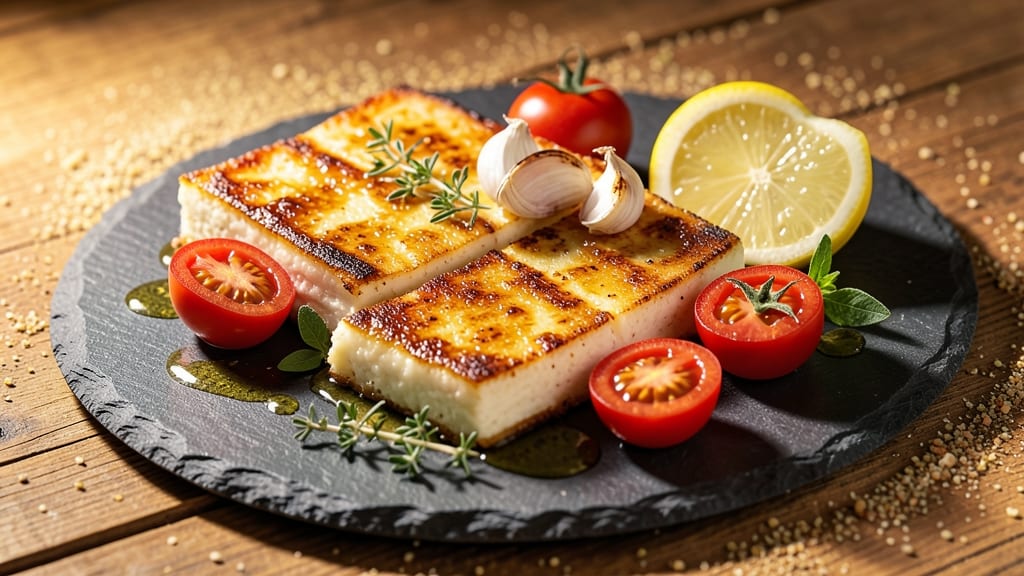
Mastering saganaki cheese means transforming simple halloumi into crispy-edged Greek gold with a flambéed finish that brings restaurant drama to your kitchen. The secret lies in high-heat frying until the cheese develops those signature golden-brown crusts, then a splash of brandy or ouzo that catches fire for a show-stopping aroma.
I first tried this dish during a Greek island vacation when the local taverna owner taught me the technique—it became my go-to for entertaining ever since.
This traditional dish requires just five key components: halloumi cheese, olive oil, tomatoes, fresh herbs, and a splash of citrus or wine. The cheese's natural saltiness pairs perfectly with the acidity of tomatoes and the herbal brightness of oregano, while the crispy exterior contrasts beautifully with the creamy interior.
What makes saganaki special is how the cheese transforms—starting firm and salty, then becoming tender and slightly caramelized as it cooks.
By the time you plate it, you'll have crispy-edged cheese with bubbling, golden-brown surfaces and a sauce that's tangy, aromatic, and infused with the smoky notes from the flambé.
The dish serves as both a main course and an impressive appetizer, perfect for summer gatherings or weeknight dinners when you want something that feels celebratory. The technique is straightforward but delivers restaurant-quality results every time.
Serve with crusty bread to soak up the sauce or alongside grilled meats for a complete meal. The leftovers reheat beautifully too, making this a versatile dish for any occasion. Let's get started on creating your own saganaki masterpiece!
Ingredients for saganaki cheese
Five ingredients transform halloumi into crispy-edged Greek restaurant gold with flambéed drama.
| Ingredient | Amount | Notes |
|---|---|---|
| Halloumi Cheese 🧀 | 1 lb | Thick slices, 1/4-inch thick |
| Extra-Virgin Olive Oil 🫒 | 1 ½ cups | Light Greek variety preferred |
| Roma Tomatoes 🍅 | 4 whole | Medium size, quartered |
| Fresh Oregano 🌿 | ¼ cup | Leaves only, chopped |
| Garlic Cloves 🧄 | 4 cloves | Minced, fresh preferred |
| Lemon Juice 🍋 | 2 tbsp | Freshly squeezed |
| Ouzo or Brandy 🍷 | ¼ cup | For flambé (optional) |
| Salt 🧂 | 1 tsp | Diamond Crystal preferred |
| Black Pepper 🌶️ | ½ tsp | Freshly cracked |
| Crusty Bread 🍞 | 8 slices | For serving, optional |
Halloumi is the star—look for thick, dense slices from the deli counter, not pre-packaged blocks. Greek specialty stores often carry the best quality, but most grocery stores stock it too. The cheese should be firm, not crumbly, and have a mild, salty flavor. If you can't find halloumi, feta works in a pinch, though it won't crisp as dramatically. For the olive oil, light Greek varieties like Kalamata or Lesvos enhance the dish's traditional flavors without overpowering. I always buy extra—it's worth having on hand for everything from salads to dressings.
No ouzo? Brandy or vodka works just as well for the flambé—just ensure it's at least 40% alcohol to ignite properly. Fresh oregano is ideal, but dried at one-third the amount gets you close. The tomatoes can be any variety, but Roma or vine-ripened hold up best to cooking. For a tangier sauce, add an extra splash of lemon juice. If you're short on time, sun-dried tomatoes chopped into the sauce add depth without extra prep. The garlic can be pre-minced from a jar, but fresh is always better if you've got it.
This dish reheats beautifully—just warm the sauce gently and crisp the cheese again in a hot pan for 2-3 minutes per side. Store the sauce separately in the fridge for up to 5 days, and keep the cheese wrapped in parchment paper for 3-4 days. The flambéed aroma lingers in the kitchen, so I always make this when company's coming over. For a quick shortcut, serve the sauce over the cheese without re-crisping—it's still delicious, just less dramatic.
Why You'll Love This Recipe
- Two-Ingredient Core: I swear by this trick—just halloumi and olive oil in a pan, sizzling until golden. No chopping, no fuss, just that salty, caramelized magic in minutes. (Yes, even when I’m staring at a half-empty pantry.)
- Crispy Yet Creamy: That first bite—crispy exterior, gooey center—is what makes this dish. The halloumi holds its shape like a champ, soaking up the olive oil’s richness while the tomatoes add a bright, juicy contrast.
- Weeknight or Guest Night: Throw it together for a lazy Tuesday or impress friends with zero stress. Add sliced tomatoes and oregano for a restaurant-worthy plate that takes less time than ordering takeout. (Between us, they’ll never know.)
- Leftovers? Please.: This stuff stays fresh for days—perfect for lunchboxes or a quick snack. I’ve reheated slices straight from the fridge, and they’re still just as satisfying. Budget-friendly, too—halloumi goes a long way.
Step-by-step instructions for flambéed Greek gold with crispy edges
Here's how to transform halloumi into a restaurant-worthy saganaki with golden, crispy edges and a flambéed finish.
Prepare the Halloumi for Maximum Crispiness
Cut the 1 lb halloumi cheese into ¼-inch thick slices—this thickness ensures even cooking and perfect crispiness. Pat each slice dry with paper towels to remove any excess moisture, which would otherwise steam the cheese instead of crisping it. The drier the surface, the better the crust will form.
Season both sides generously with ½ teaspoon of the black pepper and ½ teaspoon of the salt—this helps draw out moisture and enhances the final flavor. Arrange the slices on a wire rack set over a baking sheet to allow air circulation on all sides, which is crucial for even browning.
Create the Flambé Sauce Base
Heat 1 tablespoon of the extra-virgin olive oil in a large skillet over medium heat. Add the minced 4 cloves garlic and sauté for 30 seconds until fragrant but not browned—garlic burns quickly, and you want to preserve its sweetness. Remove the skillet from heat and set aside.
In a small bowl, combine 2 tablespoons lemon juice, ¼ cup chopped fresh oregano, and the remaining ½ teaspoon salt. Whisk until fully blended—this bright, herby mixture will balance the richness of the cheese and complement the flambé. Keep this mixture nearby for the final step.
Sear the Halloumi to Crispy Perfection
Return the skillet to medium-high heat and add ½ cup of the extra-virgin olive oil. When the oil shimmers (around 325°F), carefully add the halloumi slices in a single layer, leaving space between them. Cook undisturbed for 2-3 minutes per side until deep golden brown and crispy—this is your target texture. If the cheese releases easily from the pan, it's ready.
Transfer the crispy halloumi to a warm plate and tent loosely with foil to keep warm. The residual heat will help maintain the crispiness while you prepare the flambé. Keep the rendered oil in the skillet—it's packed with flavor and will be used to finish the dish.
Flambé with Ouzo or Brandy (Optional but Dramatic)
Pour ¼ cup ouzo or brandy into the skillet with the rendered oil, tilting the pan to coat the bottom evenly. Carefully ignite the alcohol with a long match or lighter—this creates the signature flambé effect. Let it burn off completely (about 30 seconds), then remove the skillet from heat to allow any remaining flames to dissipate.
Immediately pour the lemon-oregano mixture into the skillet and stir vigorously for 1 minute to combine with the flambéed oil. The acidity will cut through the richness, and the oregano will add a fragrant, earthy note. Return the skillet to low heat and let the sauce simmer gently for 2 minutes to meld the flavors.
Assemble and Serve with Crispy Edges
Return the halloumi slices to the skillet and spoon the flambéed sauce over the top, ensuring each piece is coated. Let it heat through for 1 minute, then transfer the halloumi to a serving platter. The cheese should be crispy on the outside with a creamy, slightly melty interior—this contrast is what makes saganaki so special.
Serve immediately with 8 slices crusty bread on the side for dipping. The bread soaks up the remaining sauce beautifully, and its texture contrasts perfectly with the crispy cheese. For an extra touch, garnish with the quartered 4 whole Roma tomatoes and a sprinkle of remaining ¼ cup chopped fresh oregano—this adds freshness and color to the dish.
Pro Tips For Making Saganaki Cheese
- Slice Halloumi Thick: Thin slices won’t hold up—cut halloumi into ½-inch thick pieces so they crisp properly without falling apart. I learned this the hard way when my first batch turned into a sad, greasy mess.
- Dry Tomatoes First: Pat Roma tomatoes completely with paper towels before searing—wet skin steams instead of caramelizing. This isn’t the prettiest step, but it guarantees those tomatoes get that smoky, jammy texture.
- Use Garlic Oil: Infuse your olive oil with minced garlic (and a pinch of red pepper flakes) for 2 minutes before adding cheese—this layers flavor without burning the garlic. Skip this, and you’ll taste raw garlic in every bite.
- Rest Before Serving: Let the saganaki sit covered for 5 minutes after cooking—this lets the cheese reabsorb some of the oil so it’s not swimming in grease. Yes, even if you’re impatient like me.
Perfect pairings for saganaki cheese
Bread Pairings
Crusty sourdough or ciabatta is my go-to for saganaki—those airy holes soak up the flambéed sauce like a dream. I grab mine from the bakery section at New Seasons Market in Portland, where they keep it fresh all day.
For a rustic touch, try freshly baked pita or even grilled baguette slices—the charred edges add another layer of texture that guests love. 🍞
Grilled Meat Companions
Saganaki pairs beautifully with grilled meats, especially lamb chops or grilled chicken skewers. The smoky notes from the grill complement the flambéed cheese, creating a balanced Mediterranean meal. I often serve it alongside rosemary-marinated lamb chops when entertaining—it’s a crowd-pleaser that feels special but isn’t overly complicated.
For a lighter option, grilled shrimp with lemon butter adds a refreshing contrast.
Fresh Vegetable Sides
Bright, crisp vegetables cut through the richness of the cheese. A simple Greek salad with cucumbers, red onion, and olives keeps things traditional, while grilled zucchini or asparagus adds a modern twist.
I love tossing cherry tomatoes with fresh basil and a drizzle of olive oil—it’s a no-fuss side that highlights the dish’s flavors without competing. 🥗
Wine and Beer Pairings
A crisp Assyrtiko white wine from Santorini is my top pick—its citrusy notes mirror the lemon in the sauce and cleanse the palate between bites. For beer lovers, a Greek lager like Mythos or a light Belgian witbier balances the richness without overpowering.
If you’re serving saganaki as an appetizer, a dry rosé with its strawberry and floral notes is a perfect match. 🍷
Dessert Follow-Ups
Finish the meal with something light but sweet, like baklava or Greek yogurt with honey and walnuts. The nutty, syrupy flavors of baklava contrast beautifully with the salty, crispy cheese. For a simpler option, lemon sorbet cuts through the richness and leaves a refreshing finish.
I always keep a small batch of baklava on hand—it’s easy to make ahead and pairs perfectly with saganaki. 🍯
Seasonal Twists
In summer, I add grilled eggplant slices to the platter for extra freshness, while in winter, a roasted red pepper and walnut salad adds warmth. For a holiday twist, garnish with edible gold leaf—it’s a little extravagant but makes the dish feel festive.
The key is to keep the focus on the saganaki while letting seasonal ingredients shine. 🌿
Nutrition facts
Frequently asked questions about Greek saganaki
Can I make saganaki without halloumi cheese?
Halloumi is ideal, but you can substitute with feta (though it won't crisp as dramatically) or grilled mozzarella for a milder flavor. The key is using a cheese that holds its shape when cooked—avoid soft cheeses like ricotta that would melt completely.
What's the secret to getting perfectly crispy edges?
Pat the cheese slices completely dry before cooking and use medium-high heat in plenty of olive oil. Cook undisturbed for 2-3 minutes per side until golden brown. The secret is patience—rushing causes steaming instead of crisping.
Is the flambé step really necessary?
Not strictly, but it adds dramatic aroma and flavor! If you skip it, simply deglaze the pan with lemon juice and oregano instead. For safety, keep a fire extinguisher nearby and use long matches to light the alcohol. The flames burn out quickly—it's more impressive than dangerous.
How do I reheat saganaki leftovers?
Reheat the sauce separately, then crisp the cheese again in a hot pan for 1-2 minutes per side. For best results, serve immediately after reheating—the cheese loses crispiness when stored. The sauce keeps well in the fridge for 5 days, while cheese reheats best within 2 days.
What's the best way to serve saganaki?
Serve with crusty bread for dipping and fresh tomatoes on the side. For a complete meal, pair with grilled meats like lamb or chicken. The dish works as both appetizer and main course—just adjust portion sizes accordingly. Presentation matters too: arrange on a warm platter with extra herbs for color.