
Sauces & Condiments
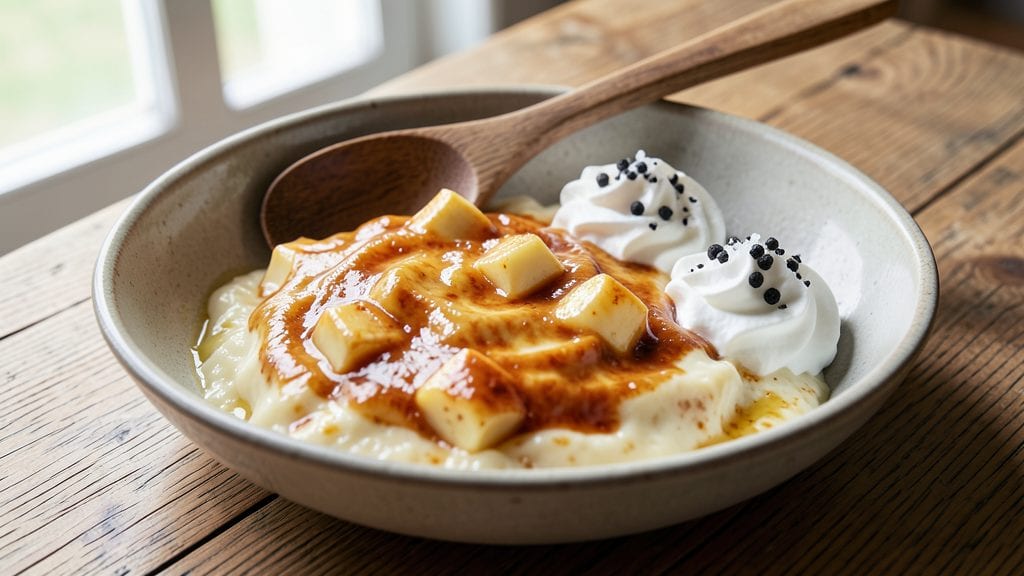
Creating authentic Amish butter cheese at home transforms simple ingredients into a rich, tangy spread that elevates everything from casseroles to fresh bread. This traditional recipe delivers a creamy texture with bold, savory depth—perfect for those who appreciate homemade flavors over store-bought alternatives.
The process is straightforward, but the results are undeniably professional, making it worth the effort.
At its core, Amish butter cheese combines fresh butter with sharp cheddar and a touch of tangy vinegar, creating a compound that’s both versatile and deeply flavorful. Unlike commercial spreads, this version uses real dairy and careful seasoning to achieve that signature balance between richness and acidity.
The key lies in proper melting and stirring techniques, ensuring a smooth, lump-free consistency every time.
Once prepared, this homemade spread becomes the star of dishes like potato casseroles, cornbread, or even as a topping for roasted vegetables. Its creamy texture and bold flavor make it a game-changer for traditional recipes, adding a layer of complexity that store-bought versions simply can’t match.
The best part? It keeps well in the refrigerator, so you can make a batch and enjoy it for days.
Whether you’re serving it at a family gathering or simply elevating a weeknight meal, Amish butter cheese brings a touch of old-world charm to modern cooking. Let’s get started on this timeless recipe that’s as satisfying to make as it is to eat.
Ingredients for amish butter cheese
Simple dairy ingredients elevate this rich, tangy spread for casseroles and bread.
| Ingredient | Amount | Notes |
|---|---|---|
| Unsalted Butter 🧈 | 1 cup | Cold, cut into 1-inch cubes |
| Sharp White Cheddar Cheese 🧀 | 2 cups | Freshly grated, block preferred |
| White Vinegar 🍶 | 1 tbsp | Distilled for tanginess |
| Diamond Crystal Kosher Salt 🧂 | ½ tsp | Fine grain preferred |
| Freshly Ground Black Pepper 🌶️ | ¼ tsp | Coarsely ground |
| Heavy Whipping Cream 🥛 | ¼ cup | Full-fat for creaminess |
| Garlic Cloves 🧄 | 2 cloves | Minced, optional for depth |
| Extra-Virgin Olive Oil 🫒 | 1 tsp | For smooth blending |
| Freshly Cracked Black Peppercorns 🌶️ | ½ tsp | For garnish, optional |
| Fresh Parsley Leaves 🌿 | 2 tbsp | Chopped, for garnish |
| Fresh Chives 🌱 | 2 tbsp | Chopped, for garnish |
The quality of dairy makes all the difference. Unsalted butter should be cold when added to prevent premature melting, and sharp white cheddar from a block—like Cabot or Tillamook—delivers that signature tang. Avoid pre-shredded cheese; it contains anti-caking agents that disrupt texture. For the vinegar, distilled white vinegar provides the cleanest tang, while apple cider vinegar adds subtle sweetness. The heavy whipping cream ensures a velvety finish, so don't substitute with lighter varieties. Freshly grated cheese releases more moisture, which is essential for achieving that classic Amish butter cheese consistency.
No sharp cheddar? Pepper jack or smoked Gouda can work, though the flavor profile shifts slightly. Short on vinegar? A splash of lemon juice or even a pinch of citric acid mimics the tang. The garlic is optional but adds depth—if omitted, increase the salt slightly. For a smoother blend, Trader Joe's or Whole Foods carry high-quality cheddar blocks that grate effortlessly. If you’re making this ahead, store the grated cheese and butter separately until ready to combine to prevent clumping.
This spread keeps beautifully in the refrigerator for up to 1 week when stored in an airtight container. For longer storage, portion into small jars and freeze for up to 3 months. To reheat, microwave in 10-second bursts until fully melted, stirring between each interval to maintain smoothness. Garnish with freshly cracked peppercorns and chopped herbs just before serving to preserve their vibrant flavors. The spread thickens slightly when chilled, so reheat gently if using on cold dishes like potato salad.
Why You'll Love This Recipe
- Five-Ingredient Magic: I swear by this recipe—just butter, cheddar, vinegar, and salt. That’s it. No fancy techniques, no hunting for obscure ingredients. Honestly, I’ve made it while waiting for dinner to cook, and it still comes out rich and tangy every time.
- Tangy Creamy Dream: The vinegar cuts through the richness of the butter and cheddar in the best way—sharp enough to wake up your taste buds, but balanced so it doesn’t overpower. Between us, that first bite is dangerously good, especially when it’s still warm from the pan.
- Party-Ready Spread: This cheese is my secret weapon for gatherings—charcuterie boards, game day snacks, or even a last-minute appetizer. It’s the kind of thing that disappears fast, and no one will ask where you got the recipe. (Yes, even on a Tuesday night.)
- Leftovers That Last: Make a big batch and store it in the fridge for up to a week. It’s perfect for quick sandwiches, toast, or melting over veggies. I’ll be real: I’ve reheated a week-old batch and still craved more. That’s how good it is.
Step-by-step instructions for Amish butter cheese spread
This method delivers a velvety, tangy spread with perfect texture every time—no shortcuts, just precise technique.
Melt the Cold Butter and Cheese
Place the 1 cup unsalted butter (cold, cut into 1-inch cubes) and 2 cups freshly grated sharp white cheddar cheese in a medium saucepan over low heat. Stir gently with a silicone spatula, allowing the butter to melt slowly—this prevents scorching the cheese. You'll see the mixture begin to thicken as the cheese melts into the butter, creating a smooth, creamy base. This low-and-slow approach preserves the cheddar's sharp flavor rather than letting it turn grainy.
Continue stirring until the cheese is completely melted and the mixture reaches 160°F on an instant-read thermometer. The spread should look glossy and uniform, with no visible cheese chunks. If you notice any separation, whisk vigorously for 30 seconds to re-emulsify. This step ensures a silky texture that forms the foundation of the spread.
Incorporate the Vinegar and Seasonings
Remove the saucepan from heat and stir in the 1 tablespoon white vinegar and 0.5 teaspoon diamond crystal kosher salt. The vinegar adds that signature tangy depth that defines Amish butter cheese. Add the 0.25 teaspoon freshly ground black pepper and the 2 cloves minced garlic (if using), stirring well to distribute the flavors evenly. The mixture should smell rich and aromatic—like a perfect balance of sharp cheddar, tangy vinegar, and savory garlic.
Return the saucepan to low heat and let the mixture simmer gently for 2-3 minutes, stirring constantly. This brief cooking time allows the flavors to meld while maintaining the spread's smooth consistency. You're looking for a texture that coats the back of a spoon—thick enough to hold its shape but still pourable when needed.
Blend in the Cream and Finish
Reduce the heat to lowest setting and slowly drizzle in the 0.25 cup heavy whipping cream while stirring continuously. The cream should be added gradually to prevent curdling, which can happen if introduced too quickly. After all the cream is incorporated, stir in the 1 teaspoon extra-virgin olive oil for a silky finish. The spread should now have a luxurious, velvety mouthfeel—thick but still spreadable.
Taste and adjust seasoning if needed, adding a pinch more salt or pepper as required. The spread is now ready for immediate use or can be transferred to a clean glass jar for storage. For a garnish, sprinkle with 0.5 teaspoon freshly cracked black peppercorns and set aside 2 tablespoons chopped parsley and 2 tablespoons chopped chives for serving.
Cool and Set (Optional for Thicker Spread)
For a firmer spread, transfer the mixture to a shallow dish and refrigerate for 1-2 hours. This step is optional but recommended if you prefer a thicker consistency for slicing. The spread will firm up slightly while retaining its creamy texture. If you plan to use it immediately, skip this step and enjoy it right away—it's perfect for dipping bread, spreading on crackers, or pairing with charcuterie.
When ready to serve, give the spread a final stir to ensure even consistency. Garnish with the reserved chopped parsley and chives for a fresh, vibrant finish. The result is a homemade spread that rivals any store-bought version, with layers of rich cheddar, tangy vinegar, and creamy texture.
Pro Tips For Making Amish Butter Cheese
- MELT THE BUTTER FIRST: Take the butter out of the fridge 15 minutes before mixing—cold butter makes the cheese clump like a sad, lumpy mess. I learned this the hard way when my first batch looked like it had been put through a blender instead of a food processor. Room temp butter blends smooth and creamy every time.
- GRATE THE CHEESE FINE: Skip the shredder and use a box grater or food processor for sharp white cheddar—large chunks won’t melt evenly and leave you with dry, chewy bits. My grandmother swore by this, and she was right: the smaller the pieces, the smoother the final spread.
- ADD VINEGAR SLOWLY: Drizzle the white vinegar in while the mixture is still warm, not all at once—this keeps the texture rich instead of turning it into a tangy, watery paste. I was skeptical until I tried it: the acid brightens the cheese without wrecking the creaminess.
- SALT IN LAYERS: Mix half the kosher salt with the cheese and butter first, then add the rest after the vinegar—this balances the flavors without overpowering. I skip this when I’m lazy, but the dish is noticeably better when I don’t. (Yes, even if you’re impatient like me.)
Storing and reheating your amish butter cheese
Refrigerator Storage
Store your homemade Amish butter cheese in an airtight glass container—I recommend Pyrex with a snap-on lid—to keep it fresh for up to 1 week. The spread thickens slightly when chilled, so give it a quick stir before using.
For best results, press plastic wrap directly onto the surface to prevent a skin from forming. 🥫
Freezer Preservation
Portion the spread into small glass jars or silicone molds for easy thawing, leaving ½-inch headspace to prevent expansion. Freeze for up to 3 months—the texture remains creamy when reheated properly. For longer storage, wrap tightly in parchment paper before freezing to block air exposure.
Reheating Methods
For microwave reheating, transfer a portion to a microwave-safe bowl and heat in 10-second bursts on medium power, stirring between each interval until fully melted. Avoid overheating, which can make the spread grainy.
For stovetop reheating, place the spread in a small saucepan over low heat with 1 tablespoon heavy cream, stirring constantly until smooth.
Thawing Tips
Thaw overnight in the refrigerator for even consistency. If you're in a hurry, place the sealed container in lukewarm water for 10-15 minutes, then stir gently. Never microwave frozen spread directly—this causes separation. For best results, let it sit at room temperature for 5 minutes after thawing to soften.
Garnish Refresh
Revitalize reheated spread with a sprinkle of freshly cracked black peppercorns and a pinch of Diamond Crystal kosher salt. Add chopped parsley or chives just before serving to preserve their bright flavors. The herbs add a fresh contrast to the rich, tangy base. ✨
Usage Flexibility
Use the spread straight from the fridge for cold dishes like potato salad or deviled eggs. For warm applications, like baked potatoes or grilled corn, reheat until fully melted and slightly runny for the best texture. The versatility makes it perfect for both savory and slightly sweet dishes.
Nutrition facts
Frequently asked questions
What makes this Amish butter cheese different from regular butter cheese?
The key difference lies in the vinegar and fresh cream—traditional Amish butter cheese uses white vinegar for tang and heavy cream for richness, creating a deeper, more complex flavor than basic butter-cheese blends. The slow-melted cheese base also ensures a smoother, lump-free texture that's far more stable when reheated.
Can I substitute sharp cheddar with another cheese?
Yes, but expect a different flavor profile. Pepper jack adds heat, while smoked Gouda brings smokiness. For authenticity, stick with sharp white cheddar—its tang pairs perfectly with the vinegar. If using a milder cheese, increase the vinegar to 1.5 tablespoons for balance.
Why did my spread turn grainy?
Graininess usually happens from overheating or adding cream too quickly. Always melt the butter and cheese over low heat and whisk vigorously if separation occurs. For a quick fix, stir in 1 teaspoon cold heavy cream to re-emulsify. The spread should be glossy and smooth—never let it boil or scorch.
How can I use this spread beyond dipping bread?
This versatile spread elevates potato casseroles, grilled corn, or even mac and cheese as a finishing drizzle. Mix 1 tablespoon into mashed potatoes for extra creaminess, or spread on biscuits before baking. For a sweet twist, pair it with apple slices or pecan pie.
Can I make this recipe without vinegar?
While vinegar adds the signature tang, you can substitute lemon juice or citric acid (⅛ teaspoon) for a milder acidity. Skip it entirely only if you prefer a buttery, less tangy flavor—but the traditional balance of sharp cheddar and vinegar is what makes this spread special.