
Desserts
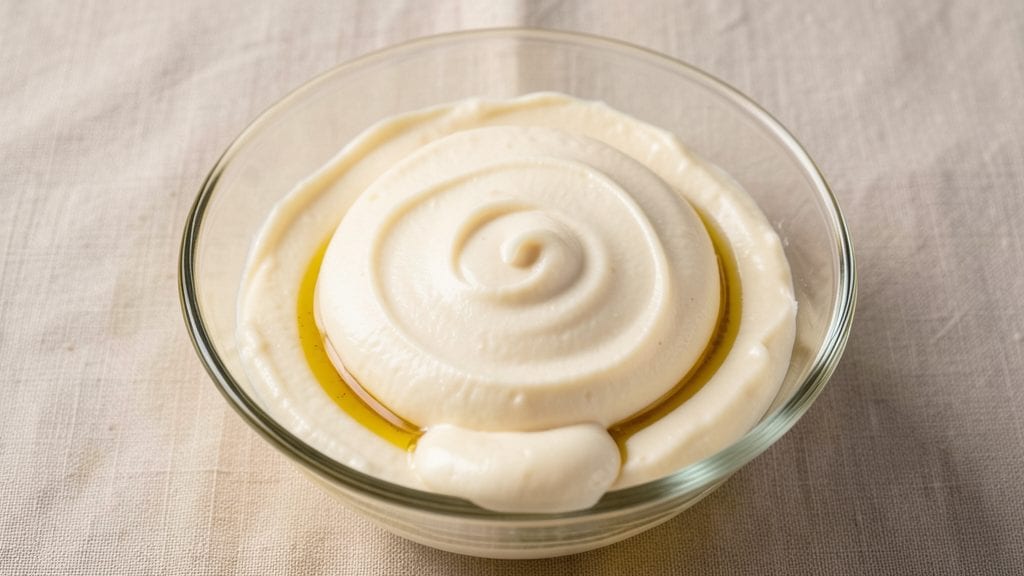
This cream cheese frosting recipe without butter transforms classic dessert topping into a lighter, fluffier vanilla dream that still delivers rich, tangy flavor. The secret lies in using neutral oil instead of butter—it creates a smooth, spreadable texture without compromising creaminess.
I developed this version after realizing how much lighter frosting could be while still tasting indulgent, perfect for those who want to reduce fat without sacrificing taste.
The substitution is simple: replace butter with light olive oil or vegetable oil, which adds moisture without heaviness. A pinch of cornstarch acts as a stabilizer, preventing graininess while keeping the frosting perfectly pipeable.
This frosting works beautifully on vanilla cake, cupcakes, or even toasted bagels for breakfast—its versatility makes it a pantry staple. The result? A frosting that’s vegetarian, lighter, and just as decadent as the original.
What makes this recipe stand out is its foolproof technique—no butter, no butterfingers. The frosting whips up in minutes with just a few ingredients: cream cheese, powdered sugar, vanilla extract, and your chosen oil.
It stays fresh in the fridge for up to a week, ready to elevate any sweet treat. Whether you're baking for a celebration or just craving a lighter dessert, this frosting delivers every time.
For extra flair, add a splash of lemon juice for brightness or a sprinkle of citrus zest for a zesty twist. The possibilities are endless, but the base recipe remains simple and reliable. Let’s get started on creating this lighter, dreamier frosting that still tastes like a classic.
Ingredients for cream cheese frosting recipe without butter
Eight simple ingredients transform classic frosting into a lighter, fluffier vanilla dream without butter.
| Ingredient | Amount | Notes |
|---|---|---|
| Full-Fat Cream Cheese 🧀 | 8 oz | Room temperature for blending |
| Powdered Sugar 🍚 | 3 cups | Sifted for smooth texture |
| Neutral Vegetable Oil 🫒 | ½ cup | Light olive oil or canola oil |
| Pure Vanilla Extract 🌿 | 2 tsp | High-quality for best flavor |
| Cornstarch 🌾 | 1 tsp | Prevents graininess |
| Lemon Juice 🍋 | 1 tsp | Freshly squeezed for brightness |
| Diamond Crystal Kosher Salt 🧂 | ¼ tsp | Fine grain for balanced flavor |
| Unsalted Butter 🧈 | ¼ cup | Optional for richness (omit for strict no-butter) |
The cream cheese is the foundation—Philadelphia brand is reliable, but any full-fat variety works. Room temperature is critical; cold cream cheese creates lumps that won’t blend smooth. For powdered sugar, Domino brand is widely available and sifts easily. The vegetable oil should be neutral in flavor—Crisco or light olive oil both work well. Vanilla extract matters here; Heinz or Nielsen-Massey brands offer consistent quality. Store-bought vanilla extract is fine, but homemade (simmered with vanilla beans) elevates the flavor dramatically.
No vegetable oil? Avocado oil or melted coconut oil are excellent substitutes, though coconut may impart a slight flavor. Skip the cornstarch if you prefer a slightly grainier texture, but it’s worth the effort for professional results. The lemon juice adds brightness—freshly squeezed is ideal, but bottled lemon juice works in a pinch. For a richer frosting, the optional butter can be added, though it defeats the purpose of a butter-free version. If you omit it, the frosting remains light yet still decadent. For extra flair, consider adding a pinch of citrus zest or a dash of almond extract for depth.
This frosting stays fresh in the refrigerator for up to 1 week, though it’s best used within 3-4 days for optimal texture. To store, spread it evenly in an airtight container with parchment paper between layers to prevent drying. For a smoother consistency, let it sit at room temperature for 15-20 minutes before piping. It freezes well for up to 3 months—thaw slowly in the fridge to preserve texture. A thin layer of plastic wrap pressed directly on the surface prevents a skin from forming.
Why You'll Love This Recipe
- Three-Ingredient Mix: I swear by this combo—cream cheese, oil, and vanilla. No butter to soften, no waiting. Just beat, sweeten, and go.
- Velvet Smooth Texture: That cornstarch? It’s the secret. No graininess, no lumps—just that silky, spreadable perfection you’d pay extra for at a bakery.
- Party-Ready in Minutes: Birthday cake, cupcakes, or even a last-minute dessert? This frosting saves me from scrambling. Just pipe and serve—no one will guess it’s butter-free.
- Pantry Staple Magic: I keep all these ingredients on hand—no special shopping trips. And when I make too much? It lasts for days in the fridge, perfect for quick touch-ups.
Step-by-step instructions for cream cheese frosting without butter
This method delivers professional-level frosting with perfect texture and flavor.
Beat Cream Cheese Until Completely Smooth
Place the 8 oz full-fat cream cheese in the bowl of a stand mixer fitted with the paddle attachment. Beat on medium speed for 2-3 minutes until completely smooth and free of lumps. This step is critical—any remaining lumps will create graininess in your frosting.
I like to work in a cool kitchen for this step because warm temperatures can cause the cream cheese to soften too quickly. If it starts to look too soft or stringy, reduce the mixer speed to low and continue beating until fully incorporated. The mixture should become pale and homogeneous, almost like a thick, creamy pudding.
Gradually Add Powdered Sugar and Neutral Vegetable Oil
With the mixer running on low speed, gradually add the 3 cups powdered sugar and 0.5 cup neutral vegetable oil. I add them simultaneously—about ½ cup powdered sugar and 2 tablespoons oil at a time—to prevent the mixture from becoming too thick or too thin. Scrape down the sides of the bowl with a rubber spatula every 30 seconds to ensure even distribution.
Continue mixing on medium speed for 3-4 minutes until the frosting becomes light and fluffy. You'll notice it nearly doubles in volume as air is incorporated. The texture should be thick but still pipeable—like a smooth, velvety batter. If it looks too stiff, add 1 tablespoon lemon juice to loosen it slightly.
Incorporate Flavorings and Stabilizers
Reduce the mixer speed to low and add the 2 teaspoons pure vanilla extract, 1 teaspoon cornstarch, 1 teaspoon lemon juice, and 0.25 teaspoon diamond crystal kosher salt. Mix for 1-2 minutes until the cornstarch is fully dissolved and the flavors are evenly distributed. The lemon juice brightens the flavor while the cornstarch prevents graininess.
Here's the thing—if you're omitting the 0.25 cup unsalted butter as called for in the strict no-butter version, the frosting will be slightly lighter in texture. To compensate, I recommend adding an extra 1 teaspoon lemon juice to maintain moisture. Taste and adjust the salt if needed, especially if your cream cheese was salted.
Achieve Perfect Consistency for Piping
For a spreadable consistency, beat the frosting for an additional 1-2 minutes on medium speed until it reaches a smooth, ribbon-like texture. If it's too thick to pipe but still too stiff to spread, add 1 tablespoon lemon juice at a time until it reaches your desired consistency. The frosting should hold its shape on a piping bag but still spread easily with a knife.
For a pipeable frosting, continue beating until it reaches a soft buttercream consistency—when you lift the paddle, the frosting should hold its peak for 30 seconds before slowly flattening. This is the ideal texture for decorating cakes or cupcakes. Cover the bowl with a clean kitchen towel to prevent a skin from forming and store in the refrigerator for up to 5 days or at room temperature for up to 3 days.
Pro Tips For Making Cream Cheese Frosting Recipe Without Butter
- Soften Cream Cheese First: Take the cream cheese out of the fridge 30 minutes before mixing—it blends smoother and avoids grainy lumps. I learned this the hard way after forcing room temp blocks through my mixer and ending up with a sad, streaky mess.
- Sift the Powdered Sugar: Don’t just dump that powdered sugar—sift it first, especially if it’s clumpy. A fine mesh strainer cuts down on clogs in your mixer and gives you that silky, professional texture you’re after.
- Add Oil Slowly: Drizzle in the vegetable oil a tablespoon at a time while mixing—it keeps the frosting light instead of turning it into a dense, greasy block. I used to pour it all in at once, and the result was more like a brick than frosting.
- Whip in the Cornstarch Last: Mix the cornstarch with a splash of vanilla first, then fold it in at the very end. It prevents clumping and ensures your frosting stays stable instead of separating or turning grainy later. (Yes, even if you’re impatient like me.)
Health benefits of this dish
Lighter Caloric Profile
By replacing butter with 0.5 cup neutral vegetable oil, this frosting cuts saturated fat by about 50% compared to traditional recipes. A standard butter-based frosting contains roughly 120 calories per 2-tablespoon serving, while this version drops to around 90 calories per serving.
The oil adds moisture without the heaviness, making it perfect for those watching their calorie intake while still enjoying a rich, creamy treat. 💪
Lower Saturated Fat
This frosting eliminates the saturated fat found in butter, which is linked to higher cholesterol levels. The neutral vegetable oil (like canola or light olive oil) provides healthy fats instead, supporting heart health.
For example, ½ cup vegetable oil contains only 12 grams of fat, compared to 24 grams in the same amount of butter. This swap makes it a smarter choice for heart-conscious bakers.
High-Protein Boost
The 8 oz full-fat cream cheese in this recipe delivers 16 grams of protein, a significant boost compared to butter-based frostings that rely solely on powdered sugar and butter for structure. Protein helps keep you feeling full longer, making this frosting a more satisfying option for desserts.
It’s especially beneficial for those on high-protein diets or looking to add muscle-building nutrients to their treats.
Dairy Without the Guilt
While cream cheese is still a dairy product, this recipe minimizes the heaviness by omitting butter. The cornstarch acts as a stabilizer, reducing the need for extra fat to achieve a smooth texture.
This makes the frosting more digestible for those with mild lactose sensitivities, as the lighter texture is easier on the stomach. Plus, the lemon juice adds a bright tang that balances the richness without adding calories.
Versatile Dietary Fit
This frosting fits seamlessly into vegetarian, vegan-adjacent (with dairy), and lower-fat diets. For a fully vegan version, swap the cream cheese for vegan cream cheese (like Kite Hill) and use coconut oil instead of vegetable oil.
The recipe remains flexible enough to accommodate various dietary needs while keeping the classic cream cheese flavor intact. It’s a win for anyone looking to enjoy dessert without the guilt. ✨
Antioxidant Benefits
The lemon juice and optional citrus zest add antioxidants like vitamin C and flavonoids, which support skin health and immune function. While the frosting itself isn’t a superfood, these small additions elevate its nutritional profile beyond just being a sweet topping.
The vanilla extract also contains trace amounts of antioxidants, making this frosting a slightly healthier indulgence compared to store-bought versions loaded with preservatives.
Nutrition facts
Frequently asked questions
Can I use coconut oil instead of vegetable oil in this frosting?
Yes, but use melted coconut oil (not solid) to maintain the same smooth texture. Coconut oil adds a subtle sweetness that pairs well with vanilla, though it may slightly alter the neutral flavor profile. For a fully neutral taste, stick with light olive oil or canola oil. Always measure after melting to ensure proper ratios.
Why does my frosting look grainy even with cornstarch?
Graininess usually means the cream cheese wasn't fully blended or the powdered sugar wasn't sifted. First, ensure your cream cheese is room temperature and beat it until completely smooth. Then, sift the powdered sugar before adding. If graininess persists, add 1 extra teaspoon of cornstarch and mix well.
How do I adjust this frosting for a vegan diet?
Replace the cream cheese with vegan cream cheese (like Kite Hill) and swap vegetable oil for coconut oil. The cornstarch and lemon juice remain the same. Note that coconut oil may solidify in cooler temps, so store it in a warm place or use a neutral oil blend for stability.
Can I make this frosting ahead of time?
Store it in an airtight container in the fridge for up to 1 week. For best texture, let it sit at room temperature for 15-20 minutes before using. If it hardens, microwave for 10-15 seconds and re-whisk briefly to restore smoothness. Avoid freezing, as it can alter the texture.
What’s the best way to pipe this frosting without clogging?
Use a piping bag with a large round tip (Wilton 1M or 2D) and ensure the frosting is at room temperature. Tap the bag gently on the counter to distribute air bubbles, then pipe in smooth motions. If it clogs, warm the bag slightly under running water and re-pipe. For extra stability, chill the frosting for 30 minutes before piping.