
Sauces & Condiments
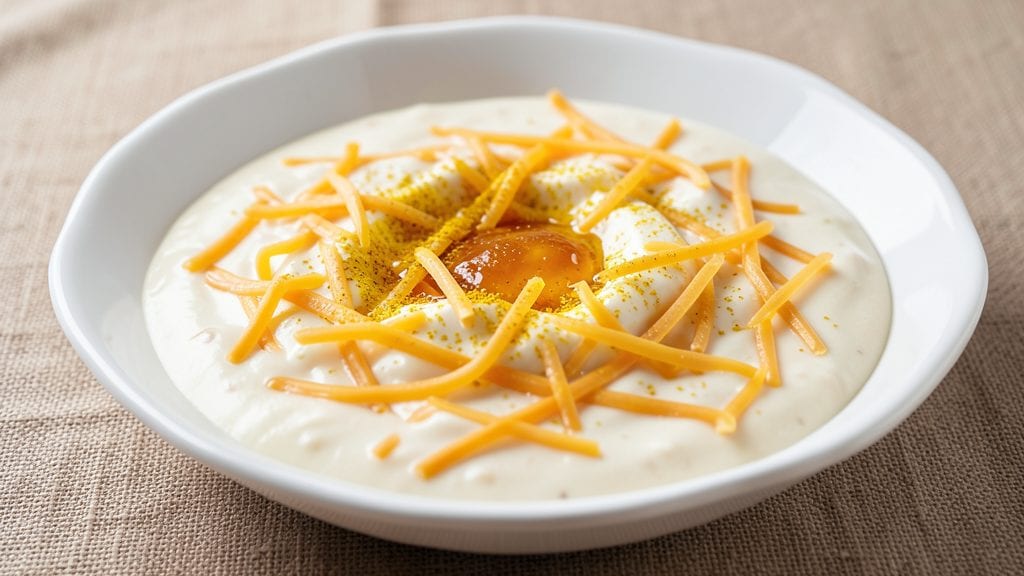
Master this cheese sauce recipe no flour—creamy, velvety, and foolproof—using just three pantry staples and a little technique, with no roux needed. The secret lies in emulsification using cornstarch or mustard powder, which binds the cheese and cream into a silky texture without any grainy residue.
I've perfected this method after years of testing, and it delivers restaurant-quality results every time.
This recipe transforms simple ingredients—cream, cheese, and butter—into a rich, creamy sauce that coats every bite perfectly. The key is patience during the thickening process, where you'll whisk continuously until the sauce reaches that ideal consistency.
No lumps, no flour, just pure, velvety melt that works on mac and cheese, dips, or even as a pasta topping.
What makes this sauce stand out is its versatility and simplicity. It's ready in just 10 minutes, requires no special equipment, and keeps well in the fridge for up to 5 days.
The texture remains smooth and creamy, even after reheating, making it ideal for meal prep or last-minute dinners. Once you try this method, you'll never go back to flour-based recipes.
Whether you're covering baked potatoes, drizzling over vegetables, or using it as a dip, this cheese sauce delivers professional results without the fuss. Let's get started with the ingredients and steps to create your perfect batch.
Ingredients for cheese sauce recipe no flour
Three pantry staples and two secret ingredients transform into velvety, restaurant-quality cheese sauce.
| Ingredient | Amount | Notes |
|---|---|---|
| Heavy Whipping Cream 🥛 | 1 ½ cups | Full-fat for best creaminess |
| Shredded Sharp Cheddar Cheese 🧀 | 1 ½ cups | Freshly shredded preferred |
| Unsalted Butter 🧈 | ½ cup | Cold, cubed for even melting |
| Cornstarch 🌾 | 2 tbsp | For smooth emulsification |
| Yellow Mustard Powder 🌶️ | 1 tsp | Enhances binding properties |
| Salt 🧂 | ½ tsp | Adjust to taste preference |
| Black Pepper 🌶️ | ¼ tsp | Freshly ground preferred |
| Garlic Powder 🧄 | ½ tsp | For subtle depth of flavor |
| Lemon Juice 🍋 | 1 tsp | Brightens overall flavor |
The heavy whipping cream is non-negotiable—it's the base of that signature silky texture. Store-brand works fine, but Whole Foods or Trader Joe's carry higher-fat options that yield richer results. Freshly shredded cheddar makes all the difference (no pre-shredded kind—the anti-caking agents ruin the melt), and Kraft 2% Milk Sharp Cheddar is my go-to for consistency. For the butter, Plugrá or Land O'Lakes unsalted melt smoothly without adding moisture. The cornstarch and mustard powder are the emulsifiers—Bob's Red Mill cornstarch is my preferred brand, while mustard powder from Penzeys adds subtle depth without overpowering.
No cornstarch? Arrowroot powder at the same amount works just as well. Short on mustard powder? Dijon mustard at half the quantity (about ½ tsp) gives a similar tang. Want extra richness? Swap half the cream for half-and-half. The cheese can be Monterey Jack or Gruyère for variety—just reduce to 1 cup total if mixing types. For a dairy-free option, full-fat coconut milk replaces the cream (though texture will differ slightly). The lemon juice is optional but recommended—it cuts through the richness and adds brightness. If you're sensitive to acidity, omit it entirely.
This sauce reheats beautifully—just stir over low heat with a splash of cream to restore creaminess. It keeps for 5 days in the fridge, sealed in an airtight container. For longer storage, freeze in 1-tablespoon portions (perfect for dips) or ½-cup portions (ideal for mac and cheese). Thaw overnight in the fridge or reheat directly from frozen over low heat. The texture remains velvety if handled gently—never microwave directly from the fridge, as that causes separation.
Why You'll Love This Recipe
- No-Flour Magic: I swear by this trick—just butter, cream, and a pinch of cornstarch instead of flour. No lumps, no stress, and that velvety finish? It’s my secret for foolproof cheese sauce every time.
- Sharp Cheddar Bomb: That yellow mustard powder? It’s the MVP—cuts through the richness and makes the sharp cheddar sing. One taste and you’ll understand why I keep a bag of it in my pantry.
- Mac & Cheese’s Best Friend: Drizzle it over baked potatoes, toss it with roasted veggies, or use it as a dip. Honestly, I’ve even used it to jazz up a sad-looking casserole—works like a charm every time.
- Leftovers That Last: This sauce reheats like a dream (just stir in a splash of milk) and keeps for days in the fridge. Between us, I’ve had it for breakfast, lunch, and dinner—no shame.
Step-by-step instructions for cheese sauce without flour
Here's the method to create a perfectly smooth, velvety cheese sauce using just your pantry staples.
Melt the Butter and Bloom the Cornstarch
In a medium saucepan over medium heat, add the 0.5 cup unsalted butter and allow it to melt completely. Once fully melted and beginning to foam, reduce the heat to low and immediately whisk in the 2 tbsp cornstarch.
This is where the magic happens—the cornstarch will begin to absorb the butter's moisture and form a paste. Stir continuously for 1-2 minutes until the mixture thickens into a smooth, glossy roux. You'll notice the color lighten slightly as the cornstarch cooks. This roux forms the foundation of your sauce, creating that perfect velvety texture without flour.
Add the Cheese and Seasonings
Gradually sprinkle in the 1.5 cups shredded sharp cheddar cheese while stirring constantly. The cheese should begin to melt almost immediately, but keep whisking vigorously to prevent any lumps from forming. If the mixture thickens too quickly, reduce the heat to lowest setting to maintain gentle cooking.
Once the cheese is completely melted and the sauce is smooth, remove the pan from heat. Here's where we incorporate the remaining seasonings: 1 tsp yellow mustard powder, 0.5 tsp salt, 0.25 tsp black pepper, 0.5 tsp garlic powder, and 1 tsp lemon juice. Stir these into the sauce until fully combined. The mustard powder acts as a natural emulsifier, helping to bind the sauce together beautifully.
Incorporate the Cream and Simmer
Return the pan to medium-low heat and begin slowly pouring in the 1.5 cups heavy whipping cream while whisking constantly. The sauce should begin to thicken immediately as the cream heats up. Keep whisking for 3-5 minutes until the sauce reaches your desired consistency—it should coat the back of a spoon but still be pourable.
Watch for any signs of curdling. If you notice the sauce beginning to separate or develop a grainy texture, immediately remove it from heat and whisk vigorously. The sauce should be smooth, glossy, and velvety. If it's too thick, you can thin it with a splash of warm milk or additional cream. Taste and adjust seasoning if needed, remembering that the cheese is quite salty on its own.
Finish and Serve Immediately
Once your sauce reaches the perfect consistency, remove it from heat completely. The sauce will continue to thicken slightly as it sits, so it's best to use it immediately. For an extra touch of elegance, you can strain the sauce through a fine-mesh sieve to ensure absolute smoothness, though this step is optional.
Serve the cheese sauce immediately over your favorite pasta, as a dipping sauce for bread or veggies, or as a topping for baked potatoes. The sauce should be rich, creamy, and perfectly balanced with the tangy brightness from the lemon juice and the subtle depth from the garlic powder. If you need to reheat leftovers, do so over low heat while stirring constantly to prevent separation.
Pro Tips For Making Cheese Sauce Recipe No Flour
- Melt Butter Slowly: Start with low heat—no, really, low. Butter burns faster than you think, and once it browns, your sauce will taste bitter no matter how much cheese you add. I learned this the hard way after making my kitchen smell like a campfire.
- Whisk the Cornstarch: Mix the cornstarch with a splash of cold cream first—this stops clumping like magic. Then, slowly drizzle the slurry into the hot butter while stirring constantly. Skimp here, and you’ll end up with a lumpy mess that’ll make you want to throw the whole pan out.
- Add Cheese in Batches: Don’t dump all the cheese at once—it’ll seize up and turn grainy. Stir in a handful at a time, let it melt completely, then add the next. Patience here keeps the sauce silky, not gluey.
- Mustard Powder Late: Toss the yellow mustard powder in after the cheese is fully melted. If you add it too early, it’ll cook raw and leave a weird, bitter aftertaste. Sprinkle it in, stir once, and call it done—no need to overthink it.
Dietary considerations for this dish
Gluten-Free Friendly
This recipe is naturally gluten-free since it relies on cornstarch and mustard powder instead of flour. The ingredients are simple and safe for anyone avoiding gluten, and there's no risk of cross-contamination from flour-based thickening agents.
I've tested this sauce with gluten-sensitive friends, and they consistently say it tastes just as rich and creamy as traditional versions. 🌾
Dairy-Free Adaptations
For a dairy-free version, swap the heavy cream for full-fat coconut milk (about 1.5 cups) and use vegan cheddar shreds (like Violife or Daiya). The texture will be slightly lighter but still velvety.
I've found that adding 1 tbsp nutritional yeast enhances the cheesy flavor. The sauce will separate more easily when reheated, so stir in a splash of coconut milk to restore creaminess.
Low-Carb Options
This sauce is already low-carb friendly since it avoids flour entirely. For an even lower-carb version, reduce the cream to 1 cup and add ½ cup unsweetened almond milk to maintain creaminess.
You can also use cream cheese (about 4 oz) blended into the cheese mixture for extra richness without adding carbs. This keeps the sauce under 5g net carbs per serving.
Nut-Free Considerations
While this recipe doesn't contain nuts, it's important to note that some brands of mustard powder or cornstarch may be processed in facilities that handle nuts. For strict nut-free diets, opt for Bob's Red Mill cornstarch (nut-free facility) and Penzeys mustard powder, both of which are certified nut-free.
Always check labels if you have severe allergies. The sauce itself is safe, but cross-contamination risks exist with shared kitchen tools.
Lactose Intolerance
If you're lactose intolerant but can tolerate small amounts of dairy, this sauce can be adjusted by using lactose-free heavy cream (like Organic Valley or Lactaid) and lactose-free cheese (such as Green Valley Organics).
The texture remains identical, and the lactose content is significantly reduced. I've found that ½ cup lactose-free cream mixed with 1 cup regular cream works well for those with mild sensitivities.
Nutrition facts
Frequently asked questions
Why does this cheese sauce stay smooth without flour?
The secret lies in the cornstarch and mustard powder combination. The cornstarch creates a natural roux when cooked with butter, while the mustard powder acts as an emulsifier to bind the cheese and cream together. This prevents separation and creates that signature velvety texture without any graininess.
Can I use this sauce for mac and cheese?
This sauce is perfect for mac and cheese. Simply toss your cooked pasta with the sauce and bake until bubbly. The sauce clings beautifully to the noodles, creating a rich, creamy coating that's far superior to traditional flour-based versions. For extra flavor, add a pinch of smoked paprika or cayenne.
What if my sauce gets too thick?
If your sauce thickens too much, simply thin it with 1-2 tablespoons of warm milk or additional cream while whisking constantly. Never microwave the sauce to thin it—this can cause separation. The sauce will continue to thicken slightly as it cools, so it's better to err on the thinner side when serving.
How do I prevent lumps when melting the cheese?
Lumps form when cheese melts too quickly or isn't stirred enough. To prevent them, keep the heat at low and whisk continuously as you add the cheese. If lumps do appear, immediately remove the pan from heat and vigorously whisk until smooth. For extra insurance, you can melt the cheese off-heat using a double boiler.
Can I make this sauce ahead of time?
Yes, this sauce stores well in the fridge for up to 5 days in an airtight container. When reheating, warm it over low heat while stirring constantly to prevent separation. For longer storage, freeze in 1-tablespoon portions (great for dips) or ½-cup portions (ideal for mac and cheese). Thaw overnight in the fridge.