
Desserts
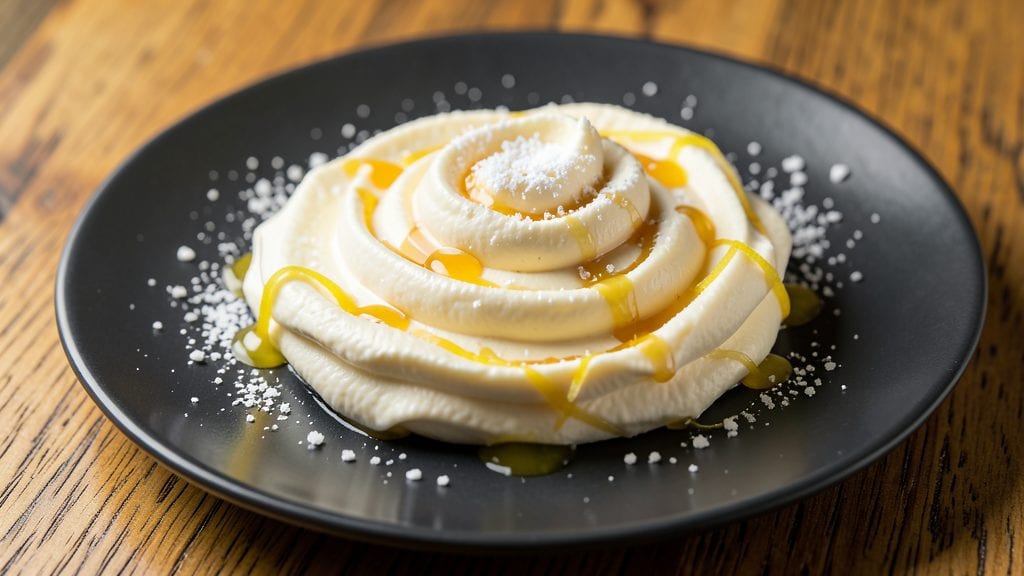
This cream cheese frosting recipe no butter delivers the same velvety richness without a single pat of butter—just three simple ingredients that transform into a silky, pipeable masterpiece. ✨ The secret lies in a precise ratio of cream cheese to oil, which creates that signature tangy sweetness while maintaining a smooth, spreadable texture perfect for cakes, cupcakes, or even cookies.
What makes this frosting truly remarkable is its foolproof simplicity—no butter, no complicated techniques, just a few minutes of mixing. The oil replaces butter's fat content while keeping the frosting light and fluffy, and the powdered sugar balances the creaminess with just the right amount of sweetness.
It's the kind of frosting that elevates any dessert without requiring advanced skills.
By the time you're done, you'll have a batch of frosting that's smooth enough to pipe delicate swirls, rich enough to satisfy any sweet tooth, and stable enough to hold its shape.
The texture is velvety, the flavor is perfectly balanced, and the best part? It stays fresh in the fridge for up to a week, ready to transform your desserts whenever inspiration strikes.
Whether you're decorating a birthday cake or adding a final touch to homemade cupcakes, this frosting delivers professional results with minimal effort. Let's get started—your desserts are about to get an upgrade.
Ingredients for cream cheese frosting recipe no butter
Three ingredients, zero butter—this frosting is your new go-to for silky-smooth desserts.
| Ingredient | Amount | Notes |
|---|---|---|
| Full-Fat Cream Cheese 🧀 | 8 oz | Room temperature for best mixing |
| Neutral Tasting Oil 🫒 | ¼ cup | Vegetable or canola preferred |
| Confectioners' Sugar 🍚 | 2 cups | Sifted for smooth texture |
| Vanilla Extract 🌿 | 1 tsp | Pure vanilla for best flavor |
| Lemon Juice 🍋 | ½ tsp | Freshly squeezed for brightness |
| Salt 🧂 | ¼ tsp | Fine sea salt for balance |
The cream cheese is the star here—Philadelphia brand works best because it's consistently smooth. Grab the 8 oz block, not the tub, for the best texture. Room temperature is key: take it out of the fridge 15 minutes before mixing. The oil replaces butter perfectly—vegetable or canola are neutral enough not to overpower the flavor. If you're feeling fancy, avocado oil adds a subtle richness, but it's not necessary. Confectioners' sugar should be sifted—no lumps means no scraping later.
No vanilla extract? Vanilla bean paste works too, or even vanilla sugar at half the amount. The lemon juice is optional but adds that perfect tang—bottled works in a pinch. Want to skip the salt? Taste first—it's subtle but balances the sweetness. The oil can be swapped for apricot jam at half the amount if you're avoiding all fats, though the texture will be slightly denser. This frosting pipes beautifully for cupcakes or cakes, but it's also perfect for filling donuts or frosting cookies—just let it sit at room temp 10 minutes before using for the best consistency.
This frosting keeps for 1 week in the fridge, covered tightly. If it thickens, just whip it again for 10 seconds. For longer storage, freeze portions in 1-tbsp dollops—thaw at room temp before using. I always make a double batch: one for immediate use, one to freeze for emergencies. The flavor actually improves after 24 hours as the ingredients meld together. Store in an airtight container with parchment paper between layers to prevent sticking.
Why You'll Love This Recipe
- Three-Ingredient Mixer: I swear by this—just cream cheese, oil, and sugar. No stand mixer? Hand beat it for 30 seconds. That’s it. The oil keeps it smooth without butter’s fuss, and the lemon juice cuts through the sweetness like a bright little secret.
- No One Suspects: The vanilla and lemon juice make this taste like a bakery bought it. Honestly, I’ve had people ask if it’s homemade after I told them it was. The oil gives it that velvety mouthfeel, but the citrus keeps it from being heavy—like a hug that’s not smothering.
- Cake, Cupcake, Cookie: This frosting plays nice everywhere. Slather it on a simple vanilla sheet cake, pipe it into mini cupcakes, or drizzle it over brownies. I even dump it into a mug with crushed cookies for a no-bake dessert. The oil keeps it stable, so it doesn’t melt in the sun like butter frosting would.
- Leftover Goldmine: Make a double batch and store it in the fridge for a week. The oil prevents it from drying out, and I’ve had it last even longer if I wrap it tightly. Spread it on stale muffins or toss it into overnight oats for a protein-packed treat. It’s my pantry’s best-kept secret.
Step-by-step instructions for cream cheese frosting
Here's how to make this ultra-smooth, no-butter frosting that's foolproof every time.
👨🍳 Step 1: Soften the Cream Cheese
Take the 8 oz full-fat cream cheese out of the refrigerator and let it sit at room temperature for 20-30 minutes. You'll know it's ready when it's soft enough to press gently with your finger—it should leave a slight indentation but still hold its shape.
Here's the thing—I've found that room-temperature cream cheese mixes much more smoothly and prevents lumps. If you're in a hurry, you can microwave it for 5-10 seconds on low power, but be careful not to overheat it or it'll separate. Once softened, scrape it into your mixing bowl using a rubber spatula to ensure you get all of it.
🍳 Step 2: Whisk in Oil and Flavorings
Add the 0.25 cup neutral tasting oil to the softened cream cheese. Using an electric mixer on medium speed, beat for 1-2 minutes until the mixture becomes completely smooth and creamy. The oil replaces butter beautifully, creating that signature velvety texture without any greasiness.
Next, add the 1 tsp vanilla extract, 0.5 tsp lemon juice, and 0.25 tsp salt. Mix on low speed for 30 seconds just to combine these ingredients. I like to add the lemon juice first—it brightens the flavor and balances the richness of the cream cheese. The salt might seem like a small amount, but it enhances all the flavors and prevents the frosting from tasting flat.
🥘 Step 3: Gradually Add Confectioners' Sugar
With the mixer still running on medium speed, begin adding the 2 cups sifted confectioners' sugar very gradually—about ¼ cup at a time. This slow addition prevents clumping and ensures a smooth, lump-free frosting. After each addition, let the mixture come together completely before adding more.
You'll notice the frosting will start to thicken as you add the sugar. Here's where it gets important: stop mixing as soon as the sugar is fully incorporated and the frosting reaches your desired consistency. Overmixing can incorporate air and make the frosting too light, which can cause it to melt or slide off cakes.
⏰ Step 4: Test and Adjust Consistency
For a perfect spreadable frosting, it should be thick enough to hold its shape on a cake but still pipeable. To test, dip a clean spoon into the frosting—if it holds a peak that doesn't immediately flatten, it's ready. If it's too thick, add 1-2 teaspoons of milk or water at a time until it reaches the right consistency.
Real talk: This frosting is incredibly versatile. For a smoother finish, strain it through a fine-mesh sieve before using. And if you're making a layered cake, you can thin it slightly with an extra splash of milk for easier spreading. The frosting will keep in the refrigerator for up to 5 days or can be frozen for 3 months—just let it soften at room temperature before using.
Pro Tips For Making Cream Cheese Frosting Recipe No Butter
- Soften Cream Cheese Properly: Take the block out of the fridge 30 minutes before using—room temperature makes it blend smoother and prevents lumps. I learned this the hard way when my frosting ended up grainy because I rushed and used cold cream cheese straight from the fridge.
- Use Oil Sparingly: Start with just 1 tablespoon of neutral oil—you can always add more, but too much turns the frosting greasy. I was skeptical until I tried it; the right amount keeps it light and spreadable without sacrificing creaminess.
- Sift the Sugar First: Skip the clumps by sifting the confectioners’ sugar directly into your mixing bowl before adding anything else. This isn’t the prettiest method, but it’s the tastiest—no need to strain or pick out lumps later.
- Mix in Stages: Beat the cream cheese and oil together first until fully combined, then add the sugar gradually. Stopping to scrape the bowl every 30 seconds keeps the mixture smooth and prevents a gummy texture. Sounds weird, but it works—trust the process.
Perfect pairings for this dish
Creamy Dessert Pairings
This frosting is perfect for vanilla cupcakes—its tangy sweetness complements the delicate flavor beautifully. I like to pipe it in swirls using a Wilton 1M tip for that classic look.
For red velvet cakes, the lemon juice in the frosting balances the cake's natural acidity, creating a harmonious bite. 🥧
Fruit Toppings
Fresh strawberries or raspberries add a vibrant contrast to the creamy frosting. I recommend hulless strawberries for easy handling, and a light drizzle of honey enhances the berries' natural sweetness. For a tropical twist, try mango slices or pineapple tidbits—the acidity cuts through the richness perfectly.
Cookie Pairings
This frosting works wonders on sugar cookies or gingerbread during the holidays. Spread it between layers of snickerdoodles for a decadent treat. For chocolate chip cookies, the frosting's tanginess balances the chocolate's richness. I often add a sprinkle of crushed pistachios for extra texture and flavor. 🍪
Donut Filling
Fill yeast donuts or cake donuts with this frosting for a luxurious touch. I like to use a pastry bag with a star tip to create decorative patterns.
For a glazed donut twist, add a thin layer of the frosting between the glaze and the donut for an extra creamy surprise.
Cake Layering
Use this frosting to layer carrot cake or pumpkin cake for a moist, flavorful experience. The frosting's tanginess complements the spices in these cakes beautifully. For chocolate cake, add a pinch of espresso powder to the frosting to deepen the chocolate flavor.
A thin layer between cake layers ensures every bite is creamy and delicious. 🎂
Beverage Pairings
Pair this frosting with iced coffee or chai tea for a sweet treat. The vanilla and lemon notes in the frosting enhance the coffee's warmth, while the tea's spices complement the frosting's creaminess.
For a boozy twist, serve with a glass of prosecco or sparkling wine—the bubbles cleanse the palate between bites.
Nutrition facts
Frequently asked questions
Why does this frosting use oil instead of butter?
Oil creates a lighter, more stable frosting without butter's dairy content, preventing melting or sliding. The neutral oil (like vegetable or canola) mimics butter's fat content while keeping the frosting smooth and fluffy. Plus, it's a great dairy-free option that still delivers that signature tangy creaminess!
Can I make this frosting without cream cheese?
Yes! Swap the cream cheese for 8 oz mascarpone cheese or 2 cups Greek yogurt (plain, full-fat) for a similar tangy texture. Adjust the oil to 1/4 cup + 1 tbsp if using mascarpone, or reduce oil to 1/4 cup - 1 tbsp for yogurt. The lemon juice will still brighten the flavor beautifully.
How do I fix lumpy frosting?
If you see lumps, immediately stop mixing and use a rubber spatula to press them against the bowl's sides. Then, pulse with a hand mixer for 10-15 seconds on low speed. For stubborn lumps, strain the frosting through a fine-mesh sieve before using. Always sift the powdered sugar first to prevent this issue!
Will this frosting work for piping decorations?
This frosting pipes beautifully through a Wilton 1M tip for classic swirls or a star tip for rosettes. For best results, chill the frosting for 30 minutes before piping to improve stability. If it's too thick, add 1 tsp milk at a time until it reaches a smooth, pipeable consistency.
Can I make this frosting sugar-free?
Yes! Replace the powdered sugar with 2 cups granulated erythritol or monk fruit sweetener (like Lakanto). Add 1-2 tsp powdered milk to help bind the texture. The frosting will be slightly less sweet but still creamy. For extra richness, add 1 tbsp melted coconut oil to the oil measurement.