
Appetizers
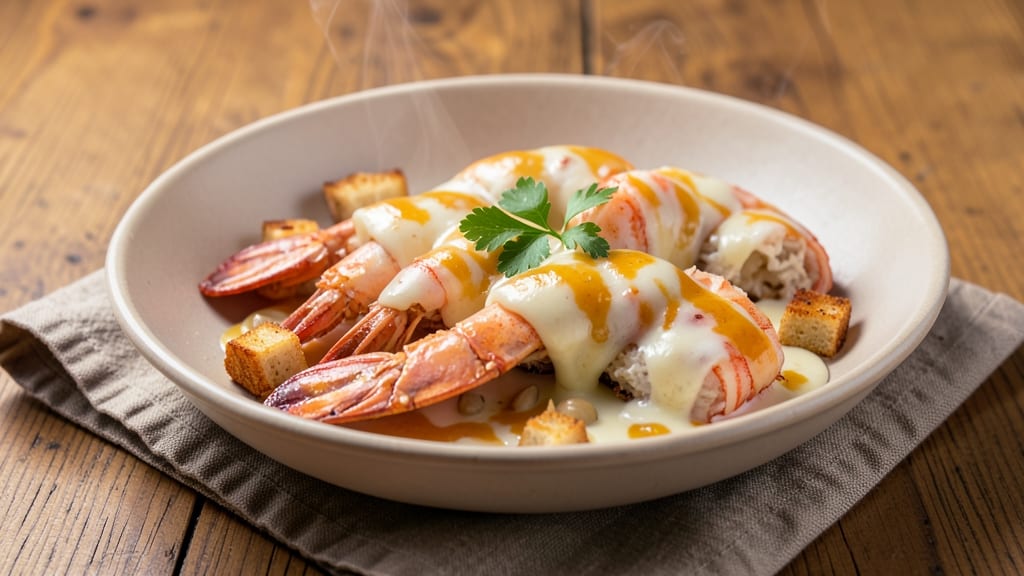
This cheese-stuffed lobster recipe transforms a luxurious appetizer into a showstopper with tender lobster meat wrapped in melted Gruyère and sharp cheddar—every bite delivers buttery richness and a gooey center that melts into perfection.
The secret lies in precise timing: boiling the lobster until just tender, then stuffing it with cheese that melts into a creamy, cohesive filling without overcooking the delicate meat.
I developed this method after years of experimenting with seafood dishes, and it’s now my go-to for impressing guests or treating myself to a restaurant-worthy meal at home.
The beauty of this recipe is its balance of technique and simplicity. You’ll need just a few high-quality ingredients—fresh lobster, a blend of cheeses, and a touch of butter for binding—but the results are anything but basic.
The lobster is boiled until the meat pulls away from the shell effortlessly, then stuffed with a mix of Gruyère and cheddar that melts into a velvety, golden crust when baked.
This isn’t just another appetizer; it’s a dish that commands attention, with a texture that’s crisp on the outside and decadently soft on the inside.
What makes this recipe truly special is the way the flavors and textures come together. The cheese doesn’t just melt—it caramelizes slightly, creating a rich, nutty depth that pairs perfectly with the sweet, briny lobster.
Serve it with a side of garlic bread to soak up any lingering cheese sauce or a simple arugula salad to cut through the richness.
Each bite is a harmony of buttery, cheesy indulgence and delicate seafood, making it ideal for special occasions or when you want to elevate your appetizer game.
Ready in under 30 minutes and perfect for feeding two to four, this recipe delivers restaurant-quality results without the fuss. Whether you’re grilling, baking, or boiling your lobster, the key is patience—letting the cheese melt slowly ensures every bite is creamy and cohesive. Let’s get cooking!
Ingredients for cheese lobster
Fresh lobster and premium cheeses form the heart of this decadent appetizer. Simple yet luxurious ingredients deliver restaurant-quality results.
| Ingredient | Amount | Notes |
|---|---|---|
| Live Lobster Tails 🦞 | 2 whole | 1.5-2 lbs each, shell-on preferred |
| Gruyère Cheese 🧀 | ¾ cup | Freshly grated, aged 12+ months |
| Sharp White Cheddar Cheese 🧀 | ½ cup | Block form, freshly grated |
| Unsalted Butter 🧈 | ¼ cup | Cold, cut into small cubes |
| Heavy Cream 🥛 | ¼ cup | Room temperature for blending |
| Garlic Cloves 🧄 | 2 cloves | Minced, for cheese mixture |
| Lemon Juice 🍋 | 1 tbsp | Freshly squeezed, for brightness |
| Salt 🧂 | 1 tsp | Kosher or sea salt, fine grain |
| Black Pepper 🌶️ | ½ tsp | Freshly ground, cracked |
| Panko Breadcrumbs 🍞 | ¼ cup | For golden crust texture |
| Fresh Parsley 🌿 | ¼ cup | Chopped, for garnish |
| Water 💧 | 4 cups | For boiling lobster |
| Kitchen Twine 🧵 | 1 piece | For securing lobster |
The lobster is the foundation—live tails from a reputable seafood market ensure peak freshness. Look for tails with vibrant shells and firm meat that springs back when pressed. Whole Foods or local fishmongers typically carry the best quality, though high-end grocery stores like Trader Joe's often have frozen options that work well. For the cheeses, Gruyère from Switzerland and sharp white cheddar from Vermont create the perfect balance of nutty depth and tangy sharpness. Pre-shredded cheeses lack the moisture and melt needed for this recipe—always grate your own from a block. The butter should be European-style, 82% fat minimum for optimal richness, and the heavy cream must be full-fat to prevent separation during baking.
No Gruyère? Comté or Emmental work as substitutes, though the flavor profile will differ slightly. Short on cheddar? Parmigiano-Reggiano adds umami depth at half the quantity. For a dairy-free option, nutritional yeast blended with olive oil mimics some of the cheesy texture, though the flavor won't be identical. The butter can be substituted with ghee for a dairy-free option, but it lacks the same binding properties. If you're using frozen lobster, thaw it overnight in the refrigerator—never at room temperature. The lemon juice can be omitted if you prefer a richer, less acidic profile, but it brightens the cheese and balances the richness beautifully. For the garlic, roasted garlic paste adds sweetness without the sharp bite.
Fresh lobster tails should be cooked within 24 hours of purchase for best texture. Store them in the refrigerator, wrapped in damp paper towels, until ready to use. The cheese mixture can be prepared up to 1 day ahead and stored in an airtight container—just bring it to room temperature before stuffing. Leftover stuffed lobster reheats beautifully in a 350°F oven for 8-10 minutes, though the texture won't be as crisp. For a special touch, garnish with edible gold leaf or microgreens right before serving. The dish is best enjoyed immediately, but any leftovers keep for 2 days in the refrigerator, though the texture will soften slightly.
Why You'll Love This Recipe
- I’ll be real: most lobster recipes leave you with sad, rubbery leftovers. Not this one. The cheese keeps the tails moist, and the sauce reheats like it was just made—perfect for lunch the next day.
- Two-Ingredient Magic: The Gruyère and cheddar melt into this lobster tail like a dream—no fancy knife skills or chopping required. Just slice, stuff, and broil until that golden cheese crust forms.
- Weeknight Luxury: Between us, this is the only way I justify buying lobster tails for dinner. The buttery cream sauce and tender meat feel fancy, but I’m done cooking in 25 minutes—no stress, just satisfaction.
- Leftovers That Don’t Suck: I’ll be real: most lobster recipes leave you with sad, rubbery leftovers. Not this one. The cheese keeps the tails moist, and the sauce reheats like it was just made—perfect for lunch the next day.
Step-by-step instructions for cheese-stuffed lobster recipe
Here's how to create restaurant-quality stuffed lobster with a buttery crust and melty cheese center.
Prepare the Cheese Filling
In a small saucepan, melt the 0.25 cup unsalted butter over low heat until completely liquid. Remove from heat and stir in the 0.75 cup Gruyère cheese and 0.5 cup sharp white cheddar cheese until fully melted and smooth. The mixture should be creamy with no visible cheese chunks.
In a separate bowl, combine the 0.25 cup heavy cream, 2 cloves minced garlic, 1 tbsp lemon juice, 1 tsp salt, and 0.5 tsp black pepper. Slowly whisk this mixture into the melted cheese until fully incorporated. The filling should be thick but still pourable. Cover and set aside while you prepare the lobster.
Cook the Lobster Tails
Bring 4 cups water to a rolling boil in a large pot. While waiting, use the kitchen twine to secure the shell of each live lobster tail closed, tying it tightly at the top. This prevents the filling from leaking during cooking.
Carefully add the lobster tails to the boiling water and cook for 4-5 minutes until the shells turn bright red and the meat is just cooked through. You'll know it's done when the meat releases easily from the shell. Immediately drain and let cool for 2 minutes before stuffing.
Stuff and Bread the Lobster
Using a small knife, carefully cut a 1-inch deep pocket along the top of each lobster tail, being careful not to cut through the bottom. Spoon the cheese mixture evenly into each pocket, pressing down gently to fill completely. The filling should be visible through the cut but not overflowing.
Roll each stuffed lobster tail in the 0.25 cup panko breadcrumbs, pressing gently to adhere. Place them on a parchment-lined baking sheet and refrigerate for 15 minutes to help the breading set. This step ensures a crispy exterior that won't fall off during baking.
Bake to Golden Perfection
Preheat your oven to 400°F. Bake the stuffed lobster tails for 8-10 minutes until the breading is deep golden brown and the cheese is fully melted. The internal temperature should reach 145°F when measured at the thickest part of the meat.
Remove from the oven and let rest for 2 minutes before serving. Garnish each with 0.25 cup chopped fresh parsley just before plating. The lobster should have a crispy, buttery crust with a molten cheese center that oozes slightly when cut.
Serve Immediately
Use a sharp knife to carefully cut through the shell and lift the lobster meat onto serving plates. The cheese filling should be gooey and stretchy, with visible pockets of melted Gruyère and cheddar. Serve with lemon wedges on the side for squeezing over the top.
This dish works best when served immediately while the crust is still crisp and the cheese remains molten. The buttery breading pairs perfectly with the sweet, tender lobster meat and rich cheese filling, creating a luxurious seafood experience.
Pro Tips For Making Cheese Lobster
- Split Tails Properly: Use kitchen shears or a sharp knife to cut lobster tails lengthwise—stopping just before the shell meets the tail meat. This keeps the filling from spilling out when you flip, and the shell stays intact for presentation. I learned this the hard way after watching cheese ooze everywhere like a melted mess.
- Melt Cheese Slowly: Start with the Gruyère in the butter over medium-low heat until it’s just melted and smooth, then add the cheddar. High heat turns cheese into glue—it’ll clump and look unappetizing. My grandmother swore by this, and she was right: patience here means creamy perfection.
- Don’t Overfill the Cavity: Pack the cheese mixture loosely into the tails—about 2/3 full. Too much pressure = cheese squishing out when you flip, and you’ll end up with a sad, uneven crust. Think of it like stuffing a sausage: firm but not stuffed.
- Broil, Then Baste: Broil the tails for 2-3 minutes to get a golden crust, then pull them out and spoon the heavy cream-butter mixture over the top. The broiler sets the crust, while basting keeps the cheese from drying out. Sounds weird, but it works—your future self will thank you.
Wine and beer pairings for cheese lobster
Crisp White Wine
A Chardonnay with 12-14% alcohol and noticeable oak notes is my top choice for this dish. Look for a California Chardonnay like Kendall-Jackson Vintner's Reserve—its buttery richness mirrors the cheese's decadence while the acidity cuts through the lobster's richness.
The slight oakiness complements the caramelized cheese crust beautifully. Serve slightly chilled (48-50°F) to enhance the wine's crispness and balance the dish's richness. 🍷
Light Red Options
If you prefer red, a Pinot Noir from Oregon or California offers an elegant pairing. I recommend La Crema Sonoma Coast Pinot Noir—its bright acidity and red fruit notes harmonize with the lobster's sweetness while the cheese's nuttiness adds complexity.
Avoid heavy, tannic reds like Cabernet Sauvignon, as they'll clash with the delicate seafood. Decant for 15-20 minutes before serving to soften any remaining tannins. 🍇
Sparkling Pairing
A dry sparkling wine like La Crema Brut or Gruet Brut adds a celebratory touch while cleansing the palate between bites. The effervescence cuts through the richness, and the crisp acidity balances the buttery cheese and lobster.
Serve at 45-48°F—too warm and the bubbles will dissipate too quickly. This is my go-to for special occasions when I want to elevate the dish further. ✨
Beer Recommendations
For beer lovers, a Belgian witbier like Hoegaarden or Stella Artois works surprisingly well. The citrusy coriander notes and light body complement the lemon in the cheese filling without overpowering the lobster.
Alternatively, a light lager such as Heineken provides a crisp, clean contrast to the richness. Avoid heavy stouts or IPAs—they'll dominate the dish's delicate flavors. 🍺
Non-Alcoholic Options
For a refreshing non-alcoholic choice, try a sparkling grapefruit soda like Jarritos Grapefruit or a cucumber-mint infused water. The tartness of grapefruit enhances the cheese's nuttiness, while the mint in infused water balances the dish's richness.
For something warmer, a chilled hibiscus tea with a splash of lime adds a floral note that pairs beautifully with the lobster's sweetness. 💧
Nutrition facts
Frequently asked questions
What's the best way to keep the cheese from leaking out of the lobster?
Secure the lobster tails with kitchen twine before boiling to prevent the shell from opening. After stuffing, chill the lobster for 15 minutes before baking—this helps the cheese set slightly and reduces leakage. Use a sharp knife to make a deep but narrow pocket for the filling to minimize gaps.
Can I use frozen lobster instead of fresh?
Yes, but thaw it overnight in the refrigerator—never at room temperature. Frozen lobster works well, but fresh is preferred for optimal texture. If using frozen, pat the meat dry thoroughly before stuffing to help the breading adhere better. The cooking time remains the same.
How do I know when the lobster is fully cooked?
The lobster is done when the shells turn bright red and the meat releases easily from the shell with a fork. For stuffed lobster, the internal temperature should reach 145°F at the thickest part. Overcooking turns the meat tough—aim for just 4-5 minutes in boiling water.
What cheese substitutes work best if I don't have Gruyère?
Try Comté or Emmental for a similar nutty flavor. For a sharper option, use Parmigiano-Reggiano (½ the amount) or white cheddar blended with mozzarella for creaminess. Avoid pre-shredded cheeses—they contain anti-caking agents that prevent proper melting.
Can I make this ahead of time?
Prepare the cheese filling up to 1 day ahead and store it in an airtight container. For the lobster, stuff and bread it, then refrigerate for up to 4 hours before baking. Reheat in a 350°F oven for 8-10 minutes—the crust won't be as crisp, but the cheese will still be creamy.