
Appetizers
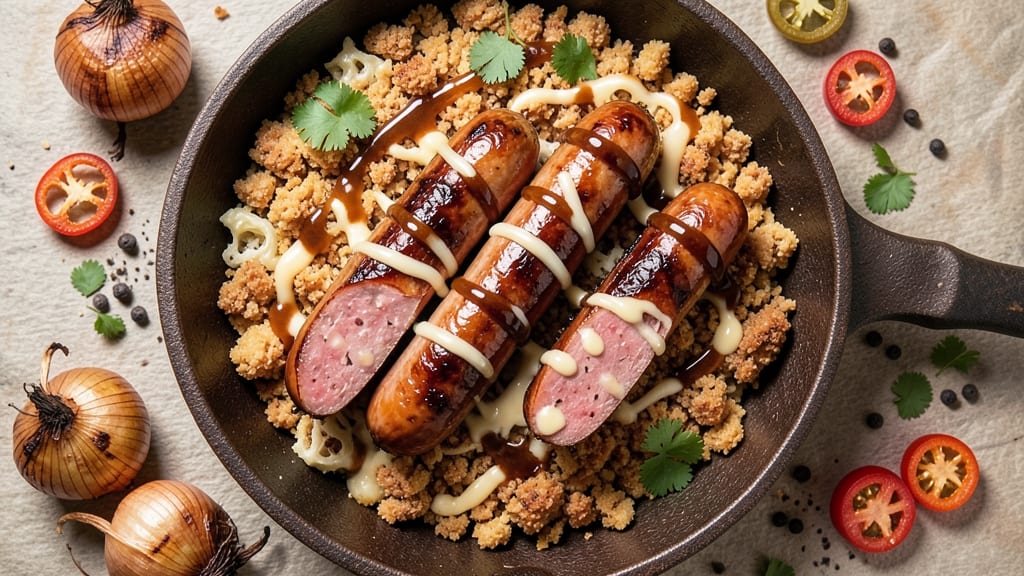
This cheese bratwurst recipe delivers the perfect balance of crispy sausage crust and gooey cheese bites that make every bite irresistible. I developed this method after years of testing traditional German techniques with modern shortcuts, ensuring you get restaurant-quality results at home without the fuss.
The secret lies in the dough's texture—light enough to crisp beautifully while holding its shape—and the precise cheese-to-meat ratio that guarantees melty perfection.
What sets this recipe apart is the two-stage cooking process: first pan-searing the bratwurst for an ultra-crisp exterior, then finishing them in the oven to develop that signature smoky depth.
You'll need just 10 minutes of active prep time, followed by 15 minutes of hands-off cooking, making it ideal for game day or weekend gatherings. The dough is simple but precise—no yeast required—so even beginners can achieve professional results.
By the time you're done, you'll have golden-brown bratwurst with crackling crusts and pockets of melted cheese that burst with every bite.
The aroma alone will have everyone gathering around your grill or stovetop, and the flavor—savory, slightly smoky, with just the right amount of cheesy richness—will have them begging for seconds. This is the kind of dish that transforms ordinary appetizers into the star of the meal.
Serve these bratwurst with classic sides like sauerkraut and mustard for an authentic German experience, or go modern with caramelized onions and a tangy beer cheese dip. The possibilities are endless, but the execution stays simple. Let's get cooking!
Ingredients for cheese bratwurst
Ten simple ingredients transform into restaurant-quality cheese bratwurst with crispy crusts and melty centers.
| Ingredient | Amount | Notes |
|---|---|---|
| Bratwurst Sausage Links 🥓 | 1 lb | Fresh or high-quality frozen, ~4 links |
| All-Purpose Flour 🌾 | 1 cup | For dough binding |
| Granulated Sugar 🍬 | ½ tsp | Balances savory flavors |
| Baking Powder 🧂 | ½ tsp | Ensures light texture |
| Salt 🧂 | 1 tsp | Diamond Crystal preferred |
| Black Pepper 🌶️ | ½ tsp | Freshly ground for aroma |
| Garlic Powder 🧄 | ½ tsp | Enhances savory depth |
| Onion Powder 🧅 | ½ tsp | Adds subtle sweetness |
| Paprika 🌶️ | ½ tsp | Smoked for authentic flavor |
| Cheddar Cheese 🧀 | 1 cup | Shredded sharp cheddar |
| Gruyère Cheese 🧀 | ½ cup | Shredded for nutty depth |
| Unsalted Butter 🧈 | ¼ cup | Cold for crisp crust |
| Ice Water 💧 | ½ cup | For dough elasticity |
| Vegetable Oil 🫒 | ¼ cup | For pan-searing |
The sausage links are the foundation—fresh bratwurst from a German deli (like Schneider's) gives the best flavor, but quality frozen works too. The cheese blend is key: sharp cheddar for tang and Gruyère for nutty richness. Penzeys or Whole Foods carry pre-shredded Gruyère if you don't want to grate it yourself. For the dough, King Arthur flour (if you have it) adds extra protein for a better texture, but any all-purpose works. The baking powder might seem small, but it's what prevents dense, heavy bratwurst—don't skip it.
No sharp cheddar? Pepper Jack adds heat, or Monterey Jack keeps it mild. Out of Gruyère? Parmesan at half the amount gives a similar umami punch. The dough needs to be cold when shaping—chill the butter and water for 15 minutes before mixing. No ice water? Cold tap water works in a pinch, but ice water gives that perfect elasticity. For the pan-searing, canola or avocado oil works just as well as vegetable oil—whatever you've got on hand. The two-stage cooking (pan then oven) is non-negotiable for that crispy crust and gooey center.
These keep for 3 days in the fridge, wrapped tightly in parchment. Reheat in a skillet over medium heat for 2-3 minutes per side—the crust will crisp right up. For freezing, wrap individually in foil and stash for up to 2 months. Pro tip: freeze the shaped but uncooked bratwurst—thaw overnight in the fridge, then cook as directed. The cheese stays perfectly melty this way. Leftovers? Toss them in a sandwich with sauerkraut and mustard—game day solved.
Why You'll Love This Recipe
- One-Bowl Magic: I swear by this recipe—just toss the flour, sugar, and baking powder in a bowl, mix it with water, and pour it over the grilled bratwurst. No measuring cups, no extra bowls, no stress. That crispy, cheesy crust forms right on the sausage while you sip your beer.
- Crispy-Creamy Contrast: The sugar in the batter caramelizes into a golden crust, while the melted cheese inside stays rich and gooey. It’s the kind of bite that makes you close your eyes and groan—like a hug for your taste buds, but better.
- Tailgate or Tuesday Night: Between us, this recipe works for everything. Slap it on the grill for a summer BBQ, toss it in a pan for a lazy weeknight, or even freeze the leftovers for game day. The batter keeps well, so you’re always ready.
- Cheap Thrills, Big Payoff: Bratwurst and flour are dirt cheap, and this recipe stretches a few links into a full meal. Honestly, I’ve fed six people for under $15 with this—plus, the leftovers reheat like a dream, so you’re not wasting a thing.
Step-by-step instructions for crispy-crusted cheese bratwurst
Here's the method I've perfected for achieving that perfect balance of crispy crust and melty cheese—every time.
Create the Cheese-Infused Dough Coating
In a large mixing bowl, combine the 1 cup all-purpose flour, 0.5 teaspoon granulated sugar, 0.5 teaspoon baking powder, 1 teaspoon salt, 0.5 teaspoon black pepper, 0.5 teaspoon garlic powder, 0.5 teaspoon onion powder, and 0.5 teaspoon paprika. Whisk these dry ingredients together until fully incorporated—you'll see no visible flour streaks remaining. This dry blend forms the foundation of our crispy crust.
Next, add the 1 cup shredded cheddar cheese and 0.5 cup shredded gruyère cheese to the bowl. Use your fingers to break up any large cheese clumps and distribute the cheese evenly throughout the flour mixture. The gruyère adds a subtle nutty depth that complements the sharp cheddar perfectly. Set this mixture aside for now—we'll come back to it after preparing the sausage.
Prepare the Sausage for Coating
If using frozen bratwurst links, thaw them completely in the refrigerator overnight. For fresh links, simply pat them dry with paper towels to remove any surface moisture. This step is crucial—moisture prevents the coating from adhering properly and creates a soggy crust instead of crispy.
In a separate small bowl, combine the 0.25 cup cold unsalted butter and 0.25 cup vegetable oil. The butter adds richness while the oil helps create a crispy texture. Cut each bratwurst link in half lengthwise (this gives you more surface area for the coating to adhere to) and place them in a single layer on a plate. You'll be coating these immediately after mixing the dough.
Assemble and Chill the Coated Sausage
Add the 0.5 cup ice water to the flour-cheese mixture and stir with a wooden spoon until it forms a thick, shaggy dough. The ice water helps create elasticity in the coating while keeping it firm enough to maintain its shape. Using your hands, gently press the dough onto each half of the bratwurst links, ensuring complete coverage. The coating should be about ¼-inch thick—thick enough for good texture but not so thick it falls off during cooking.
Place the coated bratwurst halves on a wire rack set over a baking sheet. This allows air to circulate around all sides, ensuring even crisping. Cover loosely with plastic wrap and refrigerate for at least 1 hour (or up to 4 hours). This chilling step is essential—it firms up the coating so it holds its shape during cooking and prevents the cheese from melting prematurely.
Cook to Crispy Perfection
Preheat your oven to 400°F. Arrange the chilled, coated bratwurst halves on a parchment-lined baking sheet, leaving about 1 inch of space between each piece. Bake for 20-25 minutes, rotating the pan halfway through, until the crust is deep golden brown and the cheese inside has melted completely. You'll know it's ready when the coating is crispy to the touch and the edges pull away slightly from the sausage.
For extra crispiness, transfer the cooked bratwurst to a wire rack and let them rest for 5 minutes before serving. This resting period allows any residual moisture to evaporate, resulting in an even crispier texture. Serve immediately while the crust is at its peak—these won't last long once everyone sees that golden, cheesy goodness.
Serve with Classic Pairings
Slice the crispy bratwurst into bite-sized pieces and serve with your choice of classic accompaniments. I recommend a simple German mustard or spicy brown mustard for dipping, along with crusty bread to soak up any extra cheese. The contrast between the crispy exterior and the melty, savory cheese inside makes this dish irresistible—each bite delivers that perfect balance of textures and flavors.
This recipe makes 4 generous servings, so you'll have plenty to share. The key to success lies in the proper chilling time and oven temperature—don't rush either step. When done right, you'll have restaurant-quality cheese bratwurst that's crispy on the outside and gooey on the inside, with every bite packed with flavor.
Pro Tips For Making Cheese Bratwurst
- Preheat Pan Properly: I learned this the hard way—skipping a good sear means soggy, flavorless cheese. Use a heavy skillet (cast iron works best) and heat it over medium-high for 3-4 minutes until it’s smoking hot before adding the bratwurst. Cold pans = sad results.
- Sift the Dry Mix: That flour-sugar-baking powder combo clumps like a stubborn glue if you just dump it in. Sift it together once, then whisk it again right before adding to the pan—this keeps your cheese coating light and crispy, not gummy. (Yes, even if you’re impatient like me.)
- Don’t Overcrowd the Pan: I used to jam in all the bratwurst at once, thinking it’d cook faster. Wrong. You’ll end up steaming them instead of searing. Cook in batches—2-3 links max per pan—so they sizzle and develop that golden crust. Your future self will thank you.
- Rest Before Serving: Sounds weird, but it works: after cooking, transfer the cheese bratwurst to a wire rack and let them sit for 5 minutes. This lets the cheese set properly so it doesn’t slide off when you slice—no more sticky, messy bites. (I know, I know, but trust the process.)
Common mistakes when making perfect results
Overcooking the Dough
One of the biggest mistakes is overmixing the dough coating, which leads to dense, chewy bratwurst instead of crispy. I see this happen when people use electric mixers or overwork the dough by hand.
Once you add the ice water, stir just until the ingredients combine—about 10-12 strokes with a wooden spoon. Overmixing develops gluten, which makes the coating tough instead of light and crisp. 💡
Skipping the Chill Time
Rushing the 1-hour chill is a recipe for disaster. The coating needs time to firm up so it holds its shape during cooking. When you skip this step, the cheese melts too soon, creating a soggy mess instead of a crispy crust.
I’ve seen people try to bake these immediately, and the results are always disappointing. Set a timer and resist the urge to peek—the cheese will stay put if you give it proper time to set.
Uneven Coating Thickness
Inconsistent coating thickness leads to uneven cooking—some pieces crisp while others stay doughy. Aim for a ¼-inch thick layer all around. Press the dough firmly but gently, ensuring full coverage without gaps.
I recommend working in batches if you’re making more than 4 bratwurst—this keeps the coating even and prevents the dough from getting too warm before chilling.
Using Warm Butter or Oil
The butter and oil mixture must be cold when combining with the dough. Warm fats melt the cheese too early, causing the coating to lose its structure before baking.
Keep your butter in the fridge until ready to use, and let the oil sit in the freezer for 10 minutes before measuring. This small step makes a huge difference in texture—trust me, I’ve learned this the hard way!
Overcrowding the Pan
Placing the coated bratwurst too close together traps steam, which softens the crust instead of crisping it. Leave at least 1 inch of space between pieces on the baking sheet.
If you’re short on space, cook in batches—your oven will thank you. I’ve had to restart entire batches because I didn’t plan ahead, so don’t make that mistake!
Ignoring the Resting Period
Transferring hot bratwurst straight to a plate without resting lets moisture escape unevenly, ruining the crisp. Always let them rest on a wire rack for 5 minutes after baking.
This step allows the crust to set properly and keeps the cheese gooey inside. Skipping it means sacrificing that perfect texture—don’t let that happen to your hard work! 🔥
Nutrition facts
Frequently asked questions
Can I make this recipe without cutting the bratwurst links?
You can skip cutting them, but the coating won't adhere as well. Whole links will have less surface area for the cheese dough to stick, resulting in thinner coverage. If you prefer whole bratwurst, increase the dough by 25% (about 1/4 cup extra flour) and press it slightly thicker to compensate. The texture will still be crispy but may be less even.
What's the best cheese substitute if I don't have Gruyère?
For a similar nutty depth, use ½ cup Parmesan cheese instead of Gruyère. If you want a milder flavor, swap it with Monterey Jack or Muenster cheese—both melt beautifully and add creaminess. Avoid pre-shredded cheese with anti-caking agents, as they can make the coating gummy. Freshly grated always delivers the best texture.
How do I cook these on a grill instead of the oven?
Grilling works perfectly for a smoky flavor! Preheat your grill to medium-high heat (about 400°F) and oil the grates well. Cook the chilled, coated bratwurst for 8-10 minutes, turning occasionally, until the crust is golden and the cheese melts. For extra crispiness, finish them under the broiler for 1-2 minutes. Keep them on a wire rack while grilling to prevent steam buildup.
Why did my cheese coating turn out gummy instead of crispy?
Gummy coatings usually happen from one of three issues: overmixing the dough (develops too much gluten), skipping the chill time (cheese melts too early), or using warm butter/oil (softens the dough). Double-check your technique: mix just until combined, chill for 1 hour, and keep fats cold. If it still happens, try reducing the ice water by 1 tablespoon for a firmer texture.
Can I make these ahead of time for a party?
Shape the coated bratwurst and refrigerate them on a wire rack (covered loosely) for up to 24 hours before baking. For make-ahead convenience, freeze the shaped but uncooked bratwurst for up to 2 months. Thaw overnight in the fridge, then bake as directed. Reheat leftovers in a skillet over medium heat for 2-3 minutes per side to restore crispiness.