
Appetizers
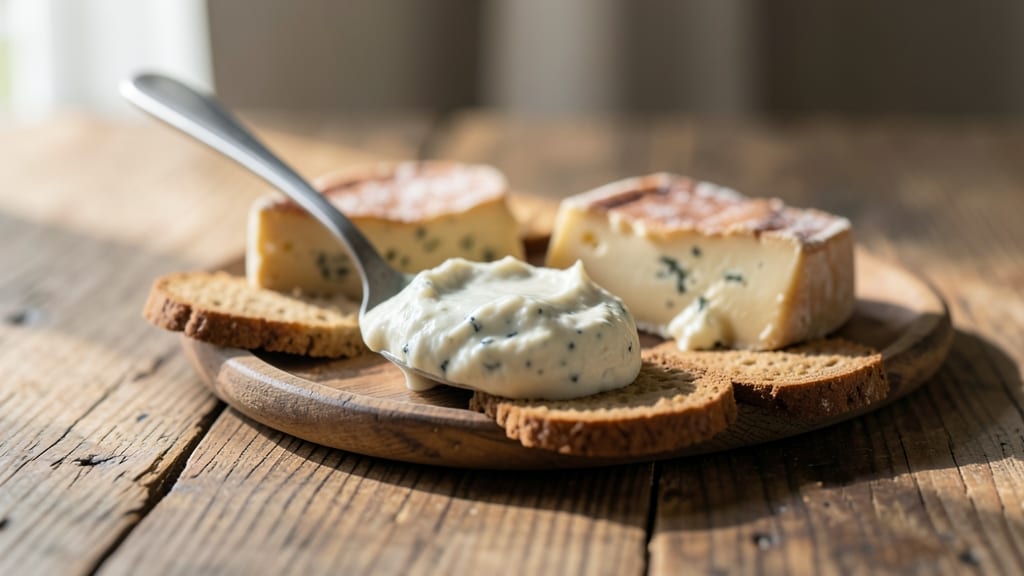
A well-crafted cheese board recipe transforms simple ingredients into a sophisticated centerpiece that elevates any gathering. This charcuterie masterpiece balances textures, flavors, and presentation to create an experience that feels both traditional and modern.
The key lies in selecting cheeses with distinct characteristics—creamy brie, nutty aged cheddar, and tangy goat cheese—paired with complementary accompaniments that enhance rather than compete.
What sets this recipe apart is the thoughtful arrangement that makes every bite feel intentional. You'll learn how to layer cheeses by texture and intensity, pair them with cured meats, fresh fruits, and artisanal crackers, and arrange everything on a board in a way that's visually stunning yet effortlessly approachable.
The presentation isn't just about aesthetics—it's about creating a progression of flavors that guides your guests through a tasting journey.
Temperature control is critical: softer cheeses should be served slightly warm, while harder varieties shine at room temperature. The right beverages—whether crisp white wine, bold red, or even craft beer—complete the experience by cutting through rich dairy flavors.
This isn't just a cheese board; it's a curated culinary presentation that turns a simple appetizer into a memorable event.
Whether you're hosting a holiday party or a casual weekend gathering, this recipe delivers restaurant-quality results with minimal stress. The secret is in the balance: equal parts artistry and simplicity. Let's build a board that impresses without requiring culinary expertise—just thoughtful selection and confident presentation.
Ingredients for cheese board
Elevate your gathering with these carefully curated ingredients designed for a charcuterie masterpiece.
| Ingredient | Amount | Notes |
|---|---|---|
| Brie Cheese 🧀 | 8 oz | Room temperature, rind removed |
| Aged Cheddar Cheese 🧀 | 8 oz | Extra sharp, cut into wedges |
| Goat Cheese 🧀 | 6 oz | Fresh, log or crumbled |
| Prosciutto di Parma 🥓 | 6 oz | Thinly sliced, room temperature |
| Gorgonzola Dolce 🧀 | 4 oz | Creamy variety, crumbled |
| Water Crackers 🍞 | 2 cups | Assorted shapes, artisanal preferred |
| Marcona Almonds 🥜 | ½ cup | Toasted, lightly salted |
| Honeycomb 🍯 | ¼ cup | Local raw honey preferred |
| Fresh Black Grapes 🍇 | 1 lb | Seedless, red or black |
| Fig Jam 🍇 | ¼ cup | High-quality, artisanal |
| Dark Chocolate 🍫 | 4 oz | 70% cacao, chopped |
| Rosemary Sprigs 🌿 | 4 whole | Fresh, for garnish |
| Extra-Virgin Olive Oil 🫒 | ¼ cup | For drizzling, fruity variety |
| Dry Red Wine 🍷 | 1 bottle | Cabernet Sauvignon preferred |
| Crisp White Wine 🍷 | 1 bottle | Sauvignon Blanc preferred |
The cheese selection is foundational to your board's success. Whole Foods Market and local artisan shops offer exceptional options—look for brie with a buttery aroma and cheddar with visible crystalline texture. Goat cheese should be firm yet creamy, while gorgonzola must be vibrant blue without grayish mold. For cured meats, D'Este or La Quercia brands deliver restaurant-quality prosciutto. Temperature control is critical: softer cheeses should sit at room temperature for 30-45 minutes before serving, while harder varieties can be arranged directly from the fridge.
Substitutions should maintain flavor balance. No aged cheddar? Parmigiano-Reggiano or Pecorino Romano offer nutty depth. Goat cheese unavailable? Fresh mozzarella provides a milder alternative. For honey, local raw varieties add complexity, but any high-quality honey works. The fig jam can be swapped for blackberry or raspberry preserves, though fig's sweet-tart profile complements the board best. Dark chocolate should be at least 65% cacao—Valrhona or Lindt excel in this category. The wines are optional but highly recommended; their acidity cuts through rich dairy flavors beautifully.
Presentation begins with temperature: arrange softer cheeses on one side of the board and harder varieties on the opposite side. Use the olive oil to create a glossy finish on cheeses that need it, and drizzle lightly over crackers. Fresh rosemary sprigs add an aromatic element that elevates the visual appeal. Store any unused cheeses properly: wrap in parchment paper for 3-5 days in the fridge, or freeze for up to 3 months. Cured meats keep 1 week refrigerated, while fruits and nuts should be consumed within 2 days for optimal freshness. The board itself can be assembled 1 hour before serving—cheeses develop their best flavors at room temperature.
Why You'll Love This Recipe
- No-Cook Assembly: I swear by this—just arrange the Brie, aged cheddar, and goat cheese on a board, wrap the prosciutto around the Gorgonzola, and call it done. Zero knife skills required, just pure grazing satisfaction.
- Flavor Party: That creamy Brie melting against the sharp bite of aged chedddar? Chef’s kiss. The salty prosciutto cuts through the tangy Gorgonzola like a dream—every bite feels like a little taste adventure.
- Weeknight Hero: Honestly, this is my go-to when I’m too tired to cook. It’s fancy enough for guests but takes less time than boiling water. (Yes, even on a Tuesday night.)
- Leftovers? More Like Leftovers: Between us, this board lasts forever—I’ve had it for days in the fridge, and the cheeses only get better. The prosciutto keeps crisp, the Gorgonzola mellows, and I’m still snacking on it by Friday. Budget win.
Step-by-step assembly for a charcuterie masterpiece
Transform your ingredients into an elegant spread with strategic layering and flavor balance.
Prepare the Cheese Components
Begin by portioning all cheeses into individual serving dishes to maintain their distinct textures. The 8 ounces of Brie cheese should be placed on a small plate, its creamy center exposed but still intact. For the 8 ounces of aged cheddar cheese, cut into uniform wedges to ensure consistent flavor distribution across the board. The 6 ounces of goat cheese can be served in its original log or crumbled over crackers for texture contrast.
Crumble the 4 ounces of Gorgonzola Dolce into a small bowl and set aside. This cheese's creamy texture pairs beautifully with the sharper cheddar and the rich brie. Remember to keep all cheeses at room temperature for at least 30 minutes before assembly to ensure optimal flavor and texture. This simple preparation step prevents any cold, rubbery textures that can ruin the experience.
Arrange the Crunch and Sweet Elements
Spread the 2 cups of water crackers across the board in an even layer, creating a neutral base that won't overpower the flavors. Scatter the 0.5 cup of toasted Marcona almonds and 0.25 cup of honeycomb around the perimeter for visual interest and textural contrast. The almonds add a delicate crunch while the honeycomb provides a natural sweetness that complements the salty cheeses.
Place the 1 pound of fresh black grapes in a small bowl near the center of the board. Their juicy sweetness will balance the richness of the cheeses. Spread the 0.25 cup of fig jam in a small dish using a spoon to create an elegant dollop. The fig jam's intensity pairs beautifully with the goat cheese and prosciutto.
Incorporate the Prosciutto and Chocolate
Arrange the 6 ounces of thinly sliced prosciutto di Parma in loose, overlapping layers across the board. The delicate pink color and salty flavor will elevate the entire presentation. Fold the 4 ounces of dark chocolate into small squares and place them strategically around the board. Their bitterness provides a sophisticated contrast to the creamy cheeses and sweet elements.
Use a small knife to carefully score the chocolate squares into smaller pieces before placing them on the board. This makes them easier to portion and adds to the visual appeal. The dark chocolate's intensity will cut through the richness of the brie and goat cheese, creating a balanced flavor profile.
Final Touches and Garnishing
Drizzle the 0.25 cup of extra-virgin olive oil in an artistic pattern across the board using a squeeze bottle. This adds a final elegant touch and enhances the flavors of the cured meats and cheeses. Place the 4 whole rosemary sprigs at strategic points around the board for a fresh, aromatic garnish that complements the earthy flavors of the cheese and nuts.
Finally, pour the dry red wine and crisp white wine into small decanters or glasses and place them near the board. The red wine pairs beautifully with the aged cheddar and prosciutto, while the white wine complements the goat cheese and honey. These final touches complete the presentation and provide the perfect pairing options for your guests.
Pro Tips For Making Cheese Board
- BRING CHEESES TO ROOM TEMP: I learned this the hard way—cold cheese is like eating a brick. Take Brie, goat cheese, and Gorgonzola out of the fridge 30-45 minutes before serving. Aged cheddar and prosciutto are fine straight from the fridge, but the creamy ones need time to soften and shine. Trust me, your guests will notice the difference.
- SLICE PROSCIUTTO THINLY: Prosciutto di Parma is all about delicate layers. Skip the thick cuts—aim for paper-thin slices, almost translucent. Use a sharp knife and fold the paper backing to protect your fingers. Thick slices turn chewy; thin ones melt in your mouth and pair perfectly with the creamy cheeses.
- SKIP THE GORGONZOLA UNTIL LAST: Gorgonzola Dolce is bold, so don’t overpower the board. Add it in small amounts—maybe a single wedge or a few crumbles—right before serving. Its tang cuts through the richness of Brie and goat cheese, but too much too soon makes the whole spread taste like a cheese bomb.
- PREP GOAT CHEESE LIKE A PRO: Goat cheese is crumbly, so handle it gently. Use a spoon to scoop it into small, neat mounds instead of cutting it with a knife—it’ll stay intact longer. If it’s too firm, let it sit out for 10 minutes first. And for God’s sake, don’t press it like mozzarella; you’ll ruin its texture.
Creative variations of these flavors
Modern Fusion Twist
Elevate your board with unexpected global flavors. Swap traditional crackers for za'atar-spiced flatbreads or rice crackers for a Middle Eastern touch. Replace fig jam with Mango chutney or gochujang honey—Korean chili honey—for heat lovers.
Add pickled vegetables—like kimchi or quick-pickled radishes—to introduce tangy acidity that cuts through rich cheeses. I love pairing blue cheese (like Stilton) with spiced walnuts and dried apricots for a Mediterranean-inspired fusion. 🌶️
Seasonal Swaps
Adjust your board for each season to highlight fresh, local ingredients. In summer, incorporate peaches or nectarines with burrata and prosciutto-wrapped melon. For fall, use roasted pears with Gorgonzola and pecans, plus spiced pear chutney.
Winter calls for dried cranberries and dark chocolate-dipped orange slices alongside aged cheddar. Spring boards shine with strawberries and goat cheese paired with balsamic glaze.
Dietary Adaptations
Create inclusive boards with vegan cheese alternatives like cashew-based brie or almond-based cheddar. Replace prosciutto with marinated tofu or smoked tempeh. For gluten-free guests, use seed crackers or gluten-free flatbread.
I love adding roasted seaweed snacks for a savory crunch. For nut-free boards, swap almonds for pumpkin seeds or sunflower seeds. Always label components clearly for dietary safety. 🌱
Sweet & Savory Balance
Experiment with unconventional sweet elements. Try caramelized onions with blue cheese and dark chocolate crumbles for a sophisticated pairing. Add spiced pecans with bourbon caramel for a Southern-inspired touch. For a smoky flavor, incorporate smoked paprika-dusted crackers with creamy havarti and apricot jam.
The key is contrast—pair rich, salty cheeses with something sweet or tangy to keep flavors dynamic. ✨
Global Charcuterie Styles
Transform your board into a regional experience. For an Italian vibe, add salami and olive tapenade. A French board features duck confit and cornichons. Spanish boards shine with manchego cheese, serrano ham, and marcona almonds.
For a Japanese twist, include umeboshi plums, wasabi peas, and mirin-glazed nuts. Each style offers unique textures and flavors that redefine the classic cheese board. 🗺️
Nutrition facts
Frequently asked questions
How far in advance can I assemble a cheese board?
Assemble your board 1-2 hours before serving to let flavors develop at room temperature. Cheeses taste best when slightly warmed, but avoid assembling more than 4 hours ahead—fruits like grapes will oxidize and nuts may lose crispness. Keep the board at room temperature during gatherings, and refrigerate any leftovers immediately.
What's the best way to store unused cheese board ingredients?
Wrap cheeses tightly in parchment paper and store in the fridge for 3-5 days or freeze for up to 3 months. Cured meats last 1 week refrigerated, while fruits and nuts should be consumed within 2 days. For longer storage, freeze nuts in airtight containers and thaw only what you need. Never refreeze thawed cheeses.
Can I make a cheese board without meat for vegetarians?
Replace prosciutto with marinated artichoke hearts, roasted red peppers, or olive tapenade. Add vegan cheese alternatives like cashew-based brie or almond-based cheddar. Include hummus or avocado slices for creaminess, and keep crackers gluten-free if needed. The board remains balanced and delicious!
How do I prevent my cheese board from looking too messy?
Use small bowls or ramekins to portion cheeses, nuts, and spreads—this creates clean lines while keeping ingredients accessible. Arrange crackers in a neat layer as a base, then scatter toppings intentionally. For a polished look, use a large slate board or wooden tray with defined sections. Drizzle olive oil in artistic patterns rather than randomly.
What wine pairs best with different cheeses on the board?
Start with crisp white wine (Sauvignon Blanc) for goat cheese and honey, while bold red wine (Cabernet Sauvignon) complements aged cheddar and prosciutto. For brie, try Chardonnay or Pinot Noir. Sparkling wine cuts through rich flavors, and rosé bridges sweet and savory elements. Serve wines at 50-55°F for optimal balance.