
Snacks
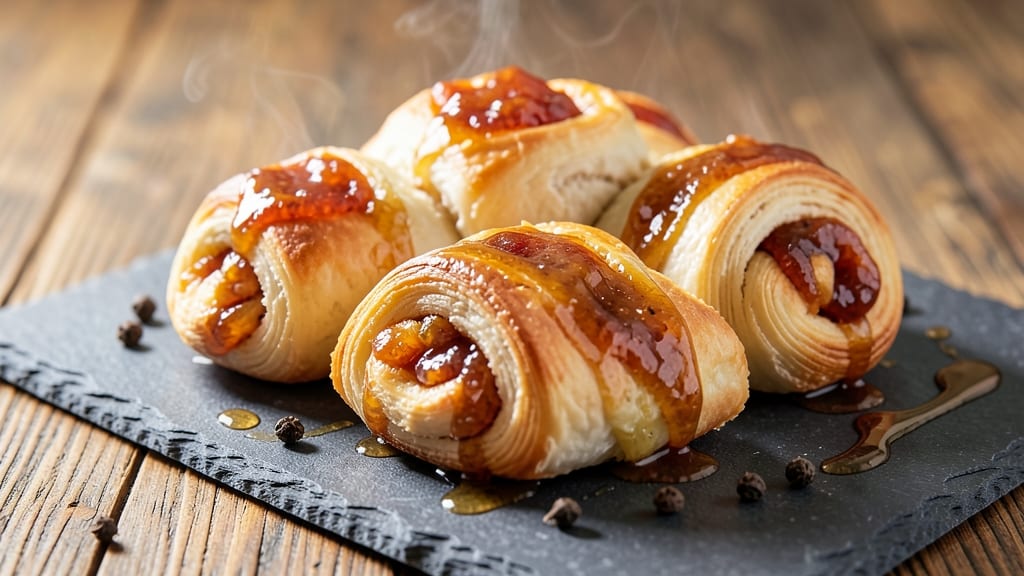
This brie cheese jam crescent roll recipe delivers flaky, golden layers with a gooey brie and fruit jam surprise at every bite—perfect for breakfast gatherings or holiday appetizers. The secret lies in chilled dough that unfolds effortlessly and a precise filling technique that prevents soggy centers.
I’ve perfected this over years of baking, ensuring each roll achieves that signature crispy yet tender texture with a jammy center that melts into creamy brie.
What sets these apart is the foolproof method for combining brie and jam without overfilling, which guarantees clean, even rolls that bake to a golden brown finish.
The dough rests overnight for maximum flavor development, while the filling assembly uses a simple layering trick to distribute the jam and cheese evenly. This isn’t just another pastry—it’s a restaurant-worthy treat that’s surprisingly simple to make at home.
By the time they emerge from the oven, your crescent rolls will have crispy edges, a flaky interior, and pockets of warm brie stretching into sweet jam—each bite a perfect balance of textures and flavors.
The aroma alone will have everyone gathering around the table. Ready to impress? Let’s get baking.
These rolls work equally well for breakfast, brunch, or holiday appetizers, and they freeze beautifully for last-minute entertaining. The key is patience—chilling the dough and filling carefully ensures flaky layers every time. Once you try this recipe, you’ll never buy store-bought again.
Ingredients for brie cheese jam crescent roll
Twelve essential ingredients transform into restaurant-quality brie jam crescent rolls with signature flaky layers.
| Ingredient | Amount | Notes |
|---|---|---|
| Unsalted Butter 🧈 | 1 cup | Cold, cut into small cubes |
| All-Purpose Flour 🌾 | 4 cups | Plus 2 tbsp for dusting |
| Granulated Sugar 🍚 | ¼ cup | For dough enrichment |
| Large Eggs 🥚 | 1 whole | Cold, for laminated dough |
| Instant Yeast 🍞 | ¼ tsp | Freshly opened for activation |
| Diamond Crystal Kosher Salt 🧂 | ½ tsp | Fine grain preferred |
| Brie Cheese 🧀 | 8 oz | Ripe, rind removed, cubed |
| Raspberry Jam 🍓 | ½ cup | Seedless, room temperature |
| Heavy Cream 🥛 | ¼ cup | Cold, for brushing |
| Coarse Sugar 🍚 | 2 tbsp | For topping |
| Cornstarch 🍚 | 1 tbsp | For dusting work surface |
| Fresh Thyme Leaves 🌿 | 2 tsp | Chopped, for garnish |
The foundation begins with high-fat unsalted butter—European-style brands like Plugrá or Kerrygold yield superior flakiness due to their higher fat content. Chill all butter components thoroughly before incorporating to prevent gluten development. King Arthur Flour or Bread Flour produces a more elastic dough, but all-purpose works for this recipe. The Diamond Crystal kosher salt is crucial—it dissolves completely, unlike table salt, ensuring even flavor distribution. For the brie, select a ripe, creamy variety with minimal rind; Brie de Meaux or Brie de Melun deliver the most luxurious melt. Store-bought brie often contains preservatives that can alter texture—opt for specialty cheese counters at Whole Foods or Wegmans for the best quality.
Substitutions require precision to maintain texture integrity. European-style butter can be replaced with cultured butter (like Land O'Lakes Cultured), though the flavor will differ slightly. For the jam, seedless raspberry preserves work best, but blackberry or apricot jam can be used—just adjust sweetness by adding a pinch of lemon zest to balance flavors. If heavy cream is unavailable, half-and-half can be substituted, though the rolls may brown less evenly. The cornstarch serves a dual purpose: it prevents sticking during dough handling and adds a delicate crunch to the finished product. For a dairy-free adaptation, olive oil can replace butter in the dough (reduce by 20% due to lower fat content), but the flakiness will be compromised. Always chill all dough components between folds to maintain laminations.
Proper storage maximizes freshness and flakiness. Freshly baked rolls should be served immediately, but any leftovers can be reheated in a 375°F oven for 8-10 minutes to restore crispness. For longer storage, freeze unbaked rolls on a parchment-lined tray before transferring to a sealed bag—this prevents sticking and allows for easy reheating. Frozen rolls bake directly from frozen, adding 3-5 minutes to the cooking time. The dough can be prepared up to 2 days in advance and stored wrapped in plastic in the refrigerator, though it develops optimal flavor after an overnight rest. When handling the dough, use a dough scraper to minimize gluten activation, which can lead to tougher rolls. The filling components (brie and jam) should be assembled no more than 2 hours before baking to prevent moisture loss.
Why You'll Love This Recipe
- No Yeast Drama: I swear, this dough comes together faster than my coffee. Just mix, shape, and let the flour and butter do the work—no kneading, no waiting for yeast to wake up. The instant yeast gets it done in a flash, and honestly? My lazy Sunday mornings thank me every time.
- Sweet-Savory Magic: That brie cheese jam isn’t just fancy—it’s ridiculously good. The buttery richness of the brie melts into the sugar, while the crescent dough adds that perfect flaky contrast. It’s like dessert and breakfast had a lovechild, and I’ll take one every weekend.
- Breakfast or Snack: Between us, these rolls are my secret weapon for brunch and late-night cravings. Serve them warm with a drizzle of honey for guests, or toss a few in your lunchbox for a no-fuss treat. (Yes, even on a Tuesday night.)
- Leftovers? More Like Leftovers: Make a batch, and you’ll have rolls lasting days—if they survive that long. The dough keeps well, and the jam stays luscious when reheated. I’ve frozen them too, and they thaw into golden perfection. Budget-friendly? Check. Time-saving? Double check.
Step-by-step instructions for brie cheese jam crescent rolls
Here's how to achieve those signature flaky layers with a jammy surprise at the center.
Create the Laminated Dough Foundation
In a stand mixer fitted with the dough hook, combine the 4 cups all-purpose flour, 0.25 cup granulated sugar, 0.5 tsp diamond crystal kosher salt, and 0.25 tsp instant yeast. Mix on low speed for 30 seconds just until the dry ingredients are evenly distributed. Add the 1 whole large cold egg and mix until a shaggy dough forms.
Cut the 1 cup cold unsalted butter into small cubes and add them to the dough. Mix on low speed until the butter is fully incorporated and the dough begins to come together. The butter should be pea-sized throughout. Turn the dough out onto a lightly cornstarch-dusted surface and gently shape into a 12x8-inch rectangle. Wrap tightly in plastic wrap and refrigerate for 30 minutes to firm up.
Laminate for Maximum Flakiness
Remove the chilled dough from the refrigerator and unwrap. Using a rolling pin, roll the dough into a 16x10-inch rectangle, keeping the sides parallel. Spread the 0.5 cup raspberry jam evenly over the surface, leaving a ½-inch border around the edges. Fold the dough into thirds like a letter, sealing the edges tightly.
Wrap the folded dough in plastic and refrigerate for 20 minutes. This resting period ensures the layers stay distinct. Repeat the rolling, spreading, and folding process two more times, rotating the dough 90 degrees each time to create even layers. After the final fold, wrap the dough again and refrigerate for 30 minutes to fully relax the gluten and enhance flakiness.
Shape and Fill the Crescent Rolls
Roll the final dough rectangle into a 20x12-inch rectangle and cut it into 12 equal rectangles using a sharp knife or pastry cutter. Cut each rectangle diagonally into two triangles. Starting from the wide end, roll each triangle into a 12-inch log, sealing the edges tightly. Place the logs seam-side down on a parchment-lined baking sheet.
Use a small knife to make a ½-inch deep slit in the center of each log. Gently insert a 1-inch cube of the 8 oz brie cheese into each slit, pressing lightly to secure. Brush the tops of the rolls with the 0.25 cup cold heavy cream and sprinkle evenly with the 2 tbsp coarse sugar. Cover loosely with plastic wrap and let rise at room temperature for 1 hour or until the dough has nearly doubled in size.
Bake to Golden Perfection
Preheat the oven to 375°F. Bake the rolls for 18-22 minutes until they are deep golden brown and the internal temperature reaches 190°F. The rolls should sound hollow when tapped on the bottom. Immediately after removing from the oven, brush the tops with more heavy cream if desired and sprinkle with the 2 tsp chopped fresh thyme leaves for a fragrant finish.
Serve warm while the brie is still soft and melty, allowing the jam to ooze out with each bite. The layers should be delicate and flaky, with a contrast of sweet jam and rich brie in every mouthful. For best results, serve immediately as the texture softens quickly.
Pro Tips For Making Brie Cheese Jam Crescent Roll
- Chill the Dough Longer: I used to rush the final rise, thinking I’d save time—big mistake. These rolls need at least 2 hours in the fridge (overnight is better) to let the yeast mellow out and the flavors meld with the brie. Cold dough also prevents the butter from melting too soon, so the flaky layers stay intact when you bake.
- Soften Butter Properly: Unsalted butter straight from the fridge will fight you. Cut it into small cubes and let them sit at room temp for exactly 30 minutes—no more, or the sugar will dissolve into a mess. Press the cubes between parchment paper to flatten them slightly; this makes folding easier and keeps the layers cleaner.
- Don’t Overfill the Rolls: I learned this after watching my first batch explode in the oven. Use about 1 teaspoon of brie cheese jam per roll—pack it gently, then pinch the top shut with your fingers. Overstuffing makes them dense and unevenly baked, and trust me, you don’t want to explain that to your guests.
- Brush with Egg Wash Last: Save the egg wash for right before baking—no exceptions. If you brush the dough too early, the sugar in the wash will start caramelizing and stick to your hands or tools. A quick pass with beaten egg (plus a pinch of sugar) right before the oven goes on gives that glossy finish without turning into a sticky disaster.
Common mistakes when making perfect results
Overfilling the Rolls
One of the most common mistakes is overstuffing the crescent rolls with brie and jam, which leads to messy leaks and uneven baking. Each roll should contain just 1-inch cubes of brie—any larger, and the cheese will burst out during baking.
I recommend using a small paring knife to create precise ½-inch slits in the dough logs, then gently press the brie in without overpacking. If the filling spills out while shaping, wipe away excess and reshape the roll cleanly. 🧀
Skipping Chill Times
Rushing through the dough's required 30-minute chills between folds and shaping is a surefire way to end up with dense, tough rolls. The cold butter needs time to firm up between layers, creating those signature flaky pockets.
I set a timer and place the dough in the fridge while I prep other components—this ensures the gluten relaxes properly. Never skip the final 1-hour rise before baking either; this allows the yeast to activate fully and produces that airy, light texture.
Uneven Dough Thickness
Inconsistent dough thickness during rolling leads to some rolls baking faster than others, resulting in a mix of undercooked centers and overbrowned edges. Always roll the dough into a rectangle with parallel sides—I use a ruler to check dimensions—before cutting.
For extra precision, dust your rolling pin and work surface with cornstarch to prevent sticking. If the dough resists rolling, let it rest for 5 minutes at room temperature before continuing.
Using Warm Butter
Room-temperature butter melts into the dough during mixing, preventing the creation of those essential flaky layers. Always use cold, cubed butter straight from the fridge, and keep your mixing bowl and tools chilled too. I even place my rolling pin in the freezer for 10 minutes before use.
If your butter starts to soften during the process, return the dough to the fridge for 15 minutes to reset the temperature.
Overmixing the Dough
Once you add the egg to the flour mixture, mix just until the dough comes together—overworking it develops gluten, which makes the rolls tough instead of tender.
I use a stand mixer on low speed for only 30 seconds after adding the egg, then stop immediately when the dough forms a shaggy mass. By hand, mix with a wooden spoon just until combined.
The goal is to create a loose, slightly sticky dough that holds together when pressed.
Ignoring the Jam Border
Leaving no border when spreading the jam allows it to seep to the edges during baking, creating soggy bottoms. Always maintain a ½-inch border of plain dough around the jam application. This barrier prevents moisture from escaping and keeps the layers crisp.
I use the back of a spoon to spread the jam evenly, then immediately fold the dough to seal in the filling. If you notice jam oozing during the final rise, gently wipe it away with a damp paper towel before baking. 🍓
Nutrition facts
Frequently asked questions
Can I make these rolls with store-bought puff pastry?
The recipe is designed for homemade laminated dough to achieve that signature flaky texture, but you can adapt it! Use 1 sheet of frozen puff pastry, thawed, and spread with ¼ cup jam before folding and cutting into triangles. Bake at 400°F for 12-15 minutes—the layers won't be as delicate, but the brie-jam combo will still shine.
How do I prevent the jam from leaking during baking?
Always maintain a ½-inch border of plain dough around the jam when laminating. After shaping the rolls, place them seam-side down on the baking sheet—this prevents the filling from oozing out. Chill the shaped rolls for 15 minutes before baking to help them hold their shape. If you see jam seeping during the final rise, gently blot it with a damp paper towel.
Can I substitute brie with another cheese?
For a similar melt, try Camembert or triple cream cheese (like Boursin). Avoid hard cheeses like cheddar—they won't melt as smoothly. If using a milder cheese, add ½ tsp garlic powder to the filling for depth. Always cube the cheese to 1-inch pieces for even melting.
How far ahead can I prepare the dough?
The dough can be made 2 days in advance and stored wrapped in plastic in the fridge. For best flavor, let it rest overnight before shaping. The filling (brie + jam) should be assembled no more than 2 hours before baking to maintain freshness. Freeze unbaked rolls on a tray for up to 1 month—bake from frozen, adding 3-5 minutes to the time.
Why did my rolls turn out dense instead of flaky?
This usually happens from overmixing the dough or skipping chill times. Mix only until combined (no more than 30 seconds after adding the egg), and never skip the 30-minute chills between folds. Use cold butter and keep tools chilled. If the dough feels tough, let it rest 5 minutes at room temp before rolling again.