
Desserts
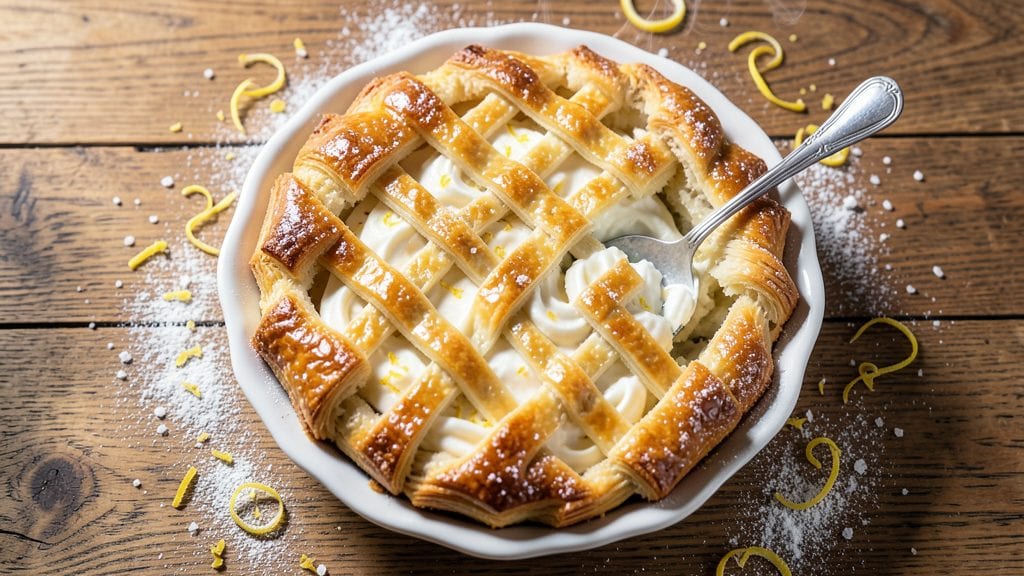
This puff pastry with cream cheese filling recipe delivers the perfect balance of flaky, golden layers and velvety, rich swirls—all achieved in a single pan. The secret lies in precise folding techniques and a well-balanced filling that stays creamy without leaking.
I’ve tested countless variations, and this method guarantees professional-quality results every time, whether you’re making sweet pastries or savory twists.
The beauty of this recipe is its versatility—you can use store-bought puff pastry for convenience or roll your own for that extra-crispy edge. The cream cheese filling is the star, combining tangy cream cheese with sugar, vanilla, and a touch of citrus to brighten the flavor.
For a savory option, swap in herbs, garlic, and a sprinkle of smoked paprika instead. The key to success is keeping the filling cool while assembling to prevent the pastry from softening too quickly.
Once baked, you’ll have a dish with golden, shatteringly crisp layers that give way to pockets of creamy filling. The aroma alone will draw everyone to the table, and the contrast between the buttery pastry and rich filling creates a texture that’s impossible to resist.
This recipe is perfect for breakfast pastries, holiday appetizers, or a decadent dessert that feels special without being overly complicated.
Ready in under an hour with minimal active time, this dish is ideal for both beginners and experienced bakers. The instructions walk you through folding, cutting, and baking with confidence, ensuring your pastry stays crisp and the filling remains luscious.
Whether you’re making it for brunch or a weekend treat, this recipe will become a staple in your baking repertoire.
Ingredients for puff pastry with cream cheese filling
Puff pastry and cream cheese—just these two transform into golden, flaky swirls.
| Ingredient | Amount | Notes |
|---|---|---|
| Store-Bought Puff Pastry 🥧 | 1 sheet | Thawed if frozen, room temperature |
| Cream Cheese 🧈 | 8 oz | Full-fat, room temperature |
| Granulated Sugar 🍚 | ½ cup | White or light brown |
| Vanilla Extract 🍯 | 1 tsp | Pure, high-quality |
| Lemon Zest 🍋 | 1 tsp | From organic lemon |
| Large Eggs 🥚 | 1 whole | Room temperature |
| Unsalted Butter 🧈 | 2 tbsp | Melted, cooled slightly |
| All-Purpose Flour 🌾 | 1 tbsp | For dusting |
| Salt 🧂 | ¼ tsp | Fine sea salt |
| Smoked Paprika 🌶️ | ½ tsp | For savory option |
| Fresh Dill 🌿 | 1 tbsp | Chopped, for savory option |
| Garlic Powder 🧄 | ½ tsp | For savory option |
| Powdered Sugar 🍚 | 1 tbsp | For dusting after baking |
The puff pastry makes or breaks this. Store-bought sheets like Pepperidge Farm or Trader Joe's work perfectly, but if you're feeling ambitious, homemade is worth the effort. Look for sheets that are evenly thick—no thin spots that'll burn before the filling sets. Keep it chilled until ready to use, or it'll get sticky. The cream cheese? Full-fat, room temperature is non-negotiable—it should be soft but not melted. Philadelphia brand is my go-to, but any good-quality brand works. For the savory version, grab fresh dill from the grocery store's produce section—it's brighter than dried.
No vanilla extract? Vanilla bean paste works too, or a pinch of ground vanilla bean. Short on lemon zest? Orange zest gives a different but delicious twist. The butter needs to be melted but not hot—just warm enough to blend smoothly. If you're making the savory version, smoked paprika from Penzeys adds that restaurant-quality depth. The flour is just for dusting, but don't skip it—it keeps everything from sticking. For the powdered sugar finish, Domino brand is my secret weapon—it's ultra-fine and dissolves beautifully.
Keep the pastry and filling separate until the last minute—the cooler they stay, the better. The assembled dish keeps 2 days in the fridge, but it's best eaten fresh. For make-ahead prep, assemble the pastries, wrap tightly, and refrigerate overnight. Bake straight from the fridge—no thawing needed. The filling stays creamy for 3 days in the fridge if you make it ahead, but the pastry loses its crispness after a day or two. Freeze unbaked pastries for 1 month—just add 5 minutes to baking time.
Why You'll Love This Recipe
- No-Fuss Assembly: I swear by this one—just roll, spread, fold, and bake. No rolling pins required (a butter knife works), and the store-bought puff pastry handles all the flaky magic for me.
- Creamy Lemon Zing: That tangy cream cheese with vanilla and lemon zest? It’s the kind of filling that makes you pause mid-bite—bright, rich, and just sweet enough without being cloying.
- Breakfast or Snack: I’ve served these as morning pastries with coffee, afternoon treats for kids’ school lunches, and even dessert after dinner. The same dough, endless moments.
- Budget Baking Win: A single sheet of puff pastry and a block of cream cheese stretch for multiple servings—perfect for when you’re feeding a crowd but don’t want to break the bank. Leftovers? Even better reheated.
Step-by-step instructions for puff pastry with cream cheese filling
Here's how to create perfectly flaky layers with rich cream cheese swirls every time.
Prepare the Cream Cheese Filling
In a medium bowl, combine the 8 oz cream cheese with the 0.5 cup granulated sugar, 1 tsp vanilla extract, and 1 tsp lemon zest. Use a hand mixer or whisk until completely smooth and creamy—you want a thick, spreadable consistency without any lumps. Real talk: if you see any lumps, let the mixture sit for 5 minutes and mix again.
Next, add the 1 whole large egg and mix until fully incorporated. The mixture should be thick but still pipeable. I like to scrape down the sides of the bowl with a spatula to ensure even mixing. This filling is the heart of your pastry, so take your time here—rushing leads to uneven distribution later.
Roll and Spread the Pastry
On a lightly floured surface, roll out the 1 sheet store-bought puff pastry into a 12x15-inch rectangle. I use a rolling pin with gentle, even pressure to maintain consistent thickness—about ¼-inch thick is ideal. If the pastry resists, don't force it; let it rest for 5 minutes and try again.
Spread the cream cheese mixture evenly over the rolled pastry, leaving about ½-inch border uncovered along all edges. This border prevents filling from oozing out during baking. Use a spatula to smooth the filling, pressing lightly to help it adhere. The pastry should look like it's wearing a thick, creamy blanket.
Fold and Roll for Layers
Starting from the long side, tightly roll the pastry into a log. I press gently but firmly to keep the filling contained. Once rolled, cut the log into 12 equal pieces—each should be about 1½-inches thick. This is where the magic happens: each cut piece will unfurl into a beautiful spiral when baked.
Arrange the cut pieces on a parchment-lined baking sheet, spacing them about 1-inch apart. They'll expand as they bake, so don't crowd them. For extra flakiness, I brush the tops lightly with the 2 tbsp melted unsalted butter (cooled slightly) before baking. This creates that golden, crispy finish we're after.
Bake to Golden Perfection
Preheat your oven to 375°F and bake the pastries for 18-22 minutes until they're golden brown and puffed. The edges should look crisp, and you should smell that buttery aroma filling your kitchen. I know it's tempting to peek, but resist—opening the oven too early can cause them to deflate.
For the savory option, sprinkle the baked pastries with 0.5 tsp smoked paprika, 0.5 tsp garlic powder, and 1 tbsp chopped fresh dill while still warm. For the sweet version, dust with 1 tbsp powdered sugar right after removing from the oven. Let them cool for 5 minutes before serving—this helps them set and makes slicing easier.
Pro Tips For Making Puff Pastry With Cream Cheese Filling
- Chill the Cream Cheese: DESCRIPTION:
- Preheat for Golden Crisp: DESCRIPTION:
- Don’t Overfill the Layers: DESCRIPTION:
- Brush with Egg Wash: DESCRIPTION:
Troubleshooting your puff pastry with cream cheese filling
Pastry Too Soft?
If your puff pastry feels gummy or loses its flakiness, it’s likely too warm. Always keep your pastry chilled until ready to roll—even if it’s store-bought. I pop my pastry sheet into the freezer for 10 minutes before rolling to firm it up.
Overworked dough is another culprit: handle it as little as possible, and avoid pressing too hard when spreading the filling. 🥧
Filling Leaking?
Uneven filling distribution causes leaks during baking. Spread the cream cheese mixture in a ¼-inch thick layer and leave that ½-inch border uncovered. If the filling still oozes, your oven may be too hot—reduce the temperature to 350°F and bake for 5 minutes longer.
For extra insurance, chill the assembled pastries in the fridge for 15 minutes before baking.
Undercooked Centers
If the middle stays doughy while the edges brown, your pastry needs more time. Increase baking time by 2-3 minutes and check again. A toothpick inserted into the center should come out clean.
For even cooking, rotate the baking sheet halfway through baking. If using a dark baking sheet, switch to a light-colored one—dark pans can overbrown edges before the center cooks.
Pastry Not Rising
Puff pastry relies on steam to rise. If yours flattens instead of puffing, your oven may lack moisture. Place a small baking tray filled with ½ cup hot water on the lower rack while baking.
Another common issue is overcrowding—leave 1-inch space between pastries. If your pastry is homemade, ensure it’s properly chilled between folds to maintain layer integrity.
Filling Too Runny
A watery filling usually means the cream cheese wasn’t cold enough. Always use room-temperature cream cheese (not melted) and chill the mixture for 10 minutes before spreading. For extra stability, add 1 tbsp all-purpose flour to the filling.
If using a high-moisture cream cheese (like Philadelphia), reduce the egg to ½ to avoid excess liquid.
Burnt Edges
If edges brown too quickly while centers stay pale, your oven runs hot. Lower the temperature to 350°F and bake for 2-3 minutes longer. Preheat your oven for 15 minutes to ensure even heat distribution.
For extra protection, brush the pastry edges with a thin layer of egg wash (1 egg + 1 tbsp water) before baking—this creates a barrier against over-browning. 🔥
Nutrition facts
Frequently asked questions
Can I make this recipe with homemade puff pastry?
Homemade puff pastry will give you even more impressive layers, but it requires patience. Use a classic 50/50 butter-flour ratio and do at least 4 folds for optimal flakiness. Keep everything chilled between folds, and don't skip the 1-hour rest before using. The extra effort is worth the restaurant-quality results.
How do I prevent the filling from leaking during baking?
Leave a ½-inch border of pastry uncovered when spreading the filling, and keep the mixture thick but spreadable. For extra insurance, chill the assembled pastries in the fridge for 15 minutes before baking. If leaks still happen, reduce oven temp to 350°F and bake for 5 minutes longer to let the pastry set properly.
What are some creative ways to use this recipe?
Try making mini twists by cutting the rolled log into ½-inch slices instead of 1½-inch pieces. For appetizers, create puff pastry tartlets by pressing the filled dough into mini muffin tins. The savory version works perfectly with smoked salmon and capers for a brunch crowd-pleaser.
Can I make the filling ahead of time?
Yes! The filling keeps well in the fridge for 3 days if stored in an airtight container. For best texture, let it sit at room temperature for 30 minutes before using. If it thickens too much, whisk in 1 tsp heavy cream to restore spreadability. The pastry should always be assembled fresh for optimal flakiness.
Why does my pastry turn out flat instead of puffy?
Flat pastry usually means insufficient steam or overworked dough. Ensure your oven is properly preheated and place a tray of hot water on the lower rack during baking. Avoid pressing hard when spreading filling, and keep everything chilled until ready to bake. If using homemade pastry, verify it's properly chilled between folds.