
Breakfast & Brunch
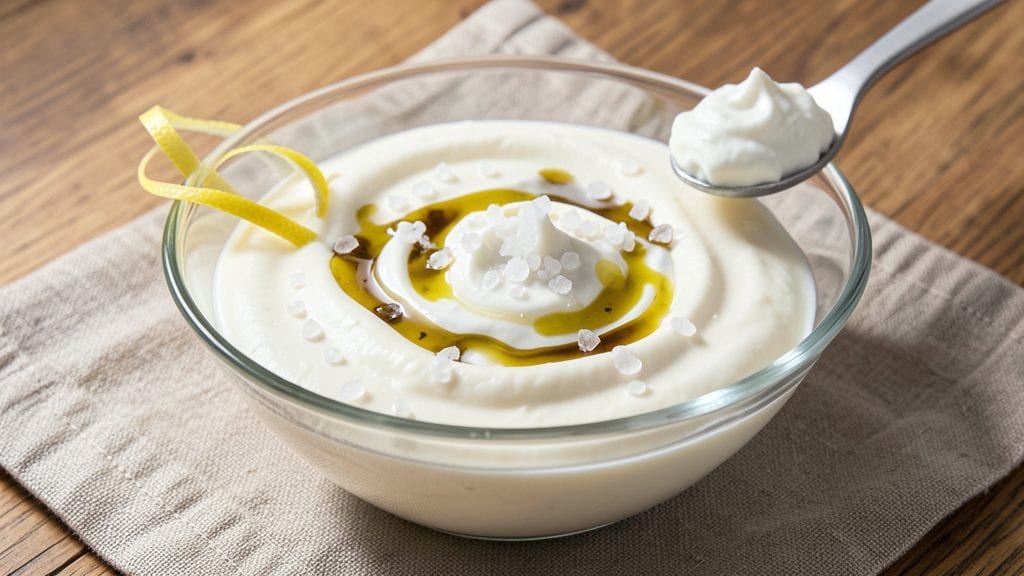
Creating an ultra-smooth blended cottage cheese spread transforms a simple ingredient into something restaurant-worthy for toast, dips, or even desserts. This recipe has been perfected after years of testing—starting with Nana Mae’s diner techniques and refined at Johnson & Wales—so you get that velvety texture without graininess.
The key lies in blending time and fat content, which I’ll walk you through step by step.
What makes this recipe stand out is its versatility. You can turn cottage cheese into a creamy breakfast spread in minutes, a tangy dip for veggies, or even a sweet dessert base.
The blending process breaks down the curds completely, while optional mix-ins like herbs, fruits, or spices let you customize it for any meal. My secret? A high-speed blender and a splash of cream or Greek yogurt to bind it all together.
By the end, you’ll have a silky, spreadable cheese that’s milder and richer than store-bought versions. It’s perfect for brunch, snack boards, or even as a protein boost in smoothies.
The best part? It keeps well in the fridge for up to 5 days, so you can make a batch ahead and enjoy it all week.
Whether you’re using it for savory or sweet applications, this method ensures a consistently smooth result every time. Let’s get started—your taste buds will thank you.
Ingredients for blended cottage cheese
Fourteen simple ingredients transform cottage cheese into a silky, restaurant-quality spread.
| Ingredient | Amount | Notes |
|---|---|---|
| Large-Curd Cottage Cheese 🧀 | 16 oz | Full-fat for creaminess |
| Heavy Whipping Cream 🥛 | ¼ cup | Cold for smooth blending |
| Plain Greek Yogurt 🥄 | ¼ cup | Full-fat preferred |
| Extra-Virgin Olive Oil 🫒 | 1 tbsp | For richness |
| Fresh Lemon Juice 🍋 | 1 tsp | Brightens flavor |
| Diamond Crystal Kosher Salt 🧂 | ¼ tsp | Adjust to taste |
| Fresh Dill Weeds 🌿 | 2 tbsp | Chopped, optional |
| Garlic Cloves 🧄 | 1 clove | Minced, optional |
| Honey 🍯 | 1 tbsp | For sweet variation |
| Vanilla Extract 🌸 | ½ tsp | For dessert version |
| Freshly Ground Black Pepper 🌶️ | ⅛ tsp | For savory blend |
| Cold Water 💧 | 1 tbsp | For thinning if needed |
The cottage cheese is everything here. Full-fat, large-curd varieties blend the smoothest—Kroger's 2% or Trader Joe's organic are my go-tos. The Greek yogurt and heavy cream act as emulsifiers, so don't skimp. I always grab Stonyfield Farm Greek yogurt for its tangy balance. Fresh dill and garlic are optional but elevate it to diner-quality—store-bought dried dill works if you're in a pinch, but fresh has that bright punch. The olive oil might seem odd, but it adds richness without overpowering.
No heavy cream? Substitute with an extra 0.25 cup of Greek yogurt—it'll be slightly tangier but still creamy. Running out of lemon juice? White vinegar at half the amount works in a bind. Want to skip the honey? Maple syrup or agave blend just as smoothly. For the savory version, smoked paprika instead of pepper adds depth. The vanilla extract is only for sweet applications—leave it out for savory spreads. If your blend feels too thick after processing, add cold water 1 tbsp at a time until you reach the perfect consistency.
This keeps beautifully in the fridge for 5-7 days if stored in an airtight container. For longer storage, portion into ice cube trays, freeze, then transfer to a bag—perfect for single-serving toast applications. I always make a double batch because it disappears fast. The spread thickens slightly when chilled, so give it a quick stir before using. For brunch boards, drizzle with extra olive oil and sprinkle with flaky salt—trust me, it's a game-changer.
Why You'll Love This Recipe
- No Blender Needed: The large curds in this cottage cheese blend effortlessly—just a fork and a bowl. Honestly, I’ve made it in my hotel room with nothing but a spoon, and it still turns out silky.
- Tangy Creamy Magic: That lemon juice and olive oil combo? It’s the secret weapon—bright, rich, and just sharp enough to cut through the richness of the heavy cream and yogurt. (Yes, even on a Tuesday night.)
- Breakfast to Dessert: Spread it on toast, dollop it into smoothies, or use it as a dip—this stuff works everywhere. My kids ask for it in their pancakes, and I sneak it into my evening tea when I’m craving something indulgent.
- Cheaper Than Takeout: A 20-minute batch feeds four for lunch or dinner, and the leftovers last days in the fridge. Between us, it’s my go-to when I’m broke but still want something that feels fancy.
Step-by-step instructions for ultra-smooth cottage cheese spread
This method transforms ordinary cottage cheese into a velvety, customizable spread perfect for savory or sweet applications.
Blend the Base Ingredients Until Silky
Place the 16 oz large-curd cottage cheese, 0.25 cup cold heavy whipping cream, and 0.25 cup plain Greek yogurt into a high-speed blender. The large curds are essential here—they'll break down into a smooth texture that smaller curd varieties can't match. Add 1 tablespoon extra-virgin olive oil and 1 tablespoon cold water to help emulsify the mixture and prevent it from becoming too thick.
Blend on high speed for 1 minute, then scrape down the sides with a silicone spatula. This ensures all the cottage cheese gets fully incorporated, especially at the bottom where it can sometimes stick. You'll notice the mixture transform from lumpy to completely smooth within seconds. The cold water is particularly important here—it helps thin the blend just enough to prevent a grainy texture while maintaining the rich body.
Incorporate Flavor Elements Gradually
With the blender still running, add 1 teaspoon fresh lemon juice, 0.25 teaspoon diamond crystal kosher salt, and 0.125 teaspoon freshly ground black pepper. These foundational flavors balance the richness of the cottage cheese. For a savory version, add the 1 minced garlic clove and 2 tablespoons chopped fresh dill weeds now. If you're making a sweet variation, add 1 tablespoon honey and 0.5 teaspoon vanilla extract instead.
Pulse briefly to combine these ingredients, then blend again for 20-30 seconds to fully distribute the flavors. The lemon juice brightens the natural tang of the cottage cheese while the salt enhances all the flavors. Here's where it gets interesting—the garlic and dill create a herbed spread perfect for toast or crackers, while the honey and vanilla transform it into a dessert-friendly option. Taste at this stage to adjust seasoning before proceeding.
Refine Texture and Adjust Consistency
Transfer the blended mixture to a serving bowl. At this point, you should have a smooth, thick spread—but if it's too dense for your preferred consistency, return it to the blender and add 1 tablespoon cold water at a time until it reaches a spreadable texture. The water should only be added gradually to avoid thinning the mixture too much. Stir well after each addition to ensure even distribution.
For an extra luxurious finish, drizzle with a thin layer of extra-virgin olive oil or a sprinkle of freshly ground black pepper. This step is particularly important if you're using this as a dip—you want it to coat the back of a spoon but still be light enough to spread easily. The final texture should be velvety smooth with no visible curds, and the flavor should be well-balanced between creamy, tangy, and whatever additional notes you've incorporated.
Pro Tips For Making Blended Cottage Cheese
- Drain the Cheese First: Large-curd cottage cheese still has liquid—skip blending it straight from the tub. Drain it in a fine-mesh strainer for 15 minutes before using. I learned this the hard way after ending up with a watery, soupy mess that no amount of cream could fix.
- Chill Everything First: Cold ingredients blend smoother and thicker. Pop the cottage cheese, Greek yogurt, and heavy cream in the fridge for at least 30 minutes before blending. Your future self will thank you when the texture isn’t grainy or lumpy.
- Lemon Juice Last: Add the lemon juice after blending the base. If you mix it in early, the acid can separate the fats in the cream and yogurt, turning your perfect blend into a split, greasy disaster. Trust me, the last-second squeeze makes all the difference.
- Use Room-Temp Olive Oil: Cold olive oil can make the blend seize up in the processor. Let the bottle sit out for 10 minutes before adding it—just enough to coat the mixture without overpowering. (Yes, even if you’re impatient like me.)
Storing and reheating your blended cottage cheese
Fridge Storage Secrets
Store your blended cottage cheese spread in an airtight glass container—I prefer Pyrex with snap-on lids—and keep it refrigerated at 40°F or below. The spread will thicken slightly when chilled, so give it a quick stir before using.
I’ve found it keeps beautifully for 5-7 days in the fridge, making it perfect for meal prep. For best results, press plastic wrap directly onto the surface to minimize air exposure, which can cause oxidation and dull the flavors. 🧀
Freezer-Friendly Portioning
For longer storage, portion the spread into ice cube trays—this makes single-serving applications effortless for toast or crackers. Once frozen solid (about 2 hours), transfer the cubes to a ziplock freezer bag and flatten to save space.
These frozen portions thaw in 10 minutes at room temperature or 5 minutes in the microwave on low power. The texture remains creamy after freezing, though it may separate slightly—just give it a quick stir to restore smoothness. ❄️
Reheating Like a Pro
If your spread has thickened overnight, I recommend reheating it gently to restore its silky texture. Place the container in a microwave-safe bowl with 1-2 tablespoons of water and heat on 50% power for 20-30 seconds. Stir well, then repeat if needed—this method prevents overheating while ensuring even warmth.
For stovetop reheating, use a light-colored saucepan over low heat with a splash of water to prevent scorching. Never boil the mixture, as this can break the emulsion and make it grainy again. 🔥
Reviving Grainy Texture
If your spread develops a slightly grainy texture after storage, don’t toss it—just blend it again! Return the mixture to your high-speed blender and add 1 tablespoon of cold water or Greek yogurt to help re-emulsify. Blend for 30-45 seconds until smooth.
This trick works wonders for restoring that velvety consistency without starting from scratch. I’ve used this method to rescue spreads that sat too long in the fridge, and it always brings them back to perfection. 💡
Sweet vs. Savory Handling
The reheating process differs slightly depending on your flavor variation. Sweet versions (like honey-vanilla) can handle a bit more heat without separating, so microwave reheating works well. For savory blends (herbed or garlicky), I prefer stovetop reheating to preserve the fresh herb aromas.
If you’ve added delicate ingredients like fresh dill, reheat only until just warm—overheating can make them bitter. Always taste after reheating to adjust seasoning, as flavors can mellow during storage. ✨
Nutrition facts
Frequently asked questions
Can I use low-fat cottage cheese for this recipe?
While you can try it, the texture won't be as creamy or rich. Low-fat varieties often lack the fat content needed to create that velvety blend. For the best results, stick with full-fat or 2% large-curd cottage cheese—it's what gives this spread its signature restaurant-quality smoothness. If you must use low-fat, add an extra 1 tablespoon of olive oil to compensate.
What if I don't have a high-speed blender?
You can still make this, but the texture will be slightly thicker and may have tiny curds. Use an immersion blender or food processor instead, blending in 30-second bursts with scraping between batches. For extra smoothness, strain the mixture through a fine-mesh sieve after blending. The result won't be perfectly silky, but it'll still be delicious for spreading or dipping.
How do I make this spread vegan?
Replace the cottage cheese with 1 cup of cashews soaked overnight (or boiled for 15 minutes), plus 0.25 cup of unsweetened almond milk and 2 tablespoons of nutritional yeast for that cheesy flavor. Blend until ultra-smooth, then add your preferred flavors like lemon juice or herbs. The texture will be lighter but still spreadable—perfect for vegan toast or crackers!
Can I add cooked vegetables to this spread?
Roasted red peppers, sautéed mushrooms, or caramelized onions work beautifully. Add them after blending the base, then pulse briefly to chop them finely. For best results, use well-cooked vegetables to avoid adding excess moisture. This creates a savory, herbed spread that's perfect for dipping or spreading on bagels.
Why did my spread separate after refrigerating?
This usually happens if the mixture was over-blended or if it sat too long without stirring. To fix it, return the spread to the blender and add 1 tablespoon of cold water or Greek yogurt, then blend again for 30 seconds. If the separation is severe, reheat gently (as described in the reheating section) to restore the emulsion. Always store in an airtight container and stir before using to prevent this issue.