
Beverages
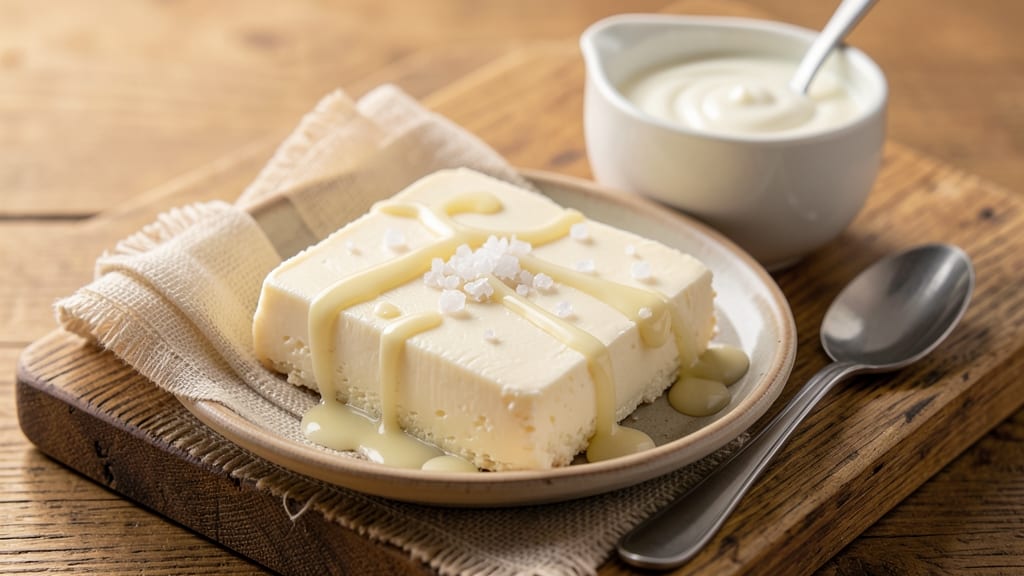
Making raw milk ricotta cheese at home transforms simple ingredients into a velvety, ultra-smooth texture that rivals store-bought versions. The process begins with carefully souring fresh milk—whether through natural acidification or vinegar—and then gently coagulating it to create delicate curds.
This method preserves the natural richness of raw milk while delivering a lighter, more delicate cheese than traditional aged varieties.
What sets this ricotta apart is its ultra-smooth consistency, achieved through precise heat control and slow draining. Unlike hard cheeses like cheddar, ricotta requires minimal equipment—a pot, cheesecloth, and a thermometer—making it accessible for beginners.
The key lies in patience: letting the curds form gradually ensures a texture that’s both tender and creamy, perfect for spreading, baking, or enjoying on its own.
Safety is critical when working with raw milk, so we’ll include alternatives for those who prefer pasteurized options without sacrificing flavor.
The result is a batch of homemade ricotta that’s richer and fresher than anything you’ll find in a grocery store, with a subtle tang that enhances both sweet and savory dishes. Ready to turn milk into cheese with just a few simple steps?
This recipe balances tradition with modern convenience, offering a foolproof method for achieving restaurant-quality ricotta in your own kitchen. Whether you’re a cheese enthusiast or a curious beginner, the process is straightforward once you understand the science behind coagulation and draining.
Let’s get started on creating your own batch of velvety ricotta today.
Ingredients for raw milk cheese
Simple ingredients transform into velvety ricotta with just milk, acid, and patience.
| Ingredient | Amount | Notes |
|---|---|---|
| Raw Whole Milk 🥛 | 4 cups | Fresh, unhomogenized preferred |
| White Vinegar 🍋 | 2 tbsp | Or lemon juice for tang |
| Diamond Crystal Kosher Salt 🧂 | ¼ tsp | Fine grain preferred |
| Unsalted Butter 🧈 | 2 tbsp | Cold, cut into cubes |
| Heavy Cream 🥛 | ½ cup | For ultra-smooth texture |
| Cheesecloth 🧼 | 1 sheet | Muslin or clean kitchen towel |
| Instant-Read Thermometer 🌡️ | 1 whole | For precise temperature |
| Fresh Lemon Juice 🍋 | 1 tbsp | For acidity adjustment |
| Freshly Ground Black Pepper 🌶️ | ¼ tsp | For subtle seasoning |
| Pasteurized Whole Milk 🥛 | 4 cups | Alternative for safety |
| Citric Acid 💊 | ¼ tsp | For controlled acidification |
The milk is everything here. Raw whole milk delivers the richest flavor and smoothest texture, but pasteurized works fine if you prefer safety. Look for organic or grass-fed options at stores like Whole Foods or local dairy farms—they have more fat and natural acidity, which helps the curds form better. If using pasteurized, add a pinch of citric acid to kickstart coagulation. Avoid ultra-pasteurized milk; it’s too stable and won’t curdle properly. The vinegar or lemon juice is your acidifier—white vinegar is reliable, but fresh lemon juice adds brightness. Just don’t overdo it; you’re aiming for tang, not pucker.
No vinegar? Lemon juice or citric acid works perfectly—citric acid is the cheat code for consistent results. Substituting heavy cream? Use whipping cream at full-fat for the same richness. The butter isn’t just for flavor; it adds body to the final ricotta, making it ultra-smooth. If you’re avoiding dairy, coconut cream can mimic the texture (though the taste will differ). For the cheesecloth, muslin is ideal, but a clean kitchen towel in a pinch works too—just make sure it’s lint-free. The thermometer is non-negotiable; ricotta is all about precision. A $10 instant-read model from Amazon or Williams Sonoma does the job beautifully.
Fresh ricotta keeps for 5-7 days in the fridge, sealed tightly in a container with a splash of milk on top to preserve moisture. For longer storage, portion into 1-inch layers with parchment between each, then freeze for up to 3 months. Thaw slowly in the fridge overnight—microwaving ruins the delicate texture. Use within a week of making for peak creaminess. Leftovers? Toss them into pasta, lasagna, or eat straight with a drizzle of honey and freshly cracked black pepper—trust me, it’s restaurant-quality.
Why You'll Love This Recipe
- No Special Tools Needed: I swear by this recipe because it only needs a bowl and a slotted spoon—no fancy cheese press or strainer. Just pour, stir, and let the milk do the work while I sip my coffee.
- Rich, Tangy Magic: That first spoonful of vinegar-cured cheese? It’s like a bright, sharp hug for your taste buds—creamy from the raw milk, with just enough vinegar kick to make it unforgettable. The butter and cream tie it all together so smoothly.
- Weeknight Snack Hero: Between us, this is my go-to when I’m starving but don’t want to cook. Spread it on toast, dollop it on crackers, or even mix it into pasta—it’s always a hit, even when I’m too tired to plan.
- Makes More Than You Think: A single batch stretches for days: on charcuterie boards, in sandwiches, or melted over veggies. Honestly, I’ve had it last a week in my fridge, and it only gets better as the flavors deepen. Budget-friendly? Absolutely.
Step-by-step instructions for homemade ricotta with ultra-smooth texture
Here's how to transform simple milk into velvety ricotta with professional results.
Acidify the Milk for Perfect Curdling
Pour the 4 cups raw whole milk into a heavy-bottomed saucepan and place it over medium-low heat. I like to use a stainless steel pan for even heat distribution. Insert the instant-read thermometer and warm the milk to 185°F, stirring gently every 2-3 minutes to prevent scorching. You'll see tiny bubbles form around the edges—that's your signal it's ready.
Here's where it gets interesting: remove the pan from heat and add either the 2 tbsp white vinegar or 1 tbsp fresh lemon juice (I prefer lemon for a cleaner flavor). Stir gently for 10 seconds—you'll immediately see the milk start to thicken and separate. This acidification process breaks down the milk proteins, creating those delicate curds we want for ricotta. Let the mixture sit undisturbed for 5 minutes while the curds fully form.
Strain and Cook the Curds for Ultra-Smooth Texture
Line a fine-mesh strainer with the cheesecloth and place it over a bowl. Carefully ladle the curdled milk into the strainer, pressing gently on the curds with a wooden spoon to extract every bit of liquid. The whey should drain through quickly at first, then slow to a drip. This step is crucial for removing excess moisture—don't rush it.
Once most of the whey has drained, transfer the curds to the same saucepan and return them to medium-low heat. Add the 0.5 cup heavy cream and 2 tbsp unsalted butter (cut into cubes), stirring gently until the mixture reaches 190°F. You'll notice the texture becoming thicker and more cohesive as the fat and cream blend with the curds. This gentle cooking process develops that signature creamy mouthfeel we're after.
Season and Finish for Perfect Ricotta
Remove the pan from heat and let the ricotta cool slightly for 2 minutes. Then stir in the 0.25 tsp diamond crystal kosher salt and 0.25 tsp freshly ground black pepper. For an extra touch of brightness, add the 0.25 tsp citric acid—this enhances the tang and keeps the cheese fresh longer. The mixture should now have a luxurious, spreadable consistency.
For even smoother ricotta, transfer the mixture to a food processor and pulse for 10-15 seconds until completely smooth. If you prefer a more rustic texture, simply stir vigorously with a spatula. The choice is yours, but don't skip this final step—it makes all the difference in the final texture. Your homemade ricotta is now ready to use in lasagna, stuffed shells, or simply spread on toast with honey.
Pro Tips For Making Raw Milk Cheese
- Acidify Gradually: Pour that vinegar in slow—like a teaspoon at a time—while stirring constantly. I used to dump it all at once, and the curds would turn rubbery. The milk needs time to react, not a shock treatment.
- Salt the Curds: Sprinkle that Diamond Crystal salt directly over the curds, not the whey. The salt dissolves faster and seasons the cheese evenly. (Yes, even if the recipe says "add to milk"—trust me on this.)
- Drain Patience: Let the whey settle for at least 15 minutes before pouring. Rushing it means you’ll trap water in your cheese, making it soggy. I know, I know—you want to eat it now—but wait.
- Butter Up First: Whisk the unsalted butter into the warm cream before mixing it with the curds. Cold butter clumps and won’t blend smoothly, ruining the texture. A quick 10-second pulse in a blender fixes it if you mess up.
Best sauces and condiments for this dish
Honey-Lavender Drizzle
Elevate your ricotta with a drizzle of local raw honey (I love Manuka honey for its floral depth) mixed with 1 tsp dried lavender infused in 2 tbsp warm water.
Strain the lavender and whisk it into the honey before drizzling over the cheese. The floral notes complement the milk’s natural sweetness while adding an elegant aroma. 🌿
Garlic-Herb Oil
Infuse ¼ cup extra-virgin olive oil with 3 minced garlic cloves, 1 tbsp fresh rosemary, and 1 tbsp fresh thyme by heating gently for 5 minutes. Strain and drizzle over ricotta before serving—this adds a savory depth that pairs perfectly with crusty bread or roasted vegetables.
Spicy Harissa Swirl
For a North African twist, mix 1 tbsp harissa paste (look for Bella brand for authentic heat) with 1 tbsp olive oil and swirl it into the ricotta. The smoky, spicy kick balances the cheese’s creaminess, making it ideal for dipping with warm pita or spreading on grilled flatbread.
Adjust heat with extra harissa if you love spice. 🌶️
Citrus-Zest Twist
Zest 1 lemon and 1 orange, then mix with 1 tbsp honey and 1 tsp fresh mint leaves. Fold this bright, citrusy mixture into the ricotta for a refreshing contrast. This works beautifully with fresh berries or as a topping for pancakes or crepes.
Balsamic Reduction
Simmer ½ cup balsamic vinegar until reduced by half, then whisk it into the ricotta for a tangy, slightly sweet glaze. The reduction’s depth cuts through the richness, making it a showstopper for charcuterie boards or as a dip for crudité.
Use aged balsamic from Trader Joe’s for the best flavor. 🍷
Smoked Paprika Crème
Blend ½ cup ricotta with 1 tsp sweet smoked paprika, 1 tsp garlic powder, and 1 tbsp crème fraîche for a spreadable, smoky dip. This works wonders as a topping for tortilla chips or as a filling for stuffed mushrooms.
The smokiness adds complexity without overpowering the cheese’s natural taste.
Nutrition facts
Frequently asked questions
Can I use pasteurized milk instead of raw milk for ricotta?
Yes, pasteurized milk works perfectly—just add ¼ teaspoon citric acid to help with coagulation. The texture will be slightly less rich, but still creamy. For best results, use whole milk with at least 3.5% fat to mimic raw milk’s natural creaminess.
Why did my ricotta turn out grainy instead of smooth?
Graininess usually happens from overcooking or improper draining. Keep heat at medium-low and never exceed 190°F. For ultra-smooth ricotta, blend the finished curds with ½ cup heavy cream and 2 tablespoons butter as shown in the recipe. Also, strain for at least 15 minutes to remove excess moisture.
How long can I store homemade ricotta?
Fresh ricotta keeps 5-7 days in the fridge when stored in an airtight container with a splash of milk on top. For longer storage, freeze in 1-inch layers with parchment between each portion. Thaw slowly in the fridge overnight—never microwave. Frozen ricotta works well in cooked dishes but loses some creaminess.
What can I do with leftover whey?
Don’t waste it! Whey is packed with protein and probiotics. Use it in smoothies, pancakes, or sourdough starters. You can also ferment it into kombucha or use it as a base for soup broths. For a quick fix, freeze it in ice cube trays for later use. Every drop of this liquid gold has purpose!
Can I make ricotta without vinegar or lemon juice?
Yes, but you’ll need an alternative acidifier. Try ½ teaspoon cream of tartar or ¼ teaspoon liquid rennet (for a firmer texture). If using rennet, follow package instructions carefully—it requires precise timing. For a tangy flavor without acid, a pinch of buttermilk powder mixed with warm water works too.