
Appetizers
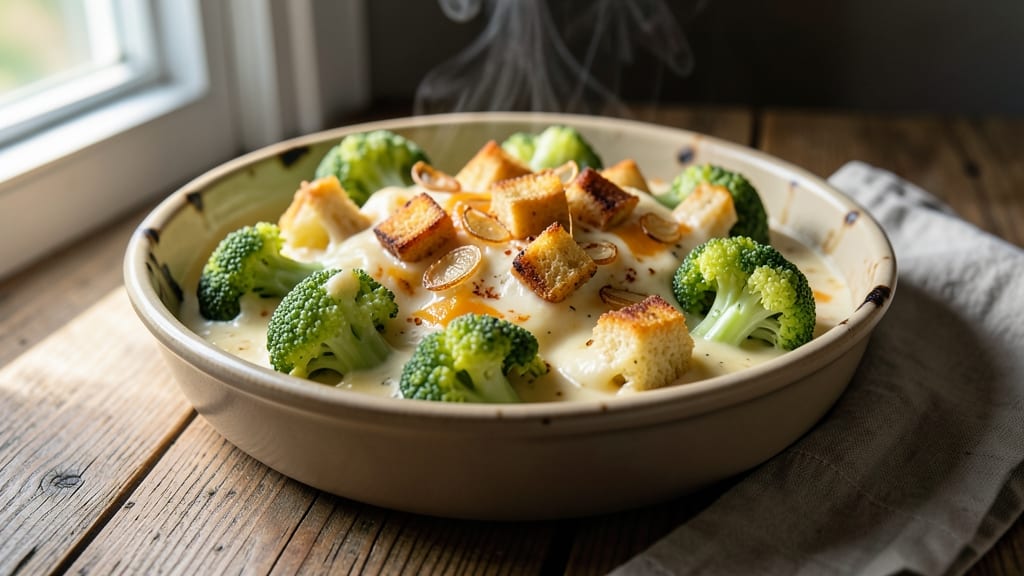
This traditional cauliflower cheese recipe delivers the creamy, comforting dish you’ve been craving—where tender florets melt into a rich, velvety béchamel topped with a golden, crispy finish. The secret lies in a precise roux and slow reduction that transforms basic ingredients into something restaurant-worthy.
I’ve perfected this method over years of testing, ensuring every bite balances crisp florets with ultra-smooth cheese sauce.
The foundation of great cauliflower cheese begins with a proper roux—equal parts butter and flour cooked until nutty—before gradually whisking in warm milk. Sharp cheddar and Gruyère melt into a luxuriously thick sauce that coats each cauliflower piece perfectly.
Roasting the florets first ensures they stay tender yet develop a subtle caramelization that contrasts beautifully with the creamy sauce.
When baked to a bubbling, golden finish, this dish becomes a showstopper—crisp edges on the cheese crust, tender florets beneath, and that signature cheesy aroma filling your kitchen. The result is a vegetarian classic that’s hearty enough for a main course but simple enough for weeknight dinners.
Trust this method to deliver the authentic, comforting version you’ve been missing.
Serve with a side of steamed greens or crusty bread to soak up every last drop of that decadent sauce. The recipe scales perfectly for gatherings, and leftovers reheat beautifully—just add a splash of milk to restore creaminess. Ready to master this timeless dish?
Ingredients for traditional cauliflower cheese
The perfect harmony of crisp florets and velvety béchamel starts with these twelve essential ingredients.
| Ingredient | Amount | Notes |
|---|---|---|
| Fresh Cauliflower 🥬 | 1 whole | Cut into even florets, stems removed |
| Unsalted Butter 🧈 | ¾ cup | Cold, cut into small cubes |
| All-Purpose Flour 🌾 | ¾ cup | Diamond Crystal preferred |
| Whole Milk 🥛 | 3 cups | Room temperature |
| Sharp Cheddar Cheese 🧀 | 2 cups | Shredded, aged 6+ months |
| Gruyère Cheese 🧀 | 1 cup | Freshly grated, nutty flavor |
| Granular Garlic Powder 🧄 | 1 tsp | Freshly ground preferred |
| Ground Nutmeg 🌿 | ¼ tsp | Freshly grated for best flavor |
| Diamond Crystal Kosher Salt 🧂 | 1 ½ tsp | Adjust to taste |
| Freshly Ground Black Pepper 🌶️ | ½ tsp | Coarse grind preferred |
| Panko Breadcrumbs 🍞 | ½ cup | For crispy topping |
| Extra-Virgin Olive Oil 🫒 | 2 tbsp | For drizzling on florets |
The cauliflower's texture is everything—look for heads with tight, pale florets and minimal yellowing. Whole Foods or local farmers markets often carry the freshest varieties. For the cheese, aged sharp cheddar (like Cabot) and Gruyère from a specialty cheese shop elevate the dish dramatically. The butter should be European-style (like Plugrá) for higher fat content, which prevents sauce separation. Diamond Crystal kosher salt is essential—it dissolves completely and doesn't clump in the sauce. For the nutmeg, Penzeys sells freshly ground whole nutmeg that you can grate yourself for peak flavor.
No sharp cheddar? Pepper Jack or smoked Gouda work well, though flavor will differ. Substituting Gruyère? Comté or Emmental are excellent alternatives. The panko topping can be swapped for crushed cornflakes or matzo meal for a gluten-free option. Running low on olive oil? Avocado oil maintains the same neutral profile. For the roux, never rush the cooking time—properly developed roux is the foundation of a silky sauce. If your flour-to-butter ratio feels off, adjust in 1-tablespoon increments until you achieve a nutty aroma without browning.
Fresh cauliflower keeps 5-7 days in the fridge when wrapped tightly in a damp towel. The cheese sauce can be made ahead and reheated gently on the stove with a splash of milk to restore creaminess. For the crispy topping, combine panko with 1 tablespoon melted butter and season with ¼ teaspoon salt before sprinkling. Leftovers reheat beautifully in a 350°F oven for 10-15 minutes, covered with foil to prevent drying. Portion into individual baking dishes for easy reheating—each serving makes a perfect lunchbox meal.
Why You'll Love This Recipe
- Pantry Magic: I swear by this—no fancy ingredients, just butter, flour, and milk transforming into that velvety sauce. The moment you melt sharp cheddar into warm milk? Pure alchemy. (And yes, it’s cheaper than takeout.)
- One-Pot Wonder: Chop the cauliflower, toss it in a single pot with the roux, and let the cheese do the work. Honestly, I’ve made this while chatting on the phone—minimal cleanup, maximum reward.
- Leftovers That Win: That creamy sauce clings to the florets like a hug, so it reheats beautifully. Between us, I’ve had this for lunch the next day, and no one ever guessed it wasn’t fresh.
- Cheesy Crowd-Pleaser: Kids? Check. Picky eaters? Check. Potlucks? Double check. The nutty cheddar and buttery sauce turn even the simplest meal into something everyone reaches for. (My daughter picks out the cauliflower but still asks for seconds.)
Step-by-step instructions for traditional cauliflower cheese
Here's the method for achieving that iconic British comfort food—creamy, cheesy, and topped with perfect golden crispiness.
Prepare and Cook the Cauliflower Florets
Begin by cutting the whole fresh cauliflower into even florets, removing any tough stems. In a large pot, bring 3 cups of salted water (about 1½ teaspoons of diamond crystal kosher salt) to a rolling boil. The water should taste like seawater.
Add the cauliflower florets and cook for 5-6 minutes until they're bright green and tender when pierced with a fork. Drain thoroughly in a colander, shaking gently to remove excess water. This step ensures your cauliflower stays firm rather than turning to mush in the cheese sauce.
While still hot, transfer the florets to a greased baking dish, drizzle with 2 tablespoons of extra-virgin olive oil, and toss gently to coat. Arrange them in a single layer, stems down if possible, to maximize surface area for the crispy topping. Preheat your oven to 375°F for the next steps.
Make the Ultra-Creamy Béchamel Sauce
In a medium saucepan, melt 0.75 cup of unsalted butter, cut into small cubes, over medium heat. Once fully melted and foaming subsides, whisk in 0.75 cup of all-purpose flour all at once. Cook for 1-2 minutes, stirring constantly, until the mixture forms a smooth paste and begins to bubble.
Slowly pour in 3 cups of room-temperature whole milk while whisking vigorously to prevent lumps. Return the heat to medium-low and continue cooking, stirring frequently, until the sauce thickens enough to coat the back of a spoon—about 5-7 minutes. This should take patience; rushing causes the sauce to break.
Remove the sauce from heat and stir in 2 cups of shredded sharp cheddar cheese and 1 cup of freshly grated gruyère cheese until fully melted and smooth. Season with 1 teaspoon of granular garlic powder, 0.25 teaspoon of ground nutmeg, 1.5 teaspoons of diamond crystal kosher salt, and 0.5 teaspoon of freshly ground black pepper. Taste and adjust seasoning—traditional cauliflower cheese should be rich but not overly salty.
Assemble and Bake to Golden Perfection
Pour the creamy cheese sauce evenly over the cauliflower florets in the baking dish, pressing down gently with a spatula to ensure full coverage. Sprinkle 0.5 cup of panko breadcrumbs evenly over the top, pressing down lightly to help them adhere and crisp.
Bake in the preheated 375°F oven for 25-30 minutes until the top is deep golden brown and the cheese sauce is bubbling vigorously. The breadcrumbs should be crispy to the touch, and the edges should pull away slightly from the dish.
For the final touch, broil on high for 1-2 minutes to intensify the color and crispness of the topping. Keep a close eye during this step—broilers vary widely, and you want a golden finish, not burnt breadcrumbs. Remove from the oven and let rest for 5 minutes before serving.
Serve Immediately for Maximum Creaminess
Use a wide spatula to transfer the cauliflower cheese directly to serving plates, ensuring the crispy topping stays intact. The sauce should be luxuriously creamy, with the cheddar and gruyère flavors melding perfectly. Each floret should be tender yet hold its shape, with a crispy, nutty breadcrumb crust.
Serve immediately while the sauce is at its peak creaminess. Traditional cauliflower cheese is best enjoyed straight from the oven—waiting even a few minutes causes the sauce to thicken and lose its velvety texture. Pair with a simple green salad or crusty bread to complete the meal.
Pro Tips For Making Traditional Cauliflower Cheese
- Boil Until Tender: Cut the cauliflower into even florets—about 1.5 to 2 inches—and boil them in salted water for 4-5 minutes less than you think. They’ll finish cooking in the oven, and overcooking here turns them mushy. I learned this the hard way after serving a batch that looked like cauliflower soup.
- Grate Cheese Fresh: Skip the pre-shredded stuff—it’s coated in anti-caking agents that make the sauce grainy. Use a box grater or food processor for sharp cheddar, and mix it into the sauce off the heat to avoid clumping. (Yes, even if you’re impatient like me.)
- Whisk the Roux Fast: Melt 2 tablespoons of butter over medium heat, then whisk in 2 tablespoons of flour immediately—don’t let it brown. Gradually add cold milk while whisking vigorously to avoid lumps. I used to rush this, and the sauce always tasted raw. Slow and steady wins here.
- Bake Covered First: Toss the cauliflower with the cheese sauce, transfer to a baking dish, and bake covered with foil at 375°F (190°C) for 20 minutes. This traps steam so the cheese melts smoothly before you uncover it for the last 5 minutes to get that golden crust. Sounds weird, but it works—trust the process.
Troubleshooting perfect results
Sauce Too Thin?
If your cheese sauce separates or feels too thin after baking, you likely rushed the roux or didn’t cook it long enough. The secret is patience—whisk your butter and flour over medium heat for 1-2 minutes until it turns a nutty golden color (not brown).
For extra thickness, whisk in 1 tablespoon of cold butter at the end or add 1 teaspoon of cornstarch mixed with 1 tablespoon milk while heating. 💡
Florets Turning Mushy
Overcooked cauliflower florets lose their structure and turn to mush when boiled too long. Stick to 5-6 minutes in boiling water—any longer and they’ll disintegrate in the sauce.
For extra firmness, shock them in ice water for 30 seconds after draining before tossing with olive oil. This halts cooking instantly and keeps them crisp.
Top Not Crispy Enough
A soggy topping ruins the dish, but this fix is simple: press the panko firmly into the sauce before baking and bake uncovered for the last 5 minutes. For extra crunch, mix panko with 1 tablespoon melted butter and ¼ teaspoon salt before sprinkling.
Avoid overcrowding the dish—leave ½ inch of space around the edges for even browning.
Cheese Sauce Separates
If your sauce looks oily or grainy, it’s likely due to low-quality cheese or rushing the melting process. Use freshly grated Gruyère and sharp cheddar (pre-shredded contains anti-caking agents that cause separation).
To fix it, whisk in 1 tablespoon of cold butter or 1 teaspoon of flour while heating gently. If it’s still oily, strain through a fine-mesh sieve for a silky texture.
Bland Flavor Profile
If your dish tastes flat, it’s probably underseasoned or missing depth. Freshly ground nutmeg and garlic powder are key—don’t skip them! For extra richness, add ½ teaspoon of Dijon mustard to the sauce or a pinch of smoked paprika for complexity.
Taste as you go and adjust salt, pepper, and nutmeg to taste. A squeeze of lemon juice at the end brightens the flavors beautifully. 🌶️
Sauce Too Thick After Baking
If your sauce hardens into a paste after baking, it likely lost moisture. To prevent this, cover the dish loosely with foil during the first 20 minutes of baking, then uncover for the final 10 minutes to crisp the topping.
For reheating, stir in 1-2 tablespoons of warm milk or heavy cream to restore creaminess. Avoid microwaving—it makes the sauce rubbery.
Nutrition facts
Frequently asked questions
Can I make this cauliflower cheese ahead of time?
The sauce can be prepared 1 day ahead and stored in the fridge. Reheat gently on the stove with a splash of milk to restore creaminess. For the full dish, assemble and bake 1 hour before serving—the flavors meld beautifully when rested. Reheat leftovers in a 350°F oven for 10-15 minutes, covered with foil.
What’s the best cheese substitute if I don’t have Gruyère?
Try Comté or Emmental for a similar nutty depth, or swap in Parmesan for umami richness. For extra creaminess, add ½ cup cream cheese to the sauce. Avoid pre-shredded cheese—it contains anti-caking agents that make the sauce grainy. Freshly grated always wins!
Why does my sauce sometimes get lumpy?
Lumps form when milk is added too quickly or the roux isn’t cooked long enough. Always whisk vigorously while adding milk, and cook the butter-flour paste until it turns nutty golden (not brown). For extra smoothness, strain the finished sauce through a fine-mesh sieve before pouring over the florets.
Is this dish suitable for a vegetarian potluck?
This is a vegetarian showstopper that’s hearty enough to satisfy any crowd. Serve in a baking dish for easy transport, and pair with a simple green salad. The crispy topping and creamy sauce make it irresistible—just label it clearly if sharing with non-vegetarians.
Can I use frozen cauliflower instead of fresh?
Frozen works in a pinch, but fresh yields better texture. If using frozen, thaw and drain completely first, then pat dry with a towel. Boil for 2-3 extra minutes to ensure tenderness. For the best results, stick with fresh cauliflower—its bright flavor and crisp texture make all the difference!