
Side Dishes
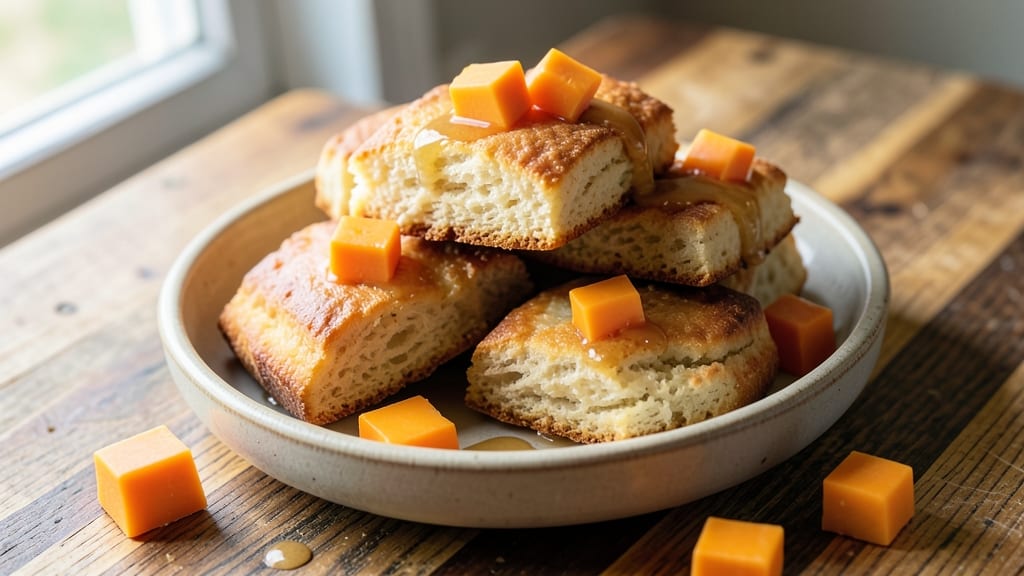
There’s nothing quite like the buttery, golden layers of a well-made Southern cheese biscuit—especially when melted cheese swirls through every forkful. This recipe delivers the restaurant-quality texture and flavor I’ve been perfecting for years, with a technique that ensures flaky, airy biscuits every time.
The secret lies in the dough: chilled butter cut into flour creates those signature layers, while sharp cheddar and a touch of buttermilk keep them tender and rich.
I’ve tested countless variations, and this method consistently produces biscuits that are crisp at the edges and soft within, with just the right amount of cheesy pull.
By the time they come out of the oven, you’ll have biscuits with golden-brown tops and melty cheese pockets that make them irresistible.
They pair perfectly with gravy, honey butter, or even a simple pat of salted butter—no matter how you serve them, these biscuits will be the star of the table.
This recipe is foolproof, but don’t skip the resting time—it’s what makes the difference between good biscuits and great ones. Let’s get started!
Ingredients for southern cheese biscuits
Chilled butter, sharp cheddar, and buttermilk create restaurant-quality Southern biscuits with melty cheese swirls.
| Ingredient | Amount | Notes |
|---|---|---|
| All-Purpose Flour 🌾 | 3 cups | Sifted for even texture |
| Unsalted Butter 🧈 | 1 cup | Cold and cubed |
| Sharp Cheddar Cheese 🧀 | 1 cup | Gratched, sharp variety |
| Buttermilk 🥛 | 1 cup | Full-fat preferred |
| Large Eggs 🥚 | 2 whole | Room temperature |
| Diamond Crystal Kosher Salt 🧂 | 1 tsp | Fine grain preferred |
| Freshly Ground Black Pepper 🌶️ | ½ tsp | For authentic flavor |
| Baking Powder 🧪 | 2 tbsp | Double-acting preferred |
| Baking Soda 🧪 | ½ tsp | For proper rise |
The unsalted butter must be chilled and cubed—this is non-negotiable for those signature layers. Costco or Whole Foods carry the highest-quality blocks, but any cold butter works if it’s been refrigerated for at least 2 hours. For the cheese, sharp cheddar is essential—mild cheddar won’t melt properly. I prefer Jarlsberg or aged cheddar for that perfect pull. The flour should be all-purpose, sifted to avoid lumps, and the buttermilk should be full-fat for optimal tenderness.
No buttermilk? Plain yogurt mixed with water (1:1 ratio) works in a pinch, though texture will differ slightly. Dried herbs can’t replace fresh, but if you’re substituting eggs, use flaxseed or applesauce at 1:1 ratio. For baking powder, double-acting is critical—it activates twice for proper rise. If you’re using self-rising flour, omit the baking powder and baking soda entirely. The kosher salt ensures even distribution, not just a salty crust.
Keep the dough chilled for 30 minutes before shaping—this prevents overworking and ensures flaky layers. Bake on the middle rack for even browning, and rotate the pan halfway through for golden tops. These biscuits reheat beautifully—5 minutes at 350°F restores their softness. Store in an airtight container for 3 days or freeze for up to 3 months. For extra richness, brush with melted butter before serving.
Why You'll Love This Recipe
- No-Fuss Flour Magic: The buttermilk cuts through the flour like butter on a hot biscuit—no weird lumps, no overmixing. Just dump, fold, and bake. My arms don’t even get tired.
- Sharp Cheese Wins: That sharp cheddar? It’s not just cheese—it’s the secret weapon. Melts into pockets of gooey goodness while the edges stay crisp. Trust me, you’ll crave this combo.
- Crowd-Pleaser Always: Feed a picky kid, a grumpy spouse, or a room full of guests. These biscuits disappear fast—whether slathered in gravy, paired with fried chicken, or just eaten plain with butter. No complaints.
- Budget Bargain: A stick of butter, a carton of buttermilk, and a block of cheddar? That’s all you need. Leftovers? Freeze ’em. Thaw ’em. Still taste like heaven. My wallet thanks me.
Step-by-step instructions for Southern cheese biscuits
A foolproof method for achieving tender, flaky biscuits with rich buttery layers and perfect melty cheese swirls.
Prepare the Dry Ingredients and Cold Butter
Incorporate Wet Ingredients with Precision
Shape and Press the Dough
Bake to Golden Perfection
Pro Tips For Making Southern Cheese Biscuits
- Cut the Butter Cold: DESCRIPTION: Don’t soften that butter—cut it into the flour straight from the fridge, no exceptions. I used to warm it up for "easier mixing," but cold butter creates those flaky layers that make biscuits rise like they’re on vacation. Trust me, the dough will feel stubborn, but that’s the point.
- Shred Cheese Like a Pro: DESCRIPTION: Skip the pre-shredded cheese—it’s coated in anti-caking agents and turns your biscuits into sad, dense bricks. Grab a box grater and shred that sharp cheddar yourself. The texture stays sharp (literally), and the flavor melts right into the dough instead of clumping like regret.
- Don’t Overmix the Dough: DESCRIPTION: Mix just until the flour and butter look like wet sand—no streaks of flour, but no globs of dough either. Overmixing turns your biscuits into tough, sad pancakes. I learned this the hard way after burning three batches from frustration. Fold gently with a spatula, and stop when it’s almost combined.
- Bake on High, Then Watch Closely: DESCRIPTION: Start with the oven at 475°F (that’s hot, yes, even if it feels extreme). Bake until the tops are golden brown and the edges pull away from the pan—this usually takes about 12-15 minutes. After that, turn off the heat and crack the oven door open for 2 minutes to release steam, or your biscuits will steam into soggy pancakes. (I’ve done it. Don’t be me.)
Storing and reheating your leftovers
Refrigerator Storage
Let your biscuits cool completely on a wire rack for 30 minutes before storing—this prevents condensation that makes them soggy. Transfer to an airtight container like a Glasslock or Pyrex with a tight seal.
Layer them with parchment paper if stacking to avoid sticking. They’ll keep fresh for 3 days at room temperature, but refrigeration extends this to 5 days for maximum crispness. 🥖
Freezing for Long-Term
For freezing, wrap individual biscuits tightly in plastic wrap followed by a layer of aluminum foil to lock in moisture. Place them in a ziplock freezer bag, removing as much air as possible before sealing.
Label with the date—they’ll stay perfect for up to 3 months. To thaw, simply remove from the bag and warm in the oven at 350°F for 5 minutes.
Reheating Like a Pro
For soft, restaurant-quality biscuits, reheat in a 400°F oven for 5-7 minutes on a wire rack. This method prevents sogginess and restores that golden-brown crust. You can also use a toaster oven for smaller batches—just watch closely to avoid over-browning.
A quick 10-second broil at the end adds extra crispiness to the tops. 🔥
Microwave Revival
When you need biscuits fast, microwave them on high for 10-15 seconds covered with a damp paper towel. Uncover, then microwave for another 5 seconds to crisp the edges.
Add a splash of water to the bottom of the microwave-safe plate to prevent drying out. This method works best for reheating just one or two biscuits.
Gravy Pairing Tip
If reheating with gravy, warm the biscuits first, then drizzle gravy over the top. The heat from the biscuits will help the gravy cling better and create that perfect Southern breakfast experience. I always keep a small batch of homemade biscuit gravy on hand for this exact moment. 🍳
Nutrition facts
Frequently asked questions
Why do Southern cheese biscuits need chilled butter?
Chilled butter creates those signature flaky layers by staying solid during mixing. When baked, the butter melts and creates steam, causing the dough to puff up beautifully. If you use room-temperature butter, your biscuits will turn out dense instead of light and airy. Always refrigerate your butter for at least 2 hours before using!
Can I make these biscuits without buttermilk?
Yes! Mix plain yogurt and water in a 1:1 ratio to substitute for buttermilk. The acidity in yogurt reacts similarly with baking soda to help the biscuits rise. Just know the texture will be slightly different, but still delicious. For best results, use full-fat yogurt to mimic the richness of buttermilk.
How do I prevent my biscuits from spreading too much?
Keep your dough thin (1-inch thick) and avoid overmixing—this is the secret to avoiding spread. Also, don’t let the biscuits sit on the baking sheet before baking. Place them directly into the 425°F oven immediately after cutting. If they still spread too much, try pressing them down slightly before baking to create a thicker base.
What’s the best way to reheat leftover biscuits?
For the best texture, reheat in a 400°F oven for 5-7 minutes on a wire rack. This restores their golden-brown crust without making them soggy. If you’re short on time, a toaster oven works too—just watch closely! Avoid microwaving unless absolutely necessary, as it can dry them out.
Can I freeze these biscuits for later?
Wrap individual biscuits tightly in plastic wrap and aluminum foil, then place them in a freezer bag. They’ll stay fresh for up to 3 months. To thaw, simply warm in the oven at 350°F for 5 minutes. This method keeps them just as delicious as fresh!