
Main Courses
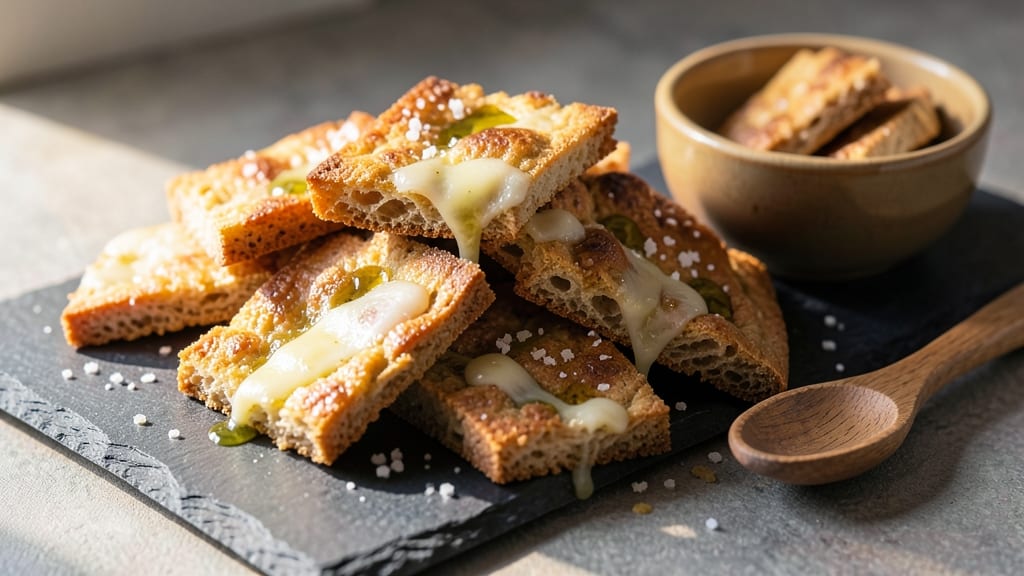
Transforming sourdough discard into crispy, salty-sweet cheese crackers solves two kitchen challenges at once—waste and cravings. This precise method ensures every batch delivers that perfect crunch while maximizing the tangy, complex flavor of your discard.
The secret lies in the right balance of sharp cheddar and buttermilk, creating a cracker that’s addictively satisfying.
What makes these crackers special is their versatility—use your discard’s natural acidity to enhance the cheese’s sharpness while keeping the texture light yet sturdy. Baking at 350°F for just 12-15 minutes yields golden, crisp edges without burning.
The result? A cracker that’s bold enough for cheese boards but simple enough for snacking straight from the oven.
These crackers pair beautifully with charcuterie, soups, or even as a salty accompaniment to rich desserts. The tangy discard infuses each bite with depth, making them stand out from store-bought alternatives. With just 5 ingredients and minimal hands-on time, you’ll have a foolproof recipe that feels like a restaurant-quality indulgence.
For extra flavor, try adding dried herbs like rosemary or thyme, or experiment with gluten-free flour blends. The possibilities are limited only by your creativity—each variation keeps the foundation crispy and satisfying while adding new dimensions.
Ingredients for sourdough discard cheese crackers
Five ingredients transform sourdough waste into addictive, crispy cheese crackers.
| Ingredient | Amount | Notes |
|---|---|---|
| Sourdough Discard 🍞 | 1 ½ cups | Active, tangy discard only |
| Sharp Cheddar Cheese 🧀 | 1 cup | Grate block cheese finely |
| Buttermilk 🥛 | ½ cup | Full-fat for best texture |
| All-Purpose Flour 🌾 | 1 ½ cups | Sifted for even consistency |
| Sea Salt 🧂 | 1 tsp | Fine grain preferred |
| Olive Oil 🫒 | 1 tbsp | For brushing crackers |
The discard is your secret weapon—look for vibrant, active discard with visible bubbles and a tangy aroma. Whole Foods or local bakeries often have it fresh, but your own discard works best. If you're short, double the discard to 2 cups and reduce flour slightly to maintain texture. The sharp cheddar needs to be aged at least 6 months—pre-shredded loses moisture and flavor, so grate it yourself. For extra depth, add 1 tbsp nutritional yeast to the cheese mixture if you're feeling creative.
No buttermilk? Substitute plain yogurt or milk plus 1 tsp vinegar to mimic acidity. Want a gluten-free version? Swap 1 cup all-purpose flour for almond flour—just add 2 tbsp extra olive oil to keep it tender. The sea salt should be Diamond Crystal kosher for precise seasoning, but Morton fine grain works too. For a sweeter cracker, reduce salt by half and add 1 tsp honey to the buttermilk. The olive oil matters—extra-virgin for richness, but regular works fine if you're on a budget.
Store crackers in an airtight container with a paper towel lining to absorb moisture—keeps crisp for 5-7 days. Freeze extras on a tray first, then transfer to bags for up to 3 months. Reheat in a 350°F oven for 3-5 minutes to restore crispness. I always make a double batch—half goes into the fridge, half into the freezer. The discard's acidity actually improves the longer they sit, so don't rush eating them—wait 24 hours for flavors to meld.
Why You'll Love This Recipe
- Discard Magic: That sourdough discard? Suddenly useful. No more tossing it—just mix it into dough, and boom, you’ve got crispy crackers without wasting a thing. I’ll never look at discard the same way again.
- Sharp & Satisfying: The sharp cheddar cuts through the buttermilk tang like a knife through butter. That crispy edge with the creamy center? Chef’s kiss. My kids fight over the last cracker, and honestly, that’s my favorite part.
- Crowd-Pleaser Anywhere: Pack these in a tin for game day snacks, serve with soup for a cozy night in, or toss a handful into a charcuterie board. They’re the kind of cracker that disappears fast—no leftovers to stress over.
- Budget’s Friend: Five simple ingredients, and you’ve got a stash of crackers that’ll last weeks. Sharp cheddar’s cheaper than fancy pre-packaged ones, and buttermilk? A splash goes a long way. My wallet thanks me every time.
Step-by-step instructions for sourdough discard cheese crackers
Transform your sourdough discard into crispy, cheesy crackers that balance tangy and salty perfection.
Prepare the Cheese and Buttermilk Mixture
Combine Wet and Dry Ingredients
Knead and Rest the Dough
Roll and Cut the Crackers
Finish with Olive Oil and Cool
Pro Tips For Making Sourdough Discard Cheese Crackers
- Chill the Cheese First: Don’t just dump that sharp cheddar into the dough—let it sit at room temp for 10 minutes first. Cold cheese shatters unevenly, while room-temp cheese blends smoothly into the dough, so your crackers hold together instead of crumbling like overworked playdough. Trust me, I once skipped this and had a batch that looked like it had been through a blender.
- Use Buttermilk Like a Pro: If your buttermilk is sour or old, don’t toss it—it’ll give your crackers extra tang and depth. But if it’s fresh and smooth, warm it slightly (just until it’s lukewarm) before mixing. Cold buttermilk makes the dough stiff, and that’s how you end up with crackers that crack before they even hit the oven.
- Roll Thin, Bake Hot: Aim for crackers that are 1/8-inch thick—any thicker, and they’ll turn out dense; any thinner, and they’ll burn before they crisp. Preheat your oven to 425°F (220°C) and use a pizza stone or baking sheet if you have one. I learned the hard way that skipping the stone means uneven baking, and half your batch ends up soggy.
- Salt the Top Before Baking: Sprinkle sea salt after you’ve shaped the crackers but before they go in the oven. This locks in moisture and adds flavor to the surface—no more dry, bland centers. I used to salt everything upfront, and the salt would just dissolve into the dough, leaving me with crackers that tasted like they forgot the salt shaker.
Health benefits of sourdough discard cheese crackers
Protein-Packed Powerhouse
These crackers deliver 6-8 grams of protein per serving, thanks to the sharp cheddar and sourdough discard. The cheese provides 7 grams of protein per 1-ounce serving, while the discard contributes 2-3 grams per cup of active starter.
This makes them a satisfying snack that keeps you full longer than traditional crackers. 💪
Bone Health Boost
The 1 cup of sharp cheddar in this recipe contains 30% of your daily calcium needs, which is essential for maintaining strong bones and teeth. Calcium also plays a key role in muscle function and nerve signaling.
The sourdough discard adds trace minerals like magnesium, which supports bone density alongside calcium.
Healthy Fats from Buttermilk
Buttermilk isn't just for baking—it adds 2-3 grams of healthy fats per ½ cup to these crackers. These fats are essential for brain function, hormone production, and absorbing fat-soluble vitamins like A, D, E, and K from the cheese.
The fat content also enhances the crackers' mouthfeel, making them more satisfying than dry alternatives.
Gut-Friendly Probiotics
The sourdough discard contains live probiotic cultures, which support gut health by improving digestion and boosting immunity. While the baking process reduces some probiotic activity, the residual bacteria still contribute to a healthier microbiome compared to conventional crackers.
This makes them a better choice for those mindful of digestive wellness. ✨
Lower Sodium, Smarter Choice
Homemade crackers like these typically contain less sodium than store-bought versions. By controlling the 1 teaspoon of sea salt, you avoid the hidden sodium spikes found in many processed crackers. This makes them a heart-healthier option for those watching their sodium intake while still delivering bold flavor.
Nutrition facts
Frequently asked questions
Why does sourdough discard work so well in cheese crackers?
The discard adds a tangy depth that balances the sharp cheddar, creating a complex flavor profile. Its natural acidity also helps tenderize the cheese, making the crackers richer and more flavorful. Plus, it reduces kitchen waste while keeping your crackers uniquely satisfying!
Can I use pre-shredded cheese instead of grating it myself?
Pre-shredded cheese contains anti-caking agents that can make your crackers dry or crumbly. Always grate sharp cheddar fresh for the best texture and flavor. It takes just a few minutes with a box grater and makes a noticeable difference in the final product!
What if my dough is too sticky to handle?
If the dough feels too wet, add 1-2 tablespoons of flour at a time until it forms a manageable consistency. Kneading on a lightly floured surface also helps absorb excess moisture. Just avoid overworking it—3-5 minutes is perfect for developing gluten without toughening the crackers.
How do I prevent my crackers from browning too quickly?
Watch the oven closely during the last 3-5 minutes of baking and rotate the tray if needed for even browning. If they brown too fast, try lowering the oven temperature by 25°F or covering loosely with foil. The goal is golden edges without burning!