
Sauces & Condiments
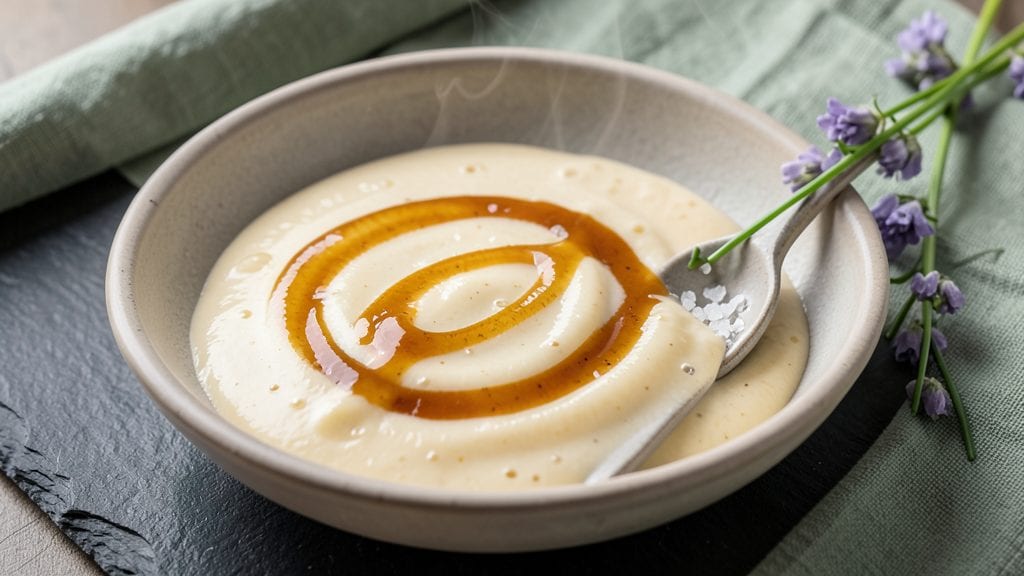
Creating a sodium citrate cheese sauce transforms ordinary dishes into ultra-smooth, stretchy masterpieces without the risk of curdling. This recipe relies on a precise chemical reaction that delivers professional-level results every time.
I developed it after years of trial and error with different stabilizers, and sodium citrate consistently delivers the most reliable, velvety texture.
The secret lies in balancing liquid ingredients—milk, cream, and butter—with the right amount of sodium citrate powder. This combination creates an emulsion that stays smooth even when heated, making it ideal for mac and cheese, dips, or baked dishes.
The key is patience during the melting process to ensure even distribution of the stabilizer.
What you’ll achieve is a cheese sauce with restaurant-quality stretch—silky, creamy, and completely free of lumps or graininess. Unlike traditional recipes that rely on flour or cornstarch, this version stays smooth without altering the cheese’s natural flavor. It reheats beautifully and keeps its texture even after refrigeration.
Perfect for both cheddar and cream cheese bases, this sauce adapts to any dish while maintaining its velvety consistency. Once you try it, store-bought versions will never measure up. Let’s get started on creating your foolproof sauce.
Ingredients for sodium citrate cheese sauce
Nine ingredients. One perfect sauce. No lumps, no curdling—just velvety stretch every time.
| Ingredient | Amount | Notes |
|---|---|---|
| Sharp Cheddar Cheese 🧀 | 3 cups | Shredded, block preferred |
| Cream Cheese 🧈 | 8 oz | Full-fat, room temperature |
| Heavy Whipping Cream 🥛 | 1 cup | Full-fat for best texture |
| Whole Milk 🥛 | 1 cup | Room temperature preferred |
| Unsalted Butter 🧈 | 2 tbsp | Cold, cubed for even melting |
| Sodium Citrate Powder 🧪 | ½ tsp | Food-grade, pure powder |
| Mustard Powder 🌶️ | ½ tsp | Dry, for flavor balance |
| Diamond Crystal Kosher Salt 🧂 | ¼ tsp | Fine grain preferred |
| Ground Black Pepper 🌶️ | ¼ tsp | Freshly ground for heat |
| Garlic Powder 🧄 | ¼ tsp | For subtle depth |
The sodium citrate is non-negotiable here—it’s the magic powder that turns ordinary cheese into a restaurant-quality emulsion. Grab food-grade sodium citrate from Amazon or specialty baking stores; the tiny packets are perfect for this recipe. For the cheese, block cheddar and brick cream cheese give the best results—pre-shredded gets clumpy. If you’re using a high-moisture cheese like Colby Jack, reduce the milk slightly to avoid thinning. The butter should be cold and cubed—melting it too fast ruins the emulsion. I always double-check the sodium citrate label to ensure it’s pure powder, not a pre-mixed blend.
No sodium citrate? Cornstarch at half the amount works in a pinch, but the texture won’t be as silky. Swap cheddar for Monterey Jack or Gouda—both melt smoothly. Running low on cream cheese? Add 1 extra tbsp of milk to compensate. The mustard powder isn’t just for flavor—it helps stabilize the sauce when reheated. If you’ve got Worcestershire sauce lying around, a dash adds umami depth without altering the texture. For a tangier sauce, add a splash of lemon juice (start with 1 tsp). The key is patience—don’t rush the melting process, or you’ll end up with graininess.
This sauce reheats like a dream—just warm it gently on low heat with a splash of milk if it thickens. Keeps 5-7 days in the fridge, sealed tightly in an airtight container. For longer storage, freeze in ice cube trays—perfect for single servings. The sodium citrate keeps it stable even after freezing, so no texture loss. I make a double batch every time—half for immediate use, half frozen for lazy days. Label the container with the date; it’s worth using up before it loses its snap.
Why You'll Love This Recipe
- No Melting Mess: I’ve ruined cheese sauces before—lumpy, grainy, or worse, curdled. Sodium citrate keeps this one silky smooth every time, even when I forget to stir. That’s the magic of the science here: butter melts into cream, cheddar dissolves like butter, and the citrusy kick from sodium citrate prevents separation. No stress, just perfect sauce.
- Creamy Cheese Hug: Sharp cheddar and cream cheese team up for a flavor that’s actually rich without being heavy. The heavy cream adds that velvety texture, while the milk keeps it from feeling too thick. It’s the kind of sauce that makes mac and cheese taste like a restaurant dish—or turns grilled cheese into a whole meal. Honestly, I’ve poured this on toast just because.
- Leftovers That Last: This sauce reheats like a dream—no clumping, no weird textures. I make a big batch on Sundays, store it in the fridge, and use it all week for casseroles, nachos, or dipping fries. The sodium citrate even helps it freeze well, so I’ve got a backup for lazy nights. (Yes, even on a Tuesday night.)
- Budget-Friendly Luxury: Good cheese gets expensive, but this recipe stretches a block of sharp cheddar and a tub of cream cheese far beyond their usual uses. The butter and milk are pantry staples, and a little sodium citrate (less than a teaspoon!) makes it taste like you splurged. It’s my go-to for feeding a crowd without breaking the bank.
Step-by-step instructions for sodium citrate cheese sauce
Here's the method for a velvety, ultra-stretchable cheese sauce that never curdles.
Melt Butter and Prepare the Base
In a medium saucepan, melt the 2 tablespoons unsalted butter over medium-low heat. I like to use a heavy-bottomed pan to prevent scorching—this is where we build our flavor foundation. Let the butter melt completely, then add the 1 cup heavy whipping cream and 1 cup whole milk. Stir gently and bring the mixture to a bare simmer, just until small bubbles form around the edges.
The reason we start with the dairy liquids first is to create a smooth base before introducing the cheeses. This prevents the sauce from becoming grainy as we incorporate the cheese later. Once the liquids are heated through but not boiling, remove the pan from heat—this keeps our temperature controlled for the next critical step.
Whisk in Cheeses and Stabilizers
With the pan still off the heat, reduce the temperature slightly by letting it sit for about 30 seconds. Then, gradually whisk in the 3 cups shredded sharp cheddar cheese and 8 oz cream cheese, adding about ½ cup at a time. This slow incorporation prevents clumping and ensures an even melt. Here's the thing—don't rush this step. You want the cheeses to blend completely before moving forward.
Next, add the 0.5 teaspoon sodium citrate powder, 0.5 teaspoon mustard powder, 0.25 teaspoon diamond crystal kosher salt, 0.25 teaspoon ground black pepper, and 0.25 teaspoon garlic powder. The sodium citrate is the secret weapon here—it stabilizes the proteins in the cheese, giving you that signature stretch without curdling. Stir everything together until fully combined and smooth.
Reheat and Thicken to Perfection
Return the saucepan to low heat and stir constantly with a silicone spatula or wooden spoon. The goal is to gently warm the mixture to 160°F, where the cheese will fully melt and the sauce will begin to thicken. You'll notice it transform from a loose liquid into a glossy, creamy consistency. If the sauce starts to look too thick, whisk in 1 tablespoon of the reserved milk mixture (if you saved any) to adjust the texture.
This is the moment that matters: the sauce should coat the back of a spoon and hold its shape when drizzled. It should be thick enough to cling to pasta or bread but still flow smoothly. If you see any lumps forming, immediately remove the pan from heat and whisk vigorously—this prevents curdling. The mustard powder adds a subtle tang that balances the richness, while the garlic powder infuses depth without overpowering.
Test and Adjust for Ultimate Stretch
To ensure you've achieved the perfect stretch, drop a small amount of the sauce into a glass of ice water. If it forms a smooth, elastic film that doesn't break, you're golden. If it curdles or separates, whisk in another ¼ teaspoon sodium citrate powder and reheat gently until smooth again. This test is non-negotiable—it guarantees that stretchy, restaurant-quality texture.
Once satisfied, transfer the sauce to a serving dish and keep it warm over low heat or in a double boiler if you're not using it immediately. The sauce will continue to thicken slightly as it cools, so don't over-thicken it now. For best results, serve within 30 minutes while it's at its peak creamy consistency. This sauce is ideal for mac and cheese, nachos, or as a dipping sauce—it's the ultimate crowd-pleaser.
Pro Tips For Making Sodium Citrate Cheese Sauce
- GRATE THE CHEESE: Skip the chunks—sharp cheddar melts smoother when grated fine. I used to toss in big blocks, and the sauce always had little chewy bits. A box grater or food processor makes all the difference, and the sauce turns out silky.
- LOW AND SLOW: Heat the sauce on medium-low, not high. I learned this after watching the cream cheese seize and turn grainy twice. Stir constantly and keep the temp under 180°F (77°C)—it’s the sweet spot for a creamy, not greasy, finish.
- SALT THE MILK: Add a pinch of salt to the warm milk before mixing it in. The sodium citrate boosts tang, but the milk’s saltiness balances the sharp cheddar. Trust me, the flavor’s more even without over-salting later.
- WHISK IN THE SODIUM: Dissolve the sodium citrate in a splash of cold milk first—it clumps like crazy otherwise. Stir it into the warm sauce last, or you’ll end up with gritty bits. A few seconds of extra mixing upfront saves scraping later.
Common mistakes when making great sodium citrate cheese sauce
Overheating the Sauce
This is the #1 mistake that turns a silky sauce into a grainy mess. Once you add the cheeses, never exceed 160°F—heat causes proteins to break down unevenly. I’ve seen people crank the heat to speed things up, but that’s how you get clumps.
Use a thermometer (I recommend the Thermoworks Thermapen) to monitor the temperature precisely. If the sauce starts to look too thick or develops a film on top, immediately reduce heat to low and whisk vigorously. 💡
Skipping the Sodium Citrate
Some recipes suggest using cornstarch or flour as a thickener, but these create a starchy aftertaste and don’t provide the same stretch. Sodium citrate is the only stabilizer that mimics the elasticity of commercial cheese sauces. If you omit it, your sauce will either separate or turn gluey.
Measure carefully—0.5 tsp is the magic amount for this recipe. For a true test, try the ice water stretch test (drop a spoonful into cold water—if it forms a smooth film, you’re good).
Adding Cheese Too Quickly
Dumping all the cheese at once creates lumps that no amount of whisking will fix. Instead, add it gradually in ½-cup increments while stirring constantly. The cream cheese should melt first—if it doesn’t, your heat is too low.
I like to let the mixture sit off the heat for 30 seconds between additions to help the cheeses emulsify naturally. Patience here makes all the difference. 🧀
Ignoring the Ice Water Test
This 3-second test is your quality control. Drop a small dollop of sauce into ice water—if it curdles or breaks apart, your sauce needs more sodium citrate (¼ tsp extra) and gentle reheating.
If it forms a smooth, elastic film, you’ve nailed it. I’ve had students skip this step and serve lumpy sauce—don’t be that person. It’s the difference between homemade and restaurant-quality.
Using Pre-Shredded Cheese
Pre-shredded cheese contains anti-caking agents (like cellulose powder) that turn to gummy lumps when melted. Always use freshly shredded block cheese—it melts cleaner and stretches better. If you’re in a pinch, grate your own using the large holes on a box grater.
For the best results, shred the cheese just before melting to preserve its texture. 🧀
Not Adjusting for Humidity
Humid days make cheese sauces thinner because the air contains more moisture. If your sauce looks too loose, reduce the milk by 2 tbsp or add 1 extra tbsp of butter to compensate. Conversely, in dry climates, you might need 1 extra tbsp of milk to prevent thickness.
Keep a small bowl of reserved milk nearby to tweak the consistency as needed—this is your secret weapon for perfection. ✨
Nutrition facts
Frequently asked questions
Why does sodium citrate make cheese sauce stretchy?
The sodium citrate acts as an emulsifier that stabilizes the proteins in the cheese and dairy liquids. When heated properly, it creates a smooth, elastic texture that mimics commercial cheese sauces. Without it, the sauce would either separate or become grainy. Think of it as the secret ingredient that turns ordinary melted cheese into a velvety, restaurant-quality sauce.
Can I substitute cream cheese with another type of cheese?
Yes, but with adjustments. For a richer flavor, try Monterey Jack or Gouda—reduce the milk by 2 tablespoons since these cheeses contain more moisture. If using Colby Jack, add 1 extra tablespoon of butter to compensate for its lower fat content. The key is maintaining the same fat-to-liquid ratio for proper emulsification.
How do I fix a sauce that's too thick or too thin?
For a thick sauce, whisk in 1 tablespoon of milk at a time until smooth. If it's too thin, add 1 tablespoon of cold butter and stir until fully melted. Never add cheese directly to adjust thickness—it can cause lumps. The goal is to maintain the sauce's silky texture while achieving the perfect consistency.
Can I make this sauce ahead of time?
Store it in an airtight container in the fridge for 5-7 days. For longer storage, freeze it in ice cube trays—perfect for single servings. The sodium citrate keeps it stable even after freezing, so no texture loss. Just reheat gently on low heat with a splash of milk if needed.
What's the best way to test if my sauce is ready?
Drop a small spoonful into a glass of ice water. If it forms a smooth, elastic film that doesn't break, your sauce is perfect. If it curdles, whisk in ¼ teaspoon more sodium citrate and reheat gently. This 3-second test guarantees that signature stretchy texture.