
Main Courses
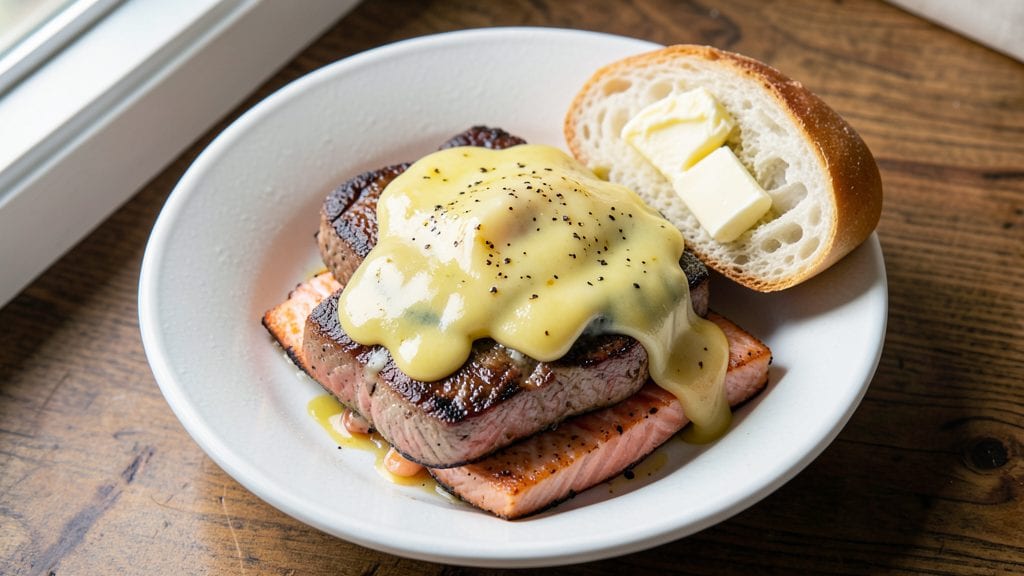
This salmon cheese steak recipe blends two powerhouse proteins into one unforgettable dish—where crispy salmon meets tender steak, all blanketed in melted cheese for a fusion that redefines comfort food.
The secret lies in searing the salmon to perfection while keeping the steak juicy, then layering it with cheese that melts into a golden, gooey blanket. After years of perfecting this technique, I’ve cracked the code for achieving that ideal balance of textures and flavors in every bite.
What makes this recipe work is the precision in cooking methods: pan-searing the salmon for a crispy crust while keeping the inside tender, then grilling the steak to maintain its natural juiciness. The cheese—whether provolone, cheddar, or a blend—melts just enough to bind everything together without overwhelming the delicate flavors.
This isn’t just a sandwich; it’s a restaurant-quality experience you can recreate at home with minimal effort.
The result? A dish that’s crispy on the outside, juicy in the middle, and melty all the way through—each bite delivering a perfect harmony of smoky steak, flaky salmon, and creamy cheese.
Serve it on a toasted hoagie roll with a side of roasted potatoes or a fresh salad to round out the meal. The combination of textures and flavors makes this a standout for dinner parties or a special weeknight treat.
Whether you’re grilling outdoors or cooking on the stovetop, this recipe delivers consistent, foolproof results every time. The key is patience—letting the salmon and steak cook undisturbed until they reach the perfect doneness before adding the cheese.
Once you try this fusion, you’ll never look at a cheese steak or salmon dish the same way again.
Ingredients for salmon cheese steak
Four proteins, two cheeses, and one golden, melty masterpiece waiting to happen.
| Ingredient | Amount | Notes |
|---|---|---|
| Fresh Salmon Fillets 🐟 | 2 whole | Skin-on, 6-8 oz each |
| Ribeye Steak 🥩 | 1 lb | 1-inch thick slices, trimmed |
| Provolone Cheese 🧀 | 8 oz | Sliced into 4 pieces |
| Sharp Cheddar Cheese 🧀 | 8 oz | Shredded, for extra melt |
| Hoagie Rolls 🍞 | 4 whole | Crusty, toasted |
| Unsalted Butter 🧈 | 4 tbsp | Cold, for searing |
| Extra-Virgin Olive Oil 🫒 | 2 tbsp | For basting salmon |
| Garlic Cloves 🧄 | 4 cloves | Minced, for seasoning |
| Fresh Lemon 🍋 | 1 whole | Juiced, for brightness |
| Dijon Mustard 🍯 | 1 tbsp | For steak marinade |
| Kosher Salt 🧂 | 1 ½ tsp | For seasoning |
| Ground Black Pepper 🌶️ | 1 tsp | Freshly cracked |
| Fresh Dill 🌿 | ¼ cup | Chopped, for garnish |
| Mayonnaise 🥫 | ¼ cup | For assembly |
The salmon and steak are the stars here, so don’t skimp. Wild-caught salmon from Trader Joe’s or your fishmonger gives the best flavor, but any fresh fillet works—just make sure it’s skin-on for that crispy crust. For the steak, ribeye is ideal (it’s got enough fat to stay juicy), but sirloin works too. Look for steaks with good marbling—they’ll stay tender even after all the cheese. Freshness matters: if the salmon smells fishy or the steak feels slimy, grab something else. The cheese? Provolone and sharp cheddar are my go-to, but muenster or gouda melt just as well. Pre-shredded cheese? Skip it—it gets gummy when melted.
No ribeye? Sirloin or flank steak will work, but slice it thin to keep it tender. Short on provolone? Swiss or pepper jack add different flavors—just adjust the meltiness by adding a splash of milk if needed. The hoagie rolls can be subbed for ciabatta or sourdough if that’s what you’ve got. For the butter, European-style (like Plugrá) has a higher fat content, which helps with searing. No Dijon? Yellow mustard in a pinch. The dill is optional but adds that fresh, bright note—if you skip it, a squeeze of extra lemon juice helps. And trust me, toasting the rolls makes all the difference—don’t skip this step.
This dish reheats like a dream—just pop it in the oven at 350°F for 5-10 minutes until the cheese is bubbly again. Store leftovers in an airtight container for up to 2 days, but honestly, it’s best eaten fresh. The salmon and steak are best used within 1-2 days of purchase, so plan accordingly. If you’re prepping ahead, cook the salmon and steak separately, then assemble just before serving to keep everything crispy. The cheese will keep in the fridge for up to 2 weeks, so no need to rush out and buy it last-minute.
Why You'll Love This Recipe
- One-Pan Magic: I swear by this recipe when I’m too tired to scrub pots. Just sear the ribeye and salmon on the same skillet, melt the provolone and cheddar right on top, then toast the hoagie rolls in the same pan—minimal cleanup, maximum flavor.
- Melted Cheese Obsession: That gooey blend of provolone and sharp chedddar is where this dish shines. It oozes into every bite, turning crispy salmon and juicy steak into a creamy, savory hug you won’t find in any other sandwich.
- Tailgate or Tuesday: Between us, this is my go-to for game days and lazy nights in. The rich, smoky ribeye and buttery salmon hold up perfectly whether you’re feeding a crowd or just treating yourself after work.
- Budget-Friendly Luxury: You’re getting two high-quality proteins—salmon and ribeye—for the price of takeout, plus cheese that stretches into leftovers. I’ve repurposed extra sandwiches into loaded salads or breakfast hash the next day without breaking the bank.
Step-by-step instructions for salmon cheese steak fusion
Here's how to nail this perfect blend of crispy salmon, juicy steak, and melty cheese—no fancy skills needed.
Prep the Steak for Maximum Juiciness
Pat the ribeye steak dry with paper towels—get it completely moisture-free. This ensures a perfect sear later. Place the steak in a bowl and mix together the 1 tablespoon dijon mustard, 1.5 teaspoons kosher salt, and 1 teaspoon ground black pepper. Rub this all over the steak, pressing it into the meat so it sticks. Let it sit at room temperature for 15 minutes while you prep the salmon.
This marinade time is crucial—it helps tenderize the meat and gives it that subtle tangy flavor. Don't skip it, even if you're eager to start cooking. The steak will cook faster than the salmon, so getting it ready first keeps everything on schedule.
Create Crispy Salmon with Perfect Skin
Heat 2 tablespoons extra-virgin olive oil in a large skillet over medium-high heat until shimmering. Place the salmon fillets skin-side down in the pan. Press down gently on each fillet for 10 seconds to ensure good contact with the pan—this prevents curling. Cook undisturbed for 4-5 minutes until the skin is crispy and golden brown and releases easily from the pan.
Flip the salmon carefully and cook for another 2-3 minutes until the flesh is opaque throughout. The salmon should reach an internal temperature of 145°F when done. Remove from heat and let rest on a plate for 2 minutes while you finish the steak. This resting time keeps the salmon moist and makes slicing easier.
Sear the Steak to Perfection
In the same skillet (no need to clean it—the flavor is gold), melt 2 tablespoons of the unsalted butter over medium-high heat. Add the steak and sear for 3-4 minutes per side for medium-rare, until it develops a deep brown crust. For the perfect doneness, use an instant-read thermometer—it should read 130°F for medium-rare. Remove from heat and let rest for 5 minutes on a cutting board.
While the steak rests, toast the hoagie rolls in a separate skillet with the remaining 2 tablespoons unsalted butter until golden brown on both sides. Keep them warm in a 200°F oven while you assemble everything. This step prevents soggy rolls and adds that perfect buttery crunch.
Assemble the Ultimate Cheese Steak Sandwich
Slice the rested steak against the grain into ¼-inch thick pieces. Spread 1 tablespoon mayonnaise on each toasted hoagie roll. Layer half the sliced steak on two rolls, then add 2 slices provolone cheese and ¼ cup shredded sharp cheddar cheese to each. Top with the crispy salmon fillets and sprinkle with the chopped fresh dill.
Here's where the magic happens: place the sandwiches under the broiler for 1-2 minutes until the cheese melts completely and turns golden. Watch closely to prevent burning. Squeeze fresh lemon juice over each sandwich just before serving for that bright, zesty finish.
Serve with Confidence
Cut each sandwich in half and serve immediately. You'll get that perfect combination of crispy salmon skin, juicy steak, melty cheese, and fresh dill flavor in every bite. The lemon juice ties everything together with its bright acidity, cutting through the richness of the meat and cheese.
This recipe delivers on all the promises—crispy salmon skin, juicy steak, and that perfect melt of provolone and cheddar. The mayonnaise adds just the right amount of creaminess to hold everything together without overpowering the flavors. Enjoy your fusion masterpiece!
Pro Tips For Making Salmon Cheese Steak
- SEAR STEAK FIRST: The ribeye needs a head start—get it screaming hot in a dry skillet for 2-3 minutes per side before pulling it out. I learned this the hard way: if you cook the salmon first, the steak turns out gray and sad while you’re waiting for the cheese to melt.
- DRY THE SALMON: Pat those fillets thoroughly with paper towels—wet skin won’t crisp, and you’ll end up with a soggy sandwich. I used to skip this, and the salmon just absorbed the bread’s moisture like a sponge.
- CHEESE LAYER ORDER MATTERS: Sharp cheddar goes under the provolone—it’s saltier and melts slower, so it won’t dominate the flavor. Stack them thin (¼-inch slices) or you’ll choke on goo when you bite in.
- REST THE SANDWICH: Assemble it, then let it sit covered for 5 minutes before cutting. The cheese needs time to knit together, or you’ll get a messy, oozy disaster. (Yes, even if you’re impatient like me.)
Common mistakes when making this dish
Overcooking Salmon
Salmon cooks faster than steak, so it’s easy to dry it out if you’re not careful. I’ve ruined more salmon than I’d like to admit by flipping it too soon or cooking it at too high a heat.
The key is patience—let the skin crisp for 4-5 minutes undisturbed before flipping. Use a meat thermometer to check for 145°F internal temperature—any hotter and you’ll end up with dry, flaky fish. If your salmon starts to stick or smells fishy before reaching temp, it’s overcooked. 🐟
Underseasoning Steak
The steak is the heart of this dish, but I’ve seen people skip the marinade or use too little salt, resulting in bland, tough meat. Always pat the steak dry first—moisture prevents a good sear. Rub the Dijon mustard, salt, and pepper generously into every surface, even the edges.
Let it sit at room temperature for 15 minutes before cooking; this ensures even cooking and maximum flavor. Trust me, your taste buds will thank you. 🧂
Skipping Resting Time
Both the salmon and steak need rest time after cooking to redistribute juices, but I’ve caught myself slicing into steak immediately or serving salmon right off the pan. Let the steak rest for 5 minutes and the salmon for 2 minutes—this keeps them juicy and prevents dry, stringy meat.
If you’re in a rush, at least let the steak rest for 3 minutes before slicing. The difference in texture is night and day. ⏳
Cheese Melting Mishaps
Nothing ruins a sandwich faster than cheese that’s either raw or burnt. I’ve learned the hard way that broiling cheese requires close attention—watch it like a hawk! Place the sandwiches under the broiler for just 1-2 minutes until the cheese is fully melted and golden.
If your oven runs hot, reduce the heat to broil-low or move the rack farther from the heat source. A splash of milk on the cheese before broiling can also help it melt more evenly. 🧀
Using Cold Ingredients
Cold salmon or steak straight from the fridge will cook unevenly, leading to raw centers or overcooked edges. Always let both proteins sit at room temperature for 15-20 minutes before cooking. I keep them on the counter while I prep everything else—it’s a small step that makes a huge difference.
If you’re short on time, a quick 10-minute soak in warm water can help, but room temperature is ideal. ❄️
Ignoring the Roll
Toasted hoagie rolls are non-negotiable—they add structure and prevent sogginess. I’ve seen people skip this step or use untoasted rolls, and the result is always a mushy sandwich. Toast the rolls in butter until golden brown, then keep them warm in a 200°F oven while you assemble everything.
If you’re in a hurry, a quick broil for 1-2 minutes per side works too. Don’t skip this—it’s the secret to a perfect bite. 🍞
Nutrition facts
Frequently asked questions
Can I make this salmon cheese steak without a broiler?
If you don’t have a broiler, use a skillet over medium heat. Cover the assembled sandwiches with a lid and let the residual heat melt the cheese for 2-3 minutes. Keep an eye on it to avoid burning. For extra crispiness, press down gently with a spatula to help the cheese melt evenly.
What’s the best cheese substitute if I don’t have provolone or cheddar?
Try Swiss cheese for a nutty flavor or muenster for extra creaminess. If you want something sharper, pepper jack adds a kick. For a dairy-free option, use vegan cheese slices designed for melting—just check the package for broiler instructions.
How do I keep the salmon skin crispy when assembling the sandwich?
Add the salmon fillets to the sandwich last, right before broiling. If you assemble everything first, the skin will soften from the heat. For extra crunch, place the salmon skin-side down on the roll and broil for just 30 seconds to lock in the crispiness.
Can I make this recipe ahead of time?
Cook the salmon and steak separately, then store them in airtight containers in the fridge for up to 2 days. Assemble the sandwiches fresh before serving to maintain texture. If reheating, warm the components in a skillet for 1-2 minutes per side until heated through. The rolls should be toasted fresh to avoid sogginess.
What sides pair best with this rich dish?
Light, fresh sides balance the richness perfectly. Try a crispy roasted potato salad, arugula salad with lemon vinaigrette, or grilled asparagus. For something heartier, garlic-parmesan fries or corn on the cob add a satisfying crunch.