
Appetizers
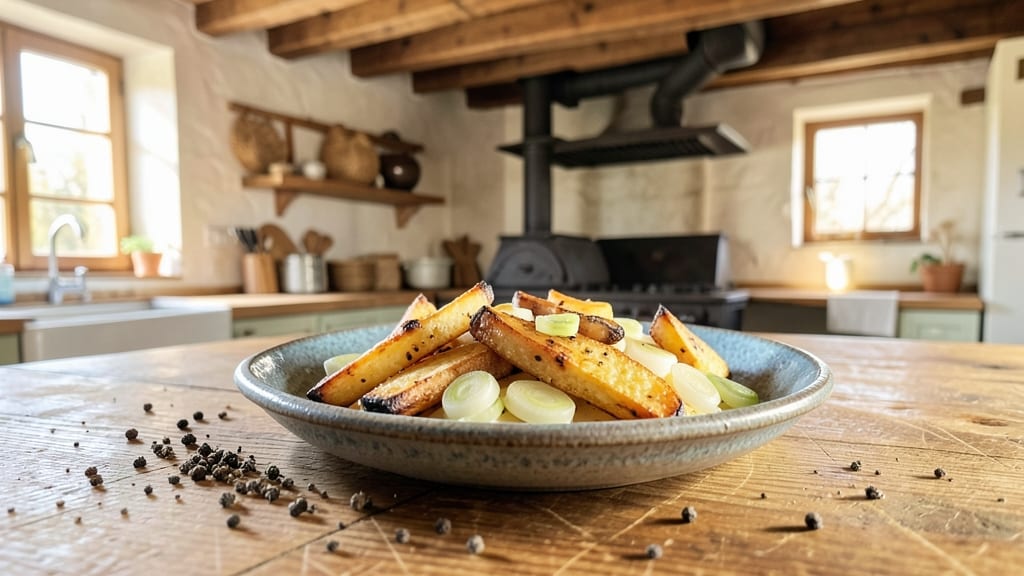
Mastering raclette cheese recipe transforms a simple gathering into an unforgettable experience—where crispy potato bakes meet molten cheese in every bite. The secret lies in the right cheese blend and precise melting technique, whether using a traditional raclette grill or a fondue pot.
I've perfected this method after countless test runs, ensuring the potatoes develop that coveted crispy top while the cheese remains velvety smooth.
This recipe goes beyond just melting cheese—it's about creating a full spread with all the classic accompaniments. Think tender potatoes, cured meats, pickles, and crusty bread arranged around your melting station. The cheese should melt effortlessly, creating that signature stringy, gooey texture that makes raclette so addictive.
Every element comes together to deliver that authentic Swiss fondue experience, right in your own kitchen.
The result is a dish that's equal parts comforting and impressive, with perfectly crispy potato edges that contrast beautifully against the creamy cheese. The aroma alone will draw everyone to the table, and the interactive nature of raclette makes it perfect for parties or cozy weeknight dinners.
Once you try this method, you'll never go back to store-bought cheese alternatives.
For those looking to modernize the classic, I'll share variations that work beautifully while maintaining that essential raclette flavor profile. Whether you're hosting a formal dinner or a casual get-together, this recipe delivers professional-quality results with simple techniques. Let's get started on creating your perfect raclette spread.
Ingredients for raclette cheese
Six ingredients transform simple potatoes into crispy raclette perfection with velvety melted cheese.
| Ingredient | Amount | Notes |
|---|---|---|
| Raclette Cheese 🧀 | 2 lbs | Pre-shredded or block form preferred |
| Russet Potatoes 🥔 | 4 lbs | Medium size, cut into even slices |
| Extra-Virgin Olive Oil 🫒 | ½ cup | For crisping potatoes and drizzling |
| Garlic Cloves 🧄 | 8 cloves | Minced for potato seasoning |
| Kosher Salt 🧂 | 2 tbsp | Diamond Crystal preferred |
| Freshly Ground Black Pepper 🌶️ | 1 tbsp | Freshly cracked for best flavor |
| Fresh Thyme 🌿 | ¼ cup | Leaves only, chopped fine |
| Dried Mustard 🌶️ | 1 tbsp | For cheese blend depth |
| White Wine 🍷 | 1 cup | Dry variety for cheese melting |
| Gruyère Cheese 🧀 | 1 cup | Shredded, for cheese blend |
| Crusty Bread 🍞 | 1 loaf | Baguette or sourdough preferred |
| Cured Meats 🥓 | 1 lb | Salami, prosciutto, or charcuterie |
| Cornichons 🥒 | 1 cup | Pickles for tangy contrast |
| Butter 🧈 | ½ cup | Unsalted, for potato topping |
The raclette cheese is everything here. Pre-shredded works in a pinch, but block form melts beautifully—just shred it yourself. Whole Foods or specialty cheese shops carry authentic raclette wheels, but most grocery stores stock pre-shredded. Look for bright yellow color, not orange—it's a dead giveaway for artificial dyes. The potatoes? Russets are non-negotiable for crispiness. I always soak the slices in cold water for 20 minutes before cooking to remove excess starch, which makes them crispier. Costco sells them in bulk for great prices, but any grocery store will have them.
No raclette cheese? Gruyère and Emmental blend works beautifully—just add a pinch of nutmeg for that authentic raclette flavor. The white wine is non-negotiable for melting the cheese properly, but dry vermouth or even chicken broth in a pinch. Fresh thyme is ideal, but dried at one-third the amount gets you close. For the cured meats, Trader Joe's has amazing pre-sliced charcuterie boards that save time. The cornichons can be swapped for pickled onions if you prefer something milder. And if you're feeling fancy, add a splash of kirsch to the cheese melt—trust me.
The potatoes keep 2 days in the fridge if prepped ahead, but I find they crisp best when fresh. The cheese blend? Make it the day before—it develops deeper flavor as it sits. Store any leftovers in an airtight container, but honestly, this is the kind of dish that disappears fast. The bread? Toast it fresh before serving—it's the perfect vehicle for that gooey cheese. Everything reheats beautifully, so portion it out for easy serving.
Why You'll Love This Recipe
- One-Pan Magic: I swear by this recipe when I’m too tired to scrub pots—just slice those potatoes, toss them with olive oil and garlic, and let the oven do the rest. The raclette melts right over the top while everything roasts, and honestly? I’ve never felt guiltier about leaving dishes in the sink.
- Melty, Garlicky Bliss: That moment when the raclette cheese stretches across the pan like a golden river? Pure satisfaction. The potatoes soak up the salty, buttery richness while the garlic infuses every bite—simple, but somehow feels like a fancy restaurant dish.
- Game for Any Gathering: Between us, this feeds a crowd without stress. I’ve served it at game nights (the cheesy pull is a hit), potlucks (no one asks what’s in it), and even as a lazy Sunday brunch. The leftovers? Just as good cold the next day.
- Budget-Friendly Luxury: Raclette might sound fancy, but a block lasts forever when you’re melting it over potatoes instead of a fondue set. Russets are cheap, olive oil is a pantry staple, and garlic? Always on sale. It’s the kind of meal that makes you feel indulgent without breaking the bank.
Step-by-step instructions for melting potato bake with crispy top
Here's how to transform humble russet potatoes into golden, crispy perfection with melty raclette cheese.
Prep and Parboil the Potatoes
Slice the 4 lbs russet potatoes into ¼-inch thick rounds using a mandoline for perfect uniformity. This thickness ensures even cooking and maximum crispiness. Place the slices in a large pot of cold, salted water (add 1 tbsp kosher salt) and bring to a boil over medium-high heat.
Once boiling, reduce heat to medium and parboil the potatoes for 8-10 minutes until they're just tender when pierced with a knife. Drain immediately in a colander and let them steam-dry for 2-3 minutes. This drying step is critical—it prevents soggy potatoes later. While they dry, preheat your oven to 400°F for the crispy transformation ahead.
Layer and Season the Potatoes
In a large, oven-safe skillet or baking dish (I prefer cast iron for even heat distribution), create the first layer of potatoes in a slightly overlapping pattern. Drizzle ¼ cup of the extra-virgin olive oil evenly over this layer, then sprinkle with 1 tbsp kosher salt, ½ tbsp freshly ground black pepper, and ⅛ cup of the fresh thyme. Repeat with remaining potato layers, finishing with the last layer facing upward.
Here's the secret: press down gently on each layer as you go. This compression creates a tight structure that holds its shape during baking and develops that coveted crispy crust. The olive oil will pool between layers, basting the potatoes as they bake and creating that irresistible crunch.
Create the Cheese Melting Sauce
In a small saucepan, combine 1 cup white wine, 1 tbsp dried mustard, ½ cup gruyère cheese, and ½ cup butter. Warm over medium-low heat, stirring constantly with a whisk until the butter melts completely and the mixture reaches a smooth, pourable consistency. This sauce will become the luxurious binding element that transforms your potato bake from ordinary to extraordinary.
Remove from heat and stir in 1 cup cornichons, chopped into small pieces. The tangy pickles will cut through the richness of the cheese, adding a bright contrast that balances the dish. Keep this sauce warm until ready to use—it should be thick enough to coat the back of a spoon but still flow freely when poured.
Bake Until Crispy and Golden
Pour the warm cheese sauce evenly over the layered potatoes, spreading it with a spatula to ensure complete coverage. The sauce should bubble slightly as it hits the hot potatoes. Transfer the skillet to the preheated 400°F oven and bake for 40-45 minutes, until the top is deep golden brown and the edges are crispy.
Here's where patience pays off: resist the urge to peek or stir. The potatoes need that uninterrupted heat to develop their signature crispy crust. About halfway through baking, you'll notice the edges starting to brown—this is your signal that the magic is happening. The potatoes are done when they're fork-tender and the top is so crispy it practically shatters.
Assemble and Serve
Remove the skillet from the oven and let it rest for 5 minutes before carefully transferring to a serving platter. The resting period allows the layers to set slightly, making it easier to slice through cleanly. Using a large spatula, carefully lift the entire potato bake onto a cutting board and slice into 6 equal wedges—one for each serving.
Arrange each serving on a plate with a slice of crusty bread and a selection of cured meats on the side. The contrast of textures—crispy potatoes, tender cheese, crunchy bread, and cured meats—makes each bite an experience. The raclette cheese should be melted and stretchy, creating that classic fondue-like experience without needing a fondue pot. Serve immediately while the top is still crispy and the cheese is at its peak meltiness.
Pro Tips For Making Raclette Cheese
- Preheat the Raclette: I learned this the hard way—skipping this step makes the cheese melt unevenly. Pop your raclette wheel (or pre-grated cheese) in a 350°F (175°C) oven for 5–10 minutes before melting. Warm cheese flows like silk, not like glue.
- Cube Potatoes Evenly: Uneven cubes mean some potatoes steam while others burn. Cut russets into 1.5-inch chunks—no smaller, no larger—and soak them in cold water for 10 minutes to rinse off excess starch. Pat very dry before tossing in oil.
- Salt the Potatoes Twice: This isn’t just about flavor—it’s about texture. Toss the raw potatoes with 1 tsp salt before roasting, then sprinkle another 1 tsp halfway through. The first salt seasons, the second one crisps.
- Use Garlic Oil: Sounds weird, but it works: Infuse your olive oil with 2 minced garlic cloves and a pinch of salt for 5 minutes at low heat. Strain and use it to toss the potatoes—no burning, all flavor. (Yes, even if you’re impatient like me.)
Perfect pairings for these flavors
Cheese Pairing Essentials
Authentic raclette cheese is non-negotiable for that signature Swiss flavor, but a Gruyère-Emmental blend works beautifully as a substitute. I always include ½ cup Gruyère in my cheese sauce to replicate that nutty depth.
For a richer profile, add 1 tbsp dried mustard and ½ tsp white wine vinegar—this combo mimics the tangy complexity of traditional raclette. 🧀
Potato Variations
While russet potatoes are ideal, Yukon Golds create a creamier texture with slightly less crisp. For extra crunch, I sometimes mix in ½ lb baby potatoes whole at the bottom layer—they stay firm while the slices crisp. Always parboil potatoes first, even with variations, to prevent a gummy texture.
Meat & Charcuterie
Classic cured meats like prosciutto and salami add salty contrast, but don't overlook smoked sausage or dry-aged beef for heartier pairings. I recommend Trader Joe's charcuterie board for convenience—it includes a mix of salami, prosciutto, and pepperoni.
For a lighter option, grilled chicken breast works surprisingly well with the tangy cheese sauce.
Pickle & Acid Balance
Cornichons provide that signature tang, but pickled onions or giardiniera add different flavor dimensions. I often serve both—cornichons on the side for dipping and pickled onions mixed into the cheese sauce. A splash of lemon juice (about 1 tbsp) brightens the whole dish if you're short on pickles.
Bread & Crunch Factors
Crusty baguette or sourdough is essential for soaking up melted cheese, but rosemary focaccia adds herbal depth. For extra crunch, I toast the bread with garlic butter before serving. A warm baguette basket keeps bread fresh longer—just place it near the oven while you're baking.
Unexpected Upgrades
Add crispy fried shallots as a garnish for a gourmet touch—they add sweetness and texture. A drizzle of truffle oil (about ½ tsp) elevates the dish to restaurant quality.
For heat lovers, sprinkle crispy chili flakes over the cheese sauce before serving. These upgrades take your raclette from homey to impressive without sacrificing authenticity. 💫
Nutrition facts
Frequently asked questions about raclette cheese
What's the best way to melt raclette cheese for a party?
Use a traditional raclette grill or electric fondue pot set to 350°F for even melting. For a DIY approach, shred 2 lbs raclette cheese and melt it in a slow cooker on low heat with ½ cup white wine and 1 tbsp mustard for that signature stringy texture. Keep cheese warm in a chafing dish if serving buffet-style.
Can I make raclette without a special grill?
A cast-iron skillet on the stovetop works perfectly. Place cheese blocks on the skillet and cover with a lid to melt evenly. For a baked version, arrange cheese on a tray at 375°F for 5-7 minutes until bubbly. The key is keeping the heat consistent—never let it scorch!
What are the best sides to serve with melted raclette?
Classic pairings include crispy baked potatoes, crusty bread, cured meats (salami, prosciutto), and cornichons for tang. For a lighter option, add roasted vegetables or a fresh green salad with a vinaigrette. The contrast of textures makes every bite exciting!
Why does my raclette cheese get grainy when melted?
Graininess usually means the cheese wasn't warm enough or had too much moisture. Always use pre-shredded raclette cheese (or freshly shredded blocks) and melt it slowly over medium-low heat. Adding 1 tbsp white wine vinegar to the melting process helps prevent clumping. Never melt cheese on high heat!
How far ahead can I prepare the potato bake?
Assemble the potato layers up to 12 hours ahead and refrigerate uncovered. When ready to bake, add the cheese sauce and bake as directed. The cold start helps develop extra crispiness. For the cheese sauce, make it fresh day-of—it's best when warm and bubbly.