
Breakfast & Brunch
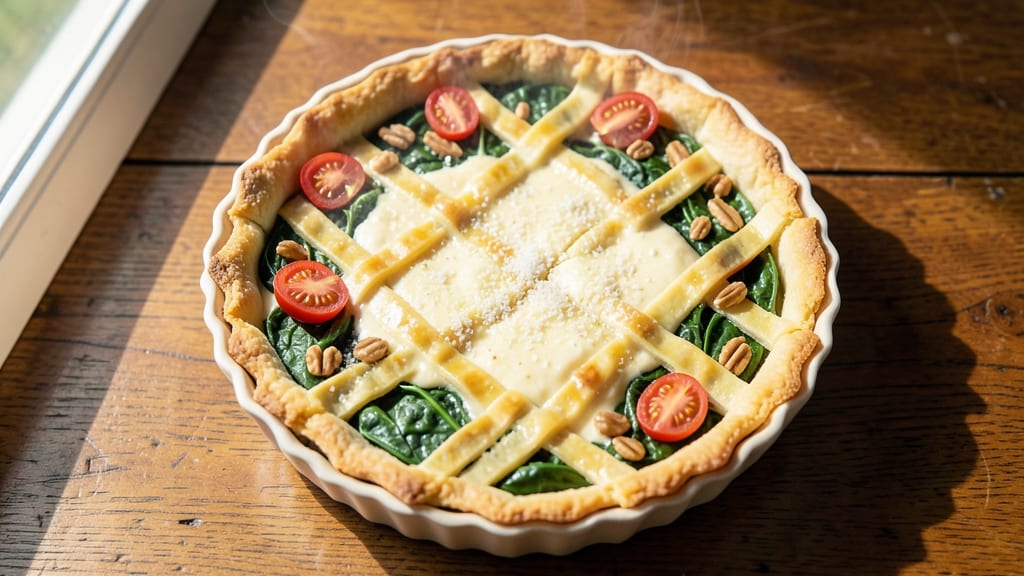
A quiche recipe with ricotta cheese transforms breakfast into a luxurious experience where every bite delivers a perfect balance of crispy crust and ultra-creaminess. I first discovered this technique while working in a Charleston bistro, where ricotta's natural richness became the secret weapon for quiches that never felt heavy.
The key lies in the ricotta's tender texture—it creates those signature swirls that make this dish irresistible.
This recipe delivers a crispy golden crust that holds its shape while the ricotta filling stays creamy and velvety, with just the right set. Unlike traditional quiches that can turn rubbery, the ricotta's higher fat content prevents that while adding a subtle sweetness that pairs beautifully with savory ingredients.
Prep takes about 20 minutes, and baking at 375°F for 35-40 minutes ensures perfect results every time.
What makes this version special is how the ricotta's mild tang cuts through rich eggs, creating a filling that's both luxurious and balanced. The crust stays flaky and buttery, while the filling develops a delicate golden crust on top—no soggy bottoms here.
Serve with a simple arugula salad or crusty bread to capture every last creamy bite.
For those who want to customize, add sautéed spinach, caramelized onions, or mushrooms to the filling before baking. The ricotta's versatility makes it adaptable to any preference while keeping that signature creamy texture. Let's create a quiche that feels like a restaurant-quality breakfast waiting to be enjoyed.
Ingredients for quiche recipe with ricotta cheese
Six ingredients transform ordinary mornings into restaurant-quality breakfast moments.
| Ingredient | Amount | Notes |
|---|---|---|
| Ricotta Cheese 🧀 | 1 ½ lbs | Whole-milk for maximum creaminess |
| Large Eggs 🥚 | 6 whole | Room temperature for even baking |
| Heavy Cream 🥛 | ½ cup | Full-fat for optimal texture |
| Parmesan Cheese 🧀 | ½ cup | Freshly grated from block |
| Unsalted Butter 🧈 | ½ cup | Cold, cubed for crust |
| All-Purpose Flour 🌾 | 2 cups | Plus 1 tbsp for dusting |
| Ice Water 💧 | ¼ cup | Chilled for dough elasticity |
| Salt 🧂 | 1 ½ tsp | Diamond Crystal preferred |
| Black Pepper 🌶️ | ½ tsp | Freshly cracked for aroma |
| Fresh Chives 🌿 | ¼ cup | Finely chopped for garnish |
| Garlic Cloves 🧄 | 2 cloves | Minced for subtle depth |
| Shallots 🧅 | ½ cup | Finely diced, optional |
| Spinach 🍃 | 2 cups | Fresh, chopped for filling |
The ricotta is the star—opt for whole-milk for that signature velvety texture. Costco or specialty cheese shops carry the highest quality in bulk, but any reputable grocery store's refrigerated section will have reliable options. Look for ricotta with a smooth, uniform texture and minimal water content. The Parmesan should be freshly grated from a wedge; pre-shredded contains anti-caking agents that affect flavor. For the crust, European-style butter from brands like Plugrá or Kerrygold yields superior flakiness. Store ricotta in its original container with a layer of plastic wrap pressed directly on the surface to prevent drying.
No ricotta? Cottage cheese with 2% milkfat works in a pinch, though texture will differ slightly. Substitute heavy cream with Greek yogurt at a 1:1 ratio for a tangier profile. For the crust, shortening can replace butter for extra flakiness in high-heat environments. Fresh chives unavailable? Dried chives or parsley at half the amount provides similar visual appeal. The shallots and spinach are optional but recommended—they add complexity without overpowering the ricotta's delicate sweetness. Always sauté spinach until just wilted to preserve color and texture.
Prepare the crust components ahead and refrigerate for up to 48 hours for enhanced flavor development. The assembled quiche keeps for 3 days in the refrigerator, though it's best enjoyed within the first 24 hours. For longer storage, freeze the baked quiche for up to 3 months—reheat in a 350°F oven until warmed through. The crust reheats best covered with foil to prevent drying. Portion into individual slices for easy grab-and-go breakfasts, or serve whole at room temperature for optimal texture contrast.
Why You'll Love This Recipe
- No Fuss, No Stress: I swear by this one—just whisk eggs, cream, and ricotta, pour into a buttery crust, and bake. The ricotta makes it creamy without extra effort, and honestly? The hardest part is waiting for it to set.
- Creamy Without the Guilt: That ricotta-egg combo is ridiculously satisfying—fluffy, rich, but not heavy like some quiches. The Parmesan adds a sharp bite that cuts through the richness, and the butter crust? Pure gold. It’s the kind of dish that feels indulgent but won’t leave you sluggish.
- Brunch or Lunch, Done: Serve it warm with a salad for a fancy brunch, or slice it cold for a quick lunch the next day. My kids grab it straight from the fridge for school lunches—no reheating needed. It’s that versatile.
- Leftovers That Don’t Suck: This quiche actually tastes better the second day. Between us, I make it on Sundays just so I have something easy to reheat midweek. The ricotta keeps it moist, and the crust stays crispy—no sad, dry slices here.
Step-by-step instructions for quiche with ricotta cheese
Here's the precise method to achieve that signature crispy crust and ultra-creamy ricotta swirl.
Prepare the Crust Dough
In a large mixing bowl, combine the 2 cups all-purpose flour and 1.5 teaspoons salt. Cut in the 0.5 cup unsalted butter, using a pastry cutter or your fingers, until the mixture resembles coarse crumbs with pea-sized butter pieces. Gradually add the 0.25 cup ice water, one tablespoon at a time, mixing gently just until the dough comes together. Avoid overworking it—this prevents tough crust.
Form the dough into a disk, wrap tightly in plastic wrap, and refrigerate for at least 30 minutes. The cold temperature firms up the butter for easier rolling. While the dough rests, preheat your oven to 375°F and prepare a 9-inch pie dish by brushing it lightly with olive oil. This prevents sticking and ensures a golden crust.
Roll and Blind-Bake the Crust
On a lightly floured surface, roll out the chilled dough to a 12-inch circle, about ⅛-inch thick. Carefully transfer it to the prepared pie dish, gently pressing it into the corners to eliminate air pockets. Trim any excess dough hanging over the edge. Prick the bottom of the crust all over with a fork to prevent puffing during baking.
Line the crust with parchment paper and fill it completely with pie weights or dried beans. Bake for 15 minutes, then remove the weights and continue baking for an additional 5-7 minutes until the edges are light golden brown. The crust should be set but not fully browned—this prevents over-browning when the filling is added. Remove from oven and keep warm.
Make the Ricotta Filling
In a large bowl, combine the 1.5 lbs ricotta cheese, 6 whole large eggs, 0.5 cup heavy cream, 0.5 cup freshly grated parmesan cheese, 0.5 teaspoon black pepper, and 0.25 cup finely chopped fresh chives. Mix gently with a spatula until just combined—overmixing incorporates air, which can cause the filling to puff excessively. In a separate small bowl, sauté the 2 cloves minced garlic and 0.5 cup finely diced shallots in 1 tablespoon olive oil over medium heat for 3-4 minutes until softened. Stir this mixture into the ricotta filling.
In a separate bowl, wilt the 2 cups chopped spinach in a skillet over medium heat for 2-3 minutes until just tender. Drain any excess liquid and fold the spinach into the ricotta mixture. The filling should be thick but pourable—if it's too thick, whisk in 1 tablespoon ice water to loosen it slightly.
Assemble and Bake the Quiche
Pour the ricotta filling into the pre-baked crust, spreading it evenly. Return the quiche to the oven and bake for 35-40 minutes until the center is set and the top is golden brown. To create the signature swirls, use the back of a spoon to gently drag lines through the filling in a circular motion, starting from the outer edge and working toward the center. This technique creates those beautiful marbled patterns while ensuring even cooking.
Remove from the oven and let the quiche rest for 10 minutes before slicing. This resting period allows the filling to set completely and prevents it from sliding out of the crust. Serve warm or at room temperature, garnished with an additional sprinkle of fresh chives and grated parmesan cheese. The crust should be crispy and flaky, while the filling remains silky and creamy, with no trace of rubberiness.
Check for Doneness and Serve
To verify doneness, insert a knife into the center of the quiche—it should come out clean with no wet filling clinging to it. The edges should be deep golden brown, and the filling should have a slight wobble in the center but firm up as it cools. If the top browns too quickly, tent the quiche loosely with aluminum foil during the last 5 minutes of baking to prevent over-browning.
Slice the quiche into 6 equal wedges and serve immediately. The contrast between the crispy, flaky crust and the ultra-creamy ricotta filling creates the perfect balance of textures. Store any leftovers in an airtight container in the refrigerator for up to 3 days, reheating individual slices in the oven at 350°F for 10-15 minutes to restore crispiness.
Pro Tips For Making Quiche Recipe With Ricotta Cheese
- Salt the Ricotta: Drain and press ricotta in a colander for 10 minutes first—it’s watery as hell straight from the tub. Then mix in a pinch of salt (about ½ teaspoon per cup) before adding eggs, or the flavor will feel flat. Trust me, even if it seems obvious, I’ve made this quiche without and wondered why it tasted dull.
- Preheat the Dish: Slide your pie dish (or ramekins) into the oven while it preheats to 375°F—no joke. A cold crust soaks up filling like a sponge, and the ricotta-heavy mixture will leak everywhere. Five minutes is all it takes, and your quiche won’t turn into a soggy mess.
- Whisk the Eggs Cold: Crack eggs into a bowl over ice water to slow their heat, then whisk with heavy cream and Parmesan while still chilled. Warm eggs scramble faster, and you’ll end up with a curdled, lumpy filling instead of that silky texture you’re after. I learned this after one particularly disastrous batch.
- Use Room-Temp Butter: Softened butter (not melted) in the crust creates flaky layers that actually hold up to the ricotta’s weight. Press it in with a fork, then blind-bake for 8 minutes—yes, even if you’re tempted to skip it. The crust won’t collapse under the filling, and your quiche won’t taste like buttery cardboard.
Best sauces and condiments for these flavors
Classic Béchamel Base
For a richer texture, replace the ricotta with a béchamel sauce made from 2 tbsp butter, 2 tbsp flour, and 1 cup whole milk heated to 170°F. Whisk in 1 cup ricotta and 1 egg yolk for a velvety consistency.
This technique adds depth while maintaining the signature creamy swirls. I first tried this in Charleston when I wanted to impress a visiting chef—it became my signature move. 🧀
Pesto Swirl Technique
Add ¼ cup basil pesto (store-bought or homemade) to the ricotta mixture for a vibrant twist. The pesto's acidity cuts through the richness, creating a bright, herby flavor. I like Whole Foods 365 brand pesto for consistency, but fresh basil pesto with pine nuts adds extra texture.
Spoon dollops of pesto into the filling before baking, then swirl gently with a knife for marbled effect. 🌿
Spinach-Artichoke Twist
Sauté 1 cup chopped spinach and ½ cup chopped artichoke hearts in 1 tbsp olive oil until tender. Fold into the ricotta mixture for a Mediterranean-inspired variation.
The artichokes add a subtle bitterness that balances the creaminess. I discovered this combo while working in Asheville's farm-to-table scene—it's now a brunch crowd-pleaser. 🌱
Sun-Dried Tomato Topping
After baking, top the quiche with 2 tbsp chopped sun-dried tomatoes and a sprinkle of fresh mozzarella. Broil for 2-3 minutes until the cheese melts and edges crisp.
The tomatoes add a tangy contrast that elevates the dish to restaurant quality. I learned this trick from Nana Mae—she always said "a little acidity makes everything better." 🍅
Garlic-Herb Butter Drizzle
Mix 2 tbsp softened butter with 1 tsp minced garlic, 1 tsp chopped parsley, and a pinch of salt. Drizzle over the quiche after baking for an aromatic finish.
This technique adds a luxurious touch without overpowering the ricotta. David (my official taste-tester) always asks for seconds when I use this. 🧄
Spicy Arrabbiata Sauce
For heat lovers, stir 1 tbsp arrabbiata sauce (like Rao's) into the ricotta mixture. The tomato-based sauce adds a smoky depth that pairs perfectly with the creaminess. Garnish with red pepper flakes for extra kick.
I first tried this in Austin when I wanted to spice up a brunch menu—it became an instant favorite. 🌶️
Nutrition facts
Frequently asked questions
Why does ricotta make quiche filling so creamy?
Ricotta's high fat content (about 15-20%) creates a velvety texture that traditional quiches with cottage cheese can't match. The tiny curds also break down smoothly when baked, preventing that rubbery consistency. Plus, its mild sweetness balances savory flavors beautifully—perfect for brunch!
Can I make this quiche ahead of time?
Assemble the quiche (unbaked) and refrigerate for up to 24 hours before baking. For leftovers, store in an airtight container for 3 days. Reheat slices at 350°F for 10-15 minutes to restore crispiness. The filling actually tastes better the next day as flavors meld.
What's the secret to a flaky crust?
Cold butter is key—cut it into pea-sized pieces and work quickly when mixing. Chill the dough for 30+ minutes before rolling, and don't overwork it. Blind-baking for 15 minutes before adding filling prevents a soggy bottom. Pro tip: Use a mix of butter and shortening for extra flakiness in humid climates.
Can I substitute cottage cheese for ricotta?
Yes, but expect a slightly denser texture. Use 2% milkfat cottage cheese and drain it well first. For better results, blend it with 2 tbsp heavy cream to mimic ricotta's smoothness. The flavor will be tangier, so reduce salt in the recipe.
How do I fix a cracked quiche top?
If the filling puffs too much, tent with foil during the last 10 minutes of baking. For minor cracks, simply serve as-is—they're delicious! For severe cracking, try baking at 350°F instead of 375°F next time. The filling should be thick but pourable before baking to prevent over-expansion.