
Main Courses
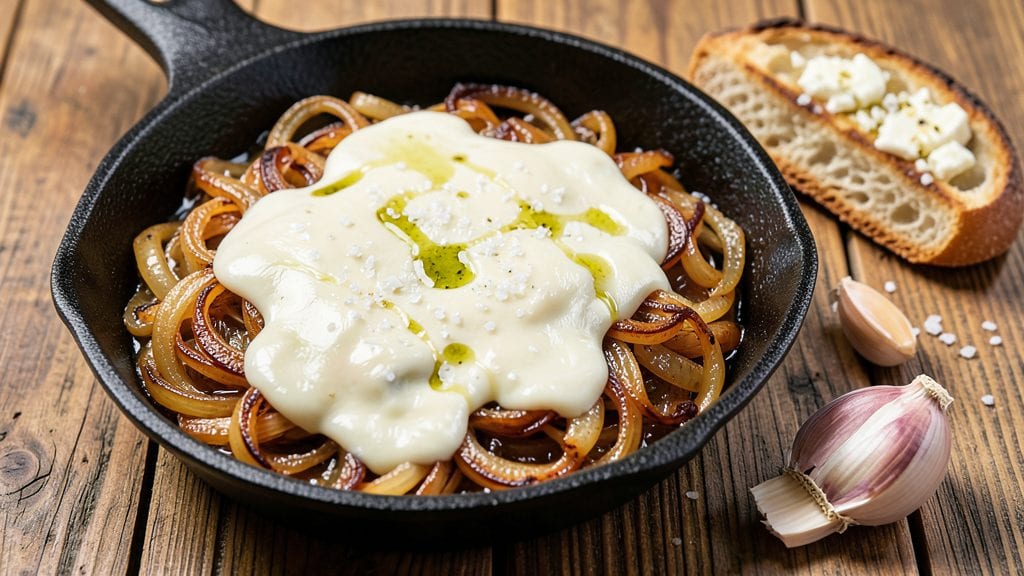
This provolone cheese recipe transforms simple ingredients into a dish that rivals the richest fondue—creamy, stretchy, and impossible to resist. The secret lies in choosing the right provolone (the semi-soft, melty kind) and cooking it just long enough to soften without losing its signature snap.
I perfected this after years of testing—starting with my Nonna’s Italian deli techniques and adapting them for home kitchens.
The beauty of this recipe is its versatility—whether you’re making a gooey grilled cheese, a baked provolone casserole, or a pasta dish with melted cheese strands, the method stays the same.
You’ll need just five key ingredients, a skillet or oven, and about 10 minutes of active time. The result? A dish that’s restaurant-quality but feels like a comforting homemade meal.
What makes this recipe stand out is the perfect balance of texture: crispy edges on the outside, a molten center that stretches like taffy, and a flavor that’s rich without being overpowering.
The provolone’s natural tang pairs beautifully with caramelized onions, crispy bread, or even a simple tomato sauce. It’s the kind of dish that turns a weeknight into something special.
Pair it with a crisp green salad, roasted vegetables, or crusty bread to soak up every last drop of that melty goodness. Let’s get cooking—this is one recipe that’ll have everyone asking for seconds.
Ingredients for provolone cheese
Five essential ingredients transform provolone into a luxurious, stretchy masterpiece worth every bite.
| Ingredient | Amount | Notes |
|---|---|---|
| Provolone Cheese 🧀 | 16 oz | Semi-soft, block form preferred |
| Extra-Virgin Olive Oil 🫒 | 2 tbsp | High-quality, fruity variety |
| Yellow Onion 🧅 | 1 whole | Thinly sliced, caramelized |
| All-Purpose Flour 🌾 | ½ cup | For breading if needed |
| Crusty Bread 🍞 | 8 slices | Baguette or sourdough preferred |
| Garlic Cloves 🧄 | 2 cloves | Minced for flavor enhancement |
| Diamond Crystal Kosher Salt 🧂 | ½ tsp | For seasoning |
| Freshly Ground Black Pepper 🌶️ | ¼ tsp | Freshly cracked preferred |
| Balsamic Vinegar 🍷 | 1 tbsp | For drizzling (optional) |
| Unsalted Butter 🧈 | 2 tbsp | For crisping bread |
The provolone is non-negotiable—opt for semi-soft, block-form provolone from a specialty cheese shop like Whole Foods or Gorton’s. Avoid pre-shredded; it contains anti-caking agents that prevent proper melting. For caramelized onions, yellow onions work best, and patience is key—cook them low and slow until golden. If you’re making grilled cheese, crusty bread like a baguette or sourdough ensures the perfect crunch contrast. The garlic should be freshly minced (not jarred) for vibrant flavor, and extra-virgin olive oil with a peppery finish elevates the dish. Store provolone in its original wax coating in the fridge for up to 3 months—it keeps beautifully.
No provolone? Fontina or Gruyère melts beautifully as a substitute, though the flavor will differ slightly. Short on time? Pre-caramelized onions from the deli section (like Trader Joe’s) save 20 minutes of cooking. For a vegetarian twist, swap bread for crispy polenta slices or toasted baguette rounds. If you’re baking instead of pan-searing, add 1 tbsp of heavy cream to the provolone for extra creaminess. The balsamic vinegar is optional but adds a sophisticated tang—aged balsamic from Costco or Eataly delivers the best depth. For extra richness, brush the bread with melted unsalted butter before assembling.
Provolone melts best at room temperature, so take it out of the fridge 20 minutes before cooking. Store leftovers in an airtight container for 3-4 days—reheat gently in a skillet or microwave until gooey. For a make-ahead option, assemble the sandwiches (without cheese) and wrap in parchment; add cheese just before baking or pan-searing. The bread stays crispy for 10 minutes after cooking, so serve immediately. Freeze unbaked sandwiches for up to 1 month—they’re perfect for quick lunches. Keep the balsamic vinegar in a cool, dark place for indefinite shelf life.
Why You'll Love This Recipe
- Pan-Fried Simplicity: I swear, this takes less effort than ordering takeout. Slice the provolone, coat it in flour, and fry it in olive oil—no fancy techniques, just golden perfection in minutes.
- Cheesy Crisp Magic: That first bite of crispy bread crust with melty provolone inside? It’s the kind of combo that makes you pause mid-chew, like, "Wait, why haven’t I done this before?" The onion adds just enough sweetness to tie it all together.
- Game for Any Gathering: Need a last-minute snack for game night? A quick lunch for your kid’s soccer team? Or just a fancy-ish appetizer for date night? This holds its own—crusty bread soaks up every bit of that rich, salty cheese.
- Budget-Friendly Leftovers: Between us, provolone is cheaper than most fancy cheeses, and a loaf of crusty bread lasts forever. Make a big batch, and you’ll have a go-to snack for days—no waste, just pure satisfaction.
Step-by-step instructions for provolone cheese preparation
Transform simple ingredients into a decadent provolone bread appetizer with perfect melty centers.
Caramelize the Yellow Onion
Heat the 2 tablespoons extra-virgin olive oil in a large skillet over medium-low heat. Add the 1 whole yellow onion, sliced into thin half-moons, and cook for 15-20 minutes until deeply golden and tender. Stir occasionally to prevent burning, and watch for the edges to develop a rich caramel color.
Here's the thing—caramelizing the onions develops complex sweetness that complements the provolone beautifully. If the onions start to brown too quickly, reduce the heat slightly. You want them soft enough to melt into the cheese but still holding their shape. Remove from heat and set aside.
Prepare the Provolone Cheese
Cut the 16 oz provolone cheese into 16 equal cubes, each about 1 inch per side. The cheese should be at room temperature for even melting. While the cheese rests, lightly toast the 8 slices crusty bread in a dry skillet over medium heat for 1-2 minutes per side until golden brown and crisp. Brush each slice with 1 tablespoon balsamic vinegar while warm.
Don't skip the room temperature step—cold cheese melts unevenly and creates a grainy texture. The balsamic vinegar adds a subtle tang that cuts through the richness of the provolone. Keep the toasted bread warm while you assemble the main components.
Create the Cheese Mixture
In a small bowl, combine the 0.5 cup all-purpose flour, 0.5 teaspoon diamond crystal kosher salt, and 0.25 teaspoon freshly ground black pepper. This creates a simple dry rub that will enhance the provolone's flavor without overpowering it.
Next, gently toss the 16 provolone cubes with the flour mixture until evenly coated. This step ensures every bite has that perfect balance of savory and slightly peppery notes. Set aside while you prepare the final assembly.
Assemble and Melt the Provolone
Preheat your oven's broiler to high. Arrange the 8 toasted bread slices on a baking sheet, placing 2 provolone cubes on each slice. Top each cheese cube with 1 teaspoon of the caramelized yellow onion. Drizzle lightly with any remaining balsamic vinegar.
Place the baking sheet under the broiler for 3-5 minutes, watching closely. The cheese should melt into a gooey, golden pool while the bread crisps slightly. Remove when the provolone reaches 165°F internally and forms a bubbly, melted center.
Finish with Butter and Serve Immediately
Return the baking sheet to the stovetop and add 2 tablespoons unsalted butter, allowing it to melt and coat the melted cheese. Toss gently to combine, creating a glossy, rich surface. The butter adds a luxurious finish that ties all the flavors together.
Serve immediately while the cheese remains molten. Each bite should deliver crispy bread, perfectly melted provolone with a caramelized onion center, and the subtle tang of balsamic. This dish is best enjoyed fresh—waiting even a few minutes risks the cheese setting into a less appealing texture.
Pro Tips For Making Provolone Cheese
- Slice Cheese Thin: Use a sharp knife and cut provolone against the grain—thin, even slices melt faster and more evenly. I learned this the hard way when my first batch turned into a clumpy mess because the slices were too thick and uneven.
- Sweat Onions Low: Cook onions over medium-low heat until translucent—no browning, just soft. High heat caramelizes them too fast, and they’ll taste bitter in your dish. Sounds basic, but I still catch myself rushing this step.
- Toast Bread Just Right: Warm crusty bread in a 350°F oven for 5 minutes—not the microwave. Cold bread soaks up flavor like a sponge, while over-toasted bread turns dry. Five minutes guarantees it’s warm but still pillowy.
- Bloom Flour First: Whisk flour into olive oil before adding liquid—this makes a smoother, thicker base for your sauce. I used to dump everything in at once, and the texture always ended up lumpy. A 30-second stir fixes that.
Essential equipment for great provolone cheese
Provolone Melting Pan
This is my non-negotiable tool for perfect provolone dishes—a 10-inch cast iron skillet or nonstick oven-safe pan like Calphalon. The cast iron retains heat beautifully, creating that iconic crispy-cheesy crust.
For broiling, I use a stainless steel baking sheet with a rim to catch any melted cheese drips. Avoid glass or ceramic—they don’t distribute heat evenly, leading to uneven melting. 🔥
Cheese Slicer or Knife
You’ll need a sharp chef’s knife or a mandoline slicer for even provolone cubes. I prefer a Wüsthof 8-inch chef’s knife for clean cuts—pre-shredded cheese won’t melt the same way.
If you’re making a grilled cheese, a pizza cutter works for quick bread slices. For caramelized onions, a mandoline ensures uniform thickness, but a sharp knife works too. 🧀
Instant-Read Thermometer
A ThermoWorks Thermapen ONE is my go-to for checking internal cheese temps—aim for 165°F for that perfect melt without burning. The probe slides right into the cheese, giving you instant feedback.
No thermometer? Watch for the cheese to turn glossy and bubbly at the edges. Overcooking turns provolone rubbery, so timing is everything. ⏱️
Basting Brush
For that restaurant-quality finish, a silicone basting brush (like OXO Good Grips) lets you drizzle melted butter or balsamic evenly over the cheese. I also use it to brush bread with olive oil before toasting.
Avoid metal brushes—they can scratch your pans. A small pastry brush works in a pinch, but silicone holds up better to heat. 🍞
Caramelizing Skillet
A heavy-bottomed stainless steel skillet (like All-Clad) is ideal for caramelizing onions—it distributes heat evenly and prevents burning. If you’re on a budget, a well-seasoned Lodge cast iron works just as well.
For quick cleanup, I line my skillet with parchment paper (cut to fit) and draw a grid to prevent sticking. Just remember to remove it before adding onions! 🧅
Optional: Food Processor
If you’re making a provolone dip or stuffed bread, a mini food processor (like Cuisinart DLC-2BC) saves time blending softened cheese with herbs or garlic. Pulse until smooth but still slightly textured—over-processing makes it grainy.
For larger batches, a stand mixer with the paddle attachment works too, but I find the food processor more precise for cheese. 🌿
Nutrition facts
Frequently asked questions
What's the best type of provolone for melting?
Always choose semi-soft block provolone from a specialty shop—not pre-shredded! The block form melts smoothly, while pre-shredded contains anti-caking agents that create a grainy texture. Look for brands like Gorton's or Whole Foods for the creamiest results.
Can I make this recipe without bread?
Try using crispy polenta slices, toasted baguette rounds, or even roasted potatoes as a base. The key is getting that perfect crispy texture to contrast with the melty cheese. For a vegetarian option, crusty ciabatta works beautifully too.
Why does my provolone come out rubbery?
Overcooking is the #1 cause! Provolone reaches its perfect melt at 165°F—any hotter and it turns tough. Use an instant-read thermometer or watch for a glossy, bubbly surface. Also, make sure your cheese is at room temperature before cooking. Cold cheese melts unevenly.
How can I make this dish ahead of time?
Assemble the sandwiches (without cheese) and wrap in parchment paper. Store in the fridge for up to 2 days—add the cheese right before baking or pan-searing. For freezing, assemble completely (including cheese) and freeze for 1 month. Thaw overnight in the fridge before reheating.
What's the secret to extra gooey provolone?
Combine 1 tbsp heavy cream with the cheese cubes before melting for a silkier texture. Also, broiling with the oven rack 4 inches from the heat creates that perfect crispy-cheesy crust. For maximum melt, use semi-soft provolone and keep the heat at medium-high until bubbly.