
Appetizers
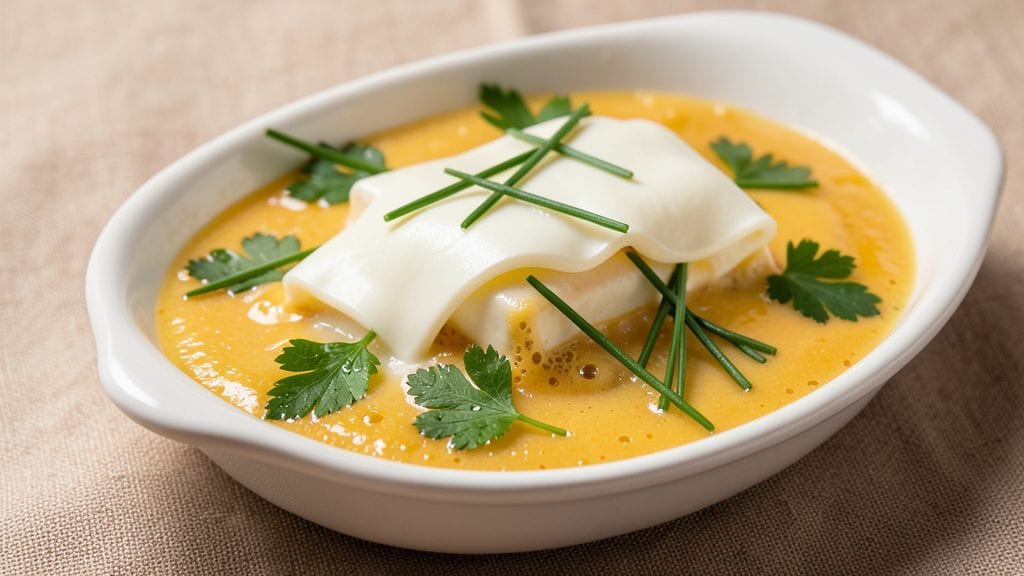
This potted cheese recipe transforms humble cheddar into a rich, velvety appetizer with a crisp herbed crust—perfect for holiday gatherings or elegant snacking. The Welsh tradition of potting cheese dates back centuries, but this modern version simplifies the process while keeping that authentic depth of flavor.
I’ve refined the technique over years of testing, ensuring the cheese melts smoothly without breaking and the crust stays perfectly golden.
The magic lies in the balance of sharp cheddar, creamy elements, and aromatic herbs that infuse every bite. Unlike store-bought versions, this recipe uses real cheese and a precise method to create a texture that’s both spreadable and substantial.
The herbed crust adds a satisfying crunch, making it ideal for serving with crackers, crusty bread, or alongside charcuterie. No special equipment is needed—just patience and attention to temperature control.
What you’ll end up with is a dish that’s rich yet refined, with a smooth, melty center and a crisp, savory crust that holds together beautifully.
The aroma alone will draw guests to the table, and the first bite delivers that perfect harmony of tangy cheese, herby notes, and buttery richness. This is the kind of appetizer that elevates any gathering from casual to memorable.
Whether you’re hosting a holiday party or simply craving a sophisticated snack, this potted cheese delivers restaurant-quality results at home. The recipe scales easily, so you can make it ahead and serve it at room temperature or slightly warmed for an extra touch of comfort.
Let’s get started on creating this crowd-pleasing classic.
Ingredients for potted cheese
Sharp cheddar, creamy bases, and aromatic herbs create this velvety potted cheese with crisp crust.
| Ingredient | Amount | Notes |
|---|---|---|
| Sharp White Cheddar Cheese 🧀 | 16 oz | Aged 12+ months for optimal sharpness |
| Cream Cheese 🧈 | 8 oz | Full-fat for maximum creaminess |
| Unsalted Butter 🧈 | 4 tbsp | Cold, cut into small cubes |
| Heavy Cream 🥛 | ½ cup | 36% fat minimum for texture |
| Fresh Chives 🌿 | ¼ cup | Finely chopped, stems removed |
| Fresh Parsley 🌿 | ¼ cup | Flat-leaf variety preferred |
| Garlic Cloves 🧄 | 2 cloves | Minced for subtle aroma |
| Diamond Crystal Kosher Salt 🧂 | ½ tsp | Adjusts to cheese saltiness |
| Ground Black Pepper 🌶️ | ¼ tsp | Freshly cracked for brightness |
| Panko Breadcrumbs 🍞 | ½ cup | Lightly toasted for crisp crust |
| Extra-Virgin Olive Oil 🫒 | 1 tbsp | For crust oiliness |
| Dried Thyme 🌿 | ½ tsp | French thyme preferred |
| Mustard Powder 🌶️ | ¼ tsp | Adds subtle tang |
The cheese selection is critical here. Sharp white cheddar from a specialty cheese shop—like Murray's Cheese or Grafton Village—delivers that authentic Welsh tang. Avoid pre-shredded cheddar; the anti-caking agents disrupt the melt. For the cream cheese, Philadelphia brand is consistent, but Organic Valley adds subtle richness. The butter should be cold when added to prevent premature melting during the potting process. Fresh herbs are non-negotiable; Whole Foods Market's herb section carries the brightest chives and parsley, but even grocery store options work if you pick the freshest bunches.
No sharp cheddar on hand? Extra-sharp cheddar works in a pinch, though the flavor will be slightly milder. Substituting cream cheese for Neufchâtel (which contains cream) adds a delicate tang, but reduce by 1 ounce to maintain balance. For those avoiding dairy, vegetable-based cream cheese alternatives can replicate the texture, though the flavor will differ. The crust can be made with crushed crackers instead of panko if needed—just toast them first. Mustard powder can be replaced with Dijon mustard at half the amount, though it may alter the texture slightly. Always adjust the salt to taste after blending, as commercial cheeses vary widely in salt content.
This potted cheese maintains its quality for up to 5 days when refrigerated in an airtight container. For longer storage, freeze portions in parchment-lined containers for up to 3 months. To serve, bring to room temperature for 1-2 hours before slicing—this allows the cheese to soften slightly for easier spreading. The crust remains crisp when served at room temperature, but if you prefer it warmer, gently reheat in a 200°F oven for 5-7 minutes. Always cover leftovers with plastic wrap pressed directly onto the surface to prevent a skin from forming.
Why You'll Love This Recipe
- No-Fuss Assembly: I swear, this takes less time than deciding what to have for dinner. Just melt the cheddar and cream cheese together with butter, stir in the heavy cream, and finish with chives—no fancy techniques, no stress.
- Creamy Sharp Magic: That sharp white chedddar? It’s the star. The butter and cream soften it just enough to make it velvety, but the tang still hits you in the best way—like a hug for your taste buds.
- Party-Ready Side Dish: Slather it on crackers for a crowd, dollop it on toast for brunch, or serve it warm with crusty bread at dinner. It’s the one dish that feels fancy but never overdoes it.
- Leftovers That Don’t Suck: Make a big batch—it keeps for days in the fridge. Honestly, I’ve had it cold, warm, or even reheated in a skillet with a splash of cream, and it’s still delicious. Zero waste, all flavor.
Step-by-step instructions for potted cheese recipe
This method delivers perfectly balanced texture—creamy, warm cheese with a golden, herbed crust that holds together beautifully.
Create the Cheese Filling
In a medium saucepan over medium-low heat, combine the 16 oz sharp white cheddar cheese and 8 oz cream cheese, cutting both into small cubes before adding. Stir gently until the cheddar begins to melt and the mixture reaches a smooth, molten state—about 5-7 minutes. Avoid boiling, as this can cause the cheese to separate.
Once melted, remove from heat and whisk in the 4 tbsp unsalted butter, 0.5 cup heavy cream, 0.25 cup fresh chives, 0.25 cup fresh parsley, 2 minced garlic cloves, 0.5 tsp diamond crystal kosher salt, 0.25 tsp ground black pepper, 0.5 tsp dried thyme, and 0.25 tsp mustard powder. The mixture should be velvety and fully combined, with no visible lumps. If the texture thickens too much, whisk in 1-2 tablespoons of warm water to restore smoothness.
Prepare the Crust Mixture
In a small bowl, combine the 0.5 cup panko breadcrumbs, 1 tbsp extra-virgin olive oil, and 0.25 tsp ground black pepper. Mix until the breadcrumbs are evenly coated and slightly toasted in appearance. This step ensures a crisp, flavorful crust that contrasts perfectly with the creamy filling.
Spread half of the crust mixture evenly across the bottom of a 4-inch round baking dish or ramekin. Press down gently but firmly to create an even layer. The crust should be compact enough to hold its shape when the cheese is poured over it, yet still allow the filling to rise slightly during baking.
Assemble and Bake
Carefully pour the warm cheese mixture over the crust layer, spreading it evenly to the edges of the dish. Sprinkle the remaining crust mixture on top, pressing down lightly to adhere. Place the dish in a 375°F preheated oven and bake for 18-22 minutes, until the top is golden brown and the edges begin to crisp.
To test doneness, gently press the center of the cheese with a clean spoon. If it springs back slightly and the crust is firm, it’s ready. Remove from the oven and let rest for 5 minutes before serving. This resting period allows the cheese to set slightly, making it easier to slice into neat, clean portions.
Serve Warm
Use a small knife to loosen the edges of the cheese from the dish, then invert onto a serving plate if desired. The contrast between the creamy, herbed cheese and the crispy crust is what makes this dish so satisfying. Serve immediately with crusty bread or crackers to soak up every last bit of the rich, melty filling.
For best results, serve within 30 minutes of baking while the cheese remains warm and the crust stays crisp. If storing, refrigerate in an airtight container for up to 3 days, then reheat in a 350°F oven for 10-12 minutes to restore the creamy texture.
Pro Tips For Making Potted Cheese
- Grate the Cheddar: DESCRIPTION: Use a box grater—not a food processor—because sharp white cheddar melts better when it’s small, even flakes. I learned this the hard way after making a runny mess from over-processed cheese that turned into glue. A medium hole works best; skip the fine shreds unless you want a grainy texture.
- Melt Butter Slow: DESCRIPTION: Warm the butter low and steady until it’s just melted and barely foaming—no browning. I used to rush it, and the butter would scorch, giving the whole dish a weird, off taste. Once it’s smooth, remove from heat; you’ll add it back later when the cheese is ready.
- Don’t Skimp Cream: DESCRIPTION: Use full-fat heavy cream—none of that lightened-up stuff—and add it gradually while stirring. I was once cheap and used half-and-half, and the result was a sad, watery potted cheese. You want it rich, so don’t hold back.
- Chill Before Chives: DESCRIPTION: Let the cheese mixture cool to room temp before folding in the chives—hot cheese wilts them into a sad, limp mess. I used to toss them in right after melting, and they’d turn to mush. Wait 10 minutes, then stir them in gently for that fresh pop.
Perfect pairings for this dish
Bread & Crackers
This potted cheese shines when paired with crusty sourdough bread or water crackers—their sturdy structure holds up to the rich, melty cheese without becoming soggy. I recommend Brioche for a buttery, slightly sweet contrast or rye crackers for a heartier bite with a hint of earthiness.
For an elevated touch, toast the bread lightly before serving to enhance its crunch. 🥖
Charcuterie Boards
Transform your potted cheese into the star of a charcuterie spread by pairing it with prosciutto, salami, and aged cheddar cubes. The salty cured meats cut through the cheese’s richness, while fig jam or honeycomb adds a sweet contrast.
Add marinated olives, cornichons, and walnuts for texture. I love arranging the potted cheese in the center with small crackers radiating outward for easy grabbing.
Wine Pairings
A dry Riesling from Germany or Austria is my go-to choice—its crisp acidity and subtle mineral notes balance the cheese’s creaminess without overpowering it. For red wine lovers, a Pinot Noir with earthy undertones complements the herbed crust beautifully.
Avoid heavy, oaky wines like Cabernet Sauvignon, as they can clash with the delicate herb flavors. 🍷
Beer & Cider
For beer drinkers, a Belgian witbier like Hoegaarden or a crisp English bitter offers a refreshing contrast.
The citrusy notes in witbiers brighten the dish, while the maltiness of bitters harmonizes with the cheese’s richness. Hard cider with a touch of apple acidity also works wonderfully—try a dry English cider like Thatchers for a crisp, clean finish.
Sweet Contrasts
Add a touch of sweetness to balance the savory flavors with dried apricots, figs, or dates arranged around the cheese. A drizzle of honey or spiced orange marmalade on the cheese itself creates a stunning visual and flavor contrast.
For a modern twist, serve with dark chocolate-covered pretzels—the saltiness of the pretzels and the bitterness of the chocolate complement the creamy cheese perfectly. 🍯
Nutrition facts
Frequently asked questions
Can I make this potted cheese ahead of time?
Yes! This recipe actually tastes better when made a day ahead. The flavors meld more completely, and the texture becomes even creamier. Store it in an airtight container in the refrigerator for up to 5 days. For serving, bring to room temperature for 1-2 hours before slicing—this prevents the cheese from being too firm.
What if my cheese mixture gets too thick?
Don't panic—just whisk in 1-2 tablespoons of warm water or heavy cream to restore smoothness. The key is to work quickly while the cheese is still warm but not boiling. If it separates, stir vigorously and return to low heat for 1-2 minutes to recombine.
Can I use a different type of cheese?
For a richer flavor, try Gruyère or Comté instead of cheddar. If you prefer a sharper taste, extra-sharp cheddar works well. Just reduce the salt slightly since aged cheeses are often saltier. Avoid pre-shredded cheese—the anti-caking agents prevent proper melting.
How do I prevent the crust from getting soggy?
Press the crust mixture firmly into the dish and ensure it's completely dry before adding the cheese. For extra insurance, toast the panko breadcrumbs in a dry pan for 2-3 minutes before mixing with olive oil. This removes any moisture and creates a crispier barrier between the cheese and crust.
What's the best way to reheat leftover potted cheese?
For the creamiest results, reheat in a 350°F oven for 10-12 minutes covered with foil. If you prefer a crispier crust, remove the foil for the last 2-3 minutes. Microwaving works in a pinch (30-second intervals), but the texture won't be as perfect.