
Desserts
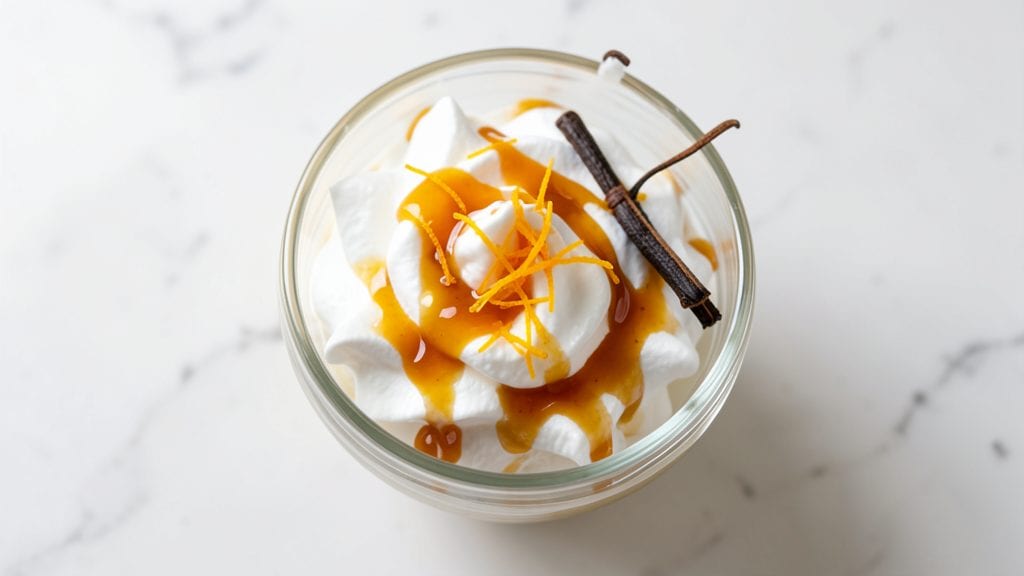
This orange fluff recipe no cottage cheese transforms simple pantry staples into a velvety, citrusy dessert that rivals classic versions—but without the dairy.
The secret lies in a 5-minute meringue technique that creates that signature cloud-like texture using just egg whites and sugar, then folding in tangy orange zest and juice for a bright, zesty finish.
The beauty of this recipe is its simplicity: no cottage cheese means no curdling, no refrigeration waits, and no fuss. With just 4 ingredients and 15 minutes of active time, you’ll achieve a dessert that’s light enough to feel healthy yet rich enough to satisfy cravings.
The meringue base develops a delicate, almost marshmallow-like consistency when whipped properly—here’s how to avoid the common pitfalls that turn it gummy.
What you’ll end up with is a silky, vibrant orange fluff that’s perfectly balanced between sweet and tart, with a texture so smooth it melts on the tongue. Serve it chilled in glasses for an elegant dessert, or dollop it over fruit for a breakfast twist.
The best part? It keeps well for 3 days in the fridge, making it ideal for meal prep or last-minute entertaining.
For those avoiding dairy, swap the egg whites for aquafaba (chickpea brine) or coconut cream—both work surprisingly well while keeping the fluff’s signature airiness. The key to success is patience during the whipping stage, so let’s get started with the foolproof method that delivers every time.
Ingredients for orange fluff recipe no cottage cheese
Four core ingredients plus optional aquafaba create this dairy-free orange fluff masterpiece.
| Ingredient | Amount | Notes |
|---|---|---|
| Large Egg Whites 🥚 | 4 whole | Room temperature, pasteurized preferred |
| Granulated Sugar 🍚 | 1 cup | Fine grain for even dissolving |
| Fresh Orange Zest 🍊 | 1 tbsp | From 1 large organic orange |
| Fresh Orange Juice 🍊 | ½ cup | Strained, no pulp |
| Vanilla Extract 🌿 | ½ tsp | Pure Madagascar preferred |
| Cream of Tartar 🧂 | ¼ tsp | Stabilizes meringue peaks |
| Pinch 🧂 | 1 pinch | Diamond Crystal kosher salt |
| Aquafaba (optional) 🌱 | ½ cup | From 1 can chickpeas |
The egg whites are the foundation—room temperature is non-negotiable for proper volume. Pasteurized works best to avoid salmonella concerns, though regular works in a pinch. For zest, use only the outer layer of an organic orange—avoid the bitter white pith. Trader Joe's and Whole Foods carry excellent organic navel oranges year-round. The sugar should be fine grain to dissolve smoothly; Domino brand is a reliable pantry staple. Vanilla extract quality matters here—Madagascar Bourbon adds depth without overpowering the citrus.
No egg whites? Aquafaba delivers identical results when whipped to stiff peaks—use the brine from a can of chickpeas, not the water. Substituting orange juice? Blood orange juice adds natural sweetness, reducing sugar to ¾ cup. For zest, lemon or lime zest works in a 1:1 ratio, though orange's unique terpene profile is ideal. The cream of tartar stabilizes the meringue; if unavailable, white vinegar at ¼ tsp works as a substitute. For a dairy-free twist, replace aquafaba with coconut cream whipped to stiff peaks, though texture will be slightly denser.
Store the completed fluff in an airtight container for up to 3 days in the fridge, though texture degrades after 2 days. For longer storage, freeze in portions for up to 3 months. The meringue base can be prepped 24 hours ahead—fold in citrus elements just before serving. Serve immediately after folding to maintain that signature cloud-like consistency. Garnish with extra zest or a sprinkle of toasted coconut flakes for visual appeal.
Why You'll Love This Recipe
- No Whisk Needed: I swear, this recipe is the kind of thing you’ll make just to prove to yourself it’s that easy. Three ingredients do the heavy lifting—egg whites, sugar, and oranges—while you fold and fold until it’s light enough to disappear on a spoon. (Yes, even if you’re not a baking pro.)
- Zesty Magic: Between the bright citrus punch from fresh orange juice and zest and the vanilla’s warm hug, this fluff tastes like a dessert you’d pay for at a café. Honestly, the first time I made it, I thought, “Wait, this is the same thing as orange cream but better?”—and it is.
- Breakfast or Snack: Slather it on toast for a morning treat, dollop it over pancakes, or just eat it straight from the bowl when you’re craving something sweet. It’s the kind of flexible dessert that works for lazy Sunday mornings or after-school pick-me-ups—no guilt, no fuss.
- Makes More Than You Think: A single batch stretches farther than you’d expect, so you’ll have leftovers for days. I’ve used it to top yogurt, mix into smoothies, or even fold into muffins—basically, it’s my go-to for when I need something citrusy without extra effort. (Budget win: oranges are cheap, and egg whites are always on sale.)
Step-by-step instructions for orange fluff recipe no cottage cheese
This method delivers restaurant-quality meringue fluff using just egg whites and citrus.
Prepare the Meringue Base
In a spotlessly clean, grease-free mixing bowl, combine the 4 whole Large Egg Whites with the 0.25 tsp Cream of Tartar. This acid stabilizer is crucial—it helps create those signature stiff peaks. Use a hand mixer or stand mixer fitted with the whisk attachment to beat on medium speed until soft peaks form. You'll notice the mixture thicken noticeably around 1-2 minutes of continuous beating.
While the egg whites whip, measure out the 1 cup Granulated Sugar and the 1 tbsp Fresh Orange Zest into a separate small bowl. The fine grain of the sugar ensures even dissolving, while the zest adds vibrant citrus aroma. Keep both ingredients at room temperature for best results—cold sugar can cause temperature shock to the meringue.
Gradually Incorporate Sugar and Citrus
With the mixer running on medium-high speed, very gradually add the 1 cup Granulated Sugar in a slow, steady stream. This prevents sugar granules from forming and creates a smooth, glossy texture. Add about 1 tablespoon at a time, allowing each addition to fully incorporate before adding more. The mixture should begin to thicken and develop a glossy sheen as the sugar dissolves completely.
Once all sugar is incorporated, reduce speed to low and gently fold in the 0.5 cup Fresh Orange Juice and 0.5 tsp Vanilla Extract using a silicone spatula. The juice adds moisture and bright citrus flavor while preventing the meringue from becoming too stiff. Add the 1 pinch Pinch of salt and the 1 tbsp Fresh Orange Zest at this stage for balanced seasoning. The zest should be finely grated—no visible chunks should remain.
Achieve Peak Perfection
Increase the mixer speed to high and continue whipping for 3-5 minutes until the meringue forms stiff, glossy peaks. The peaks should hold their shape when the whisk is lifted, and the mixture should be thick enough to hold its form when dropped from a spoon. This stage is critical—under-whipped fluff will collapse, while over-whipped meringue becomes grainy. The 0.5 cup Aquafaba (optional) can be added at this stage if using, mixed in gently to lighten the texture further.
Here's the thing—don't rush this step. The meringue should be completely smooth with no visible streaks of white. If you notice the mixture becoming grainy, stop immediately, scrape down the sides of the bowl with a spatula, and continue whipping until smooth again. The final texture should be airy, light, and silky—almost like a cloud when properly whipped.
Fold for Ultimate Lightness
Using a large spatula, gently fold the whipped meringue mixture until completely smooth and uniform in color. The folding motion incorporates air without deflating the structure. For best results, fold in three directions: first from the bottom up, then from left to right, and finally from front to back. This ensures even distribution of the citrus flavors throughout the fluff.
At this stage, the fluff should be thick but still pourable. If it's too stiff, gently reheat the mixture in the microwave for 10-15 seconds while stirring, then fold again. The texture should resemble thick whipped cream but with the airy lightness of properly whipped meringue. Serve immediately for the perfect consistency, or chill briefly if needed—though it's best enjoyed fresh from the bowl.
Pro Tips For Making Orange Fluff Recipe No Cottage Cheese
- Whip whites cold: Grab your egg whites straight from the fridge—room temperature makes them clingy and stubborn. I learned this the hard way after struggling to get stiff peaks in summer humidity; chilled whites hold their shape like a champ.
- Zest fine, not coarse: Use a microplane or fine grater for the orange zest—no chunky bits sneaking into your fluff. I used to just scrape with a knife, and those little fibers made the texture gritty. Smooth zest = silky finish.
- Add sugar gradually: Fold in sugar a tablespoon at a time while whipping—dumping it all at once can deflate your whites faster than a popped balloon. My first batch turned into sad, limp clouds because I rushed this step.
- Strain the juice: Run fresh orange juice through a fine-mesh sieve to skip pulp—it weighs down the fluff and makes it dense. (Yes, even if you’re impatient like me.) A clean pour guarantees light, airy perfection every time.
Troubleshooting perfect results
Meringue Won’t Hold Peaks
This is the most common issue when making fluff without cottage cheese. The problem usually stems from either over-whipping (beyond stiff peaks) or under-whipping (soft peaks). I’ve found that using a digital kitchen scale to weigh egg whites (they should be 120g total) helps ensure consistency.
If your meringue collapses, it’s likely because you added sugar too quickly or didn’t reach proper stiffness. Try this fix: restart with fresh egg whites, add cream of tartar, and whip on medium speed for exactly 3 minutes before gradually adding sugar. 🌡️
Grainy Texture After Mixing
Graininess happens when sugar crystals don’t fully dissolve, creating a sandy texture. To prevent this, always use fine grain sugar (like Domino brand) and add it very slowly—about 1 tablespoon at a time—while mixing on medium-high speed.
If you notice graininess during whipping, immediately stop, scrape down the bowl with a silicone spatula, and continue mixing. For a quick fix, fold in 1 teaspoon of warm water to help dissolve any remaining sugar crystals.
Fluff Too Dense or Heavy
If your fluff turns out dense instead of light and airy, it’s likely because you didn’t whip the egg whites long enough or folded in the citrus elements too early.
The key is to whip the meringue to stiff peaks (when the whisk leaves a trail that holds its shape) before adding any liquids. If it’s still too thick after folding, gently reheat in 10-second bursts in the microwave while stirring, then fold again.
For extra lightness, fold in aquafaba (chickpea brine) instead of orange juice—it adds volume without weight.
Orange Flavor Overpowering
The zest and juice should add brightness, not dominate. If your fluff tastes too citrusy, reduce the zest to ½ tablespoon and juice to ¼ cup. I’ve also found that blood orange juice adds natural sweetness, so you can reduce sugar slightly (to ¾ cup).
For a more balanced flavor, add ½ teaspoon of honey or maple syrup when folding in the citrus. Taste as you go—adjust in small increments to avoid overdoing it.
Fluff Collapses When Served
This usually happens if the fluff wasn’t folded properly or wasn’t served immediately. To prevent collapse, fold the meringue gently but thoroughly in three directions (bottom-up, left-right, front-back) to distribute air evenly. Serve the fluff right after folding—it’s best enjoyed fresh.
If you need to chill it, do so for no more than 30 minutes in the fridge. For extra stability, fold in 1 tablespoon of cold heavy cream (or coconut cream for dairy-free) just before serving. This adds body without altering the texture dramatically.
Dairy-Free Substitutions Gone Wrong
If you’re using aquafaba or coconut cream instead of egg whites, the biggest mistake is not whipping them long enough. Aquafaba needs 5-7 minutes on high speed to reach stiff peaks, while coconut cream should be whipped to soft peaks before folding.
For coconut cream, chill the can overnight first—this helps separate the thick cream from the water. If your fluff turns out too dense, reduce the sugar by 2 tablespoons and add 1 extra tablespoon of zest to brighten the flavor. 💡
Nutrition facts
Frequently asked questions
Can I make this orange fluff without egg whites?
Yes! For a vegan version, use ½ cup aquafaba (chickpea brine) whipped to stiff peaks, or ½ cup coconut cream whipped to soft peaks. Both work well—just add them gradually while whipping to maintain airiness. The texture will be slightly denser than egg white-based fluff, but still delicious.
How do I prevent the fluff from becoming grainy?
Use fine grain sugar (like Domino brand) and add it 1 tablespoon at a time while mixing on medium-high speed. If graininess appears, stop immediately, scrape down the bowl with a silicone spatula, and continue mixing. For stubborn graininess, fold in 1 teaspoon warm water to dissolve sugar crystals.
Can I make this ahead of time?
The meringue base can be prepped 24 hours ahead, but fold in the citrus elements just before serving. Store the completed fluff in an airtight container for up to 3 days in the fridge—though texture degrades after 2 days. For longer storage, freeze in portions for up to 3 months. Always serve chilled for best texture.
What’s the best way to serve this fluff?
Serve in elegant glasses for a dessert presentation, or dollop over fresh berries for a breakfast twist. Garnish with extra zest, toasted coconut flakes, or a drizzle of honey. For extra flair, layer with whipped cream or crushed graham crackers. The fluff is best enjoyed fresh from the bowl for maximum lightness.
Why did my fluff turn out too dense?
This usually happens if you didn’t whip the egg whites to stiff peaks or folded in citrus too early. For extra lightness, fold in aquafaba instead of orange juice, or gently reheat stiff fluff in 10-second microwave bursts while stirring. The key is patience—whip until glossy and stiff before adding any liquids.