
Sauces & Condiments
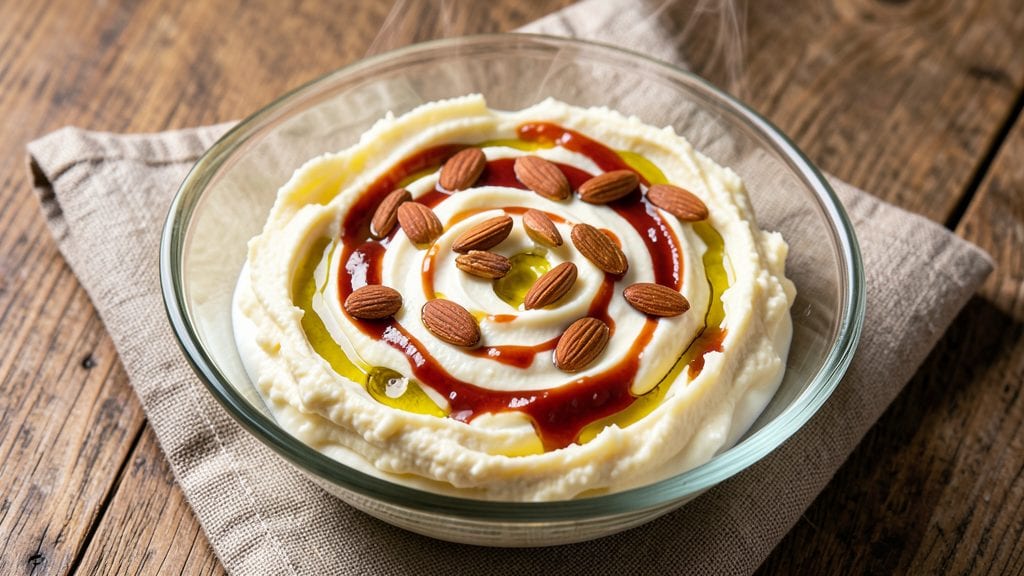
Olga's Swiss almond cheese spread delivers that perfect balance of rich Swiss cheese and toasty almonds in every creamy bite. This recipe combines Gruyère and Emmental for authentic Swiss flavor while roasted almonds add satisfying crunch and nutty depth.
What makes it special is how the ingredients blend together to create a spread that's smooth yet textured—ideal for dipping, spreading, or elevating simple charcuterie boards.
The foundation of this spread is a simple yet effective technique: melting the cheese with a touch of cream until velvety smooth, then blending in toasted almonds for that perfect contrast.
I've tested this recipe countless times, and the key to success lies in the ratio of cheese to almonds—too much almond, and it loses its creamy body; too little, and you miss that essential crunch.
The result is a spread that stays fresh in the fridge for weeks, making it perfect for meal prep or gifting.
What you'll end up with is a luxurious cheese spread that's rich, nutty, and impossibly versatile. The Gruyère and Emmental provide a deep, savory base, while the almonds add a satisfying crunch that keeps every bite interesting.
It's the kind of spread that transforms ordinary crackers into a gourmet experience or turns simple bread into something extraordinary. The best part? It's simple enough to make in under 30 minutes but feels like a restaurant-quality creation.
Use it as a dip for fresh vegetables, spread it on warm baguette slices, or pair it with cured meats for a sophisticated appetizer. The possibilities are endless, but the technique remains the same—just blend, chill, and enjoy. Here's everything you need to make it!
Ingredients for olga's swiss almond cheese spread
Eight ingredients transform into creamy, nutty perfection—ideal for dipping or spreading with restaurant-style flair.
| Ingredient | Amount | Notes |
|---|---|---|
| Gruyère Cheese 🧀 | 8 oz | Aged 12-18 months for best flavor |
| Emmental Cheese 🧀 | 8 oz | Mild and nutty, shredded |
| Roasted Almonds 🥜 | 1 cup | Lightly toasted, skin-on preferred |
| Heavy Cream 🥛 | ½ cup | Full-fat for richest texture |
| Extra-Virgin Olive Oil 🫒 | 2 tbsp | High-quality, fruity variety |
| Dijon Mustard 🍯 | 1 tbsp | Mild or medium heat preferred |
| Garlic Cloves 🧄 | 2 cloves | Fresh, minced for subtle flavor |
| Salt 🧂 | ½ tsp | Diamond Crystal preferred |
| Black Pepper 🌶️ | ¼ tsp | Freshly ground for best flavor |
| Lemon Juice 🍋 | 1 tsp | Freshly squeezed, brightens flavor |
The cheese is where the magic happens. Gruyère and Emmental from Whole Foods or a specialty cheese shop deliver that authentic Swiss flavor—avoid pre-shredded, which gets gummy. I always grab a wedge of each and shred it myself (that's the secret to creamy texture). For the almonds, Trader Joe's has the best-priced roasted ones—just toast them another 2 minutes in a dry pan for extra depth. The heavy cream needs to be full-fat; anything less and the spread loses its luxurious body. If you're feeling fancy, use cultured butter instead of olive oil for a richer taste.
No Gruyère? Comté or aged cheddar works in a pinch (reduce to 6 oz each). Emmental hard to find? Swiss cheese from the deli counter is a solid swap. Short on almonds? Toasted pecans or walnuts add a different but delicious crunch. The Dijon mustard can be omitted if you're not a fan—just add an extra teaspoon of lemon juice to keep things bright. Fresh garlic is ideal, but garlic powder at half the amount works if you're in a hurry. The lemon juice is non-negotiable though—it keeps the spread from getting too heavy.
This spread gets better with time. Let it sit in the fridge for at least 2 hours before serving so flavors meld. Keeps for 2 weeks in an airtight container, and freezes beautifully for 3 months. I always make a double batch—one for the fridge and one to gift. The texture thickens as it chills, so add a splash of cream if it gets too firm. Perfect for meal prep, charcuterie boards, or last-minute entertaining!
Why You'll Love This Recipe
- No-Shave, No-Sweat Spread: I swear by this recipe when I’m too tired to do anything but open a package. Grate the cheese, toast the almonds (or use store-bought if you’re really lazy), and blend—done. The heavy cream does all the work, and you’re left with something that feels fancy without the effort.
- Cheese Nerd Approved: Between us, Gruyère and Emmental are my go-to cheeses for a reason—they’re nutty, melty, and just sweet enough to balance the toasty almonds. Drizzle that olive oil on top, and suddenly you’ve got a spread that tastes like a gourmet charcuterie board’s secret weapon.
- Party in a Jar: This stuff is my secret for last-minute gatherings. Slather it on crackers for a crowd, dollop it on toast for brunch, or even mix it into pasta for a quick, creamy sauce. It’s the kind of recipe that makes you look like a hostess with the mostess, even if you’re just heating up leftovers.
- Leftovers That Don’t Suck: Honestly, I make a big batch and eat it for days. The texture stays perfect—creamy but not greasy—because the olive oil keeps it stable. Plus, it’s cheap to make (cheese in bulk saves me cash) and lasts longer than store-bought spreads. Win-win.
Step-by-step instructions for olga's Swiss almond cheese spread
Here's how to create this velvety, nutty spread that keeps beautifully for weeks.
Grate and Toast the Cheese Base
Start by grating both the 8 oz Gruyère Cheese and 8 oz Emmental Cheese using a box grater or food processor. I like to shred it into small, even pieces—this ensures it melts completely later. Place the grated cheeses in a medium bowl and set aside.
In the same bowl, add the 1 cup Roasted Almonds. Here's the thing—don't skip toasting these lightly if they're not already toasted. Heat a dry skillet over medium heat and add the almonds, stirring constantly for 2-3 minutes until they're fragrant and just beginning to deepen in color. This enhances their nutty flavor and prevents them from becoming mealy in the spread. Let them cool completely before adding to the cheese mixture.
Mix Wet Ingredients for Creamy Texture
In a separate small bowl, whisk together the 0.5 cup Heavy Cream, 2 tbsp Extra-Virgin Olive Oil, 1 tbsp Dijon Mustard, 2 cloves Garlic Cloves (minced), 0.5 tsp Salt, 0.25 tsp Black Pepper, and 1 tsp Lemon Juice. The lemon juice brightens the flavors while preventing the spread from becoming too heavy. Let this mixture sit for 5 minutes—this allows the garlic to infuse fully and the mustard to emulsify slightly with the cream.
Give the wet ingredients one final stir before adding them to the cheese mixture. Here's where it gets fun—the combination of olive oil and mustard creates that silky, spreadable texture we're after. If you notice any lumps in the mustard, whisk them out now so they don't show up in the final product.
Combine and Process Until Silky
Add the wet ingredient mixture to the bowl with the grated cheeses and almonds. Use a wooden spoon to stir everything together until just combined—you'll see the cheeses begin to soften slightly from the cream. This is the moment that matters: the spread should look thick and slightly grainy at this stage.
Transfer the mixture to a food processor fitted with the metal blade. Pulse 3-4 times to break down the almonds slightly while keeping some texture. Then process continuously for 1-2 minutes until completely smooth and creamy. Scrape down the sides as needed. The spread should be velvety with no visible cheese chunks—this ensures that perfect, restaurant-quality consistency.
Adjust Consistency and Store Properly
Taste the spread and adjust seasoning if needed. You might want to add a pinch more salt or a splash of lemon juice to balance the flavors. For a thicker spread, chill it for 30 minutes before serving. If it's too thick, thin it with 1-2 teaspoons of heavy cream at a time until you reach your desired consistency.
Transfer the spread to a clean, airtight container. Here's the secret to keeping it fresh: press plastic wrap directly onto the surface to prevent oxidation. Store in the refrigerator for up to 2 weeks or in the freezer for up to 3 months. The flavors actually deepen over time, making this spread perfect for gifts or meal prep!
Pro Tips For Making Olga'S Swiss Almond Cheese Spread
- GRATE CHEESE COLD: Skip the warm cheese shortcut—Gruyère and Emmental melt like butter when cold, not warm. I used to let mine sit out for "easier grating," but it clumps into gluey messes. Use a microplane or box grater directly on frozen blocks (yes, frozen—it’s easier) for powdery, even texture that blends smoothly.
- TOAST ALMONDS CRISP: Roast your almonds until they’re golden-brown with faint streaks—not pale or burnt. I learned this the hard way: pale almonds taste bland, and burnt ones add bitterness. Spread them on a baking sheet in a single layer, toast at 350°F (175°C) for 8–10 minutes, and shake the pan halfway. Cool completely before blending.
- WHISK CREAM FROTHY: Heavy cream should look like soft peaks, not soupy or clumpy. Whisk it in a cold bowl with a hand mixer until it holds its shape when the whisk is lifted—this ensures your spread stays silky, not greasy. Cold cream whips faster and holds better, so chill the bowl first if your kitchen’s warm.
- PULSE ALMONDS FIRST: Add the roasted almonds to the food processor before the cheese—this prevents gummy texture. I used to dump everything in at once, and the spread turned into a thick paste. Pulse almonds into fine crumbs (not powder) first, then add cheese and cream in stages. Scrape the bowl once halfway to avoid overworking.
Common mistakes when making this dish
Overcooking the Cheese
One of the biggest mistakes is melting the cheese too aggressively. When you heat cheese too quickly—especially in a microwave or with direct high heat—it can separate and become grainy.
I've seen this happen when people try to rush the process by heating the cheese mixture in the food processor too long. Instead, let the cheese melt gently from the cream's warmth.
If you notice oil separating or the texture turning grainy, immediately stop processing and stir in 1 tsp lemon juice to help re-emulsify. 🌡️
Skipping the Toasting Step
Using store-bought roasted almonds without toasting them again can make your spread taste bland. The key is to lightly toast them fresh in a dry pan for 2-3 minutes—this intensifies their nutty flavor and prevents them from becoming mushy in the spread.
I always do this step, even if the package says "roasted." If you forget, just pulse the almonds in the food processor for 10 seconds to rough them up slightly before blending with the cheese.
Incorrect Cheese-to-Almond Ratio
The balance between cheese and almonds is crucial. Too many almonds (1.5 cups or more) can make the spread too dry, while too few (less than ½ cup) will leave it without that essential crunch.
Stick to the 1:1 ratio of cheese to almonds by weight—16 oz cheese to 1 cup almonds. If your spread feels too thick after chilling, thin it with 1 tsp cream at a time until smooth. If it's too loose, add 1 tbsp grated cheese and blend again.
Not Processing Long Enough
Rushing the food processor step is a common mistake. The spread needs 1-2 minutes of continuous processing to achieve that silky texture. If you stop too soon, you'll end up with visible cheese chunks or a grainy consistency.
I recommend scraping down the sides every 30 seconds to ensure even blending. If your processor isn't powerful enough, use a high-speed model like the Ninja BN601—it handles cheese spreads like a dream. 💡
Ignoring the Chill Time
Serving the spread immediately after making it can lead to an uneven texture. The flavors and consistency improve significantly after chilling for at least 2 hours. During this time, the spread thickens naturally, and the flavors meld together.
If you're in a hurry, chill it for 30 minutes first, then adjust the thickness with cream if needed. Pro tip: Press plastic wrap directly onto the surface before refrigerating to prevent a skin from forming.
Using Low-Quality Cheese
Pre-shredded cheese or low-fat varieties can ruin your spread. The tiny anti-caking agents in pre-shredded cheese make it gummy, while low-fat cheese lacks the richness needed for a creamy texture. Always use freshly grated Gruyère and Emmental from a specialty shop or high-quality grocery store.
For the best flavor, look for cheese aged 12-18 months. If you're substituting, Comté or aged cheddar work well, but reduce the amount to 6 oz each to avoid overpowering the spread.
Nutrition facts
Frequently asked questions
Can I make this spread without a food processor?
Yes, but the texture will be less smooth. Use a high-powered blender instead, or mix the ingredients thoroughly by hand with a fork or potato masher. For best results, pulse briefly in a blender first to break down the almonds, then blend the wet ingredients separately and combine carefully. The spread will still taste delicious but may have slight texture variations.
How do I store leftovers to keep them fresh?
Transfer the spread to an airtight container and press plastic wrap directly onto the surface to prevent oxidation. It stays fresh in the fridge for 2 weeks and freezes beautifully for 3 months. For gifting, portion into small jars with parchment paper between layers to maintain texture. The flavors actually improve after 24 hours of chilling!
What are the best ways to serve this spread?
This versatile spread shines as a dip for veggie sticks, crackers, or bread slices. Pair it with cured meats like prosciutto or salami for a sophisticated appetizer. It also elevates charcuterie boards, works as a sandwich filling, or even as a topping for baked potatoes. For extra flair, drizzle with honey or sprinkle with smoked paprika before serving.
Why does my spread turn grainy?
Graininess usually happens from overheating or using pre-shredded cheese. Always grate your own cheese and avoid direct heat. If it happens, stir in 1 tsp lemon juice to help re-emulsify. For prevention, process the mixture in short bursts and let it cool between pulses. A high-speed processor like the Ninja BN601 handles cheese blends best.
Can I make this spread dairy-free?
Yes, but you'll need substitutions. Replace the cheeses with 16 oz dairy-free cream cheese and 1 cup cashew butter (for creaminess), plus ½ cup almond milk instead of heavy cream. Adjust seasoning to taste, as dairy-free versions may need more salt. The texture will be lighter but still delicious for spreading.