
Appetizers
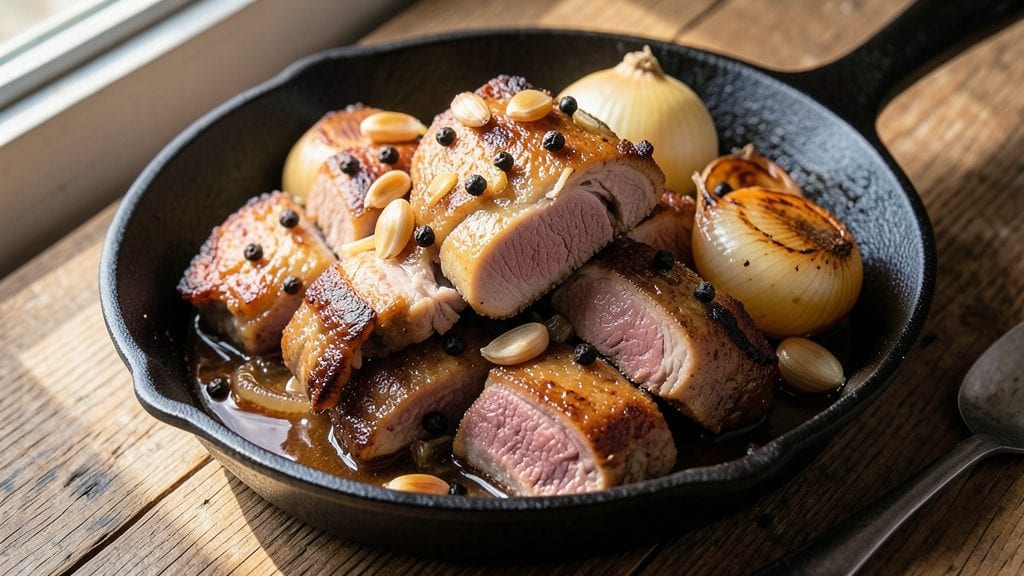
This old-fashioned hog head cheese recipe brings a taste of Appalachian tradition to your kitchen, where smoky pork and aromatic spices create a spread that’s as rich in history as it is in flavor.
The process—rendering fat from pork heads, ears, and snout—transforms humble ingredients into a velvety, spiced masterpiece that’s been a Southern staple for generations. What makes this recipe special is its simplicity: no fancy equipment, just time and patience to develop that signature depth of flavor.
The cultural significance of hog head cheese runs deep, especially in Appalachian and Southern communities where resourcefulness and tradition shaped meals. This spread isn’t just food; it’s a connection to a time when every part of the hog was used, and every bite carried stories of family and community.
The smoky-spiced flavor pairs perfectly with crispy biscuits or buttery crackers, making it a versatile addition to any gathering.
By the time you’ve simmered the pork, strained the fat, and seasoned it just right, you’ll have a spread that’s creamy, smoky, and impossible to resist. The texture is smooth yet hearty, with a subtle tang that builds with each bite.
Whether you’re serving it at a family reunion or simply enjoying it on a weeknight sandwich, this recipe delivers the kind of comfort that feels like home.
Safety and tradition go hand in hand here, so proper pork handling is key—always use fresh, high-quality cuts and follow food safety guidelines. The result? A dish that honors its roots while fitting seamlessly into modern meals. Let’s get started on this timeless recipe.
Ingredients for old fashioned hog head cheese
Pork fat, aromatic spices, and slow simmering create this Southern classic's rich, velvety texture.
| Ingredient | Amount | Notes |
|---|---|---|
| Pork Head (Ears, Snout, and Cheeks) 🐷 | 2 lbs | Fresh, trimmed of excess fat |
| Pork Shoulder (Optional for Fat) 🥓 | 1 lb | For additional pork fat |
| Yellow Onion 🧅 | 1 whole | Medium, sliced into rings |
| Garlic Cloves 🧄 | 4 cloves | Fresh, minced |
| Apple Cider Vinegar 🍎 | ¼ cup | For tangy depth |
| Black Peppercorns 🌶️ | 1 tbsp | Freshly cracked |
| Ground Black Pepper 🌶️ | 1 tsp | For finishing |
| Dried Mustard 🌿 | 1 tsp | For subtle heat |
| Ground Allspice 🌶️ | ½ tsp | Warm, earthy note |
| Salt 🧂 | 1 ½ tsp | Kosher or sea salt |
| Fresh Sage Leaves 🌿 | ¼ cup | Chopped, for aroma |
| Bay Leaf 🍃 | 1 whole | For subtle flavor |
| Water 💧 | 1 cup | For simmering |
The pork head is the heart of this recipe. Local butchers often have ears and snouts prepped for this purpose, but if you can't find them, pork cheeks or extra fat from pork shoulder work beautifully. Look for cuts with good marbling—this ensures a creamy texture. If you're sourcing from a farmers market, ask the vendor for the freshest cuts available, ideally used within a few days. The fat should render smoothly, so avoid overly lean pieces. For authenticity, some traditional recipes use the entire head, but for home cooks, focusing on ears, snout, and cheeks is plenty. If you're nervous about handling pork heads, gloves and thorough cleaning are a must.
No apple cider vinegar? White vinegar or lemon juice will work in a pinch, though the flavor will be slightly different. Fresh sage is ideal, but dried sage at one-third the amount is a good substitute. The allspice and mustard are key for that classic tang—don’t skip them. For the peppercorns, a mortar and pestle gives the best texture, but a clean coffee grinder works too. If you're short on time, pre-ground peppercorns are fine, though they lack the freshness of freshly cracked ones. The bay leaf adds depth but can be omitted if you're sensitive to its flavor. For extra smokiness, some cooks add a smoked paprika pinch, though it's not traditional.
This spread keeps beautifully in the fridge for up to 2 weeks, though the flavor deepens over time. For longer storage, freeze portions in airtight containers for up to 6 months. To reheat, warm gently in a saucepan over low heat, stirring occasionally until smooth. The texture should be creamy and spreadable, not greasy. If it separates, simply whisk it back together. For serving, let it sit at room temperature for 10 minutes before spreading—it’s more spreadable that way. Leftovers make an excellent sandwich filling or biscuit topping, and the rich flavor pairs well with pickles or sharp cheddar.
Why You'll Love This Recipe
- Here’s what sold me: you’re using parts of the pig most people skip, so it’s way cheaper than buying pre-cut steaks. Plus, the onions and garlic are pantry staples, and vinegar? You’ve got that. It’s the kind of meal that fills your belly and your wallet.
- No-Fuss Simmer: I swear by this recipe because it’s basically set-it-and-forget-it. Toss the pork head pieces—ears, snout, cheeks—into a pot with onions, garlic, and vinegar, then let it bubble away for a couple hours. That’s it. No fancy techniques, no hovering over the stove.
- Taste That Sticks: Between us, the vinegar and garlic turn this into something ridiculously good—tender, slightly tangy, with that deep, savory richness from the pork. The ears get chewy, the cheeks stay juicy, and honestly? It’s the kind of flavor that makes you want to eat it straight from the pot.
- Leftovers That Work: This recipe actually begs for seconds—or thirds. The leftovers keep for days in the fridge, and I’ve turned them into sandwiches, fried them up crispy, or even tossed them into soups. It’s my go-to for feeding a crowd without stressing.
Step-by-step instructions for old fashioned hog head cheese
Here's the method for crafting a rich, smoky-spiced hog head cheese perfect for sandwiches and biscuits.
Prepare and Simmer the Pork Head
Begin by thoroughly trimming the 2 lbs pork head (ears, snout, and cheeks) of any excess fat or connective tissue. Cut the meat into 1-inch chunks for even cooking. In a large Dutch oven, combine the pork head, 1 lb pork shoulder (optional for fat), 1 whole yellow onion (sliced into rings), 4 cloves garlic cloves (minced), 1 whole bay leaf, 1 tbsp black peppercorns, 1.5 tsp salt, 1 tsp dried mustard, and 0.5 tsp ground allspice. This combination of spices and aromatics will infuse the meat with deep, savory flavors.
Add 1 cup water and bring the mixture to a boil over high heat. Once boiling, reduce the heat to low and let it simmer uncovered for 3 hours. This slow simmering process breaks down the collagen in the pork, transforming it into a tender, spreadable consistency. Stir occasionally to prevent sticking and ensure even cooking. The liquid should reduce significantly, leaving behind a rich, flavorful base.
Add Vinegar and Sage for Depth
After the initial 3-hour simmer, stir in the 0.25 cup apple cider vinegar and 0.25 cup fresh sage leaves (chopped). The vinegar adds a tangy brightness that cuts through the richness of the pork, while the sage contributes an earthy aroma. Return the mixture to a simmer and cook for an additional 2 hours over low heat. This extended cooking time allows the flavors to meld together, creating a harmonious blend of smoky, spiced, and slightly tangy notes.
During this time, the pork should become fork-tender and easily pull apart. You'll notice the liquid further reduces, and the mixture thickens into a spreadable consistency. If it appears too dry, add 1-2 tablespoons of water to maintain the desired texture. The cheese should coat the back of a spoon smoothly, indicating it's ready for the final steps.
Finish with Black Pepper and Rest
Once the hog head cheese reaches the desired consistency, remove it from the heat and stir in the 1 tsp ground black pepper. This final touch enhances the spice profile and adds a subtle heat that complements the other flavors. Transfer the mixture to a clean, heatproof bowl and let it rest at room temperature for 1 hour. This resting period allows the flavors to settle and ensures a smooth, spreadable texture when served.
For best results, store the hog head cheese in an airtight container in the refrigerator for up to 1 week. The flavors will continue to develop over time, becoming even more pronounced. Serve it on toasted bread, spread thickly over biscuits, or use it as a filling for sandwiches. The rich, smoky-spiced spread pairs beautifully with crusty bread or soft, buttery biscuits, making it a versatile addition to any meal.
Pro Tips For Making Old Fashioned Hog Head Cheese
- Trim the Snout Properly: That pork snout won’t render fat evenly if it’s still got thick cartilage patches. Use kitchen shears to slice through the tough spots—don’t fight it with a knife—and score the skin side in a crosshatch pattern. This lets the vinegar penetrate deeper during the braising, so you’re not left with a dry, chewy mess.
- Salt the Meat First: I learned this the hard way—adding salt after the initial sear makes the pork head cheese taste flat. Wet the meat with vinegar, then rub in 2 tablespoons of kosher salt before you even think about cooking. Let it sit 30 minutes uncovered in the fridge; the seasoning will cling to every crevice, especially those ears and cheeks.
- Simmer, Don’t Boil: That big pot of vinegar and water? Keep it at a gentle simmer—no rolling bubbles, no splashing. If it boils hard, the collagen in the pork head will break down too fast, turning your head cheese into mush. A thermometer reading of 180°F (82°C) is your sweet spot; adjust the heat every 10 minutes to stay there.
- Save the Vinegar Broth: That tangy liquid you strain out? Don’t pour it down the drain. Reduce it by half on the stovetop, then use it to deglaze the pot where you rendered the fat. A splash back into the finished head cheese adds depth—skip this, and you’ll miss the bright, funky flavor that makes this dish special.
Flavor customization for this recipe
Classic Smoky-Spiced
This traditional version stays true to Southern roots with a balance of black peppercorns, dried mustard, and allspice. The key is slow simmering to render fat while developing deep, earthy flavors.
For extra smokiness, add ½ tsp smoked paprika during the final 2-hour simmer. The apple cider vinegar keeps the spread from becoming too heavy, creating that signature tang. 🌶️
Sweet Heat Variation
For a sweeter profile, swap ½ cup apple cider vinegar for ¼ cup apple cider vinegar + 2 tbsp honey. Add 1 tsp cinnamon and ½ tsp ground ginger during the initial simmer.
This version works beautifully on biscuits or as a sandwich filling with sharp cheddar. The honey caramelizes slightly, adding a subtle depth that balances the pork's richness.
Herb-Forward Twist
Boost the freshness by doubling the sage leaves to ½ cup and adding 2 tbsp fresh thyme leaves. For a brighter finish, stir in 1 tbsp lemon zest during the last 30 minutes of cooking.
This variation pairs exceptionally well with crusty bread or as a topping for roasted vegetables. The herbs add a vibrant contrast to the pork's smokiness.
Spicy Kick Option
For heat lovers, add 1 tbsp hot sauce (like Crystal or Tabasco) with the vinegar and include 1 tsp cayenne pepper in the initial spice blend. If you prefer a smoother heat, blend 1-2 chipotle peppers in adobo into the finished spread.
This version is perfect for those who enjoy bold, fiery flavors alongside the creamy pork base.
Garlic-Infused Version
Maximize garlic flavor by using 6 cloves instead of 4, and add 1 tbsp minced garlic during the final 30 minutes of simmering.
For extra depth, infuse 2 tbsp olive oil with 4 minced garlic cloves and 1 tsp red pepper flakes for 10 minutes before adding it to the spread. This variation adds a pungent, aromatic punch that elevates the dish.
Creamy Finish Adaptation
For a richer texture, stir in ¼ cup sour cream or Greek yogurt during the final 15 minutes of cooking. This addition creates a smoother, more velvety consistency while adding a subtle tang. It’s ideal for those who prefer a lighter, more spreadable version.
The dairy also helps balance the fat content, making it more approachable for those who find traditional hog head cheese too heavy. 💫
Nutrition facts
Frequently asked questions
What exactly is hog head cheese made from?
Traditional hog head cheese uses pork head components like ears, snout, and cheeks—plus pork fat for richness. The meat is simmered until tender, then blended with spices and vinegar to create a velvety spread. Unlike actual cheese, it's a meat-based condiment with a smoky, peppery depth that comes from slow cooking.
Can I substitute pork cheeks or shoulder for the head?
Yes! If you can't find pork head parts, use 2 lbs pork cheeks or extra pork shoulder fat. The texture will be slightly different but still delicious. For authenticity, ask your butcher for "pork head trimmings"—ears and snouts add unique flavor. The key is using fatty cuts to render properly during simmering.
How do I know when the hog head cheese is done?
The spread is ready when it's fork-tender and coats the back of a spoon smoothly. After 5 hours total simmering, the meat should pull apart easily. If it's too dry, add 1-2 tbsp water to maintain spreadable consistency. The final texture should be creamy yet slightly firm, not greasy.
Why does my hog head cheese taste too strong or gamey?
Gamey flavors often come from overcooking or using lean pork. Stick to fatty cuts and simmer gently—low heat for 5 hours prevents toughness. The vinegar and spices balance richness, so don't skip them. If it's still too strong, blend in 1 tbsp sour cream to mellow the flavor.
What are the best ways to serve this spread?
Classic options include thick slices on toasted bread, spread on biscuits, or as a sandwich filling with pickles. It also pairs well with cornbread or crackers. For a modern twist, try it on grilled cheese sandwiches or as a dip for veggie sticks. The smoky flavor works surprisingly well with sweet elements like honey or jam too!