
Desserts
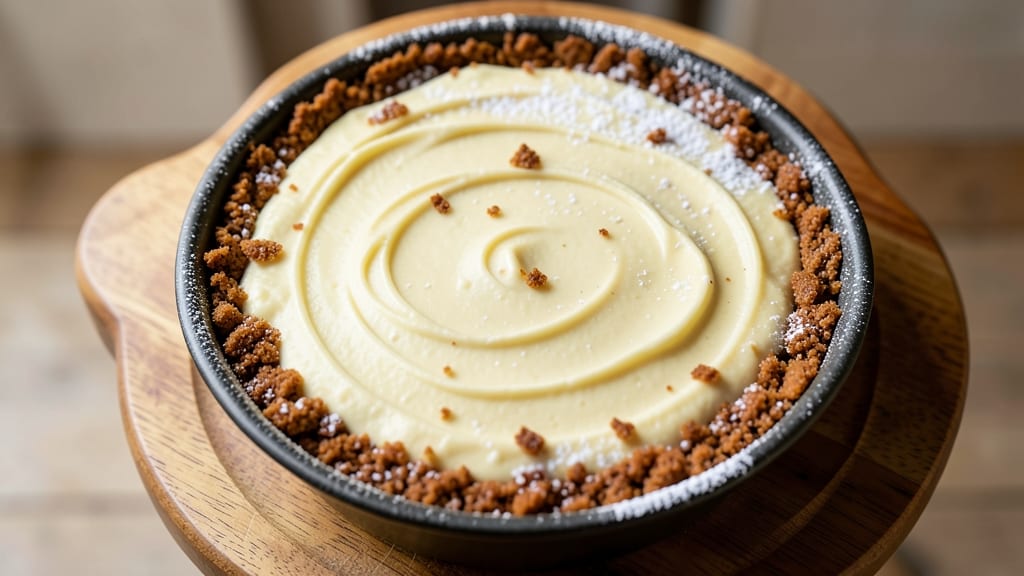
This old-fashioned cream cheese cake recipe brings the timeless elegance of 1920s baking into your kitchen with its signature buttery crust and velvety layers. The secret lies in precise layering—each component must be measured and assembled with care to achieve that classic texture we all love.
I’ve perfected this method over years of baking, ensuring every slice delivers that perfect balance of richness and tang.
The cake’s foundation begins with a buttery, crumbly crust that sets the stage for the creamy filling. A simple graham cracker base gets pressed into the pan and baked until golden, creating a sturdy foundation that holds up to the dense cream cheese layers.
The filling itself is where the magic happens—a smooth, tender yet slightly firm mixture of cream cheese, sugar, and eggs, baked to just the right doneness for that signature cut-and-serve texture.
What makes this recipe truly special is how it transports you back to a bygone era while still feeling effortlessly modern.
The layers are rich but not overly sweet, the crust remains crisp even after slicing, and the overall effect is one of restaurant-quality precision—no one will guess it’s homemade. Whether you’re serving it at a tea party or enjoying a quiet slice with coffee, this cake never disappoints.
Ready to bake? This recipe delivers foolproof results with clear steps, from crust preparation to final cooling. The key is patience—letting each layer set properly ensures clean slices every time. Let’s get started on creating a dessert that tastes like nostalgia in every bite.
Ingredients for old fashioned cream cheese cake
Timeless ingredients for a cake that tastes like history—crisp crust, velvety layers, and perfect balance.
| Ingredient | Amount | Notes |
|---|---|---|
| Graham Crackers 🍪 | 2 cups | Crushed into fine crumbs |
| Unsalted Butter 🧈 | ½ cup | Cold, cubed for crust |
| Granulated Sugar 🍚 | ¼ cup | For crust sweetness |
| Large Eggs 🥚 | 1 whole | Room temperature preferred |
| Vanilla Extract 🌿 | 1 tsp | Pure, high-quality extract |
| Cream Cheese 🧀 | 16 oz | Full-fat, room temperature |
| Powdered Sugar 🍚 | 1 ½ cups | Sifted for smooth texture |
| All-Purpose Flour 🌾 | ¼ cup | Sifted, for stability |
| Baking Powder 🧂 | ½ tsp | For lightness in filling |
| Salt 🧂 | ¼ tsp | Fine sea salt |
| Lemon Juice 🍋 | 1 tbsp | Freshly squeezed |
| Heavy Cream 🥛 | ½ cup | Cold, for piping |
| Powdered Sugar 🍚 | ½ cup | Extra for topping |
The graham crackers are non-negotiable here. Honey Maid or Keebler work best—avoid the store-brand varieties that crumble too fine. For the butter, Plugrá or Land O’Lakes unsalted are my go-tos; never use salted. The crust’s secret lies in the ratio of butter to sugar—too much sugar makes it gummy, too little and it’s dry. If your graham crackers are stale, toast them first to revive the crunch. The cream cheese? Philadelphia brand is reliable, but always check the fat content—full-fat is essential for that classic texture.
No vanilla extract? Seeds from a vanilla bean work beautifully, but measure carefully—they’re potent. Short on powdered sugar? Granulated sugar plus 1 tbsp cornstarch mimics the texture. The lemon juice brightens the filling, but if you’re avoiding it, 1 tsp white vinegar does the trick. For the heavy cream topping, whipping cream with 30% fat works in a pinch, but it won’t be as stable. The baking powder is crucial—don’t skip it, even if you’re tempted to cut calories. The filling needs that lift to cut cleanly, just like the old recipes promised.
This cake keeps beautifully—5 days in the fridge, wrapped tightly with parchment. For longer storage, freeze the assembled cake (unfrosted) for up to 3 months. Thaw overnight in the fridge, then bring to room temperature before serving. The crust stays crisp if you slice it just before serving, so plan ahead. Leftovers? Reheat slices for 10 seconds in the microwave—just enough to soften the filling without melting the crust. Store the extra powdered sugar in an airtight container to keep it from clumping.
Why You'll Love This Recipe
- No-Fuss Crust: I crush graham crackers in my food processor while the coffee brews—no measuring cups, no mess. The buttery crumbs stick together like glue, and honestly? That’s half the battle won before you even preheat the oven.
- Velvet Smooth Center: That creamy filling—just eggs, sugar, vanilla, and softened butter—whips up lighter than fluffy clouds. The graham crust soaks up just enough creaminess to make every bite taste like a hug from your favorite bakery, but with zero frosting fuss.
- Party-Ready in Hours: Make it for a brunch spread, a potluck, or just because you want dessert now. It holds together beautifully at room temp, so no last-minute stress—just slice and serve. (Yes, even on a Tuesday night.)
- Budget-Friendly Luxury: Uses pantry staples you already own—no specialty ingredients, no overpriced shortcuts. A single batch feeds six, and leftovers? They disappear faster than I can say "second slice." My secret weapon for when I need to impress without breaking the bank.
Step-by-step instructions for old fashioned cream cheese cake
Follow this classic method for a perfectly layered 1920s-style cream cheese cake with a buttery crust.
Prepare the Crust Mixture
Preheat your oven to 350°F and grease a 9-inch springform pan generously with butter. In a food processor, pulse the 2 cups graham crackers until you achieve fine crumbs—no larger than 1/8-inch pieces. This texture is crucial for a crisp, even crust.
Add the 0.5 cup cold, cubed unsalted butter and 0.25 cup granulated sugar to the processor. Pulse until the butter is evenly distributed and the mixture resembles wet sand. Press this mixture firmly into the bottom of your prepared pan, creating an even layer. Bake for 10 minutes to set the crust while you prepare the filling.
Make the Cream Cheese Filling
In a large mixing bowl, beat the 16 oz room-temperature cream cheese with an electric mixer on medium speed until completely smooth—about 2-3 minutes. This step eliminates any lumps and ensures a velvety texture. Gradually add the 1.5 cups sifted powdered sugar while mixing on low speed to avoid a cloud of powdered sugar everywhere.
Add the 1 whole room-temperature large egg, 1 tsp vanilla extract, and 1 tbsp freshly squeezed lemon juice. Mix on low speed until just combined—overmixing can incorporate air bubbles. In a separate bowl, whisk together the 0.25 cup sifted all-purpose flour, 0.5 tsp baking powder, and 0.25 tsp salt. Gently fold this dry mixture into the cream cheese batter until smooth.
Assemble and Bake the Cake
Pour the filling over the pre-baked crust, spreading it evenly to the edges. Tap the pan gently on the counter to remove any air bubbles. Bake in the preheated oven for 35-40 minutes until the center is just set—it should still have a slight wobble when gently shaken. The cake should be golden around the edges but not browned.
Remove from the oven and let cool completely in the pan on a wire rack. This cooling period prevents cracking as the cake settles. Once fully cooled, chill in the refrigerator for at least 4 hours or overnight—this step is essential for clean slices and proper texture.
Prepare the Cream Cheese Frosting
In a chilled mixing bowl, beat the 0.5 cup cold heavy cream with an electric mixer until soft peaks form. In a separate bowl, beat the remaining 0.5 cup powdered sugar with the 16 oz cream cheese (yes, the entire package again) until completely smooth. Gradually add the whipped cream to the cream cheese mixture, mixing on low speed until fully incorporated.
Spread this frosting evenly over the completely chilled cake. The frosting should be thick enough to hold its shape but still spreadable. Use a spatula to create clean edges. Dust the top with additional powdered sugar if desired, but the classic version relies on the rich cream cheese flavor without decoration.
Pro Tips For Making Old Fashioned Cream Cheese Cake
- Pulse Graham Crumbs Fine: I used to think "crushed" meant whatever—until I realized a food processor on high for 30 seconds makes a real difference. Too coarse, and your crust stays clumpy; too fine, and it turns to paste. Aim for sand-like texture, then mix in melted butter until it just holds when pressed.
- Whip Butter and Sugar First: Don’t just dump everything in the bowl at once. Beat the butter and sugar together until light and fluffy—about 3 minutes—before adding cream cheese. This keeps the batter smooth and prevents lumps later, especially if your cream cheese is cold.
- Don’t Overmix the Batter: Once you fold in the eggs and vanilla, stop mixing the second everything’s combined. Overworking the batter introduces air, which collapses in the oven and leaves a dense cake. Two turns of a spatula is all it takes.
- Chill the Pan: Pop your springform pan in the fridge for 10 minutes before baking. A cold pan helps the crust set faster and prevents the bottom from sinking or browning too quickly. (Yes, even if you’re impatient—trust me.)
Perfect pairings for this recipe
Classic Coffee Pairings
This cake's rich, tangy cream cheese flavor pairs beautifully with a bold dark roast like Starbucks Sumatra or Peet's Major Dickason's Blend. The deep, earthy notes complement the cake's buttery crust without overpowering it.
For a lighter option, try a medium-roast vanilla bean coffee—the sweetness enhances the cake's subtle vanilla undertones. Always serve coffee at 160-175°F for optimal flavor extraction. ☕
Tea Time Elegance
Earl Grey tea is my go-to pairing for this cake—its bergamot citrus brightens the cream cheese's richness while maintaining the dessert's classic charm. Brew a strong cup (2 tsp tea per 8 oz water) and steep for 4-5 minutes to intensify the flavor.
For a non-caffeinated option, chamomile tea adds a soothing contrast to the cake's density. Serve with a slice of lemon to echo the cake's lemon juice. 🍵
Wine Synergy
A dry Riesling from Germany or Austria cuts through the cake's richness with its crisp acidity and subtle honeyed notes. Look for a Kabinett-level Riesling with 8-10% alcohol—it's light enough to complement without competing.
For red wine lovers, a Pinot Noir with 12-13% alcohol and earthy undertones works surprisingly well. Chill the wine to 50-55°F before serving. 🍷
Seasonal Fruit Accents
Top your cake with fresh berries like raspberries or blackberries for a summer twist—their tartness balances the sweetness. In autumn, roasted pear slices add warm, spiced notes that pair wonderfully with the cake's buttery crust.
For winter, candied citrus peel (orange or lemon) provides a festive, aromatic contrast. Always add fruit just before serving to preserve freshness. 🍓
Spiced Liqueur Touches
A splash of Kahlúa or Grand Marnier in your coffee or tea elevates the pairing to new heights. Add ½ oz liqueur per 8 oz beverage—just enough to enhance without overpowering.
For a non-alcoholic option, vanilla syrup (like Torani's vanilla bean) mimics the depth of liqueurs while keeping the pairing family-friendly. Warm the syrup slightly before adding. 💛
Creamy Dessert Wine
Finish the meal with a Moscato d'Asti or Lambrusco—their slight effervescence and fruity notes create a refreshing contrast to the cake's dense texture. Serve these wines slightly chilled at 45-50°F to highlight their delicate flavors.
For a non-sparkling option, a sweet Muscat offers honeyed sweetness that complements the cake's cream cheese richness. 🍇
Nutrition facts
Frequently asked questions
Why does my cream cheese cake turn out too dense?
Overmixing the filling or using cold cream cheese are the most common culprits. Always beat the cream cheese until completely smooth at room temperature, then mix just until combined. Also, avoid overbaking—remove the cake when the center still has a slight wobble (35-40 minutes at 350°F).
Can I make this cake without a springform pan?
Yes, but you'll need to line a regular 9-inch pan with parchment paper for easy removal. Grease the sides and bottom thoroughly, then press the crust mixture into the pan. After baking, chill the cake in the pan for 2 hours before unmolding to prevent crumbling.
What's the secret to clean slices?
Chilling the cake for at least 4 hours (overnight is best) is non-negotiable. The cold temperature firms up the cream cheese layers, allowing for clean cuts. Use a hot knife (dipped in hot water and wiped dry) for the first slice, then clean cuts will follow naturally.
Can I substitute graham crackers for the crust?
While graham crackers create the classic texture, you can use crushed vanilla wafers or shortbread cookie crumbs in a pinch. For a gluten-free option, try a mix of almond flour and melted butter pressed into the pan. Just note the flavor will differ slightly from the traditional graham base.
How do I fix a cracked top?
Cracks usually appear from overbaking or rapid cooling. If you notice cracks forming, tent the cake with foil during the last 10 minutes of baking. For existing cracks, spread a thin layer of the cream cheese frosting over them before adding the final frosting layer—it creates a smooth finish.