
Side Dishes
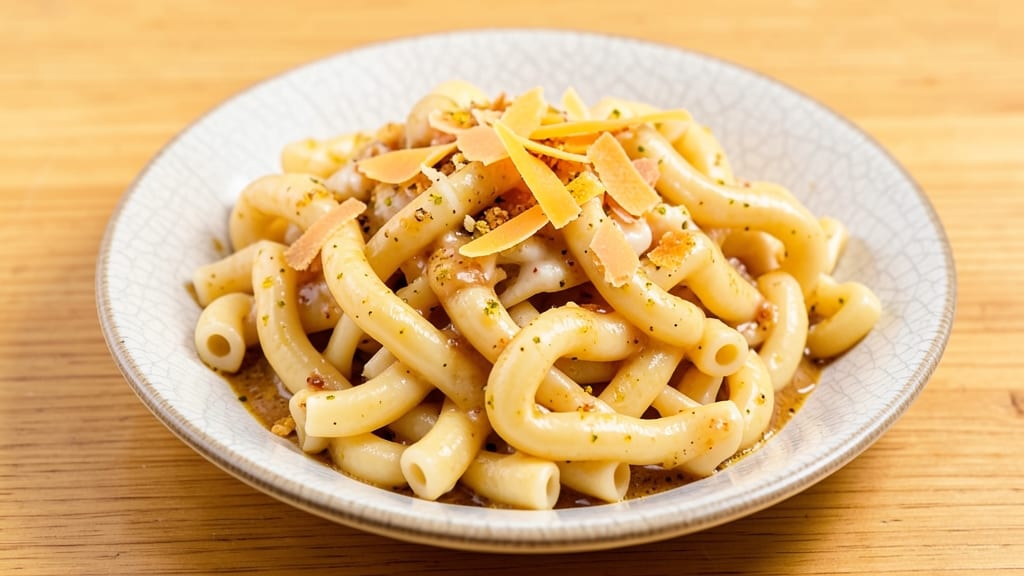
There’s something undeniably special about a bowl of mac and cheese when it’s elevated with the sharp tang of Dijon mustard—a recipe that transforms this classic side into a restaurant-worthy dish with just one key ingredient. 💛 The secret lies in balancing the richness of melted cheese with the bright, slightly spicy notes of mustard, creating swirls of flavor that make every bite unforgettable.
This isn’t your average mac and cheese recipe. We’re talking about a foolproof method that starts with perfectly cooked pasta, then builds a velvety cheese sauce infused with mustard’s signature tang.
The result is a creamy, slightly tangy dish that’s rich enough to satisfy any comfort food craving, yet refined enough to impress guests. The best part? It comes together in under an hour.
What you’ll end up with is a dish that’s ultra-creamy yet balanced by the mustard’s sharpness, with golden, bubbling cheese on top that turns crispy as it cooks. It’s the kind of mac and cheese that feels indulgent but still feels like a home-cooked meal—just with a sophisticated twist.
Trust me, this isn’t just a side; it’s the star of the plate.
Serve it as a main dish with a simple green salad or as a hearty side for roasted meats. The tangy mustard notes pair beautifully with smoky BBQ flavors or the earthiness of mushrooms. Let’s get started—your taste buds will thank you.
Ingredients for mustard mac and cheese
Short list, maximum flavor—this mac and cheese transforms with Dijon mustard magic.
| Ingredient | Amount | Notes |
|---|---|---|
| Elbow Macaroni 🍝 | 1 ½ lb | Uncooked, medium-sized pasta |
| Dijon Mustard 🧂 | ½ cup | Smooth or grainy preferred |
| Unsalted Butter 🧈 | ¾ cup | Full-fat for creaminess |
| Heavy Cream 🥛 | 1 ½ cups | Full-fat for richness |
| Sharp White Cheddar Cheese 🧀 | 2 cups | Freshly shredded preferred |
| Gruyère Cheese 🧀 | 1 cup | Shredded, for nutty depth |
| Parmesan Cheese 🧀 | ½ cup | Freshly grated from block |
| All-Purpose Flour 🌾 | ½ cup | For roux consistency |
| Milk 🥛 | 1 cup | Whole milk preferred |
| Salt 🧂 | 1 tbsp | Kosher or sea salt |
| Black Pepper 🌶️ | ½ tsp | Freshly ground preferred |
| Garlic Powder 🧄 | 1 tsp | For aromatic depth |
| Paprika 🌶️ | ½ tsp | Smoked or sweet variety |
The Dijon mustard is your secret weapon here. Look for smooth Dijon—it blends better than grainy varieties without losing that sharp tang. I always grab French's or Bonne Maman from the grocery store, but any good-quality Dijon will work. If you're using pre-shredded cheese, skip it—freshly shredded cheddar and Gruyère melt so much better. The butter matters too—unsalted so you can control the saltiness. For the pasta, elbow macaroni is classic, but cavatappi adds fun texture if you're feeling fancy. Don’t skip the Parmesan; it’s what makes the top golden and crispy.
No Dijon mustard? Whole-grain mustard blended with a splash of vinegar gets you close, though it’s not quite the same. Want to stretch the cheese? Add a cup of breadcrumbs for extra crunch, or swap in fontina cheese for extra creaminess. The milk can be 2% if you’re avoiding full-fat, but whole milk gives the best texture. The garlic powder and paprika add subtle depth—skip the paprika if you’re not into the smoky note, but it pairs perfectly with the mustard. And trust me, freshly ground black pepper is worth the extra effort—it makes all the difference.
Cook the pasta one minute less than package instructions, then drain and toss with a little butter to prevent clumping. The sauce reheats beautifully—stir in a splash of milk if it gets too thick. Store leftovers in an airtight container for 4-5 days in the fridge, or freeze for up to 3 months. I always make extra because it’s even better reheated the next day. The crispy top? Broil for 2-3 minutes until golden. Pro tip: use a baking sheet to catch the cheese splatter—trust me, it happens.
Why You'll Love This Recipe
- One-Pot Perfection: I don’t know about you, but I’m done with the mess of mac and cheese. This recipe? Just toss the pasta, cheese, and cream into the same pot—no extra bowls, no stress. The Dijon mustard blends right into the sauce while cooking, so you’re not left with a weird aftertaste or clumpy texture. My kids even help stir (when they’re not making faces at the mustard).
- Tangy Twist Wins: Honestly, the sharp cheddar and Dijon mustard are not an accident—they’re magic. That little kick from the mustard cuts through the richness of the cream, making every bite sharp yet creamy, like a perfect balance of "oh wow" and "mmm." It’s not just mac and cheese; it’s a flavor adventure.
- Leftover Legend: This is the kind of dish that improves overnight. I’ll reheat it in the morning, drizzle a little extra mustard sauce on top, and it’s still ridiculously good. And because it’s so cheap (cheese, pasta, cream—basic pantry staples), I can make a big batch for game day or a weeknight dinner without breaking the bank.
- Weeknight Hero: Between us, this is my secret weapon for nights when I’m exhausted. Cook the pasta, stir in the sauce, and done. No fancy prep, no complicated steps. My husband even calls it "the 20-minute meal" because it’s spot-on for when you’re starving but don’t want to spend an hour in the kitchen. (Yes, even on a Tuesday night.)
Step-by-Step instructions for creamy mustard mac and cheese
This tangy twist on classic mac and cheese brings rich creaminess and bright mustard notes together perfectly.
👨🍳 Step 1: Cook the Pasta Al Dente
🍳 Step 2: Build the Rich Cheese Sauce Base
🍳 Step 3: Add the Cheese and Spices
🥘 Step 4: Combine and Finish with Pasta Water
🔥 Step 5: Broil for Extra Crispy Topping
Pro Tips For Making Mustard Mac And Cheese
- Toast the Pasta First: Don’t skip this—roast your elbow macaroni in a dry pan for 3-4 minutes until golden. The toasted bits add depth and prevent the sauce from turning into a gluey mess. I used to skip this step and wondered why my mac always tasted like a bland pudding.
- Use Full-Strength Mustard: Dijon mustard is potent—don’t dilute it with water or milk. Mix 1-2 tablespoons directly into the cheese sauce while it’s still warm, then stir until it emulsifies. I learned this the hard way after my first batch tasted like it needed a shot of tang.
- Whisk Butter and Cream Together: Melt the butter first, then add the heavy cream and whisk like you’re making a roux—low and slow. This prevents lumps and ensures the sauce stays silky. I used to dump everything in cold, and my sauce turned into a sad, grainy disaster.
- Cheese It Up Gradually: Add the sharp white cheddar in small batches, letting each melt fully before adding more. If you dump it all at once, the sauce will curdle like you overmixed batter. Trust me, I’ve seen it happen.
Best sauces and condiments for these flavors
Mustard Glaze Boost
Elevate your mustard mac and cheese with a Dijon mustard glaze brushed on top before broiling. Mix 2 tbsp Dijon mustard with 1 tbsp honey and 1 tbsp melted butter for a sweet-tangy finish.
Brush generously over the baked dish just before broiling—it caramelizes into a golden, glossy crust that adds depth to every bite. 💛
Bacon & Brown Butter
Add crispy bacon and brown butter for a smoky, nutty twist. Cook 6 oz thick-cut bacon until crisp, then crumble over the finished mac and cheese. In Step 2, brown ½ cup butter until nutty aroma appears, then proceed with the recipe.
The bacon adds salty crunch, while the brown butter enriches the sauce with toasty flavor.
Pesto Swirl
For a herbaceous kick, fold in ½ cup basil pesto with the cheese in Step 3. Use a high-quality store-bought pesto like Robbins or make your own with fresh basil, pine nuts, and Parmesan.
The bright green swirls create a beautiful contrast and balance the mustard’s tang with earthy herbs. Stir gently to avoid overmixing.
Spicy Honey Drizzle
Finish with a spicy honey drizzle for a restaurant-worthy touch. Mix ¼ cup honey with ½ tsp cayenne pepper and 1 tbsp apple cider vinegar. Drizzle over the broiled mac and cheese just before serving.
The sweet-spicy contrast enhances the mustard’s sharpness while adding a modern flair. Serve with a side of crusty bread to soak up the drizzle. 🌶️
Crunchy Topping Layer
Top with toasted breadcrumbs or crushed potato chips for texture contrast. In Step 5, sprinkle ½ cup panko breadcrumbs mixed with 1 tbsp melted butter over the mac and cheese before broiling.
For a salty crunch, use thinly sliced potato chips like Lays BBQ flavor—they melt slightly into the cheese while adding a satisfying bite.
Nutrition facts
Frequently asked questions
Why does your recipe use Dijon mustard instead of regular yellow mustard?
Dijon mustard delivers a cleaner, sharper tang that pairs perfectly with the creamy cheese without overpowering it. Regular yellow mustard can be too mild or sweet, while Dijon's subtle bite balances the richness beautifully. Plus, it blends seamlessly into the sauce without clumping.
Can I make this mac and cheese ahead of time?
Assemble the dish without broiling, cover tightly with foil, and refrigerate for up to 2 days. When ready to serve, broil for 3-4 minutes to recreate that golden crust. For best results, reheat in the oven at 350°F for 20 minutes before broiling. The flavors actually deepen overnight!
What’s the best way to avoid a grainy texture in my sauce?
Use freshly shredded cheese (not pre-shredded) and avoid overcooking the roux—keep it at a pale golden color. Stir constantly when adding cheese, and if the sauce thickens too quickly, add pasta water 1 tablespoon at a time. The key is patience: let the cheese melt slowly for that silky finish.
Can I substitute other cheeses if I don’t have Gruyère?
Yes! Swap Gruyère for fontina or mild cheddar to keep the creaminess, but reduce the total cheese by ½ cup to maintain balance. Avoid low-melt cheeses like mozzarella—they’ll make the sauce watery. For extra depth, add ½ cup smoked Gouda instead.
How do I fix a sauce that’s too thick?
No worries—just whisk in pasta water gradually until smooth. If it’s still stubborn, stir in 1-2 tablespoons of milk to loosen it. The sauce should coat the back of a spoon but still cling to the pasta. Pro tip: reheat gently on the stovetop if it’s cooled too much.