
Sauces & Condiments
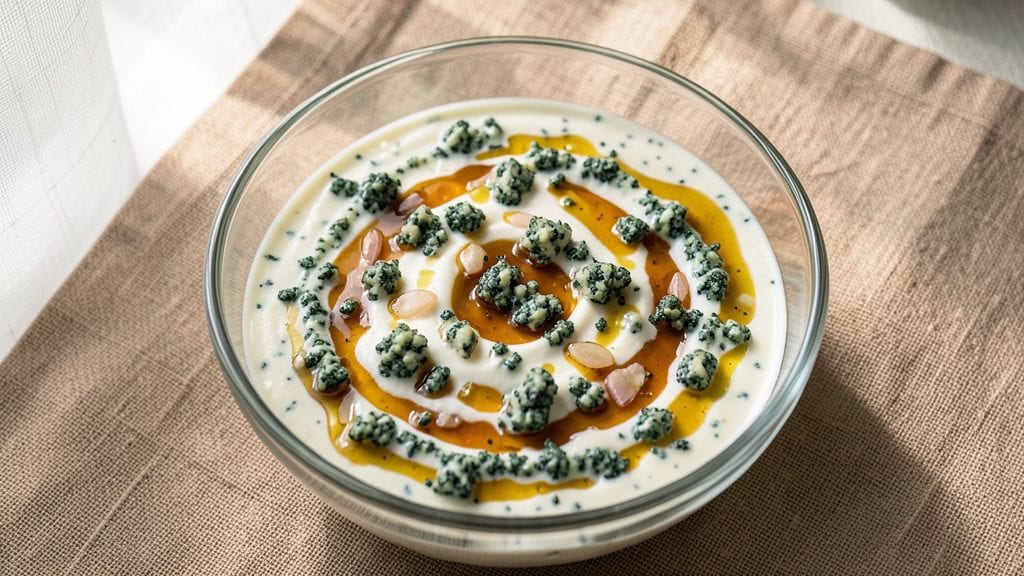
This Marie’s blue cheese vinaigrette recipe delivers that perfect balance of tangy sharpness and creamy richness to transform salads and grilled meats. This isn't your average vinaigrette—it's a carefully emulsified blend where crumbled blue cheese meets Dijon mustard and a touch of honey for depth.
The secret lies in the slow incorporation of oil while whisking vigorously, creating a sauce that clings beautifully without separating.
What makes this recipe stand out is its precision—¼ cup of crumbled blue cheese per batch ensures bold flavor without overpowering, while a 1:1 oil-to-vinegar ratio guarantees that signature tang.
The addition of a splash of heavy cream (just 2 tablespoons) transforms it from sharp to velvety, making it ideal for creamy dressings or dipping sauces. Unlike store-bought versions, this one stays fresh for up to 5 days in the fridge when properly stored.
The result is a dressing that's restaurant-quality but simple enough for home cooks. It transforms simple greens into a gourmet salad, adds depth to grilled chicken, or even works as a tangy dip for fries.
The emulsification technique ensures it won't break, even after sitting for hours—no shaking required. This is the kind of sauce that turns ordinary meals into something special.
Perfect for batch cooking—make a double batch and keep it on hand for quick meals. The flavor actually improves after resting for a few hours, allowing the blue cheese to develop its signature funk.
Whether you're prepping for a week of lunches or hosting a dinner party, this vinaigrette delivers every time.
Ingredients for marie's blue cheese vinaigrette
Eight essential ingredients create this restaurant-quality blue cheese vinaigrette with perfect creamy tang balance.
| Ingredient | Amount | Notes |
|---|---|---|
| Blue Cheese, Crumbled 🧀 | ¼ cup | Aged blue cheese preferred for funk |
| Extra-Virgin Olive Oil 🫒 | ½ cup | Light, fruity variety for balance |
| Red Wine Vinegar 🍷 | ½ cup | Dry, aged vinegar recommended |
| Heavy Cream 🥛 | 2 tbsp | Full-fat for optimal texture |
| Dijon Mustard 🌶️ | 1 tsp | High-quality, smooth variety |
| Honey 🍯 | 1 tbsp | Local raw honey preferred |
| Shallots, Minced 🧅 | 2 whole | Fresh, finely chopped preferred |
| Diamond Crystal Kosher Salt 🧂 | ¼ tsp | Fine grain for delicate seasoning |
| Freshly Ground Black Pepper 🌶️ | ¼ tsp | Freshly cracked for optimal flavor |
The blue cheese selection is critical—aged varieties like Gorgonzola or Roquefort develop deeper funk and complexity. Whole Foods or specialty cheese shops carry the best options, but a well-stocked grocery store's deli section often has excellent choices too. Opt for block cheese rather than pre-crumbled to control texture and avoid moisture. The shallots should be minced finely (almost paste-like) to prevent graininess in the final sauce. For the olive oil, Spanish or Italian varieties work best—their fruity notes complement the blue cheese beautifully without overpowering.
No aged blue cheese? Substitute with a blend of sharp cheddar and crumbled feta at half the quantity, though the flavor profile will differ. Running out of red wine vinegar? Apple cider vinegar works equally well—just reduce to 4 tablespoons to maintain acidity balance. The heavy cream can be swapped for Greek yogurt at double the amount for a lighter texture, though the emulsification may be slightly less stable. For the honey, agave nectar provides a neutral sweetness alternative if preferred. The Dijon mustard is non-negotiable—its tangy depth is essential for proper emulsification.
This vinaigrette emulsifies best when prepared at room temperature—let all ingredients sit for 15 minutes before combining. For optimal freshness, store in an airtight glass jar with a layer of plastic wrap pressed directly on the surface to prevent oxidation. The sauce maintains peak quality for 5 days refrigerated and can be frozen for up to 3 months in ice cube trays for portion control. The flavor actually improves after 2-3 hours of resting, allowing the blue cheese to develop its signature funk before use.
Why You'll Love This Recipe
- Here’s what sold me: that jar of blue cheese you’ve been meaning to use? This recipe devours it. And if you make extra? It keeps for days in the fridge, ready to elevate whatever you’re serving next. Plus, the ingredients are all pantry staples—no weird substitutions needed.
- Five-Ingredient Magic: I swear, this is the kind of dressing where you measure, stir, and boom—it’s ready. No fancy techniques, no last-minute grocery runs. The heavy cream and Dijon mustard blend so smoothly with the crumbled blue cheese that you’ll forget how little effort it took.
- Tangy Creamy Dream: Honestly, the balance here is next-level. The sharp red wine vinegar cuts through the richness of the blue cheese, while the heavy cream adds that velvety finish. Drizzle it over a warm salad, and you’ll taste why people pay for dressings at fancy restaurants.
- Weeknight Superstar: Between us, this is my go-to for everything: tossed with greens, drizzled on roasted chicken, or even as a dip for crusty bread. It’s the kind of dressing that turns a simple meal into something that feels special—without you having to do much.
Step-by-step instructions for Marie's blue cheese vinaigrette
This method delivers a perfectly balanced dressing with rich depth and velvety texture every time.
Whisk Together the Vinegar and Shallots
In a medium bowl, combine the 0.5 cup red wine vinegar with the 2 whole shallots, minced. Let this mixture sit for 5 minutes at room temperature to allow the shallots to soften slightly and release their aromatic oils. This step ensures the shallots won't overpower the delicate balance of flavors in the final dressing.
Use a whisk to gently combine the ingredients, breaking up any shallot clusters. The vinegar should begin to develop a pale, translucent appearance as the shallots macerate. This preparation is critical—it prevents the shallots from becoming bitter during the emulsification process later on.
Gradually Incorporate the Olive Oil
With the bowl positioned over a sink or large bowl to catch any potential spills, slowly drizzle in the 0.5 cup extra-virgin olive oil while whisking continuously. Begin with a slow stream and gradually increase the pace as the mixture begins to emulsify. You'll notice the dressing transform from a thin liquid to a thicker, creamy consistency.
This gradual incorporation is essential for achieving a stable emulsion. If you add the oil too quickly, the dressing may break and separate. Whisk vigorously for 2-3 minutes until the mixture becomes smooth and homogeneous, with no visible oil pooling on the surface. The result should resemble mayonnaise in texture.
Add the Cream, Mustard, and Honey
Reduce the heat slightly and stir in the 2 tbsp heavy cream, 1 tsp Dijon mustard, and 1 tbsp honey using a wooden spoon. The mustard acts as an emulsifier, helping to stabilize the dressing, while the honey adds a subtle sweetness that balances the tangy vinegar. Mix well until these ingredients are fully incorporated and the dressing achieves a uniform, velvety texture.
The heavy cream introduces a luxurious richness that elevates the dressing from a simple vinaigrette to a decadent sauce. Here's where the creamy promise comes to life—this step ensures the final product has that luxurious mouthfeel while maintaining the bright acidity from the vinegar.
Fold in the Blue Cheese and Season
Gently fold in the 0.25 cup blue cheese, crumbled using a rubber spatula, being careful not to overmix. The blue cheese should disperse evenly throughout the dressing, creating pockets of funky flavor without overpowering the delicate balance. Taste the mixture and adjust the seasoning with the 0.25 tsp diamond crystal kosher salt and 0.25 tsp freshly ground black pepper as needed.
At this stage, the dressing should have a rich, complex flavor profile with notes of tang, creaminess, and umami. The blue cheese should be noticeable but not dominant—it should enhance the other flavors rather than compete with them. If the dressing appears too thick, thin it slightly with a teaspoon of water or additional vinegar.
Rest and Adjust for Optimal Texture
Cover the bowl with plastic wrap and let the dressing rest at room temperature for 15-20 minutes. This resting period allows the flavors to meld and the emulsion to stabilize fully. During this time, check the consistency—if it has thickened too much, whisk in a few drops of water or vinegar to reach your desired pouring consistency.
The dressing should now be perfectly balanced—creamy yet bright, with a luxurious mouthfeel and complex flavor profile. It's ready to elevate salads, steak dishes, or even as a dip for crusty bread. For best results, use the dressing within 3-4 days when stored in an airtight container in the refrigerator.
Pro Tips For Making Marie'S Blue Cheese Vinaigrette
- Whisk in stages: Start by mixing the red wine vinegar, Dijon, and heavy cream first—this keeps the blue cheese from curdling immediately. Add the crumbled cheese last, then whisk in the olive oil slowly while tasting. I learned this the hard way when I dumped everything in at once and ended up with a gritty, clumpy mess.
- Use room-temp cream: Heavy cream straight from the fridge will make your dressing separate faster. Let it sit out for 10 minutes before measuring—it blends smoother and keeps the texture silky. Yes, even if you’re impatient like me, this small step makes a real difference.
- Salt the blue cheese: Skip the pre-salted cheese unless you want a dressing that’s either bland or overpoweringly salty. A pinch of flaky salt (like Maldon) mixed into the crumbled blue cheese before adding it to the dressing balances the tang perfectly.
- Thin with oil, not water: If your dressing is too thick, resist the urge to add water—it’ll break the emulsion. Instead, drizzle in extra-virgin olive oil, one tablespoon at a time, until it reaches the right consistency. The fat-to-fat bond keeps it creamy and stable.
Wine and beer pairings for this marie's blue cheese vinaigrette
White Wine Pairings
For this rich, creamy vinaigrette, I recommend a dry Chardonnay from Burgundy or California—its crisp acidity cuts through the blue cheese's funk while complementing the honey's sweetness. A 2019 Meursault or La Crema Chardonnay (around $25-$35) brings bright citrus notes that refresh your palate after each bite.
Avoid oaked Chardonnays—their vanilla and butter flavors clash with the dressing's tang.
Red Wine Options
A Pinot Noir from Oregon or Willamette Valley works surprisingly well, especially with grilled meats drizzled with this sauce. Look for a Domaine Serene Pinot Noir or La Crema Sonoma Coast Pinot Noir—their red fruit flavors and silky tannins balance the blue cheese's boldness.
Serve slightly chilled (55-60°F) to enhance the wine's acidity and prevent overpowering the dressing.
Beer Pairings
For a casual spread, a Belgian witbier like Hoegaarden or Stella Artois Wit provides the perfect contrast with its coriander and citrus notes. The effervescence cleanses your palate between bites of creamy dressing.
For heartier pairings, try a German Helles Lager—its malty sweetness and subtle hop bitterness complement the blue cheese's funk without competing.
Non-Alcoholic Options
Sparkling apple cider like Martinelli's Sparkling Brut mirrors the dressing's acidity while adding a refreshing fizz. For a savory match, try a ginger beer—the spicy kick enhances the blue cheese's umami depth. Both options work beautifully at summer gatherings when alcohol isn't an option.
Serving Temperature
Serve all beverages slightly chilled (45-50°F) to enhance their acidity and prevent them from overpowering the dressing. I like to chill white wines for 30 minutes in the fridge before serving, while beers should be served at their standard temperatures.
The key is to let the wine or beer's natural acidity complement—not compete with—the dressing's tangy creaminess. 🍷
Nutrition facts
Frequently asked questions
Why does this dressing need heavy cream?
The heavy cream creates that luxurious, velvety texture that sets this apart from traditional vinaigrettes. It rounds out the sharpness of the vinegar and blue cheese while adding richness. For a lighter version, you can substitute with 2 tablespoons Greek yogurt, though the emulsion may be slightly less stable.
Can I make this without Dijon mustard?
Yes, but it won't emulsify as smoothly. Substitute with 1 teaspoon regular yellow mustard or ½ teaspoon ground mustard powder—just be prepared for a slightly less refined texture. The mustard is key for binding the oil and vinegar properly.
How do I fix a broken emulsion?
If your dressing separates, whisk in 1 teaspoon water or vinegar while adding a pinch of salt. For stubborn separations, blend the broken sauce with 1 tablespoon neutral oil—this often re-emulsifies it instantly. The key is to work quickly before the oil and vinegar fully separate.
What's the best way to store leftovers?
Transfer to an airtight glass jar and press plastic wrap directly on the surface to prevent oxidation. Store in the fridge for up to 5 days—the flavor actually improves after 2-3 hours of resting. For longer storage, freeze in ice cube trays for portion control (up to 3 months).
Can I use this as a dip instead of a dressing?
This creamy sauce works beautifully as a dip for crusty bread, fried chicken, or even fries. The rich texture and bold flavor make it more substantial than traditional dips. For extra decadence, serve with warm baguette slices—it's a crowd-pleaser at parties!