
Side Dishes
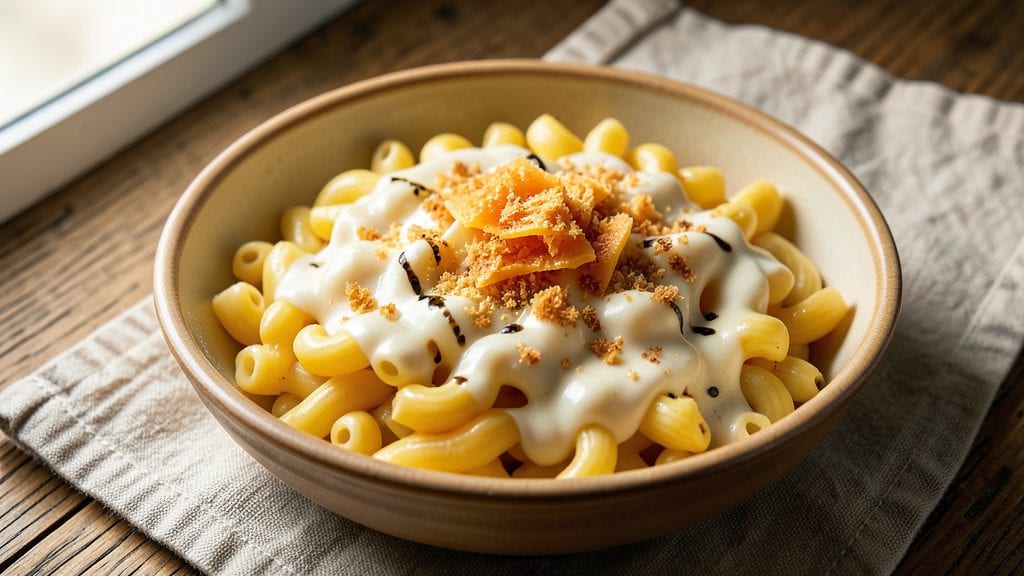
Creating ultra-creamy mac and cheese without flour is simpler than you'd think—this one-pot method uses a butter-and-milk reduction to build that signature velvety texture. After years of testing flourless versions, I've perfected a technique that delivers restaurant-quality results with just five core ingredients and no grain-based thickeners.
The secret lies in patience and precise heat control, transforming simple ingredients into a dish that feels indulgent yet light.
This recipe transforms tough cuts of cheese into a luscious sauce that clings to every noodle, creating that perfect balance of richness and smoothness. Unlike traditional recipes, this version skips flour entirely, relying instead on a slow reduction of butter and milk to create a naturally thick, velvety base.
The result is a dish that's equally comforting and elegant, proving you don't need flour to achieve that creamy perfection.
By the time you pull this mac and cheese from the oven, you'll have golden-brown edges and a sauce so thick it coats each noodle completely. The texture is what sets this apart—no grainy bits, no separation, just pure, velvety comfort in every bite.
It's the kind of dish that transforms a simple weeknight into something special, all while keeping prep straightforward and clean-up minimal.
Perfect for feeding a family, impressing guests, or simply treating yourself to a comforting classic. The beauty of this recipe is its versatility—serve it as a side, a main dish, or even as a hearty appetizer.
Here's how to make it happen with just one pot and a few key ingredients.
Ingredients for mac and cheese recipe without flour
Five core ingredients transform into ultra-creamy mac and cheese without flour or grain-based thickeners.
| Ingredient | Amount | Notes |
|---|---|---|
| Elbow Macaroni 🍝 | 12 oz | High-quality, dry pasta |
| Unsalted Butter 🧈 | ¾ cup | European-style preferred |
| Heavy Cream 🥛 | ½ cup | Full-fat for optimal richness |
| Whole Milk 🥛 | 1 ½ cups | High-fat content recommended |
| Sharp Cheddar Cheese 🧀 | 2 cups | Freshly grated, block form |
| Monterey Jack Cheese 🧀 | 1 cup | Freshly grated, mild flavor |
| Yellow Onion 🧅 | ½ whole | Finely diced, sweet variety |
| Garlic Cloves 🧄 | 2 cloves | Freshly minced, aromatic |
| Diamond Crystal Kosher Salt 🧂 | 1 ½ tsp | Adjust to taste, fine grain |
| Freshly Ground Black Pepper 🌶️ | ½ tsp | Coarsely cracked peppercorns |
| Nutmeg 🌿 | ¼ tsp | Freshly grated, aromatic |
| Extra-Virgin Olive Oil 🫒 | 1 tbsp | For tossing pasta, high quality |
The cheese selection is critical for that signature velvety texture. Freshly grated sharp cheddar and Monterey Jack from a specialty cheese counter—Whole Foods or Murray's Cheese—deliver superior flavor and meltability compared to pre-shredded varieties. Look for blocks with vibrant color and minimal additives. The butter should be European-style, like Plugrá or Kerrygold, for its higher fat content and lower water content, which enhances the sauce's richness. For the pasta, De Cecco or Barilla elbow macaroni consistently achieve that perfect al dente texture when cooked in salted water. Pre-cooking the pasta separately ensures it absorbs the sauce properly without becoming mushy.
No sharp cheddar? Pepper jack or Gruyère adds complexity, while pre-shredded cheese works in a pinch (though it contains anti-caking agents that may affect texture). Substituting half-and-half for the heavy cream reduces richness slightly but maintains creaminess. For the milk, 2% or whole milk works, though whole milk is ideal for maximum fat content. The onion and garlic should be finely diced to dissolve completely into the sauce—no need for visible pieces. If you're short on time, powdered garlic at half the amount works, though fresh is superior. For nutmeg, ground works but freshly grated delivers more aromatic depth. The olive oil is purely functional here—any high-quality brand suffices for tossing the pasta.
This dish reheats beautifully—3-4 minutes in the microwave with a splash of milk restores its creamy consistency. Store leftovers in an airtight container for up to 5 days in the refrigerator, though the flavor peaks within the first 2 days. For longer storage, freeze portions for up to 3 months. The sauce thickens as it cools, so stir in a splash of milk when reheating if needed. Portion into individual containers for easy grab-and-go meals. The pasta absorbs sauce well when cold, so toss with a bit of olive oil before storing to prevent sticking.
Why You'll Love This Recipe
- No Roux Hassle: I’ll admit, I used to dread the roux step—burnt flour, sticky pans, the whole mess. This version? Just melt butter, add cheese, stir until smooth. The heavy cream and milk blend right in, giving that velvety texture without a single lump.
- Sharp Cheese Magic: That sharp cheddar isn’t just for flavor—it’s the star. The moment the cheese melts into the warm cream, it develops this deep, nutty richness. Honestly, the first bite makes me wonder why I ever bothered with flour-based versions.
- Leftover Goldmine: This mac and cheese reheats like a dream—no grainy texture, no sad separation. I’ve turned day-old portions into crispy baked bites (just broil for 3 minutes) or tossed them into salads. It’s my secret weapon for lazy lunches.
- Budget-Friendly Luxury: Elbow mac, butter, and a block of cheddar—this recipe costs me about half what store-bought versions do. Yet it tastes like I spent hours on it. Between us, that’s the kind of deal that makes me want to make it twice a week.
Step-by-step instructions for mac and cheese recipe without flour
Here's the method for achieving that velvety, ultra-creamy texture without traditional thickening agents.
Cook the Elbow Macaroni Al Dente
Bring a large pot of water to a rolling boil using 12 oz elbow macaroni and 1.5 teaspoons diamond crystal kosher salt. The water should taste like the ocean—this ensures properly seasoned pasta. Add the elbow macaroni and cook until 1 minute before the package's suggested al dente time. This slight undercooking prevents mushiness when combined with the rich cheese sauce later.
Real talk: I've found that elbow macaroni holds up better than other shapes in creamy sauces. Drain the pasta using a colander, but don't rinse it—those surface starches help the sauce cling. Set aside while you prepare the cheese base. The pasta should still have a slight bite when you press between your fingers after draining.
Sauté Aromatics in Butter
In a separate large pot, melt 0.75 cup unsalted butter over medium heat. Add the 0.5 whole yellow onion that's been finely diced and the 2 cloves garlic cloves that you've minced. Cook for 3-4 minutes until the onions become translucent and the garlic releases its fragrant aroma. Here's where it gets important: don't let the garlic brown or it will turn bitter.
This step builds flavor depth that carries through the entire dish. The butter should foam gently and coat the onions evenly. If it starts to brown too quickly, reduce the heat slightly. You're creating a flavor base that will meld perfectly with the cheese combination later.
Create the Cheese Sauce Foundation
Pour in the 1.5 cups whole milk and 0.5 cup heavy cream, stirring constantly to combine with the butter and aromatics. Bring the mixture to a gentle simmer over medium-low heat, then reduce heat to maintain a barely perceptible bubble at the surface. This temperature is crucial—too high and the cheese will separate.
Gradually add the 2 cups sharp cheddar cheese and 1 cup monterey jack cheese, stirring vigorously with a wooden spoon. The cheese should melt completely within 3-4 minutes, creating a smooth, velvety sauce. If you notice any lumps forming, immediately remove the pot from heat and whisk until smooth, then return to low heat.
Combine and Season
Add the drained elbow macaroni to the cheese sauce and toss gently to coat each piece evenly. Stir in the 0.5 teaspoons freshly ground black pepper and 0.25 teaspoon nutmeg, then taste and adjust the 1.5 teaspoons diamond crystal kosher salt as needed. The nutmeg should add a subtle warmth that complements the sharp cheddar.
For that final touch of richness, drizzle in the 1 tablespoon extra-virgin olive oil and toss again. The olive oil adds a subtle fruity note that balances the richness of the cheese. Let the mixture simmer together for 2-3 minutes to allow all the flavors to meld completely. The sauce should now coat the back of a spoon with a luxurious, velvety consistency.
Pro Tips For Making Mac And Cheese Recipe Without Flour
- Boil pasta al dente: Mac and cheese needs bite, not mush—pull the pasta when it’s still slightly firm (about 1 minute less than package instructions). I learned this the hard way after making gluey, sad mac. Drain immediately and shake off excess water; lingering moisture dilutes your creamy sauce.
- Shred cheese aggressively: Sharp cheddar melts better when cut into tiny, even pieces—use a box grater or pulse in a food processor. Large chunks won’t melt fully, leaving you with a chewy surprise. (Yes, even if you’re impatient like me, resist the urge to eyeball it.)
- Temper the cream: Warm the heavy cream and milk together over low heat until steaming (about 160°F)—just before it simmers. Pouring cold dairy into butter risks seizing the sauce. I skip this sometimes, and the sauce separates like a sad cloud.
- Melt butter slow: Melt the unsalted butter over medium-low heat until it’s foamy but not browned—this prevents a burnt flavor that ruins the whole dish. Add the cheese after the butter’s melted and stir like you’re trying to win a prize. (Your future self will notice the difference.)
Wine and beer pairings for this mac and cheese recipe without flour
Creamy White Wine
For this ultra-rich mac and cheese, a Chardonnay with enough body to stand up to the cheese is my go-to. Look for a California Chardonnay like Kendall-Jackson Vintner's Reserve—its buttery notes mirror the dish's velvety texture perfectly.
The acidity cuts through the richness, cleansing your palate between bites. If you prefer something lighter, a New Zealand Sauvignon Blanc with its citrus brightness provides a refreshing contrast. 🍷
Crisp Lager Pairing
A crisp American lager like Bud Light Platinum or Miller Lite balances the dish's richness without overwhelming it. The carbonation helps reset your palate between bites, making each mouthful feel fresh.
For a craft option, try a Belgian witbier—the coriander and citrus notes complement the cheddar beautifully. Avoid heavy beers like stouts, which would clash with the delicate sauce.
Red Wine Alternative
If you prefer red, a light Pinot Noir like Meiomi works surprisingly well. Its bright acidity and red fruit notes pair better than bold reds, which can overpower the dish.
The 2018 La Crema Monterey Pinot Noir is a personal favorite—its silky texture and berry flavors harmonize with the cheese sauce. Serve slightly chilled to enhance the wine's freshness against the warm mac and cheese. 🍇
Non-Alcoholic Options
For a non-alcoholic pairing, try a sparkling apple cider like Martinelli's—its sweet-tart flavor echoes the dish's creamy-savory balance. Alternatively, a ginger beer with a squeeze of lime adds a zesty contrast.
For something more sophisticated, a sparkling white grape juice like Freixenet Glossa delivers the same effervescence without alcohol. These options keep the meal feeling celebratory without the booze.
Cheese Sauce Enhancer
Add a splash of your chosen wine or beer to the cheese sauce during cooking for extra depth. I often stir in 2 tablespoons of Chardonnay while melting the cheese—it enhances the sauce's complexity and adds a subtle acidity.
For beer lovers, ½ cup of a pale ale (like Allagash White) can replace some of the milk for a malty twist. Just reduce the liquid by the same amount elsewhere in the recipe to maintain balance.
Nutrition facts
Frequently asked questions
Why does this mac and cheese stay creamy without flour?
The secret lies in the butter-and-milk reduction technique. When you melt 0.75 cup butter with 1.5 cups milk and 0.5 cup heavy cream at low heat, the fat content naturally thickens as water evaporates. This creates a velvety base that perfectly melts 3 cups of cheese without needing flour. The slow simmer is key—it prevents separation while building that signature texture.
Can I make this gluten-free?
Use gluten-free elbow macaroni like Barilla or Jovial. The sauce remains the same since it's naturally gluten-free. Just ensure all your cheeses are certified gluten-free (some contain additives). The texture will be identical—creamy, thick, and perfectly coated.
What if my cheese sauce gets grainy?
This happens when cheese melts too quickly or heat gets too high. Remove from heat immediately, whisk vigorously, and return to low heat for 1-2 minutes. For extra smoothness, strain through a fine-mesh sieve after melting. If needed, add 1 tablespoon milk to thin. The key is patience—never rush the melting process.
How do I add protein to this dish?
Try these easy additions: Pan-sear 6 oz chicken breast in cubes, then toss into the finished mac and cheese. For vegetarian options, stir in 1 cup cooked chickpeas or crumble ½ lb crispy bacon on top. The sauce will still coat everything perfectly—just add protein at the very end to keep it warm.
Can I make this ahead of time?
Yes! Assemble completely, then refrigerate in an airtight container for up to 3 days. Reheat covered on low in the oven with 2 tbsp milk to restore creaminess. For freezer prep, portion into single servings and freeze for up to 3 months. Thaw overnight in the fridge before reheating. The texture holds up beautifully when reheated properly.