
Sauces & Condiments
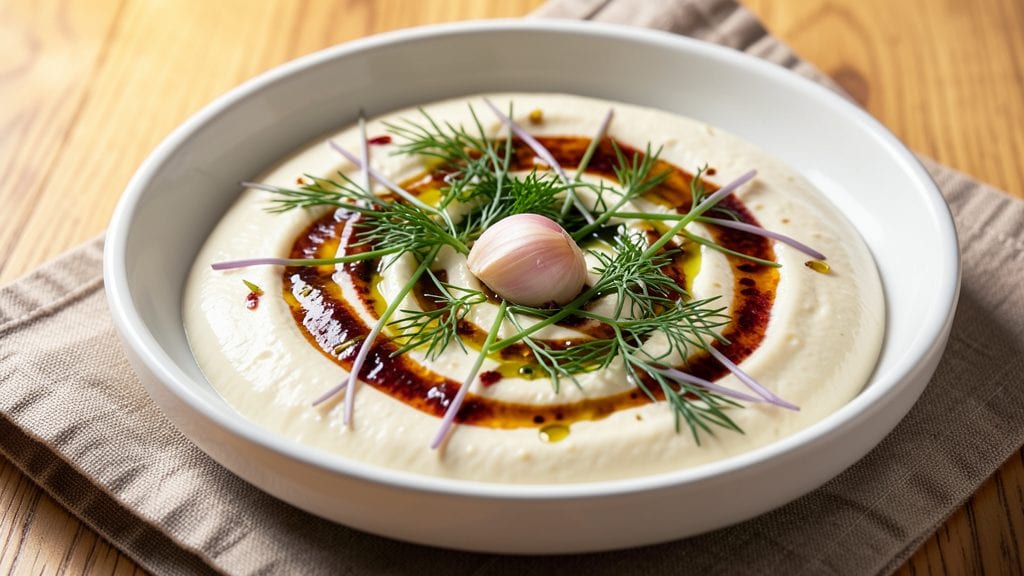
This horseradish cheese spread transforms simple ingredients into a velvety, zesty condiment that adds bite to every bite—perfect for appetizers, sandwiches, or charcuterie boards.
After years of perfecting spreads for holiday gatherings, I’ve developed a method that balances sharp horseradish with rich cream cheese for a texture that’s smooth yet substantial. The secret lies in gradual mixing to control the heat, ensuring every spoonful delivers a harmonious kick without overwhelming the palate.
The beauty of this recipe is its versatility—ready in just 15 minutes with pantry staples, yet sophisticated enough to elevate any dish. Cream cheese provides the creamy base, while prepared horseradish delivers that signature tangy heat.
A touch of garlic and fresh herbs deepens the flavor, making it far more complex than store-bought alternatives. Unlike many spreads that separate or turn grainy, this one stays lusciously smooth, thanks to a simple emulsification technique.
What you’ll end up with is a spread that’s creamy yet bold, with a perfect balance of sharpness and richness. It’s the kind of condiment that disappears quickly—ideal for pairing with crackers, melting into sandwiches, or dolloping onto roasted vegetables.
The flavor develops slightly over time, so it’s even better the next day. Whether you’re hosting a party or craving a quick snack, this recipe delivers restaurant-quality results with minimal effort.
Store leftovers in an airtight container in the refrigerator for up to 5 days, or freeze for longer shelf life. The spread also makes a thoughtful gift—just package it in small jars with a ribbon.
Let’s create this crowd-pleaser that’s as easy to make as it is impressive to serve.
Ingredients for horseradish cheese spread
Nine carefully chosen ingredients craft a velvety horseradish spread with restaurant-quality balance.
| Ingredient | Amount | Notes |
|---|---|---|
| Full-Fat Cream Cheese 🧀 | 8 oz | Room temperature for smooth blending |
| Prepared Horseradish 🌶️ | ½ cup | Mild or hot variety per preference |
| Extra-Virgin Olive Oil 🫒 | ¼ cup | High-quality for subtle fruity notes |
| Fresh Garlic Cloves 🧄 | 2 cloves | Minced for aromatic depth |
| Fresh Dill Weeds 🌿 | ¼ cup | Chopped, stems removed |
| Fresh Chives 🌱 | ⅛ cup | Finely chopped for delicate flavor |
| Diamond Crystal Kosher Salt 🧂 | ½ tsp | Fine grain for balanced seasoning |
| Freshly Ground Black Pepper 🌶️ | ¼ tsp | Cracked for maximum aroma |
| Heavy Whipping Cream 🥛 | ¼ cup | Cold for emulsification stability |
| Lemon Juice 🍋 | 1 tbsp | Freshly squeezed for brightness |
The cream cheese forms the luxurious base—Philadelphia brand is ideal for its smooth texture, though any full-fat variety works. Prepared horseradish varies in heat intensity; Gourmet Garden offers reliable mild options, while Hornsey's delivers bold kick. Fresh herbs elevate the spread beyond store-bought versions, so prioritize vibrant dill and chives from the grocery's produce section (avoid wilted stems). For the olive oil, California Olive Ranch provides consistent quality without overpowering the horseradish's sharpness. The garlic should be freshly minced just before blending to preserve its aromatic compounds—pre-minced garlic loses potency quickly.
No prepared horseradish? Fresh horseradish root grated and mixed with 1 tbsp apple cider vinegar creates a comparable tang. Substitute heavy cream with Greek yogurt for a tangier profile, though texture will be slightly thicker. When herbs aren't available, 1 tsp dried dill plus 0.5 tsp dried chives works in a pinch, though fresh delivers superior complexity. For those avoiding dairy, vegan cream cheese maintains the spread's structure but may require additional emulsification. The lemon juice can be omitted if balancing other acidic components, though it enhances the spread's brightness and shelf stability.
This spread maintains peak quality for 5 days refrigerated when stored in an airtight container with a thin layer of olive oil on top to prevent oxidation. For longer preservation, portion into small glass jars and freeze for up to 3 months—thaw overnight in the refrigerator before use. The emulsification process creates a naturally stable texture, though gentle stirring before serving ensures consistent smoothness. Package in decorative jars for elegant gift-giving, adding a ribbon for presentation. Leftovers can be revived by whisking with a splash of warm water to restore creaminess.
Why You'll Love This Recipe
- Five-Ingredient Magic: Honestly, I swear by this one—just cream cheese, horseradish, olive oil, garlic, and dill. That’s it. No fancy equipment, no waiting for anything to cook. The horseradish’s kick and the garlic’s warmth blend into something rich and tangy with zero fuss.
- Creamy Heat Balance: Between us, the horseradish can be intense, but the full-fat cream cheese softens it into this velvety, slightly spicy spread. Add a drizzle of olive oil and a pinch of dill, and suddenly it’s bold but not overpowering—like a hug for your taste buds.
- Party Ready in Minutes: I’ve used this for game day snacks, charcuterie boards, and even as a quick dip for veggies at dinner. It’s the kind of thing that makes you look like a host with their act together, even when you’re just mixing in a bowl. (Yes, even on a Tuesday night.)
- Lasts All Week: Here’s what sold me—this spread doesn’t spoil quickly. I’ll make a big batch on Sunday, and by Thursday, it’s still fresh enough to slather on crackers or mix into sandwiches. Zero waste, all flavor, and it’s cheaper than buying pre-made gourmet dips.
Step-by-step instructions for horseradish cheese spread
Here's the method for a velvety, tangy spread that balances sharp horseradish with rich creaminess.
Prepare the Base Ingredients
Begin by allowing the 8 oz full-fat cream cheese to soften at room temperature for 20-30 minutes. This ensures smooth blending without graininess. While it softens, measure out the 0.5 cup prepared horseradish—choose mild or hot based on your heat preference—and set aside.
Mince the 2 cloves fresh garlic cloves finely using a microplane or sharp knife. The goal is to create a paste that will distribute evenly throughout the spread. Chop the 0.25 cup fresh dill weeds and 0.125 cup fresh chives separately, removing any tough stems. Keep these herbs finely chopped to prevent texture inconsistencies in the final product.
Blend the Cream Cheese and Horseradish
In a food processor fitted with the metal blade, combine the softened 8 oz full-fat cream cheese and 0.5 cup prepared horseradish. Pulse 5-6 times until the mixture is completely smooth and homogeneous. This step is critical—any lumps will result in a less refined texture. Scrape down the sides of the bowl as needed to ensure even blending.
With the processor running, gradually drizzle in the 0.25 cup extra-virgin olive oil while processing continuously. This creates an emulsion that prevents separation later. The mixture should begin to lighten in color and develop a silky consistency. If it appears too thick, add 1 tablespoon of cold water to help it reach the ideal blending texture.
Incorporate Aromatics and Seasonings
Add the minced 2 cloves fresh garlic cloves, chopped 0.25 cup fresh dill weeds, and 0.125 cup fresh chives to the processor. Pulse 3-4 times until the herbs are finely distributed but not pulverized. This ensures you retain their fresh, bright flavors without turning the spread into a paste. Taste the mixture at this stage—it should be tangy and aromatic, with a clear horseradish presence.
Season with the 0.5 tsp diamond crystal kosher salt and 0.25 tsp freshly ground black pepper, pulsing just until combined. The salt will enhance the horseradish's sharpness, while the pepper adds a subtle warmth. For added brightness, add the 1 tbsp lemon juice and pulse 2-3 times to incorporate fully. The spread should now have a vibrant, zesty character with a smooth, creamy base.
Finish with Cream for Stability
Transfer the mixture to a mixing bowl and, using a silicone spatula, gently fold in the 0.25 cup cold heavy whipping cream. This step stabilizes the emulsion and adds a luxurious creaminess to the spread. The cold cream prevents the mixture from becoming too warm, which could cause the cream cheese to separate. Fold just until fully combined—overmixing can introduce air bubbles.
Taste the spread once more and adjust seasoning if needed. The final product should be velvety with a sharp horseradish kick, balanced by the richness of the cream cheese and the freshness of the herbs. For optimal flavor development, allow the spread to rest in the refrigerator for at least 1 hour before serving. This resting period allows the flavors to meld and the texture to fully set.
Pro Tips For Making Horseradish Cheese Spread
- Soften the Cream Cheese: DESCRIPTION:
- Mince the Garlic Fine: DESCRIPTION:
- Balance the Horseradish Heat: DESCRIPTION:
- Pulse the Dill Lightly: DESCRIPTION:
Troubleshooting this recipe
Separation Nightmare
If your spread separates into oily layers, it means the emulsion broke—usually from overmixing or warm ingredients. The fix? Whisk in 1 tbsp cold heavy cream or 1 tsp cornstarch mixed with 1 tbsp water to rebind the mixture.
For future batches, ensure all ingredients are cold (especially the cream cheese) and blend at low speed while drizzling in the olive oil gradually. 💡
Grainy Texture
Graininess occurs when ingredients aren't blended thoroughly or the cream cheese isn't softened enough. Pulse the mixture again in short bursts, scraping the bowl between pulses. If stubborn lumps remain, add 1 tsp lemon juice or 1 tsp cold water to help emulsify.
For next time, let the cream cheese soften for 30-45 minutes before blending. I once ruined a batch by rushing this step—now I set a timer!
Too Spicy or Bland
Adjust the heat by adding 1-2 tbsp more prepared horseradish for extra kick or a pinch of sugar to balance sharpness. If it's bland, boost the garlic to 3 cloves or add ½ tsp smoked paprika for depth.
Taste as you go—this spread is highly customizable! My Nonna always said, "Trust your tongue, not the recipe."
Herbs Sinking
Fresh herbs often sink because they're denser than the creamy base. Blend them into a paste first by pulsing with 1 tbsp olive oil before adding to the main mixture.
Alternatively, whisk the spread vigorously with a fork to distribute herbs evenly. For extra insurance, chill the spread for 30 minutes before serving—this helps the herbs settle naturally. 🌿
Spread Too Thin
A runny spread usually means too much liquid was added during blending. Fix it by chilling the mixture for 1 hour to thicken naturally. If you need immediate results, stir in 1 tbsp cornstarch mixed with 1 tbsp cold water until thickened.
For prevention, measure liquids precisely and avoid over-processing. I learned this the hard way during a holiday party when my spread turned into a sauce!
Storage Issues
If your spread develops mold or off smells after refrigeration, it's time to toss it. To prevent spoilage, store in an airtight glass container with a layer of olive oil on top to seal out air.
For freezing, portion into small jars and freeze for up to 3 months. Thaw overnight in the fridge—never at room temperature. The spread should last 5 days refrigerated if properly stored. ❄️
Nutrition facts
Frequently asked questions
Can I make this horseradish spread without a food processor?
Yes! You can achieve a smooth texture by using a hand mixer or whisking vigorously. Start by beating the softened cream cheese until fluffy, then gradually mix in the horseradish and olive oil in small increments while whisking continuously. For extra insurance, blend the herbs with a splash of olive oil first to create a paste before incorporating. The texture may be slightly less refined but still delicious.
How do I adjust the spice level for kids or sensitive palates?
For milder heat, reduce the prepared horseradish to 0.25 cup instead of 0.5 cup and add 1 tsp honey or sugar to balance the sharpness. You can also replace half the horseradish with 1 tbsp mild mustard for a similar tang without the kick. Always taste as you go—this spread is completely customizable!
What are the best ways to serve this spread?
This versatile spread shines on crackers or baguette slices for appetizers, dolloped over roasted potatoes or vegetables, or spread between sandwich bread for a zesty twist. It also elevates charcuterie boards alongside cured meats and cheeses. For a creative touch, try it as a dip for pretzel bites or veggie sticks. The possibilities are endless!
Why does my spread look oily after refrigerating?
This happens when the emulsion breaks, usually from warm ingredients or overmixing. The fix is simple: whisk in 1 tbsp cold heavy cream or 1 tsp cornstarch mixed with 1 tbsp water until smooth. For future batches, keep all ingredients cold and blend at low speed while gradually adding the olive oil. This keeps the creamy texture intact.
Can I substitute cream cheese with something else?
For a dairy-free option, use vegan cream cheese but expect a slightly thicker texture that may need extra emulsification with 1 tbsp aquafaba (chickpea brine). For a lighter version, try ricotta cheese mixed with 2 tbsp sour cream to maintain creaminess. Always adjust seasoning as needed—ricotta is milder than cream cheese.