
Appetizers
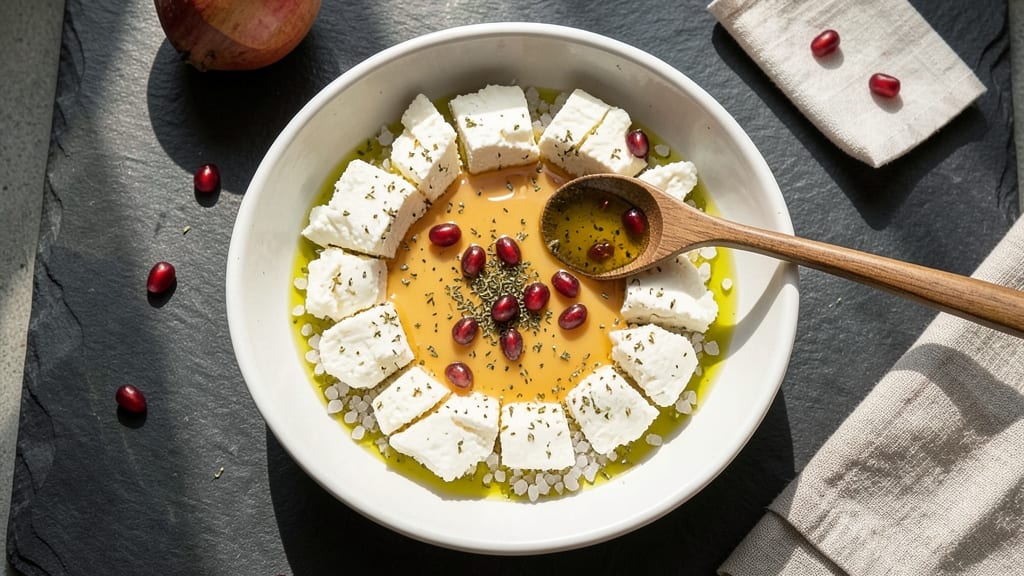
Transform this goat milk feta cheese recipe into a creamy, restaurant-worthy treasure with just a few simple steps—no fancy equipment required. This recipe delivers that signature crumbly texture and bold flavor in just 24 hours, using simple techniques anyone can master.
The process transforms fresh goat milk into a cheese that rivals artisanal versions, perfect for salads, pastries, or snacking straight from the wheel.
The key lies in proper souring and coagulation, which create the feta’s distinctive tang and firm yet crumbly structure. We’ll use rennet and acidity to set the curds, then carefully drain and salt them for that perfect balance of sharpness and creaminess.
This method ensures safety and consistency, even for beginners. The result? A cheese so vibrant it elevates every dish it touches.
What you’ll achieve is a wheel of feta with a bold, tangy flavor and crisp, crumbly texture that melts in your mouth. Store-bought versions often lack this depth, but homemade feta shines with authentic complexity. Once you taste the difference, you’ll never go back to the jarred kind again.
Use your homemade feta in Mediterranean salads, marinated with olives and tomatoes, or crumbled over baked potatoes for extra richness. The possibilities are endless, and the satisfaction of making it yourself is unmatched. Let’s get started with this foolproof method.
Ingredients for goat milk feta cheese
Fresh goat milk and simple tools create restaurant-quality feta in just one day.
| Ingredient | Amount | Notes |
|---|---|---|
| Goat Milk 🥛 | 4 cups | Full-fat, pasteurized preferred |
| Vegetarian Rennet 🧂 | ¼ tsp | Liquid or powder form |
| White Vinegar 🍶 | 1 tbsp | For acidity control |
| Diamond Crystal Kosher Salt 🧂 | 1 tbsp | Fine grain preferred |
| Cheesecloth 🧻 | 1 sheet | For draining curds |
| Large Plastic Colander 🥄 | 1 piece | For draining cheese |
| Sterilized Container 🥫 | 1 jar | For aging cheese |
| Water 💧 | 1 cup | For rennet dilution |
| Lemon Juice 🍋 | 1 tbsp | Optional for extra tang |
The milk quality makes all the difference. Choose full-fat, pasteurized goat milk from the dairy case—it’s the best balance of creaminess and tang. I always grab mine from Whole Foods or local organic farms for that authentic taste. If you’re using powdered rennet, reconstitute it in warm water first to activate properly. The cheesecloth should be fresh and clean—no need to sterilize it, just rinse it thoroughly before use. For the container, a sterilized glass jar works best, but a clean plastic one will do in a pinch.
No vegetarian rennet? Liquid vegetable rennet is your best substitute, though it may require slightly different timing. Want more tang? Add an extra tablespoon of lemon juice—it’ll sharpen the flavor beautifully. The salt is non-negotiable for texture, but if you’re watching sodium, reduce it by half and adjust to taste later. For the colander, any large one will work—just make sure it’s clean and won’t warp under the weight of the cheesecloth and curds. If you’re short on cheesecloth, a clean kitchen towel layered twice works in a pinch, though it drains slower.
This cheese improves with age, so wait at least 24 hours before eating. Store in the jar with the brine in the fridge for up to 2 weeks, or transfer to an airtight container for longer storage. The longer it ages, the sharper it gets—3-4 weeks is ideal for maximum tang. To use, simply crumble or slice as needed. The brine keeps it moist and prevents drying out, so don’t skip it. If you make a big batch, portion it into smaller containers for easy access. Trust me, once you taste the difference, you’ll never go back to store-bought again.
Why You'll Love This Recipe
- I’ve got a secret: this takes less effort than microwaving leftovers. Just heat the goat milk, stir in the rennet, and let it sit—no stirring, no fussing. The cheesecloth drains the whey in minutes, and boom, you’ve got fresh feta without the grocery store markup.
- No-Fuss Dairy Magic: I’ve got a secret: this takes less effort than microwaving leftovers. Just heat the goat milk, stir in the rennet, and let it sit—no stirring, no fussing. The cheesecloth drains the whey in minutes, and boom, you’ve got fresh feta without the grocery store markup.
- Tangy, Crumbly Perfection: That vinegar kick? Chef’s kiss. The goat milk gives it a creamy body while the salt and acidity make it crumble like nothing else. I’ll never go back to store-bought—this has that sharp, briny depth with a velvety bite.
- Salad, Sandwich, Dinner: This cheese doesn’t just belong on a Greek platter. Crumble it into grain bowls, mix it into pasta, or toss it on a charcuterie board. Even my picky teen eats it straight from the fridge—yes, even on a Tuesday night.
Step-by-step instructions for homemade goat milk feta cheese
Transform simple ingredients into restaurant-quality goat milk feta with this foolproof method.
Heat and Acidify the Goat Milk
Begin by pouring the 4 cups goat milk into a heavy-bottomed saucepan. Place it over medium-low heat and warm gradually until it reaches 85°F. This gentle warming activates the rennet and prevents curdling. Use a thermometer for precision—goat milk curdles easily when overheated.
Once the milk reaches the target temperature, remove it from heat and immediately stir in the 1 tbsp white vinegar. The mixture will thicken noticeably within 30 seconds, creating a slight separation at the top. This acidification jumpstarts the coagulation process and creates the characteristic tang of feta.
Add Rennet and Monitor Curd Formation
In a separate bowl, dissolve the 0.25 tsp vegetarian rennet in the 1 cup water until fully incorporated. This dilution prevents over-acidification and ensures even distribution. Return the milk to medium-low heat and slowly stir in the rennet mixture.
After adding the rennet, cover the pan and let it sit undisturbed for 20 minutes. You'll notice the milk begin to separate into a thick, grainy curd layer on top and a thinner whey layer below. When the curds are firm enough to hold together when gently pressed with a spoon, you're ready to proceed. This test ensures proper coagulation for that perfect feta texture.
Cut Curds and Cook Whey
Using a long spatula, carefully cut the curds into ½-inch cubes throughout the whey. This step is crucial for developing the crumbly texture that defines feta. Return the mixture to medium-low heat and cook for 15 minutes, stirring occasionally. The whey should remain at 105°F—this gentle heat helps expel moisture while preserving flavor.
During this time, the curds will shrink and become more distinct as they release whey. You'll notice the liquid in the pan thicken noticeably. This whey can be saved for other recipes or composted—it's packed with nutrients. When the curds are solid and springy to the touch, they're ready for draining.
Drain and Press the Curds
Line the large plastic colander with the 1 sheet cheesecloth and carefully pour the curds into it. Let them drain for 30 minutes, allowing excess whey to separate completely. This initial draining removes about 75% of the liquid, concentrating the flavor.
After draining, transfer the curds to the sterilized container and sprinkle evenly with 1 tbsp diamond crystal kosher salt. Gently fold the curds to distribute the salt completely. For extra tang, you may add the 1 tbsp lemon juice at this stage, though it's optional. Cover the container loosely with plastic wrap and refrigerate for 18-24 hours.
Age and Shape the Feta
The refrigeration period allows the feta to develop its signature texture and flavor. After 18 hours, remove the cheese from the container and use your hands to gently break it into irregular chunks. This traditional shaping method creates the characteristic feta crumbles that dissolve beautifully in salads and pastas.
For best results, store the feta in 1 cup whey (or water mixed with 1 tbsp lemon juice) in the sterilized container. This brine preserves moisture and enhances the tangy flavor. Your homemade goat milk feta will keep for 2 weeks in the refrigerator, developing even more complexity with time. The aroma alone will make you forget store-bought cheese exists.
Pro Tips For Making Goat Milk Feta Cheese
- Warm the Milk First: Pour that goat milk into a heavy-bottomed pot and heat it to 100°F (38°C)—not boiling, just warm enough to make your fingers tingle. This is where the rennet works its magic. I once skipped this step and ended up with a curd that looked like scrambled eggs instead of smooth, clean feta—trust the process.
- Use Vinegar Slowly: When you add the white vinegar, do it one tablespoon at a time, stirring gently between each addition. Goat milk curdles faster than a cat’s opinion of leftovers, so you’ll avoid a runny disaster. I burned through three batches before learning this—now I take it easy.
- Press the Curds Firmly: After draining, wrap the cheesecloth bundle in a towel and squeeze it like you’re wringing out a wet sock for 10 minutes. This step turns your feta from mushy to crumbly perfection. I used to skip this and ended up with a cheese that dissolved like butter—no crumb, no texture.
- Salt the Water: For the final brine, dissolve 2 tablespoons of Diamond Crystal Kosher Salt per quart of water—not just salt the cheese directly. This ensures even flavor penetration and prevents that "plain yogurt" taste. I’ve tried both ways, and the salted brine is the difference between "meh" and "damn."
Perfect pairings for goat milk feta cheese
Salad Showstoppers
Your homemade goat milk feta becomes a star in Greek-inspired salads—just crumble ½ cup over a bed of mixed greens, cherry tomatoes, cucumber, and red onion. Drizzle with olive oil and lemon juice for a tangy, creamy balance.
I swear by adding 1 tbsp dried oregano and ¼ cup Kalamata olives for that authentic Mediterranean vibe. 🥗
Baked Potato Upgrade
Transform a simple baked potato into a gourmet bite by topping it with ½ cup crumbled feta, a spoonful of Greek yogurt, and a drizzle of honey. The goat milk feta’s bold tang cuts through the richness of the potato and yogurt, creating a perfect harmony.
I often add chives and a pinch of black pepper for extra flavor.
Pasta Pairings
Toss ¼ cup feta cubes with your favorite pasta—think pappardelle with wild mushrooms or spaghetti aglio e olio. The feta adds a salty contrast to the garlicky oil, while its creamy texture melts into the noodles.
For a twist, I mix it with sun-dried tomatoes and basil for a bright, tangy sauce. 🍝
Bread and Charcuterie
Elevate your charcuterie board by placing a small bowl of crumbled feta alongside prosciutto, fig jam, and crusty bread. The goat milk feta’s sharpness balances the sweetness of the figs and the saltiness of the cured meat.
I also love pairing it with artichoke hearts and marinated artichoke hearts for a briny, tangy bite.
Breakfast Twist
Add crumbled feta to your morning eggs—try it in a shakshuka or atop a fluffy omelet. The tangy cheese enhances the richness of the eggs and spices beautifully.
I like adding a sprinkle of feta to my avocado toast with a drizzle of hot honey for a sweet-and-savory kick. 🍳
Dessert Surprise
For a unique dessert, mix crumbled feta into ricotta or mascarpone for a sweet-savory swirl. Drizzle with honey and sprinkle with pistachios or crushed almonds. The cheese’s bold flavor pairs surprisingly well with the sweetness, creating a sophisticated twist on classic desserts. 🍯
Nutrition facts
Frequently asked questions
Why does goat milk feta taste different from cow’s milk feta?
Goat milk feta has a bold, tangy flavor with a slightly earthier taste compared to cow’s milk feta. This happens because goat milk contains more fat and natural acidity, which intensifies the sharpness and gives it a creamy, crumbly texture that’s distinctively richer. The fat content also makes it melt more smoothly when used in dishes.
Can I skip the rennet and use lemon juice alone?
While you can use lemon juice alone for a quick curdling effect, it won’t produce the same firm, crumbly texture as rennet. Rennet creates the proper coagulation for authentic feta, while lemon juice alone makes the curds too soft and watery. For the best results, stick with the rennet method—it’s what gives feta its signature structure.
How do I know when the curds are ready to drain?
Your curds are ready when they’re firm enough to hold together when gently pressed with a spoon—no liquid should leak out. They should also look like small, distinct grains rather than a thick sludge. If they’re too soft, they’ll turn mushy; if they’re too firm, they’ll be tough. Aim for that perfect middle ground for that ideal crumbly feta!
What if my whey smells funky after draining?
A slightly tangy or sour smell in the whey is normal—it’s just the byproduct of the cheese-making process! If it smells rotten or overly ammonia-like, though, it may indicate bacteria growth. Discard it and sanitize your tools. For future batches, ensure your milk is fresh and your equipment is properly sterilized to avoid this issue.