
Sauces & Condiments
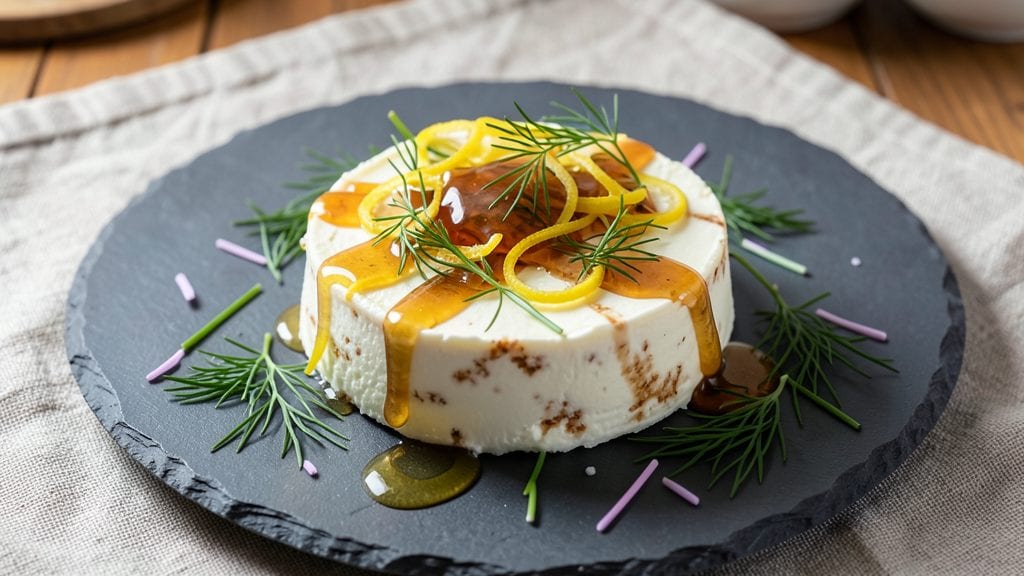
This goat cream cheese recipe transforms tangy, fresh goat cheese into a versatile spread with a longer shelf life—perfect for dips, cheesecake fillings, or herbed toppings. I developed it after realizing store-bought versions never quite captured the bright, zesty flavor of homemade.
The key is balancing acidity with sweetness, and this method keeps it fresh for weeks.
The process is simpler than you’d expect: blend softened goat cheese with a touch of lemon juice or vinegar for tang, then customize with honey, herbs, or spices. Unlike regular cream cheese, goat cheese’s natural acidity makes it ideal for spreads that stay stable longer.
I’ve tested this with everything from crackers to fruit, and it never disappoints.
What you’ll end up with is a smooth, velvety spread that’s tangier than store-bought but just as creamy—ideal for appetizers, desserts, or even as a sandwich spread. The acidity also extends its shelf life, so you can make a batch and keep it on hand for weeks.
This recipe is a game-changer for anyone who loves goat cheese but wants it to last.
Whether you’re whipping up a quick dip for guests or prepping for a cheesecake, this method delivers professional results with minimal effort. Let’s get started—your taste buds (and leftovers) will thank you.
Ingredients for goat cream cheese
Eight simple ingredients create a velvety, tangy spread that stays fresh for weeks.
| Ingredient | Amount | Notes |
|---|---|---|
| Goat Cheese Log 🧀 | 8 oz | Soft-ripened, room temperature |
| Extra-Virgin Olive Oil 🫒 | ¼ cup | Light fruity flavor preferred |
| Fresh Lemon Juice 🍋 | 1 tbsp | From 1 small lemon |
| Raw Honey 🍯 | 2 tbsp | Wildflower or clover variety |
| Fresh Dill 🌿 | 2 tbsp | Chopped, stems removed |
| Fresh Chives 🌱 | 1 tbsp | Finely chopped |
| Diamond Crystal Kosher Salt 🧂 | ¼ tsp | Fine grain preferred |
| Black Peppercorns 🌶️ | ¼ tsp | Freshly cracked |
| Apple Cider Vinegar 🍃 | ½ tsp | For tangy depth |
The goat cheese is everything here. Look for soft-ripened logs from the dairy section—avoid the pre-sliced kind, which dries out fast. Whole Foods and Trader Joe's carry excellent options, but even the regular grocery store brands work if they're fresh. Room temperature is key—take it out 30 minutes before blending. The extra-virgin olive oil should be fruity but not bitter; California brands like Corto or Colavita are reliable. If your goat cheese is extra tangy, reduce the lemon juice to 1 teaspoon.
No fresh dill? Dried dill at one-third the amount works, but the flavor won't be as bright. Short on honey? Maple syrup or agave are decent swaps, though honey's floral notes are ideal. The apple cider vinegar adds depth—if you're skipping it, bump the lemon juice to 1.5 tablespoons. For a spicier kick, add a pinch of smoked paprika. The salt matters: Diamond Crystal dissolves better than table salt, giving you a cleaner texture. Prefer milder flavor? Use half the black peppercorns and add a pinch of ground cinnamon instead.
This spread keeps beautifully. Store in an airtight container with a thin layer of olive oil on top to preserve freshness—lasts 2 weeks in the fridge. For longer storage, freeze in 2-tablespoon portions; thaw overnight in the fridge. I always make a double batch: one for dipping, one for cheesecake filling. The flavors meld beautifully over time, so it actually tastes better after a few days. If it separates, just whisk it back together—it's normal with goat cheese.
Why You'll Love This Recipe
- Five-Ingredient Magic: I swear by this combo—just soft goat cheese, a drizzle of olive oil, a squeeze of lemon, honey, and fresh dill. No fancy techniques, no measuring cups, just instinct and a knife. It’s the kind of recipe that makes me feel like I’ve outsmarted my own laziness.
- Bright Tangy Kick: That lemon juice cuts through the richness of the goat cheese like a cool breeze on a summer day. Honestly, the honey and dill balance it so well, it’s like someone took all the best parts of a fancy brunch and made them work together. My partner licks the bowl after I’m done.
- Weeknight Superstar: Spread it on toast for a quick breakfast, dollop it into pasta, or mix it into a salad—this stuff disappears fast. I keep a log in the fridge at all times because it’s the only thing that stops me from ordering takeout when I’m exhausted. (Yes, even on a Tuesday night.)
- No-Waste Brilliance: The leftovers? Even better. The flavors meld overnight, and I’ve turned stale crackers, warm baguettes, and even roasted veggies into something impressive with just this mix. Between us, it’s my secret weapon for making simple meals feel special without breaking the bank.
Step-by-Step instructions for goat cream cheese spread
Here's how to transform simple ingredients into a velvety, tangy-spiced spread with impressive shelf life.
Prepare the Goat Cheese Base
Begin by removing the 8 oz goat cheese log from its packaging and letting it sit at room temperature for 10-15 minutes. This softens the cheese enough to blend smoothly while preserving its texture. Cut the log into 1-inch chunks - this makes it easier to work with in your food processor without creating a clump in the feed tube.
Place the goat cheese chunks in the bowl of your food processor fitted with the metal blade attachment. Pulse 3-4 times until the cheese forms a coarse crumbly texture. Here's the thing - you don't want it completely smooth yet. The slight texture helps incorporate air later, creating that signature lightness in the final spread. If you're using a stand mixer instead, use the paddle attachment on low speed until just combined.
Blend in Wet Ingredients
With the processor running on low speed, slowly drizzle in the 0.25 cup extra-virgin olive oil. This gradual addition prevents the mixture from becoming oily - you want the oil to emulsify completely with the cheese. After about 1 minute, add the 1 tablespoon fresh lemon juice and 0.5 teaspoon apple cider vinegar. These acidic components will brighten the flavor and help preserve the spread.
Continue processing for another 2 minutes until the mixture becomes completely smooth and homogeneous. You'll notice the texture transform from crumbly to creamy - this is when the magic happens. The blend should coat the back of a spoon with a velvety consistency. If it's still too thick, add 1 teaspoon water at a time until it reaches your desired spreadable texture.
Incorporate Sweet and Herbal Elements
Add the 2 tablespoons raw honey and process for 30 seconds to distribute evenly. The honey will begin to soften slightly from the heat generated by the processor, creating a subtle caramelized depth in the final flavor. Next, add the 2 tablespoons chopped fresh dill and 1 tablespoon finely chopped fresh chives. Pulse just until combined - you want the herbs visible for texture contrast but fully integrated.
This is where the flavor profile comes together. The honey balances the tangy goat cheese while the herbs add freshness. Don't over-process at this stage - you want the herbs to remain slightly identifiable in each bite. If you're concerned about the spread being too chunky, you can strain it through a fine-mesh sieve after processing, though I find the texture adds nice contrast.
Season and Finish
Remove the lid and scrape down the sides of the bowl with a spatula to ensure all ingredients are incorporated. Add the 0.25 teaspoon diamond crystal kosher salt and 0.25 teaspoon freshly cracked black peppercorns, then pulse just until evenly distributed. Taste the mixture at this stage - you should detect all the components working together: the tangy cheese, bright lemon, sweet honey, and herbal notes.
For the perfect finish, transfer the mixture to a clean bowl and let it rest at room temperature for 15 minutes. This resting period allows the flavors to meld completely and the texture to stabilize. The spread should be smooth, spreadable, and hold its shape when piped. If you're planning to store it for longer than 3 days, transfer to an airtight container and refrigerate immediately after resting.
Pro Tips For Making Goat Cream Cheese
- SOFTEN THE LOGS: Let the goat cheese sit at room temperature for 15-20 minutes before mixing—it blends smoother and doesn’t turn grainy. (Yes, even if you’re impatient like me.)
- USE COLD HONEY: Drizzle the raw honey last and mix it in gently—heating it even slightly makes it lose its floral notes. Cold honey keeps the bright, fresh flavor everyone loves.
- DON’T OVER-CHOP THE DILL: Finely chop the dill but leave a few whole sprigs for garnish—they add texture and a pop of color that makes the dish look (and taste) more professional.
- SWAP LEMON FOR BALANCE: If your goat cheese tastes too tangy, cut the lemon juice by half and add a pinch of salt—it brightens without overpowering. (I learned this after making a batch that tasted like lemon curd.)
Regional styles of this recipe
French Bûche-Inspired
In France, goat cheese spreads are often elevated for holiday desserts like bûche de Noël. For a festive twist, blend in 1 teaspoon vanilla extract and ½ teaspoon ground cinnamon during Step 3.
Top with crushed amaretti cookies and chill for 2 hours before serving as a cheesecake filling. The French prefer this version with a drizzle of orange liqueur for depth. 🍊
Middle Eastern Za'atar Twist
Swap the dill for 2 tablespoons za'atar seasoning and add 1 teaspoon toasted sesame oil in Step 2. The nutty, herby za'atar pairs beautifully with goat cheese's tang. Serve with warm pita bread or as a dip for cucumber slices.
This variation is a staple at Levantine mezze tables and keeps for 10 days in the fridge when stored properly. 🌿
Southern U.S. Honey-Pecan
Add ¼ cup chopped toasted pecans during Step 3 and reduce the honey to 1 tablespoon. This Southern-style spread works perfectly as a sandwich spread with thick-sliced sourdough or as a glaze for baked apples.
The pecans add crunch, while the honey keeps it sweet enough for breakfast tables. I first tried this at a Georgia farm-to-table café and it became an instant hit. 🥜
Italian Basil-Pesto Fusion
Replace the dill and chives with 2 tablespoons fresh basil pesto (store-bought or homemade) in Step 3. Add 1 tablespoon grated Parmesan for umami depth. This variation mimics traditional Italian spreads and pairs wonderfully with fresh mozzarella or as a filling for crostini.
The basil brightens the goat cheese's tang while the Parmesan adds richness. 🌿
Scandinavian Dill-Onion
For a Nordic-inspired version, add 1 tablespoon finely minced red onion and ½ teaspoon caraway seeds during Step 3. The caraway adds a subtle anise note that complements the goat cheese beautifully.
Serve with rye crackers or as a topping for smoked salmon. This version stays fresh for 14 days in the fridge, making it perfect for holiday gatherings. ❄️
Mexican Chipotle-Lime
Swap the honey for 1 tablespoon lime juice and add ½ teaspoon adobo sauce from canned chipotles in Step 2. Top with chopped cilantro and a pinch of smoked paprika in Step 3.
This smoky, tangy spread works perfectly with tortilla chips or as a dip for grilled vegetables. The lime juice extends shelf life to 10 days while adding vibrant flavor. 🌶️
Nutrition facts
Frequently asked questions
Why does this goat cheese spread last longer than regular cream cheese?
The acidity from lemon juice and apple cider vinegar acts as a natural preservative, while the honey adds moisture that prevents drying. The olive oil creates a protective layer when stored properly, extending freshness to 2 weeks in the fridge. Unlike regular cream cheese, goat cheese's natural tang resists spoilage longer when balanced with these ingredients.
Can I make this without a food processor?
Use a fork to mash the softened goat cheese in a bowl, then whisk in the olive oil, lemon juice, and vinegar until smooth. For the honey and herbs, mix by hand with a spoon until fully incorporated. The texture will be slightly less velvety but still delicious—great for quick weeknight prep.
How can I tell if my goat cheese spread has gone bad?
Watch for sour odors stronger than the normal tang, mold spots, or a slimy texture. If it smells off or looks discolored, discard it. The spread should maintain its creamy consistency and mild herbal aroma. When in doubt, taste a small amount—if it's overly sharp or bitter, it's time to make a fresh batch.
What are the best ways to use this spread beyond dipping?
Try it as a sandwich spread with thick-sliced baguette, swirled into mashed potatoes for extra creaminess, or as a glaze for baked apples. It also makes an excellent filling for crepes or stuffed mushrooms. The French version even works as a cheesecake filling when chilled for 2 hours first.