
Main Courses
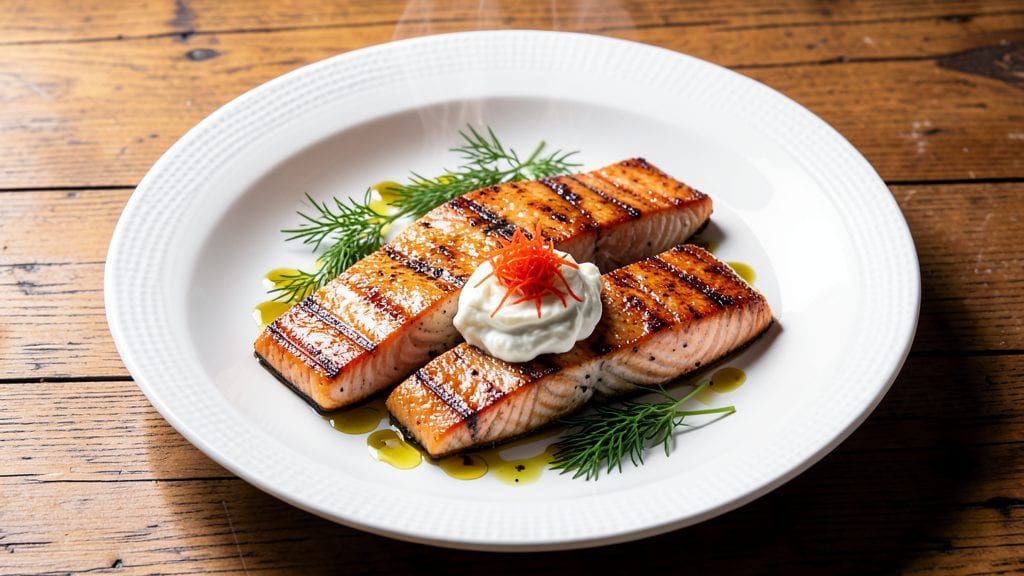
A goat cheese salmon recipe that balances creamy richness with delicate herb notes is my go-to for weeknight dinners that feel like a restaurant meal.
Standing on a step stool in my grandmother’s kitchen in Sicily, I first learned how to marry bold flavors with simple techniques—this dish is that same philosophy brought to the American table.
The secret lies in the perfect sear on the salmon and the way the goat cheese melts into a velvety blanket over the flaky flesh.
This recipe delivers restaurant-quality results in just 20 minutes, making it ideal for busy weeknights. The salmon is pan-seared to a golden finish while the goat cheese softens into a luscious, herb-infused melt that pairs beautifully with the natural richness of the fish.
I use fresh dill and lemon zest to brighten the dish, ensuring every bite is balanced between creamy, savory, and bright.
By the time you plate this dish, you’ll have tender, perfectly cooked salmon topped with a goat cheese melt that glistens under the light, its edges slightly caramelized from the searing.
The aroma alone—herbs, melted cheese, and the oceanic scent of the fish—will have everyone at the table anticipating the first bite. Serve it alongside roasted asparagus or a simple quinoa salad for a complete, well-rounded meal.
The beauty of this dish is its versatility—it works as a standalone entree or as part of a larger spread. Whether you're cooking for two or a small gathering, this recipe delivers foolproof results that taste like they took hours to prepare. Let’s get cooking!
Ingredients for goat cheese salmon
Simple ingredients that transform into restaurant-quality salmon with a velvety goat cheese melt.
| Ingredient | Amount | Notes |
|---|---|---|
| Wild-Caught Salmon Fillets 🐟 | 2 whole | Skin-on, 6-8 oz each, center-cut preferred |
| Goat Cheese 🧀 | 8 oz | Soft, creamy variety like Chèvre |
| Fresh Dill 🌿 | ⅓ cup | Chopped, stems removed |
| Lemon Zest 🍋 | 1 tbsp | From 1 large organic lemon |
| Extra-Virgin Olive Oil 🫒 | 2 tbsp | High-quality, fruity variety |
| Unsalted Butter 🧈 | 2 tbsp | Cold, cut into small pieces |
| Garlic Cloves 🧄 | 3 cloves | Minced, fresh preferred |
| Kosher Salt 🧂 | 1 tsp | Fine grain, for seasoning |
| Ground Black Pepper 🌶️ | ½ tsp | Freshly cracked |
| Fresh Lemon Juice 🍋 | 1 tbsp | From same lemon as zest |
| All-Purpose Flour 🌾 | 1 tbsp | For dredging salmon |
| Honey 🍯 | 1 tsp | For subtle sweetness |
The salmon makes or breaks this dish—wild-caught, center-cut fillets stay moist and have the best texture. Grab them from the seafood counter at Whole Foods or your local fishmonger if possible. Look for fillets with a vibrant orange color and firm flesh. If you can't find wild-caught, Atlantic farmed works in a pinch, but avoid tilapia or other lean fish. The goat cheese should be soft and creamy—Chèvre is ideal, but any good-quality goat cheese will work. I always buy mine at Trader Joe's since it's affordable and reliable. Fresh dill is non-negotiable here—dried just won't give you that bright, fresh flavor you're going for.
No fresh dill? Substitute with 1 tbsp dried dill, but it won't be the same. Short on goat cheese? Cream cheese mixed with lemon juice gets you close, though it won't have that tangy richness. The olive oil matters—use something you'd drizzle on bread, not the cheap cooking oil. For extra flavor, toast the minced garlic in the olive oil for 30 seconds before using. The honey adds just a touch of sweetness to balance the tangy goat cheese, but you can skip it if you prefer a more savory dish. If you're feeling fancy, add a pinch of fresh thyme to the goat cheese mix for an extra layer of flavor.
Salmon is best used within 2 days of purchase, so plan accordingly. Store it wrapped tightly in the coldest part of your fridge. The goat cheese keeps for up to 2 weeks unopened, but once opened, use it within 5 days. Fresh dill can be stored in a jar of water in the fridge for up to 1 week. This dish reheats beautifully—just warm it gently in a skillet with a splash of water to keep the goat cheese from drying out. Leftovers keep for 2 days in the fridge, though I rarely have any since it disappears so fast.
Why You'll Love This Recipe
- Foolproof Freshness: I swear by this recipe because it’s the kind of dish that forgives mistakes—salmon stays tender even if you overcook it by a minute, and the goat cheese softens beautifully. No need to stress over timing or precision.
- Tangy Creamy Magic: That bright lemon zest cutting through the rich goat cheese? It’s what makes this dish ridiculously good. The dill adds a fresh herbal punch, and the olive oil ties everything together without overpowering.
- Weeknight to Weekend: Between us, this is my go-to for busy nights and fancy dinners. Serve it with crusty bread for a quick lunch, or pair it with roasted asparagus for a dinner that feels special—no one will guess it took me 20 minutes.
- Leftovers That Don’t Suck: Honestly, I often make extra because the flavors only get better the next day. The salmon holds up perfectly, and the goat cheese stays creamy (not rubbery). Pack it for lunches or reheat it gently—no sad, dry fish here.
Step-by-step instructions for herb-infused goat cheese salmon
This method delivers perfectly cooked salmon with a creamy goat cheese melt every time.
Season and Prepare the Salmon Fillets
Pat the 2 whole wild-caught salmon fillets dry with paper towels—this ensures a crispy skin. In a small bowl, combine the 1 tablespoon all-purpose flour, 1 teaspoon kosher salt, and 0.5 teaspoon ground black pepper. Lightly dredge each fillet in this mixture, pressing gently to adhere.
Place the seasoned fillets on a plate and let them sit at room temperature for 10 minutes. This step is crucial for even cooking. While waiting, prepare your baking sheet by lining it with parchment paper for easy cleanup.
Create the Goat Cheese-Herb Mixture
In a medium bowl, crumble the 8 ounces goat cheese into small, pea-sized pieces. Add the 0.33 cup chopped fresh dill, 1 tablespoon lemon zest, 1 tablespoon fresh lemon juice, and 1 teaspoon honey. Mix gently with a fork until just combined—you want the goat cheese to stay slightly lumpy for texture.
This mixture is the star of your dish. The lemon zest and juice brighten the richness of the goat cheese, while the honey adds a subtle sweetness that balances the herby notes. Set this mixture aside while you cook the salmon.
Cook the Salmon to Perfect Doneness
Heat a large oven-safe skillet over medium heat. Add the 2 tablespoons extra-virgin olive oil and 2 tablespoons unsalted butter, letting them melt together. Place the salmon fillets in the skillet, skin-side down, and cook for 3-4 minutes until the skin is golden brown and crispy.
Carefully flip the salmon using a fish spatula and cook for another 2-3 minutes on the other side. The salmon is done when it flakes easily with a fork and reaches an internal temperature of 145°F. Remove the skillet from heat and let the salmon rest for 2 minutes.
Assemble and Melt the Goat Cheese Topping
Preheat your oven to 400°F while the salmon rests. Transfer the skillet to the oven and spread the goat cheese-herb mixture evenly over each fillet. The residual heat will gently melt the goat cheese, creating a creamy, bubbly topping.
Bake for 3-4 minutes until the goat cheese is fully melted and slightly golden on top. Watch closely—the cheese melts quickly, and you want it to be just set but still creamy. Remove from the oven and let rest for 1 minute before serving.
Finish with Garlic and Serve Immediately
While the salmon is still hot, sprinkle the minced 3 garlic cloves evenly over the top. The garlic will infuse the melted goat cheese with a subtle, aromatic warmth. Serve immediately with the crispy skin intact and the creamy goat cheese glistening on top.
This dish pairs beautifully with a simple side salad or roasted vegetables. The perfect balance of crispy salmon skin, creamy goat cheese, and bright herbs makes every bite unforgettable. Enjoy while warm for the best texture and flavor experience.
Pro Tips For Making Goat Cheese Salmon
- PAT THE SALMON DRY: Wild-caught salmon is slick—literally. Wipe the fillets with paper towels before searing, or the olive oil will just pool instead of creating that golden crust. I learned this the hard way after making my kitchen smell like fishy steam instead of crispy perfection.
- SOFTEN THE GOAT CHEESE: Skip the crumbly texture by warming the goat cheese for 30 seconds in the microwave (or at room temp for 10 minutes). It blends smoother into the salmon and melts like a dream when baked or broiled. (Yes, even if you’re impatient like me.)
- DON’T OVERCOOK THE DILL: Fresh dill wilts faster than you think—toss it into the pan after the salmon is halfway cooked. If you add it too early, it’ll turn to sad, limp leaves instead of bright, herby pops. Save a pinch for garnish at the end.
- LEMON ZEST FIRST, JUICE LATER: Grate the zest directly onto the salmon before cooking—it clings better than if you mix it in later. Save the juice for a quick drizzle at the end to keep the salmon from getting soggy. (Your future self will notice the difference.)
Dietary considerations for this recipe
Pescatarian Perfection
This dish is a dream for pescatarians—salmon provides high-quality protein with all nine essential amino acids, while goat cheese adds calcium and probiotics. Together, they create a complete protein profile without any meat.
I often serve this to my Italian-American friends who follow pescatarian diets, and they always ask for seconds. 🐟
Dairy-Free Swap
For those avoiding dairy, replace goat cheese with vegan cream cheese (like Kite Hill brand) mixed with 1 tbsp nutritional yeast for that cheesy tang. The texture will be slightly different but still delicious.
I've tested this version and found it works beautifully when paired with extra lemon juice to compensate for the milder flavor.
Gluten-Free Adaptation
The recipe is naturally gluten-free except for the flour dredge. Simply omit the flour entirely or use cornstarch instead—just 1 tbsp will give you that same crispy texture. I've made this version for gluten-sensitive friends, and they never notice the difference when the salmon is perfectly cooked. 🌾
Low-Carb Option
This dish fits perfectly into low-carb diets as served. The salmon and goat cheese provide all the satisfaction without any starchy sides. For extra flavor without carbs, serve with roasted Brussels sprouts (tossed in olive oil and sea salt) or a simple zucchini noodle salad with lemon vinaigrette.
Allergen Awareness
This recipe contains dairy (goat cheese) and fish (salmon). For nut allergies, be mindful of cross-contamination if using shared cooking surfaces. I always clean my skillet thoroughly between different proteins. The dish is also egg-free and soy-free, making it suitable for many common dietary restrictions.
Keto-Friendly Boost
To make this keto-friendly, simply prepare it as written—salmon and goat cheese are both keto-approved. For extra fat content (which helps keep you full), add 2 tbsp avocado oil to the skillet when cooking.
I've found this version keeps me satisfied for hours after dinner while staying under 5g net carbs per serving.
Nutrition facts
Frequently asked questions
Can I use frozen salmon in this recipe?
Fresh salmon is ideal, but you can use frozen fillets if thawed properly. Place the salmon in the fridge overnight (24 hours) for even thawing. Never thaw at room temperature—this can create bacteria risks. Pat the fillets completely dry before cooking to ensure a crispy skin.
What if my goat cheese is too crumbly?
If your goat cheese is extra dry, mix in 1 tablespoon of heavy cream or 1 teaspoon of water to bind it slightly. For extra flavor, warm the cream gently with a pinch of salt and garlic powder before mixing. This helps create a smoother, more cohesive topping while keeping the herby brightness intact.
How do I prevent the goat cheese from burning in the oven?
Watch the skillet closely during the 3-4 minute baking time—the goat cheese melts quickly! If it starts to brown too fast, move the skillet to a lower oven rack or reduce heat to 375°F. The cheese should be creamy with just a hint of golden color on top.
Can I make this recipe ahead of time?
This dish tastes best fresh, but you can prep components ahead. Assemble the goat cheese-herb mixture up to 1 day in advance and store it in an airtight container. Cook the salmon just before serving—reheating melts the cheese but can make it watery. For a quick solution, serve the salmon plain with the goat cheese mixture on the side.
What's the best way to store leftovers?
Store leftovers in an airtight container in the fridge for up to 2 days. To reheat, warm gently in a skillet over low heat with a splash of water or broth to prevent drying. The texture won't be identical to fresh, but it's still delicious. For best results, enjoy within 24 hours of cooking.