
Desserts
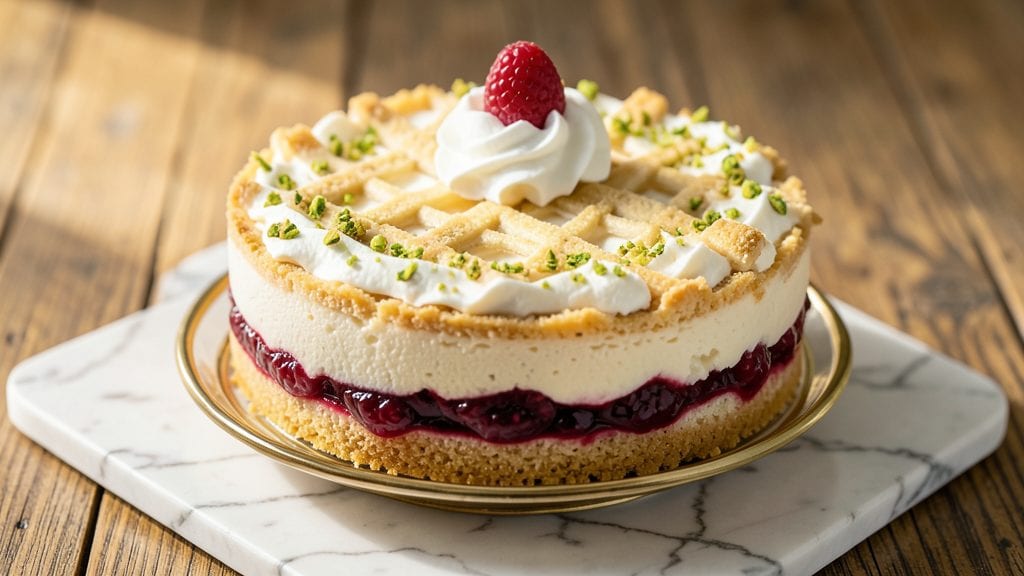
This gluten-free cheesecake recipe delivers the creamy, velvety texture you crave without the crumbling or stress of traditional gluten-free baking. ✨ The secret lies in a precise blend of almond flour and gluten-free cake mix that creates a sturdy yet tender base, while a simple water bath technique ensures silky smoothness every time.
I developed this recipe after years of testing, and it's finally the version that actually holds together—no soggy bottoms or dry crumbs in sight.
The key to success is patience and precise measurements. We'll use a combination of gluten-free flour and almond flour for structure, while a touch of cornstarch prevents graininess in the filling.
The crust is made with just 5 ingredients and requires no baking—it simply presses into place, eliminating the risk of crumbling. What makes this recipe truly special is how it mimics classic cheesecake texture without requiring special equipment or expensive ingredients.
By the time you take it out of the oven, you'll have a perfectly set cheesecake with a smooth, jiggly center and clean edges—no cracks, no crumbling, just that restaurant-quality texture you've been missing.
The water bath method creates a creamy interior while preventing the top from browning too quickly, and the almond flour gives just enough structure to hold its shape when sliced. This is the gluten-free cheesecake that finally lives up to your expectations.
Serve it with fresh berry compote, whipped cream, or a drizzle of caramel for that extra touch of elegance. The best part? It's ready in just under 2 hours, including cooling time, making it perfect for special occasions or when you want to impress without the stress.
Let's get baking—this version actually delivers on all the promises gluten-free desserts rarely keep.
Ingredients for gluten free cheese cake
Eight essential ingredients transform into a gluten-free cheesecake that tastes like the classic version.
| Ingredient | Amount | Notes |
|---|---|---|
| Cream Cheese 🧀 | 32 oz | Full-fat, room temperature |
| Granulated Sugar 🍚 | 1 ½ cups | White or light brown |
| Large Eggs 🥚 | 4 whole | Room temperature |
| Sour Cream 🥛 | ½ cup | Full-fat preferred |
| Vanilla Extract 🌿 | 1 tbsp | Pure, high-quality |
| Almond Flour 🌰 | 1 cup | Fine, blanched preferred |
| Gluten-Free 1:1 Baking Flour 🌾 | ½ cup | Bob's Red Mill blend |
| Cornstarch 🌽 | 2 tbsp | For smooth texture |
| Salt 🧂 | ¼ tsp | Fine sea salt |
| Unsalted Butter 🧈 | ½ cup | Melted, room temp |
| Dark Chocolate Chips 🍫 | ½ cup | Optional, for crust |
| Coconut Oil 🥥 | ¼ cup | Melted, for crust |
| Heavy Whipping Cream 🥛 | ½ cup | For topping (optional) |
| Fresh Berries 🍓 | 1 ½ cups | For serving (optional) |
The cream cheese is non-negotiable—full-fat, room-temperature blocks blend best. Philadelphia is my go-to, but any brand works. The almond flour matters too—blanched, fine-ground gives the best texture. I grab mine from Bob's Red Mill or Trader Joe's since their packaging keeps it fresh longer. For the crust, dark chocolate chips add richness, but crushed gluten-free graham crackers or almonds work too. The key is toasting the almond flour for 5 minutes first—nuts get rid of that raw taste.
No almond flour? Blanched almond meal works in a pinch, but the texture won't be identical. Short on sour cream? Greek yogurt at half the amount keeps it tangy. The vanilla extract should be pure—imitation stuff ruins the flavor. For the crust, coconut oil is a game-changer—it stays solid when chilled but melts easily. No chocolate chips? Crushed gluten-free cookies add crunch. And if you're feeling fancy, a drizzle of caramel sauce on top makes it restaurant-worthy.
This keeps beautifully—5 days in the fridge covered tightly, or 3 months frozen. The water bath method is key: wrap the pan in foil before baking to prevent cracks. For serving, I always make a quick berry compote—just fresh berries + sugar + lemon juice simmered for 10 minutes. The cheesecake tastes even better the next day once it fully sets, so make it ahead for parties.
Why You'll Love This Recipe
- No Mixer Needed: I swear by this recipe because it only requires a whisk and a bowl—no stand mixer, no fancy tools. The sour cream and eggs blend together so smoothly with the cream cheese, and honestly? The texture comes out perfect every time, even if you’re not a baking pro.
- Rich Without Overpowering: That first bite of creamy, tangy goodness? It’s all thanks to the cream cheese and vanilla, but the sugar keeps it from being too heavy. Between us, I’ve tried gluten-free cheesecakes that taste like chalk—this one doesn’t. It’s dangerously addictive, but in the best way.
- Party or Snack: Bring it to a potluck, serve it at a birthday, or just grab a slice after dinner—this cheesecake works anywhere. The crust is optional, so if you’re in a hurry, you can skip it entirely and still have something everyone will ask for. (Yes, even on a Tuesday night.)
- Leftovers That Last: I make a full 9-inch pan and it lasts my family five days—no one complains. The sour cream keeps it moist, and the sugar caramelizes just enough on the edges to make every slice taste fresh. Plus, it’s cheaper than buying a gluten-free version at the store, so it’s a win-win.
Step-by-step instructions for gluten-free cheesecake
Here's the foolproof method for creamy, crack-free cheesecake that actually holds together.
👨🍳 Step 1: Whip Cream Cheese Until Silky
Start by beating the 32 oz cream cheese in a stand mixer fitted with the paddle attachment on medium speed for 3-4 minutes. You want it completely smooth with no lumps—this is your foundation. I like to press down with a spatula occasionally to break up any stubborn chunks.
Gradually add the 1.5 cups granulated sugar while mixing on medium-high speed for another 3-4 minutes until the mixture is light and fluffy. This step is crucial—if you rush it, your cheesecake will end up dense. You'll know it's ready when it nearly doubles in volume and leaves clean streaks on the bowl.
🍳 Step 2: Add Eggs and Sour Cream
Add the 4 whole large eggs one at a time, mixing just until each is fully incorporated after about 10 seconds per egg. Here's the thing—don't overmix or you'll end up with a tough cheesecake. After the eggs, stir in the 0.5 cup sour cream and 1 tbsp vanilla extract until just combined.
Now fold in the 1 cup almond flour, 0.5 cup gluten-free 1:1 baking flour, 2 tbsp cornstarch, and 0.25 tsp salt using a spatula. Mix just until these dry ingredients disappear—you should still see some streaks. The reason we wait until last is that overmixing develops gluten, which we're trying to avoid in a gluten-free version.
🥘 Step 3: Prepare the Crust
While your batter rests, melt the 0.5 cup unsalted butter and 0.25 cup coconut oil together in a small saucepan over low heat. Then mix in 0.5 cup dark chocolate chips (if using) until fully melted. Let this cool slightly but keep it liquid.
Press 2 tbsp of the almond flour into the bottom of a 9-inch springform pan to create a thin crust. Pour the melted chocolate mixture over it, spreading evenly. This double-layer crust prevents leaks and adds rich flavor. Tap the pan gently on the counter to settle the crust—this helps it adhere better.
⏰ Step 4: Bake Low and Slow
Pour the batter into the prepared pan and smooth the top with a spatula. Place the pan in a large roasting pan and fill the roasting pan with hot water until it reaches halfway up the sides of the springform pan. This water bath creates steam that prevents cracks.
Bake in a preheated 325°F oven for 60-70 minutes. The center should be just set—it'll still jiggle slightly, but not too much. Here's the key: don't open the oven door during baking or you'll create temperature fluctuations that lead to cracks. If the top browns too quickly, tent loosely with foil after 30 minutes.
🍽️ Step 5: Chill and Serve
Remove the cheesecake from the water bath and let it cool in the pan for 1 hour. Then cover it tightly with plastic wrap and refrigerate for at least 8 hours (overnight is best). This long chill time is what gives you that perfect silky texture.
Before serving, run a knife around the edges to loosen, then release the springform. Top with 1.5 cups fresh berries and a dollop of 0.5 cup heavy whipping cream if desired. The cheesecake should be smooth with clean edges—no cracks, no sinking. Slice with a hot knife for clean pieces every time!
Pro Tips For Making Gluten Free Cheese Cake
- Whip Cream Cheese First: DESCRIPTION: Beat the cream cheese and sugar until it’s pale yellow and completely smooth before adding anything else. I used to rush this step, and the batter would end up lumpy—no matter how much I mixed later. That’s the moment the texture makes or breaks your cake.
- Room-Temp Everything: DESCRIPTION: Pull eggs, cream cheese, and sour cream out of the fridge at least 1 hour before mixing. Cold ingredients make the batter gummy, and gluten-free cakes don’t forgive texture issues. (Yes, even if you’re impatient like me.)
- Skip the Overmixing: DESCRIPTION: Once you fold in the eggs and sour cream, mix just until combined—no more. Overworking the batter introduces air bubbles that collapse during baking, leaving you with a dense, sad center. Stop when it looks mostly uniform, not perfectly smooth.
- Water Bath Non-Negotiable: DESCRIPTION: Wrap your springform pan in two layers of foil (seam-side down) before baking—no exceptions. Gluten-free cheesecakes crack like brittle biscuits if the heat isn’t even. Fill the water bath halfway up the pan and bake at 325°F for 50–60 minutes, no higher.
Regional styles of this recipe
Classic New York Style
This version replaces the chocolate crust with a graham cracker base made from gluten-free graham crackers crushed into fine crumbs. Mix the crumbs with 0.25 cup melted butter and 1 tbsp sugar, then press firmly into a 9-inch springform pan.
Bake at 350°F for 8 minutes to set before adding the filling. The key difference? This style uses 1 extra egg yolk in the batter for extra richness, and I add 1 tsp lemon juice to brighten the flavor. 🍪
Southern Lemon Cheesecake
For a tangy twist, swap 0.5 cup of the sour cream for Greek yogurt and add zest of 1 lemon plus 2 tbsp lemon juice to the batter.
Top with a lemon curd drizzle (simmer 0.5 cup lemon juice, 0.5 cup sugar, and 2 egg yolks until thickened) and blueberry compote. The almond flour crust gets a toasted touch—sprinkle 1 tbsp almond flour on top before baking for extra crunch. 🍋
Italian Pistachio Twist
Replace the chocolate chips with 1 cup finely chopped pistachios (toasted for 5 minutes at 350°F) mixed into the crust. For the filling, add 1 tbsp pistachio paste (or finely ground pistachios) to the batter.
Garnish with whipped mascarpone and a sprinkle of crushed pistachios. This version uses brown sugar instead of white for a deeper caramel note. 🌰
No-Bake Gluten-Free Option
Skip the oven entirely! Mix 2 packages (16 oz total) cream cheese, 1 cup powdered sugar, 1 tsp vanilla, and 1 cup heavy whipping cream until smooth. Fold in 1 cup gluten-free graham cracker crumbs (or almond flour).
Chill for 4 hours before serving with fresh mango slices and toasted coconut flakes. The texture is lighter but still rich—perfect for hot climates. ❄️
French Macaron-Inspired
For a Parisian touch, create a macaron-style crust using 1 cup almond flour, 0.5 cup gluten-free powdered sugar, and 2 egg whites whipped to stiff peaks. Pipe dollops onto parchment, bake at 300°F for 12 minutes, then fill with the cheesecake batter.
Top with raspberry jam and edible gold leaf for an elegant finish. This version requires a water bath for the filling to set properly. 🍰
Spiced Chai Cheesecake
Infuse the batter with 1 tsp chai spice blend (cinnamon, cardamom, ginger, cloves) and top with caramelized apples (tossed with 1 tbsp brown sugar and 0.5 tsp cinnamon).
The crust gets a gingersnap crumble instead of chocolate. This spiced version pairs perfectly with chai tea or spiced coffee. 🌶️
Nutrition facts
Frequently asked questions
Why does this gluten-free cheesecake need a water bath?
The water bath creates gentle steam that prevents cracking while ensuring even baking. Without it, gluten-free cheesecakes often develop surface cracks or sink in the middle. The steam also helps set the delicate texture more evenly.
Can I substitute almond flour with another gluten-free flour?
Almond flour is ideal for texture, but you can use blanched almond meal or gluten-free oat flour in a 1:1 ratio. Avoid heavy flours like coconut flour—they absorb too much moisture. For best results, toast your flour first to remove raw flavors.
How do I prevent my gluten-free cheesecake from crumbling?
Underbaking is the #1 cause—bake until the center is just set (it should jiggle slightly). Let it cool completely in the pan before refrigerating, and always use a springform pan for easy release. The almond flour crust also needs to be fully chilled before slicing.
Can I make this cheesecake ahead of time?
This recipe actually tastes better after 24 hours of refrigeration. For make-ahead parties, bake it 2 days early, then store wrapped tightly in the fridge. The flavors meld beautifully over time. For freezing, wrap individually in plastic and freeze for up to 3 months.
What's the best way to serve this gluten-free cheesecake?
Pair it with fresh berries, caramel sauce, or whipped cream for contrast. For a restaurant touch, try a berry compote (simmer berries + sugar + lemon juice) or toasted nuts. The almond flour crust pairs perfectly with dark chocolate ganache. Always serve chilled—it's at its best when fully set.