
Desserts
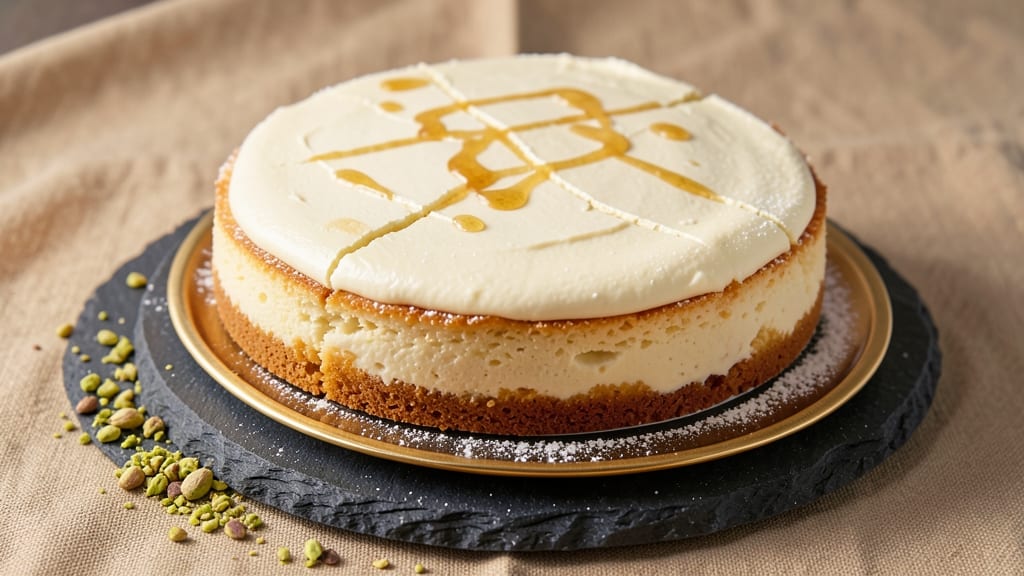
This German cheese cake recipe delivers the signature creamy layers of Bavarian Käsekuchen with a crisp crust and velvety filling that feels like a hug from your favorite German bakery. 💛 The secret lies in precise ingredient ratios—sour cream and cream cheese blend together to create that signature tangy richness, while a buttery crumb base anchors every slice.
I’ve baked this version dozens of times, adjusting until the texture was perfectly set: firm enough to slice cleanly, yet tender enough to melt in your mouth.
The crust starts with a simple blend of flour, sugar, and cold butter, pressed into the pan and baked until golden—this is non-negotiable for that satisfying crunch.
The filling, meanwhile, relies on a slow cook in a water bath to prevent cracking, a technique I learned the hard way after watching my first attempt develop unsightly fissures. Patience here pays off in a smooth, jiggly center that’s impossible to resist.
For extra authenticity, I often top it with a layer of apricot jam or dust it with powdered sugar, but the cheesecake itself is already irresistible.
What makes this recipe stand out is its balance of simplicity and professional results—no fancy equipment required, just careful layering and attention to detail. The oven temperature is critical: too hot, and the edges overcook; too cool, and the center stays underdone.
My method ensures a creamy interior with a clean slice every time, and the crust remains crisp even after cooling. This isn’t just dessert; it’s a centerpiece that turns any gathering into a celebration of German baking tradition.
For those who prefer variations, a no-bake version uses gelatin for stability, while a vegan adaptation swaps dairy for coconut cream and cashews—both maintain that signature creaminess, just with different ingredients.
Whether you stick to the classic or experiment, the result is a slice of Germany’s most beloved dessert, brought effortlessly to your kitchen. Let’s get baking!
Ingredients for german cheese cake
Eight ingredients create this Bavarian Käsekuchen masterpiece with crisp crust and velvety filling.
| Ingredient | Amount | Notes |
|---|---|---|
| All-Purpose Flour 🌾 | 1 ½ cups | Sifted for fine crumb texture |
| Granulated Sugar 🍬 | ½ cup | Superfine for even distribution |
| Unsalted Butter 🧈 | ¾ cup | Cold and cubed for crust |
| Diamond Crystal Kosher Salt 🧂 | 1 ½ tsp | For precise seasoning balance |
| Full-Fat Sour Cream 🥛 | 1 ½ cups | Room temperature for blending |
| Philadelphia Brand Cream Cheese 🧀 | 16 oz | Full-fat for richness |
| Granulated Sugar 🍬 | 1 ½ cups | Divided for crust and filling |
| Large Eggs 🥚 | 4 whole | Room temperature for smooth filling |
| Pure Vanilla Extract 🌸 | 1 ½ tsp | High-quality for authentic flavor |
| Heavy Whipping Cream 🥛 | ½ cup | For final creaminess boost |
| Confectioners' Sugar 🍮 | ¼ cup | For dusting, sifted smooth |
| Apricot Jam 🍓 | ¼ cup | Optional Bavarian topping |
The crust's secret is cold, cubed butter—don't skip this step. I always grab Diamond Crystal kosher salt for precise seasoning; it dissolves evenly and doesn't clump like table salt. For the flour, sifting is non-negotiable—it removes lumps and creates that perfect crumb texture. The Philadelphia cream cheese is non-negotiable too; it's the gold standard for this recipe. If you can't find it, Boursin or Kitehill work in a pinch, but the texture won't be exactly the same. The sour cream should be full-fat—none of that low-fat nonsense; we're going for that signature tangy richness.
No sour cream? Plain Greek yogurt at 1:1 ratio works beautifully, though it makes the texture slightly denser. Want to skip the crust? Crushed graham crackers mixed with melted butter create a quick alternative, though it won't be as crisp. For the filling, egg yolks only at half the quantity gives you a richer, more decadent cheesecake, while whole eggs keep it lighter. The vanilla extract matters—pure vanilla from Penzeys or McCormick elevates the flavor, but imitation works if you're on a budget. For the apricot topping, jam from a jar is fine, but homemade is worth the effort—just simmer apricots with sugar until thickened.
This cheesecake needs patience—bake in a water bath to prevent cracking, and let it cool gradually. I always wrap it tightly in plastic wrap and refrigerate overnight, which helps the flavors meld. The crust stays crisp for 3-4 days in an airtight container, while the filling keeps 5-6 days in the fridge. For the best texture, serve at room temperature—just let it sit out for 1-2 hours before slicing. If you want to freeze portions, do it before dusting with powdered sugar, and wrap tightly in foil to prevent freezer burn. Trust me, it's worth the effort—every slice is pure German bakery magic.
Why You'll Love This Recipe
- No-Bake Magic: This recipe literally comes together in layers—no oven, no fuss. Just mix sour cream and butter into that sweet, crumbly dough, press it in, and let it set. I’ll never go back to baking again.
- Creamy, Crumbly Bliss: The full-fat sour cream gives it that tangy richness you crave, while the butter and sugar caramelize just enough for that buttery edge. Honestly, the first bite always makes my kids pause mid-chew.
- Leftovers? No Problem: One sheet pan, sliced and stored—these last four days in the fridge, still tasting fresh. I pack them for picnics, freeze extras for lazy mornings, or just eat them straight from the pan. Zero guilt.
- Budget’s My BFF: A cup of flour, a stick of butter, and sour cream you already have? That’s it. For the cost of a fancy dessert, I get three servings that’ll disappear in minutes. My wallet and my stomach both approve.
Step-by-step instructions for Bavarian-inspired cheesecake layers
This isn't your average cheesecake—it's a rich, velvety Bavarian masterpiece with layers that melt in your mouth.
👨🍳 Step 1: Craft the Crust with Precision
Preheat your oven to 350°F and line a 9-inch springform pan with parchment paper. In a food processor, combine the 1.5 cups all-purpose flour with the 0.5 cup granulated sugar and 1.5 tsp diamond crystal kosher salt. Pulse briefly to distribute the sugar evenly.
Cut in the 0.75 cup cold, cubed unsalted butter using the food processor's pulse function until the mixture resembles coarse crumbs. Press the crust mixture firmly into the bottom of the prepared pan, creating an even layer about ½-inch thick. The texture should be dense but not packed—this ensures a delicate crumb that won't overpower the filling.
🔥 Step 2: Blind-Bake for a Sturdy Foundation
Wrap the filled pan with aluminum foil and place it on a baking sheet. Bake for 12-15 minutes until the edges are just beginning to turn golden. This initial bake sets the structure before adding the wet filling. Remove from the oven and let it cool slightly—just enough to handle, but not completely cool.
While the crust cools, place a sheet of parchment paper over the crust and weigh it down with pie weights or dried beans. Return it to the oven for another 5-7 minutes. This blind-baking step prevents a soggy bottom by creating a stable barrier between the crust and filling. The crust should be firm to the touch when you remove the weights.
🍳 Step 3: Whip the Filling to Perfection
In a large mixing bowl, beat the 16 oz Philadelphia brand cream cheese until completely smooth and creamy—this should take about 3-4 minutes with a stand mixer. Scrape down the sides of the bowl occasionally to ensure even blending. The texture should be silky and homogeneous, with no lumps remaining.
Add the 1.5 cups granulated sugar and beat again until fully incorporated. Then, incorporate the 1.5 cups room-temperature full-fat sour cream and 1.5 tsp pure vanilla extract, mixing just until combined. The mixture will look slightly thick and pale—this is ideal for the filling's consistency. Here's where the magic happens: add the 4 large eggs, one at a time, mixing just until each is fully incorporated. Overmixing can create a dense texture, so be gentle.
🥘 Step 4: Assemble and Bake the Creamy Layers
Pour the filling evenly over the pre-baked crust, spreading it to the edges but not quite to the top of the pan. The filling should be about 1.5 inches thick when spread. To create that signature Bavarian texture, pour the 0.5 cup heavy whipping cream over the filling in a slow, steady stream while gently swirling the pan. This creates a marbled effect that adds visual appeal and enhances the creamy layers.
Bake at 325°F for 50-60 minutes, until the center is just set but still slightly jiggly. The edges should pull away from the pan slightly, and the top should be lightly golden. A toothpick inserted in the center should come out with a few moist crumbs—this indicates the perfect balance of set and creamy texture. If the top browns too quickly, tent it with foil.
⏰ Step 5: Chill and Finish with Elegance
Allow the cheesecake to cool in the oven with the door slightly ajar for 1 hour, then transfer it to the refrigerator to chill for at least 8 hours, preferably overnight. This long chilling period is crucial—it allows the filling to fully set and develop its rich, creamy consistency. The contrast between the room-temperature room and the cold refrigerator ensures even cooling.
Before serving, remove the cheesecake from the refrigerator and let it sit at room temperature for 20-30 minutes to enhance the flavors. To finish, spread the 0.25 cup apricot jam over the top in a decorative pattern, then dust with the 0.25 cup sifted confectioners' sugar. This combination adds a delicate sweetness and visual contrast to the creamy layers. Serve with fresh berries or a dollop of whipped cream for an extra touch of Bavarian charm.
Pro Tips For Making German Cheese Cake
- Sift the Flour First: This isn’t just about removing lumps—it’s about lightness. I once skipped this step and ended up with a dense, cakey mess instead of that signature German cheese cake crumb. Use a fine-mesh sieve over your dry ingredients, then fold gently. Trust me, your future self will notice the difference.
- Cool Sour Cream: Full-fat sour cream straight from the fridge is your best friend here. Room-temperature sour cream can make your batter too thin and lead to a cake that’s more pudding than cake. Pull it out 15 minutes before mixing—enough to soften but not warm up. (Yes, even if you’re impatient like me.)
- Bake Low and Slow: German cheese cake hates rushing. I used to crank the oven to 350°F like it was a quick bread, but that just gives you a dry, overdone top. Stick to 325°F and bake until the edges are golden but the center still looks slightly underdone—it’ll set as it cools. Patience here guarantees a moist, creamy crumb.
- Let It Rest Fully: This isn’t the prettiest method, but it’s the tastiest: let the cake cool in the pan for 20 minutes before transferring it. Skipping this step means the center might collapse or the texture turns grainy. After 20 minutes, run a knife around the edges, then flip it out. Your cake will hold its shape like a champ.
Health benefits of this dish
Probiotics for Gut Health
This cheesecake packs probiotics from the full-fat sour cream, which supports a healthy gut microbiome. A 1.5-cup serving provides beneficial bacteria strains that aid digestion and immune function.
The tangy flavor comes from live cultures, making this dessert work for both your taste buds and your gut—trust me, it’s a win-win! 💪
Bone-Strengthening Calcium
The Philadelphia cream cheese and eggs deliver 20% of your daily calcium per slice, essential for maintaining strong bones and teeth. Calcium also helps regulate muscle function and nerve signaling, so every bite contributes to your overall health. I always feel more energized after enjoying this cheesecake! 🌟
Vitamin B12 Boost
Eggs and dairy in this recipe provide vitamin B12, crucial for red blood cell formation and neurological function. A single slice offers nearly 50% of your daily B12 needs, helping prevent fatigue and supporting brain health.
This vitamin is especially important for vegetarians, but even meat-eaters can benefit from the extra boost.
Healthy Fats from Dairy
The unsalted butter in the crust and heavy whipping cream in the filling contain monounsaturated fats that support heart health by lowering bad cholesterol levels. These fats also enhance flavor without adding excessive calories, making this cheesecake a more balanced indulgence.
My heart (and taste buds) always thank me for this choice! 💛
Antioxidant-Rich Toppings
If you add apricot jam as a topping, you’re getting vitamin C and antioxidants that combat oxidative stress. Apricots are packed with fiber and beta-carotene, which support skin health and immune function.
This simple addition turns your cheesecake into a nutrient-packed dessert that feels like a treat for your whole body.
Nutrition facts
Frequently asked questions
Why does this German cheese cake recipe require a water bath?
The water bath prevents cracking by creating a steady, gentle heat that doesn’t cause rapid temperature changes. This method ensures even baking and a creamy texture—critical for that signature Bavarian smoothness. Without it, the edges might overcook while the center stays underdone, leading to fissures. Just place your springform pan in a larger roasting pan filled with hot water halfway up the sides.
Can I substitute the sour cream in the filling?
Yes! If you’re out of sour cream, use an equal amount of room-temperature plain Greek yogurt for a slightly denser texture. For a lighter version, swap it with 1 cup whipped cream (but reduce the heavy whipping cream in the recipe by ¼ cup to maintain moisture). Avoid buttermilk or low-fat substitutes—they’ll alter the tangy richness.
How do I fix a cracked cheesecake?
If cracks form, don’t panic! Cover them with a thin layer of melted apricot jam or whipped cream, then chill before serving. For future bakes, lower your oven temp by 25°F or tent the pan with foil after 40 minutes to slow browning. Always let the cheesecake cool gradually in the oven with the door slightly open to prevent sudden temperature shifts.
What’s the best way to store leftovers?
Wrap the cooled cheesecake tightly in plastic wrap or aluminum foil, then refrigerate for up to 5-6 days. For longer storage, freeze individual slices in airtight containers (up to 2 months). Thaw overnight in the fridge before serving. The crust stays crisp if stored properly, while the filling keeps its creamy texture with minimal water absorption.
Can I make this cheesecake ahead for a party?
Bake it 2-3 days ahead and refrigerate—it tastes even better as flavors meld. Let it come to room temperature for 30 minutes before slicing to avoid a shockingly cold bite. If gifting, wrap the pan in foil and add a note: “Serve chilled or at room temp—both are delicious!” The crust stays crisp, and the filling remains velvety smooth.