
Appetizers
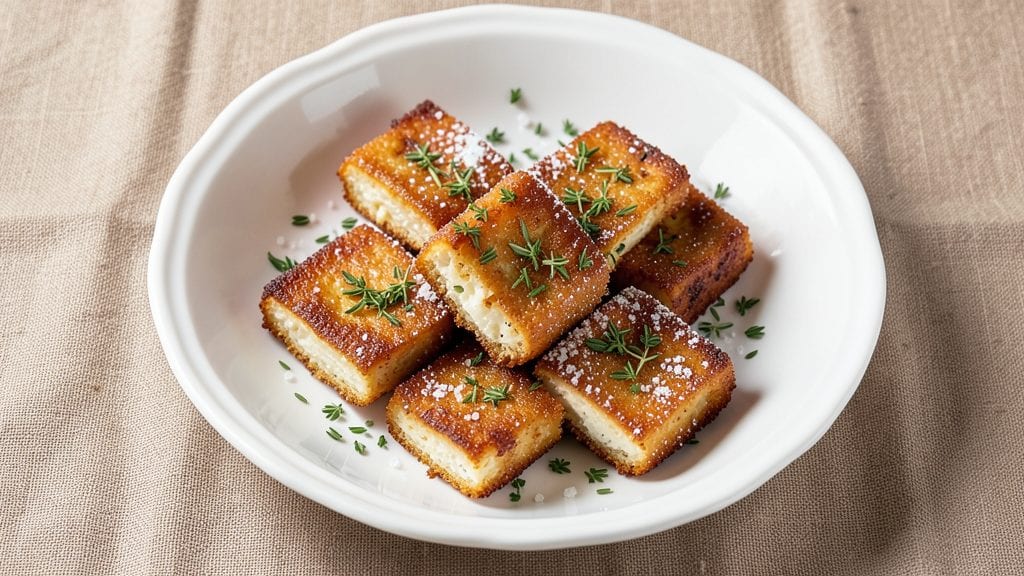
Mastering fried goat cheese transforms simple appetizers into showstopping bites with golden, herbed crusts that shatter at every touch. The secret lies in precise temperature control and a well-seasoned flour coating that creates that perfect balance between crispy exterior and creamy interior.
I developed this technique after years of testing—too hot, and the cheese oozes; too cold, and the crust fails. This method guarantees foolproof results every time.
The foundation begins with room-temperature goat cheese logs, which prevents cracking during frying. A light dusting of flour mixed with herbs like thyme and parsley creates that signature aromatic crust, while a quick dip in egg wash ensures even coating.
Pan-frying in just enough oil maintains crispiness without overwhelming the delicate cheese flavor. The key is patience—golden brown takes about 2 minutes per side, no more, no less.
What you'll achieve is a plate of perfectly golden, crispy goat cheese bites that melt in your mouth while maintaining their structure. The herbed crust adds layers of flavor that complement any dish, from elegant charcuterie boards to casual game-day spreads.
This technique elevates simple appetizers into restaurant-quality bites that impress without requiring advanced skills.
Serve immediately with honey drizzle, balsamic reduction, or fresh berries to balance the richness. The crispy exterior holds up beautifully even when plated, making this an ideal make-ahead appetizer that reheats in seconds. Let's create these crispy, herbed bites that will disappear faster than you can say "crispy."
Ingredients for fried goat cheese
Twelve perfect logs, one herbed flour blend, and three simple steps to golden, shattering bites.
| Ingredient | Amount | Notes |
|---|---|---|
| Goat Cheese Logs 🧀 | 12 whole | Room temperature, 2 oz each |
| All-Purpose Flour 🌾 | 2 cups | Sifted for light coating |
| Fresh Thyme Leaves 🌿 | ¼ cup | Finely chopped, stems removed |
| Fresh Parsley Leaves 🌿 | ¼ cup | Finely chopped, flat-leaf preferred |
| Large Eggs 🥚 | 3 whole | Room temperature, beaten |
| Vegetable Oil 🫒 | 3 cups | High smoke point, like avocado |
| Diamond Crystal Kosher Salt 🧂 | 1 tbsp | Fine grain, for seasoning |
| Ground Black Pepper 🌶️ | ½ tsp | Freshly cracked, for finishing |
| Lemon Zest 🍋 | 1 tsp | From organic lemon, for brightness |
| Extra-Virgin Olive Oil 🫒 | ¼ cup | For drizzling after frying |
| Honey 🍯 | ½ cup | Wildflower preferred, for serving |
| Balsamic Glaze 🍷 | ¼ cup | Reduction, for drizzling |
The goat cheese logs are non-negotiable—room temperature is critical to prevent cracking. Grab La Tourangelle or Capricious from specialty stores or the organic section at Whole Foods for the best texture. The 2-ounce size gives you that perfect bite-to-creaminess ratio. If you can't find logs, shape softened goat cheese into cylinders using a cookie cutter. For the herbed flour, Trader Joe's has pre-chopped thyme and parsley bundles that save time, but fresh is always better if you've got it. The key is finely chopping the herbs—no big stems, just leafy goodness.
No thyme? Fresh rosemary at half the amount works, but it's stronger. Parsley missing? Dried parsley at one-quarter the amount gets you close. For the egg wash, room temperature eggs are a must—cold eggs curdle when they hit the hot oil. If you're short on oil, duck fat or ghee adds incredible flavor (and reheats beautifully). The lemon zest is worth the effort—organic lemons have more vibrant flavor. No zest? A splash of fresh lemon juice works in a pinch. The balsamic glaze can be store-bought, but reducing balsamic vinegar on the stove takes 10 minutes and tastes like you put in effort.
These stay crispy for 15 minutes max after frying, so prep ahead but serve immediately. For make-ahead, freeze the fried bites on parchment-lined trays for 1 hour, then transfer to a bag. Reheat in a 350°F oven for 3-4 minutes—they'll lose some crisp but still taste amazing. Store unfried logs in the fridge for up to 1 week and the herbed flour mix in an airtight container for 2 weeks. The honey and balsamic keep indefinitely, so stock up.
Why You'll Love This Recipe
- The secret’s in the double-fry: tender inside, shatteringly crisp outside, with thyme and parsley clinging like confetti. Honestly, I’ve made it for friends who aren’t even cheese people—they still ask for seconds.
- Five-Ingredient Magic: I swear, this is the kind of recipe where you’ll laugh at how little you need. Three herbs, flour, eggs—no fancy pantry raid required. That first golden crisp when it hits the pan? Pure payoff for five minutes of work.
- Crispy-Creamy Obsession: The secret’s in the double-fry: tender inside, shatteringly crisp outside, with thyme and parsley clinging like confetti. Honestly, I’ve made it for friends who aren’t even cheese people—they still ask for seconds.
- Party in a Pan: Serve these as appetizers with honey-drizzled figs, toss them into salads for a protein punch, or let my kids dip them in marinara like mozzarella sticks. (Yes, even on a Tuesday night.) They disappear fast, so make extra.
Step-by-step instructions for crispy fried goat cheese
Here's how to transform ordinary goat cheese into golden, shatteringly crisp bites with an herbed crust that stays crunchy.
Prepare the Herbed Flour Coating
In a shallow bowl, combine the 2 cups all-purpose flour, 0.25 cup finely chopped fresh thyme leaves, 0.25 cup finely chopped fresh parsley leaves, 1 tablespoon diamond crystal kosher salt, and 0.5 teaspoon ground black pepper. Mix thoroughly with your fingers until the herbs are evenly distributed throughout the flour. This herbed coating is what creates that irresistible crust—don't skip the mixing.
I like to use a small whisk or fork to break up any herb clumps before adding the flour. The key here is surface area—the more the herbs are exposed, the more flavor you'll get in each bite. Spread the mixture on a plate and set aside. This is your secret weapon for that restaurant-quality texture.
Create the Egg Wash Station
In a separate shallow bowl, crack the 3 whole large eggs and whisk them vigorously until fully combined. Add the 1 teaspoon lemon zest and whisk again to incorporate. The lemon zest brightens the whole dish and prevents the crust from becoming too heavy. Room temperature eggs work best here—they create a smoother, more even coating.
Place both bowls (herbed flour and egg wash) near your frying station for easy dipping. I always use two separate bowls to prevent the flour from getting soggy in the egg mixture. This double-dip technique is what gives you that perfect balance of crispy exterior and creamy interior.
Heat the Oil for Frying
Fill a deep skillet or Dutch oven with 3 cups vegetable oil and heat over medium-high heat until the oil reaches 350°F on a deep-fry thermometer. This temperature is crucial—too low and your cheese will absorb oil and become greasy; too high and the exterior will burn before the interior sets. I use a candy thermometer for precision, but you can also test with a small piece of bread that should brown in 30 seconds when the oil is ready.
Once the oil hits temperature, reduce heat slightly to maintain 350°F. The oil should be shimmering but not smoking. This is where patience pays off—rushing the frying process is what leads to uneven cooking. Keep the oil at this exact temperature throughout the entire frying process for consistent results.
Fry the Goat Cheese to Golden Perfection
Working in batches to avoid overcrowding, remove each goat cheese log from its packaging and immediately dip it into the egg wash, allowing any excess to drip off. Then roll it thoroughly in the herbed flour mixture, pressing gently to ensure complete coverage. The cheese should be completely coated—no bare spots will show.
Carefully lower the coated cheese into the hot oil using a slotted spoon or tongs. Fry for 2-3 minutes per side until deep golden brown and the cheese inside has just begun to soften slightly. You'll know they're done when they float to the surface and maintain their shape. Don't overcrowd the pan—this will drop the oil temperature and make your cheese soggy.
Drain and Serve Immediately
Transfer the fried goat cheese to a paper towel-lined plate to drain excess oil. Work quickly here—they're at their crispiest right out of the oil. Serve immediately while still hot, drizzled with 0.25 cup extra-virgin olive oil and 0.25 cup balsamic glaze, and with a side of 0.5 cup honey for dipping. The contrast of the warm, crispy cheese with the cool honey and tangy balsamic is what makes this dish truly special.
For the best presentation, arrange them on a platter and sprinkle with an additional pinch of ground black pepper right before serving. These bites are best enjoyed fresh—they lose their crispness as they cool. The herbed crust should shatter when you bite into them, revealing that creamy goat cheese center that melts just enough to coat your tongue.
Pro Tips For Making Fried Goat Cheese
- Use Room-Temp Cheese: Take those goat cheese logs out of the fridge 30 minutes before frying—cold cheese cracks under heat and won’t coat properly in the egg wash. I learned this the hard way when my first batch turned into a sad, crumbly mess.
- Double-Coat for Crisp: Dip the logs in flour first, then egg, then flour again—this locks in that golden crust. Skip the second flour layer, and you’ll end up with a soggy, uneven coating. (Yes, it’s extra work, but it’s worth it.)
- Fry in Batches: Crowd the pan, and the oil temperature drops fast—you’ll get greasy, undercooked cheese. Keep it to 2-3 logs at a time, and let them sizzle freely. (Your kitchen will smell amazing, by the way.)
- Toss Herbs Last: Sprinkle thyme and parsley after frying while the cheese is still hot—this keeps the leaves crisp and bright, not wilted into a sad pile. If you add them too soon, they’ll turn to mush.
Wine and beer pairings for these flavors
Light White Wine
For these delicate, crispy bites, I recommend a Sauvignon Blanc from New Zealand or a Pinot Grigio from Italy. The bright acidity and citrus notes in these wines cut through the richness of the fried cheese beautifully.
A glass of Cloudy Bay Sauvignon Blanc from Marlborough pairs especially well—the zesty grapefruit and herbal notes complement the thyme and parsley in the crust. 🍷
Crisp Rosé
If you prefer something lighter and more versatile, a dry Provence-style rosé works wonderfully. The subtle berry and floral notes enhance the herbed crust without overpowering the goat cheese.
Look for Whispering Angel or Château d'Esclans—both have enough acidity to balance the fried richness. Serve slightly chilled for the best experience.
Dry Sparkling Wine
A dry Prosecco or Cava adds a festive touch to your appetizer spread. The bubbles cleanse your palate between bites, making each crispy cheese log taste fresh. I love La Marca Prosecco for its crisp apple and pear notes that pair perfectly with the honey and balsamic drizzle.
Keep it well-chilled to maintain its effervescence.
Beer Pairings
For beer lovers, a Belgian witbier like Hoegaarden or Stella Artois offers a refreshing contrast. The coriander and citrus notes in these beers complement the herbed crust and balance the richness of the goat cheese. Serve the beer ice-cold to enhance its crispness. 🍺
Non-Alcoholic Options
Don't overlook sparkling water with citrus for a refreshing alternative. I suggest San Pellegrino Aranciata or Topo Chico with a squeeze of lime. The effervescence mimics wine's palate-cleansing effect, while the citrus brightens the dish.
For a sweeter option, try ginger beer—its spicy kick pairs surprisingly well with the honey drizzle.
Serving Temperature
Always serve your wine or beer chilled—white wines and sparkling drinks at 45-50°F, while beers should be 38-40°F. The cold temperature enhances the crispness of your fried goat cheese bites and prevents the flavors from becoming overwhelming.
I like to pour my wine just before serving to maintain the perfect temperature throughout the meal.
Nutrition facts
Frequently asked questions
Why does my fried goat cheese turn out greasy instead of crispy?
The most common cause is oil that's too cool (below 350°F) or overcrowding the pan. Use a thermometer to maintain precise heat and fry in batches of 2-3 logs at a time. Also ensure your cheese logs are completely dry before coating—they should have no condensation when you remove them from packaging.
Can I use regular cheese instead of goat cheese?
Not for this recipe! Goat cheese's tangy flavor and lower fat content create that perfect balance between creamy interior and crispy crust. While you could try brie or camembert, they'll melt too quickly and lack the signature tang. Stick with goat cheese for authentic results—it's what makes these bites special.
How do I store leftover fried goat cheese?
These stay crispy for only 15 minutes after frying, but you can reheat them! Place on a wire rack in a 350°F oven for 3-4 minutes to restore some crispness. For longer storage, freeze unfried logs (coated and uncoated) for up to 1 month—just fry fresh when ready to serve.
What's the best way to serve these as an appetizer?
Arrange on a platter with honey drizzle, balsamic reduction, and fresh berries for contrast. For a complete spread, pair with prosciutto-wrapped melon, olives, and crusty bread. The key is serving immediately—they're at their crispiest right out of the oil and pair perfectly with both wine and beer.
Can I make this recipe ahead of time?
Yes, but with limitations. Prep the herbed flour and egg wash 1 day ahead and store separately. For the cheese, shape logs 4 hours before frying and refrigerate uncovered. The night-before trick works best—just bring everything to room temperature before frying. Never fry ahead and reheat, as they'll lose their signature crispy texture.