
Sauces & Condiments
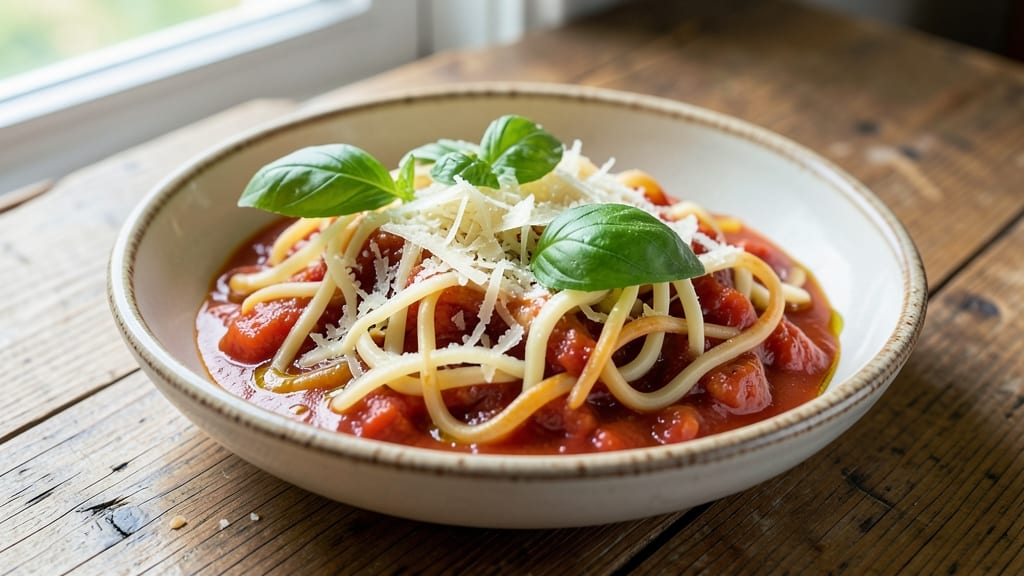
Transform your marinara from classic to luxurious with this five-cheese marinara sauce that delivers restaurant-quality creaminess in just 20 minutes. ✨ The secret lies in blending five distinct cheeses—Parmesan for depth, mozzarella for creaminess, ricotta for body, provolone for richness, and goat cheese for tang—all infused into a vibrant tomato base.
This sauce isn’t just creamy—it’s complex, with layers of flavor that elevate simple dishes like pasta, pizza, or even as a dip for breadsticks. The key is balancing the acidity of the tomatoes with the richness of the cheeses, creating a sauce that’s velvety yet still bright.
I’ve perfected the technique to ensure it stays smooth without clumping, even when reheated.
By the time you’re done, you’ll have a sauce that clings perfectly to noodles or blankets every bite of pizza, offering that luxurious five-cheese experience at home.
The best part? It’s foolproof—just simmer, blend, and season, and you’re done. This isn’t your average marinara; it’s a game-changer for any dish it touches.
Store leftovers in an airtight container in the fridge for up to five days, or freeze for longer storage. It reheats beautifully, so you can always have this creamy masterpiece on hand for spontaneous pasta nights or last-minute pizza toppings.
Ingredients for five cheese marinara sauce
Five cheeses transform simple marinara into a restaurant-worthy masterpiece in 20 minutes.
| Ingredient | Amount | Notes |
|---|---|---|
| San Marzano Whole Peeled Tomatoes 🍅 | 32 oz | Canned, crushed by hand |
| Extra-Virgin Olive Oil 🫒 | 0.38 cup | High-quality fruity variety |
| Fresh Garlic Cloves 🧄 | 6 cloves | Minced, not roasted |
| Fresh Basil Leaves 🌿 | ½ cup | Packed, stems removed |
| Parmesan Cheese 🧀 | ½ cup | Freshly grated, aged 12+ months |
| Mozzarella Cheese 🧀 | ½ cup | Fresh, low-moisture shredded |
| Ricotta Cheese 🧀 | 0.38 cup | Full-fat, drained if watery |
| Provolone Cheese 🧀 | 0.38 cup | Shredded, mild variety |
| Goat Cheese 🧀 | ¼ cup | Creamy, crumbled by hand |
| Diamond Crystal Kosher Salt 🧂 | 1 ½ tsp | Adjust to taste |
| Black Peppercorns 🌶️ | 1 tsp | Freshly ground, coarse |
| Red Wine Vinegar 🍷 | 1 tbsp | Dry, aged variety |
The tomatoes set the foundation—San Marzano is non-negotiable for that sweet, low-acid richness. I always crush them by hand (not use canned crushed) to control texture. For the cheeses, fresh mozzarella and Parmigiano-Reggiano are essential; the ricotta adds body while goat cheese brings tang. Trader Joe's has great pre-shredded mozzarella, but for Parm, grab a wedge from the deli counter—pre-grated loses flavor fast. Provolone should be mild, not sharp, to balance the other flavors. The goat cheese? Creamy, not crumbly—think La Crema or any soft French variety.
No goat cheese? Feta at half the amount works, but add 1 tbsp extra lemon juice to balance saltiness. Short on ricotta? Cream cheese blended with a splash of milk mimics the texture. Want to skip provolone entirely? Extra 0.25 cup Parmesan adds depth. The basil can be dried at one-quarter the amount, but fresh is worth the extra minute. For the olive oil, avoid cheap supermarket brands—California Olive Ranch or Woolley elevate the sauce. The red wine vinegar? Any dry vinegar works, but balsamic adds complexity if you're feeling fancy.
This sauce keeps beautifully for 5 days in the fridge, but honestly tastes better the next day as flavors meld. For freezing, portion into ice cube trays with a little oil to prevent clumping, then transfer to a bag. Reheat gently on the stove—low heat with a splash of water keeps it silky. The cheeses will separate slightly when cold, but blend right back in when reheated. I always make double the batch—it disappears faster than I can say 'pasta night' and reheats perfectly for leftovers.
Why You'll Love This Recipe
- No Chopping Chaos: I toss whole San Marzano tomatoes right into the pot—no peeling, no dicing. Just crack open a few garlic cloves and a handful of basil, and boom, you’re halfway done. The tomatoes burst open in the oil like magic, releasing their sweetness without extra fuss.
- Cheesy, Rich Depth: That Parmesan isn’t just sprinkled on top—it’s simmered in, melting into the sauce until every bite has that umami kick. The garlic caramelizes just enough to balance the acidity of the tomatoes, and the basil? Freshly torn, not chopped, so the aroma hits you the second you stir.
- Meal Prep MVP: This sauce keeps for a week in the fridge, and honestly, it tastes even better the next day. Freeze portions for lazy nights or toss them into soups when you’re feeling uninspired. My kids beg for it on pizza night, and I’ve even used it to drizzle over grilled chicken when I’m craving something different.
- Budget’s Not a Problem: San Marzano tomatoes are a splurge, but they’re worth it—they’re sweeter and less acidic than regular canned tomatoes, so you use less salt. The other ingredients? Garlic, basil, and Parmesan are pantry staples, and a little cheese goes a long way. For the cost, it’s one of my most reliable sauces.
Step-by-step instructions for five cheese marinara sauce
This sauce transforms classic marinara into a luxurious, velvety masterpiece in just 20 minutes.
🔥 Step 1: Build the Tomato Base with Depth
In a large, heavy-bottomed saucepan, heat the 0.375 cup extra-virgin olive oil over medium heat until shimmering but not smoking. Add the 6 cloves minced fresh garlic cloves and cook for 30 seconds until fragrant—you'll smell a sweet, pungent aroma that signals the garlic is ready. Be careful not to let it brown, as bitter notes will develop.
Pour in the 32 oz crushed San Marzano whole peeled tomatoes (crush them by hand for better texture) and stir to combine with the oil. Add the 1 tbsp red wine vinegar and 1.5 tsp diamond crystal kosher salt, then bring to a gentle simmer. Let it bubble for 5 minutes until the tomatoes soften and release their natural juices. This step concentrates the flavors and removes excess acidity.
👨🍳 Step 2: Incorporate the Cheese Blend Strategically
Reduce the heat to low and stir in the 0.5 cup freshly grated parmesan cheese and 0.5 cup shredded mozzarella cheese. Let these melt into the sauce for 2 minutes until the mixture becomes slightly thickened and glossy. The parmesan adds umami depth while the mozzarella creates a subtle silkiness.
Next, add the 0.375 cup ricotta cheese and 0.375 cup shredded provolone cheese in a slow, continuous stream while stirring constantly. The ricotta provides creaminess without overpowering, while the provolone blends seamlessly, creating a velvety texture. You'll notice the sauce transform from tomato-forward to richly cheesy within 3 minutes.
🍳 Step 3: Finish with Basil and Pepper for Balance
In the final 2 minutes of cooking, stir in the 0.5 cup fresh basil leaves (packed and stems removed) and 1 tsp freshly ground black peppercorns. The basil adds a bright, herbal note that cuts through the richness, while the pepper enhances the overall flavor complexity. Watch for the basil to wilt slightly—this indicates it's fully incorporated.
Taste and adjust seasoning if needed. The sauce should be balanced—savory from the cheese, tangy from the tomatoes, and aromatic from the garlic and basil. If it's too thick, add a splash of water or pasta water to reach your desired consistency. This sauce will coat the back of a spoon beautifully.
⏰ Step 4: Rest and Serve for Maximum Creaminess
Remove the sauce from heat and let it rest for 5 minutes off the stove. This resting period allows the cheese to fully meld and the flavors to harmonize. The sauce will continue to thicken slightly as it cools, creating an even more luxurious texture.
Serve immediately over your favorite pasta, grilled chicken, or as a dip for crusty bread. The combination of five cheeses creates a depth that elevates simple dishes to gourmet status. This sauce pairs perfectly with handmade noodles or even as a topping for baked ziti.
Pro Tips For Making Five Cheese Marinara Sauce
- Roast the Garlic First: Don’t just mince the garlic and toss it in—roast whole cloves in that same olive oil with the tomatoes for 10 minutes before crushing. The oil turns golden and sweet, and the garlic develops a depth that plain mincing can’t match. Trust me, your sauce will taste like it’s been simmering for hours instead of minutes.
- Blend Half the Tomatoes: After cooking the tomatoes, blend half of them until smooth before adding the rest whole. This creates a velvety base that coats the pasta perfectly while keeping texture in the other half. I used to skip this and wondered why my sauce looked like it belonged in a soup, not a plate.
- Add Cheese in Stages: Don’t dump all the cheese in at once—start with half the grated Parmesan (and whatever other cheeses you’re using) after 20 minutes of simmering, then finish with the rest just before serving. This prevents clumping and lets the flavors meld without turning the sauce into a chunky mess.
- Finish with Fresh Basil: Stir in the basil leaves after removing the sauce from heat—never before. The heat wilts them instantly, but if you add them early, they’ll turn bitter and slimy. Tear them by hand right before serving for that bright, aromatic pop. (Yes, even if you’re impatient like me.)
Essential equipment for this recipe
Heavy-Bottomed Saucepan
You can't go wrong with a Le Creuset Dutch oven for this sauce—it distributes heat evenly and handles the cheeses beautifully. If you're on a budget, a 5-quart All-Clad stainless steel pan works perfectly.
I avoid nonstick because the cheeses can stick slightly, and that adds texture to the sauce. The Dutch oven also doubles as a great baking dish for casseroles later! 🔥
Immersion Blender
A Moulinex immersion blender is my secret weapon for this sauce. It lets me blend the cheeses directly in the pot without transferring, which keeps everything smooth and creamy.
If you don’t have one, a regular countertop blender works—just be sure to cool the sauce slightly first to avoid steam burns. For extra smoothness, I pulse the sauce 3-4 times while it's still warm.
Fine-Mesh Strainer
When crushing the San Marzano tomatoes by hand, a microwave-safe fine-mesh strainer makes quick work of it. Place the tomatoes in the strainer, microwave for 30 seconds to soften, then mash with a fork.
This removes skins and seeds while keeping the juices intact—something canned crushed tomatoes often miss. I use a OXO Good Grips strainer because it’s easy to handle.
Cheese Grater & Knife Set
For the best results, I recommend a Microplane grater for the Parmesan and a sharp chef’s knife for mincing garlic and basil. Pre-shredded cheese contains anti-caking agents that can make your sauce grainy, so grating fresh is always better.
The Microplane gives you fine, even shreds that melt seamlessly into the sauce. Keep your knife sharpened—dull blades crush garlic instead of slicing it cleanly!
Digital Thermometer
A Thermoworks Instant-Read Thermometer helps you monitor the sauce’s temperature without risking overcooking. While this sauce doesn’t require precise temperature control, it’s useful for checking if the cheeses are melting properly.
I keep mine handy for other recipes too—it’s one of the most versatile kitchen tools I own. Just wipe it clean with a damp cloth between uses.
Storage Containers
For leftovers, I store the sauce in amber glass Pyrex containers (they’re microwave-safe and protect the sauce from light). If freezing, I use quart-sized silicone lids to prevent freezer burn. The amber glass keeps the sauce’s vibrant color intact, while the silicone lids create an airtight seal.
Label your containers with the date—this sauce tastes best within 5 days in the fridge! ❄️
Nutrition facts
Frequently asked questions
Why does this five-cheese marinara taste different from regular marinara?
The key difference lies in the five-cheese blend—Parmesan adds umami depth, mozzarella brings creaminess, ricotta gives body, provolone softens the richness, and goat cheese introduces tang. Together, they create a velvety texture and layered flavors that elevate the classic tomato base. The result is a sauce that’s both rich and balanced, not just salty or acidic like traditional marinara.
Can I substitute any of the cheeses if I don’t have them?
If you’re missing goat cheese, swap in ½ cup feta (reduce salt slightly) or add 1 tbsp lemon juice for tang. Short on ricotta? Use ¼ cup cream cheese blended with ¼ cup milk for a similar texture. Pre-shredded cheese works, but grate fresh for better flavor—just avoid anti-caking agents that can make the sauce grainy.
How do I prevent the sauce from separating when reheating?
Let the sauce cool slightly before refrigerating, then reheat gently on low-medium heat while stirring constantly. Add a splash of water or pasta water if it thickens too much. If separated, blend briefly with an immersion blender to restore smoothness. Avoid high heat, which can cause the cheeses to curdle. The sauce reheats beautifully—just keep it moving!
What’s the best way to use this sauce beyond pasta?
This creamy five-cheese marinara shines on grilled chicken, as a dip for crispy breadsticks, or as a topping for pizza or baked ziti. It also works as a filling for stuffed shells or a topping for lasagna. For extra richness, swirl it into mashed potatoes or use it as a base for creamy soups. The versatility makes it a pantry staple!
Why does the recipe call for San Marzano tomatoes specifically?
San Marzano tomatoes are the gold standard for marinara because they’re low-acid, sweet, and meaty, with fewer seeds and skins than regular canned tomatoes. Their rich flavor forms the perfect foundation for the cheeses, balancing the sauce without overpowering it. If you can’t find them, look for high-quality crushed tomatoes labeled "for sauce"—just avoid chunky styles that add texture.