
Tips
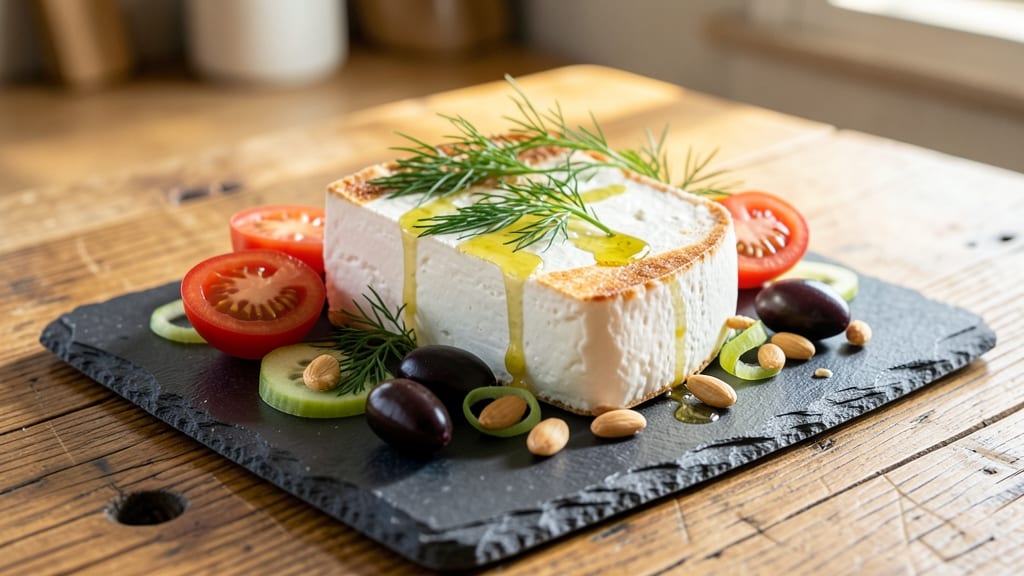
Feta cheese taste is bold and complex, featuring a sharp, briny saltiness balanced by tangy acidity and a creamy, slightly crumbly texture. Its flavor deepens when soaked in brine or olive oil, offering a salty contrast to fresh ingredients like tomatoes and cucumbers.
The briny punch comes from feta's traditional aging process in saltwater brine, while the tang develops through lactic acid fermentation—both hallmarks of Greek production. 💛 My Nonna always said the best feta tastes like sunshine and the sea, and I’ve found that’s especially true when you let it soak for 30 minutes before serving.
The texture is what really sets it apart: that satisfying crumble gives way to creamy pockets that make every bite feel indulgent yet light.
What’s fascinating is how regional variations play with these flavors. Authentic Greek feta from the Peloponnese region has a more pronounced saltiness and firmer bite, while domestic versions often include goat’s milk for extra richness.
I’ve noticed that younger feta (aged 2-3 months) has a milder tang, perfect for salads, while older feta (4+ months) becomes sharper and more complex—ideal for grilled dishes where it can stand up to smoky flavors.
💡 In This Article
- What Makes Feta Cheese Taste Unique
- Best Ways to Enhance Feta Cheese Flavor
What makes feta cheese taste unique
The signature briny punch of feta comes from its traditional aging process in 20-25% saltwater brine for at least 60 days. This high-salt environment creates osmotic pressure that draws moisture out of the cheese, concentrating its flavor while preventing bacterial growth.
The salt also reacts with proteins to form tyrosine crystals, those tiny white specks you often see—these add a satisfying crunch and subtle umami depth. 🔥 What's fascinating is how the brine's mineral composition varies by region, with Greek feta often using seawater from the Aegean, which contains trace minerals like calcium and magnesium that enhance its complexity.
Lactic acid fermentation plays the second crucial role in feta's tangy profile. Good bacteria like Lactobacillus strains convert milk sugars into lactic acid during the 2-4 week fermentation period. This process creates that bright, almost citrusy acidity that cuts through the saltiness.
The pH drops to around 4.6-4.8 during fermentation, which is why feta tastes so different from milder cheeses.
Interestingly, Greek feta uses only sheep's milk (or a mix with goat's milk), while many domestic versions include cow's milk—this affects the fat content and mouthfeel, with sheep's milk feta having a richer, more buttery texture.
The milk source also explains why traditional feta has that distinctive creamy-yet-crumbly texture. Sheep's milk contains 5-6% fat and larger casein micelles that create a denser curd structure, while goat's milk adds sharpness and a slightly grainy texture. The aging process breaks down these proteins further, creating that satisfying crumble.
What most people don't realize is that the cheese's moisture content sits around 50-55%—this high water activity is what makes it so perishable but also gives it that refreshing, almost juicy quality when eaten fresh from the brine.
Regional variations create surprising differences in flavor profiles. Authentic Greek feta from the Peloponnese region has a higher salt content (up to 6%) and firmer texture due to stricter EU regulations that limit its production to specific areas.
Domestic versions often contain 3-4% salt and may include stabilizers to extend shelf life. I've noticed that American-made feta tends to be milder and creamier, while Greek feta has a more pronounced mineral tang—almost like eating a tiny piece of the Mediterranean sea.
The aging time also varies, with Greek feta typically aged 3-6 months for that sharp, complex flavor, while younger feta (aged 2 months) has a milder, almost buttery taste.
Here's what's actually happening on a molecular level when you eat feta: The salt triggers saliva production, which helps dissolve the fat globules and release aromatic compounds. The lactic acid stimulates your taste buds' sour receptors, while the sheep's milk proteins create that satisfying mouthfeel.
The combination of these elements is why feta works so well with fresh ingredients—the saltiness makes cucumbers taste sweeter, while the tang enhances the richness of olive oil. 💫 This is also why feta pairs beautifully with honey or dried fruits: the sweetness helps balance the cheese's acidity and saltiness, creating a perfect flavor harmony.
One advanced technique I've learned is how to identify high-quality feta by its aroma and appearance. Authentic feta should smell clean and slightly tangy, with no ammonia or sour milk odors. Look for cheese with a pale ivory color and visible moisture—this indicates proper aging in brine.
The texture should be firm enough to hold its shape when drained but still crumble easily with your fingers. When you cut into it, you'll see that characteristic slightly glossy surface from the brine, which disappears as it dries out during storage.
What really sets feta apart from other cheeses is how its flavor evolves when prepared differently. Soaking feta in extra virgin olive oil for 30 minutes creates a silky texture and mellows the saltiness, while marinating in lemon juice or red wine vinegar enhances its tang.
The key is understanding how these preparations interact with the cheese's natural components—whether you're making a classic Greek salad or using it as a topping for grilled meats, the way you prepare feta can completely transform its character. ✨