
Breakfast & Brunch
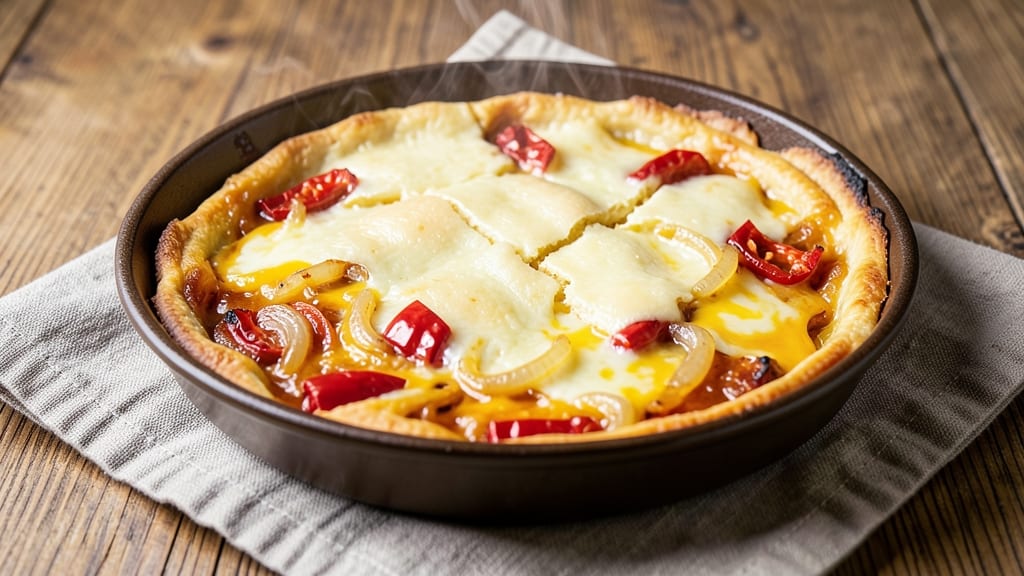
This crustless cheese quiche recipe delivers all the creamy, savory goodness of a classic quiche without the fuss of pie crust—just silky egg custard baked to golden perfection.
The secret lies in blending finely chopped vegetables into the egg mixture, creating a dish that's secretly packed with nutrients while still tasting indulgent. I developed this version after years of experimenting with ways to make quiche more approachable for busy mornings.
The beauty of this recipe is its simplicity: no pre-baking crust, no complicated techniques, just 15 minutes of prep and 30 minutes in the oven. The egg custard becomes velvety smooth with just the right set, while the cheese melts into rich, gooey pockets.
Whether you're feeding a family or meal prepping for the week, this quiche holds together beautifully and reheats perfectly.
What makes this version stand out is how well it balances texture and flavor—tender custard with a slightly firm edge, and a rich, cheesy center that's impossible to resist. The vegetables blend seamlessly into the mix, so you get all the nutrition without sacrificing that comforting, cheesy taste.
It's the kind of dish that makes breakfast feel like a special occasion, even on weekdays.
Serve it warm with a side of fresh greens or crusty bread, or let it cool slightly for easy slicing. The possibilities for variations are endless—add spinach, mushrooms, or even cooked bacon for extra depth. Here's how to make it foolproof every time.
Ingredients for crustless cheese quiche
Six eggs plus a handful of pantry staples make this silky quiche effortless yet impressive.
| Ingredient | Amount | Notes |
|---|---|---|
| Large Eggs 🥚 | 6 whole | Room temperature for even baking |
| Heavy Whipping Cream 🥛 | 1 cup | Full-fat for rich texture |
| Whole Milk 🥛 | ½ cup | Warmed for smooth custard |
| Shredded Sharp Cheddar Cheese 🧀 | 1 ½ cups | Freshly shredded, not pre-shredded |
| Red Bell Pepper 🍅 | ½ cup | Finely chopped, seeds removed |
| Yellow Onion 🧅 | ½ cup | Finely chopped, no color |
| Garlic Cloves 🧄 | 3 cloves | Minced finely, no chunks |
| Fresh Spinach 🍃 | 2 cups | Chopped, stems removed |
| Salt 🧂 | ¾ tsp | Diamond Crystal kosher salt |
| Black Pepper 🌶️ | ½ tsp | Freshly ground for best flavor |
| Nutmeg 🌿 | ¼ tsp | Freshly grated, fine |
| Unsalted Butter 🧈 | ¼ cup | Melted for greasing |
| All-Purpose Flour 🌾 | 2 tbsp | For thickening custard |
The cheese is non-negotiable here—sharp cheddar melts best and gives that signature tang. Grab the block and shred it yourself; pre-shredded gets clumpy and lacks flavor. For the vegetables, farmers market produce has the most vibrant color, but grocery store basics work fine if you chop them finely. The bell pepper and onion should be colorful and firm, not limp or discolored. Spinach? The fresher, the better—wilting leaves turn the custard bitter. I always buy extra spinach because half gets tossed into smoothies later.
No sharp cheddar? Gruyère or Monterey Jack work in a pinch, but expect a milder flavor. Fresh spinach wilting? Frozen chopped spinach (thawed and drained) saves the day—just squeeze out all the water. The nutmeg is key for that classic quiche aroma, but if you're missing it, a pinch of cinnamon adds warmth. The flour is just for thickening—skip it if your eggs are extra-rich, but I find it helps prevent a watery center. For the cream and milk, full-fat is a must—low-fat versions make the custard grainy.
This quiche keeps beautifully—3-4 days in the fridge wrapped tightly, or up to 2 months frozen in individual portions. Reheat slices in the oven at 350°F for 10 minutes to restore that creamy texture. I always make a double batch because it reheats even better the next day. Store leftovers in airtight containers, and trust me, it'll disappear fast.
Why You'll Love This Recipe
- No-Preheat Hassle: I swear by this—just crack eggs, mix, and pour. No rolling pie crusts, no waiting for dough to chill. The bell pepper adds a sweet crunch that cooks through in 25 minutes while I’m still deciding what to drink.
- Sharp Cheese Magic: That sharp cheddar? It’s the star. The cream and milk make it creamy, but the cheese melts into little salty pockets that make every bite worth it. Honestly, I’ve tried fancier cheeses, but this combo is my secret weapon.
- Lunchbox Hero: Between us, this is my go-to for work lunches. Slice it up, pack it with a side salad, and it stays fresh for days. The red bell pepper adds color, but the real win? It’s hearty enough to feel like a meal, not just a snack.
- Budget Breakfast: Eggs, milk, and cheese are staples I always have. No specialty ingredients, no wasted leftovers—this quiche stretches to feed four for dinner or two for breakfast. I’ll be real: it’s my lazy Sunday morning savior.
Step-by-step instructions for crustless cheese quiche
Here's how to create a velvety egg custard with perfectly balanced veggie flavors—no crust needed.
Sauté the Veggie Base
Melt the 0.25 cup unsalted butter in an 8-inch oven-safe skillet over medium heat. Add the 0.5 cup finely chopped red bell pepper and 0.5 cup yellow onion, cooking for 5-6 minutes until softened and translucent. Stir in the 3 minced garlic cloves and cook for another 30 seconds until fragrant—this builds the flavor foundation.
Add the 2 cups chopped fresh spinach and cook just until wilted, about 2 minutes. Remove from heat and stir in the 1.5 cups freshly shredded sharp cheddar cheese until fully melted and evenly distributed. The cheese should cling to the vegetables, creating a rich, creamy base. Let this mixture cool slightly while you prepare the custard.
Whisk the Egg Custard
In a medium bowl, whisk together the 6 whole large eggs (room temperature) with the 1 cup heavy whipping cream and 0.5 cup warmed whole milk until just combined. Add the 2 tablespoons all-purpose flour, whisking vigorously for 1 minute until smooth. Season with 0.75 teaspoon salt, 0.5 teaspoon black pepper, and 0.25 teaspoon freshly grated nutmeg.
Pour the custard mixture over the cheese-veggie base in the skillet, stirring gently to distribute evenly. The custard should coat the vegetables completely—this ensures every bite gets that creamy, cheesy goodness. Let the mixture sit undisturbed for 5 minutes to begin setting slightly.
Bake to Golden Perfection
Preheat your oven to 350°F. Place the skillet in the center rack and bake for 35-40 minutes, until the custard is set but still slightly jiggly in the center. The edges should be golden brown, and the top should look smooth and slightly puffed. Avoid opening the oven door during baking—this prevents the custard from sinking.
For the final 3 minutes, increase the oven temperature to 375°F to create a lightly browned, velvety top. You'll know it's done when the center is just set (it will continue cooking slightly after removal). The quiche should pull away cleanly from the edges of the skillet when gently shaken.
Rest and Serve
Remove the quiche from the oven and let it rest for 10 minutes before serving. This resting period allows the custard to fully set and the flavors to meld together. The quiche should be firm enough to slice cleanly but still creamy and rich in texture.
Slice into 6 equal wedges and serve warm or at room temperature. The sharp cheddar cheese should be melted throughout, the spinach slightly wilted but still vibrant, and the custard silky smooth. Pair with a crisp green salad or crusty bread for a complete meal—every bite delivers that perfect balance of creamy, cheesy, and veggie-packed goodness.
Pro Tips For Making Crustless Cheese Quiche
- Preheat Pan Properly: The difference between a quiche that clings and one that releases cleanly? A hot pan. Preheat your oven to 375°F (190°C) and place your quiche dish inside for 5–10 minutes—yes, even if it’s nonstick. This ensures the bottom doesn’t absorb moisture and turn soggy when the custard hits it.
- Drain and Pat Cheese: Skip the pre-shredded cheese bag—it’s sneaky with anti-caking agents that add moisture. Use a clean kitchen towel to press out excess liquid from freshly shredded cheddar. Wet cheese = watery quiche. (I learned this after a batch turned into a sad, runny mess.)
- Whisk Eggs Like You Mean It: No one likes a lumpy quiche. Whisk the eggs, cream, and milk together until the mixture is completely smooth—no streaks, no chunks. A quick immersion blender works if you’re impatient, but if you’re doing it by hand, take the extra 30 seconds. Trust me, your future self will notice the difference.
- Roast the Bell Pepper First: Raw red bell pepper adds texture but can make the custard watery. Slice it, toss with olive oil, salt, and pepper, then roast at 400°F (200°C) for 15–20 minutes until blistered. This concentrates its flavor and reduces excess moisture—no soggy bottoms here. (Shortcut: Use ½ cup roasted pepper instead of raw.)
Common mistakes when making this dish
Overwhisking the Eggs
Whisking the eggs too vigorously introduces too much air, which can cause the custard to puff up and then collapse during baking. I aim for just 1 minute of gentle whisking—enough to combine without creating bubbles.
If you see foam forming, stop immediately and let the mixture sit for 5 minutes before pouring. This simple pause makes all the difference in achieving that silky texture. 💡
Skipping the Resting Time
Rushing to serve quiche straight from the oven leads to a runny, uneven texture because the custard continues to set as it cools. Always let it rest for at least 10 minutes—this allows the proteins to fully coagulate and the flavors to meld.
I've learned this the hard way: cutting too soon results in messy slices that fall apart. Patience here ensures clean, elegant wedges every time.
Using Cold Ingredients
Cold eggs and dairy create uneven cooking—some parts set while others remain liquid. I always use room-temperature eggs (about 30 minutes out of the fridge) and warm the milk slightly before mixing.
For cheese, freshly shredded and warmed for 1 minute in the microwave melts perfectly. Cold ingredients are the #1 reason quiches turn out gummy or watery.
Overfilling the Skillet
An overfilled skillet causes the custard to spill over during baking, creating a messy edge and potentially burning. The 8-inch skillet should hold no more than 1.5 cups of total mixture (including veggies and cheese).
I measure my ingredients precisely to avoid this—trust me, the difference between a perfect quiche and a disaster often comes down to this simple volume check.
Opening the Oven Door
Every time you open the oven during baking, you risk creating a temperature drop that causes the custard to sink in the middle. I set a timer and resist the urge to peek—even for 30 seconds.
The quiche needs consistent heat to set properly. If you're worried about doneness, use an instant-read thermometer to check the center reaches 160°F before removing it.
Incorrect Temperature Settings
Baking at too high a temperature (375°F from start) causes the edges to brown before the center sets, while too low (325°F) leaves the quiche undercooked.
The 350°F starting temperature is critical—it allows even cooking throughout. The final 3 minutes at 375°F just before serving creates that beautiful golden crust without overcooking the interior. 🔥
Nutrition facts
Frequently asked questions
Can I make this quiche in a different pan size?
Yes, but adjust the baking time accordingly. For a 9-inch skillet, bake 40-45 minutes at 350°F, while a 7-inch pan will need only 25-30 minutes. Always reduce the total mixture by 20% for smaller pans to prevent overflowing. The key is keeping the depth around 1.5 inches—this ensures even cooking.
How do I make this recipe egg-free?
Replace the eggs with a 1:1 flax egg substitute: mix 2 tablespoons ground flaxseed with 6 tablespoons water per egg, let sit 5 minutes to thicken. Use 1 cup unsweetened applesauce or 1.5 cups silken tofu (blended) as a binder for creaminess. The texture will be denser but still delicious. For best results, increase baking time by 5-10 minutes and watch closely.
Why did my quiche come out watery?
This usually happens from overmixing the eggs (adding too much air) or using cold ingredients. Let the custard sit 5 minutes before baking to release excess air, and always use room-temperature eggs and dairy. For extra insurance, whisk the flour into the eggs first to create a slight thickening agent. A watery quiche often means the oven wasn't hot enough—try 375°F for the full baking time.
Can I prepare this ahead of time?
Assemble the quiche, refrigerate overnight, then bake straight from the fridge (add 5-7 minutes to baking time). For meal prep, bake 2-3 days ahead and store in an airtight container with parchment between layers. Reheat slices at 350°F for 10 minutes for that fresh-from-oven texture. The flavors actually improve after resting!
What's the best cheese substitute for sharp cheddar?
For a tangy flavor, try Gruyère or Pepper Jack. For extra meltiness, use Monterey Jack or Fontina. Avoid pre-shredded cheese—it contains anti-caking agents that make the quiche grainy. If you're dairy-free, nutritional yeast (2 tbsp) adds a cheesy flavor when mixed with the custard. Always shred your own for the best results!