
Side Dishes
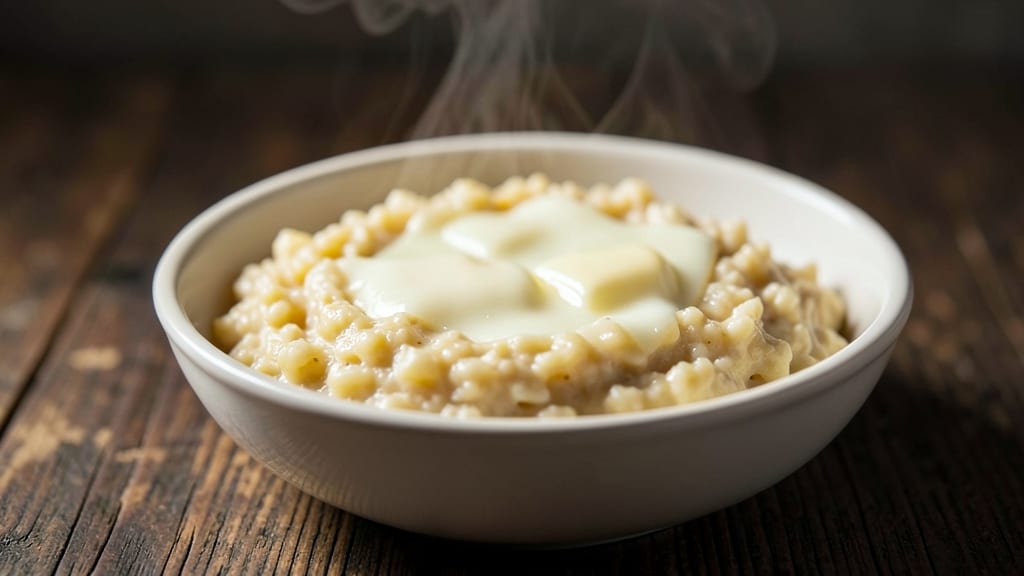
This creamy cheese grits recipe transforms simple stone-ground grits into a luxurious, velvety side dish with a sharp cheddar twist that elevates any meal.
Standing on a step stool in my grandmother’s Sicilian kitchen, I learned how slow cooking and proper technique create textures that feel like comfort wrapped in silk.
The secret lies in patience—letting the grits simmer until every grain is tender, then folding in rich cheese for a sauce so smooth it disappears on the first bite.
What makes these grits special is the balance of silky texture and bold flavor, achieved through precise heat control and a perfect cheese blend. Sharp cheddar delivers that signature tang, while cream cheese adds velvety richness without overpowering.
The process is straightforward but requires attention—stirring constantly to prevent lumps and maintaining a gentle simmer for even cooking. Even beginners can master this technique with just a few key steps.
By the time you’re done, you’ll have a dish that’s restaurant-quality creamy and ready to pair with everything from crispy fried chicken to hearty steaks. The aroma alone—warm, buttery, with hints of sharp cheddar—will have everyone at the table asking for seconds.
This isn’t just a side dish; it’s the kind of comfort food that turns ordinary meals into something extraordinary.
The best part? These grits reheat beautifully, making them perfect for brunch or leftovers. Garnish with a sprinkle of extra cheese, fresh herbs, or a pat of butter for that final touch of indulgence. Let’s get cooking—your taste buds will thank you.
Ingredients for creamy cheese grits
Just twelve ingredients transform grits into velvety comfort—no shortcuts, all silkiness.
| Ingredient | Amount | Notes |
|---|---|---|
| Stone-Ground Grits 🍚 | 1 cup | Uncooked, coarse grind preferred |
| Unsalted Butter 🧈 | ½ cup | Cold, cut into pieces (full-fat for richness) |
| Whole Milk 🥛 | 2 cups | Warm for smoother texture (not boiling) |
| Sharp White Cheddar Cheese 🧀 | 1 ½ cups | Freshly grated, aged 6+ months (like Cabot or Tillamook) |
| Cream Cheese 🧈 | 4 oz | Room temperature, full-fat (Philadelphia brand works) |
| Large Egg Yolks 🥚 | 2 whole | Fresh, separated from whites (for silkiness) |
| Kosher Salt 🧂 | 1 ½ tsp | Diamond Crystal preferred (adjust to taste) |
| Freshly Ground Black Pepper 🌶️ | ½ tsp | Cracked peppercorns preferred |
| Garlic Cloves 🧄 | 2 cloves | Minced fine (or 1 tsp garlic powder) |
| Fresh Parsley 🌿 | ¼ cup | Chopped, for garnish (optional but fresh) |
| Hot Sauce 🌶️ | 1 tbsp | Like Tabasco or Crystal (for heat kick) |
| Heavy Cream 🥛 | ¼ cup | For extra silkiness (optional) |
The grits are the foundation, so stone-ground is non-negotiable—quick grits won’t give that luxurious texture. Bob’s Red Mill or Stone Ground Grits by McCormick are my go-tos, but any coarse grind works. For the cheese, sharp white cheddar is key—it’s tangier than yellow and melts smoother. Pre-shredded won’t work—it’s full of anti-caking agents that make the grits grainy. If you’re near a specialty store, grab Cabot Clothbound or Tillamook—they’re worth the splurge. The butter? Full-fat only—low-fat versions won’t give that rich mouthfeel. Buy it in a block, not sticks, for better flavor.
No sharp cheddar? Pepper jack or Gruyère add depth, though the tang won’t be identical. Running out of cream cheese? Substitute mascarpone at a 1:1 ratio, but it’s pricier. The egg yolks are what turn these grits from good to restaurant-quality—don’t skip them. If you’re strict vegan, silken tofu blended with nutritional yeast can mimic the creaminess, but texture will differ. For the milk, whole is best, but 2% works in a pinch. The heavy cream is optional but worth it for that ultra-luxurious finish. Garnish with extra cheese or parsley, but trust me—the grits alone are already amazing.
These grits reheat like a dream—just add a splash of milk and stir over low heat. They keep for 4-5 days in the fridge, but flavor peaks on day 2. For freezing, portion into containers with a layer of butter on top to prevent drying. Thaw overnight in the fridge, then reheat gently. Leftovers? Turn them into frittatas or casseroles—they’re that versatile. And if you make extra, save some for brunch. Trust me, you’ll want seconds.
Why You'll Love This Recipe
- Five-Ingredient Magic: I swear, this is the kind of dish where you measure, stir, and boom—no extra steps. Stone-ground grits cook in 15 minutes with just milk and butter, while the cheeses melt into that velvety texture with zero fuss. Honestly, I make it when I’m too tired to think.
- Cheese Overload (In the best way): That sharp white cheddar and cream cheese combo? It’s like a hug in every bite—tangy, rich, and just enough creaminess to make you close your eyes. The butter ties it all together so smoothly, you’ll want to eat it straight from the pot.
- Weeknight to Weekend: Slap this on the table for a lazy Sunday brunch or serve it alongside fried chicken for a no-stress dinner. It’s equally at home in a casual bowl or as a side for a big meal—no judgment either way. My kids even ask for it when I’m making something fancy.
- Leftovers That Don’t Suck: Unlike most creamy sides, this stuff tastes better the next day—if you can even wait. Reheat with a splash of milk, and it’s just as luscious. Plus, it stretches across meals, so you’re not scrambling to use up a whole pot of grits before they turn to glue.
Step-by-step instructions for creamy cheese grits
Here's how to transform simple grits into a luxurious, velvety masterpiece with that perfect sharp cheddar kick.
Cook the Grits to Al Dente Perfection
In a medium saucepan, combine the 1 cup stone-ground grits with the 2 cups whole milk and bring to a boil over medium-high heat. Once boiling vigorously, immediately reduce heat to low and stir constantly for 15-18 minutes. You'll know they're ready when the grits pull away from the sides of the pan and form a thick, creamy paste that coats the back of a spoon.
This low-and-slow cooking method is crucial—it breaks down the grits' starches gradually for that signature silky texture. If you see any lumps forming, press them through a fine-mesh sieve with a wooden spoon. Don't walk away during this stage; constant stirring prevents burning and ensures even cooking.
Incorporate the Cheese and Butter Mixture
While the grits cook, melt the 0.5 cup unsalted butter in a separate small saucepan over low heat until completely liquid but not browned. In a separate bowl, mix the 1.5 cups sharp white cheddar cheese, 4 oz cream cheese, 1.5 tsp kosher salt, and 0.5 tsp freshly ground black pepper until completely smooth. Slowly whisk in the melted butter and 2 whole large egg yolks until fully incorporated—this creates your rich cheese base.
Once the grits reach that perfect al dente consistency, remove them from heat and immediately begin stirring in the cheese mixture. Work quickly but thoroughly, incorporating it in 30-second bursts to prevent the cheese from seizing up. The grits should transform from thick paste to a luxurious, velvety sauce with visible cheese swirls throughout. Here's where the magic happens—the cheese melts completely into the grits, creating that signature creamy texture.
Finish with Garlic and Hot Sauce
Return the grits to low heat and stir in the 2 cloves minced garlic and 1 tbsp hot sauce, cooking for an additional 2-3 minutes until the garlic is fragrant but not browned. The hot sauce should be distributed evenly throughout—this adds depth without overpowering the cheddar's sharpness. If the mixture starts to thicken too much, whisk in 1-2 tablespoons of the reserved cooking liquid to restore that perfect creamy consistency.
Here's the thing—this is where flavor balance matters most. Taste and adjust seasoning if needed, but be careful with additional salt since the cheddar and cream cheese already contribute significantly. The finished grits should coat the back of a spoon with a glossy sheen, indicating proper emulsification of all ingredients.
Elevate with Heavy Cream and Garnish
Remove the grits from heat and gently fold in the 0.25 cup heavy cream using a silicone spatula. This final addition creates that restaurant-quality silkiness that sets these apart from basic cheese grits. The cream should disappear completely, leaving no streaks—this indicates proper incorporation and texture.
For serving, divide among bowls and garnish with 0.25 cup chopped fresh parsley. The parsley adds a bright contrast to the rich cheddar and cream, plus it makes the dish look absolutely stunning. Serve immediately while still piping hot—these grits are best enjoyed straight from the pot when they're at their creamiest and most flavorful.
Pro Tips For Making Creamy Cheese Grits
- Boil Milk First: I used to add cold milk straight to the grits, and it always ended up lumpy—like someone stirred in glue. Heat the whole milk to a gentle simmer (not a rolling boil) before pouring it in. The grits absorb the warm liquid faster and smoother, and you avoid that dreaded gummy texture.
- Shred Cheese Coarse: Fine cheese shreds melt into a paste and turn grits gluey. Grab a box grater and shred the sharp white cheddar yourself—big, uneven pieces melt into pockets of gooey goodness instead of disappearing into a sad, uniform blob. (Yes, even if you’re lazy like me, skip the pre-shredded bag.)
- Stir Constantly First 10: The first 10 minutes after adding grits to liquid are make-or-break. Stir like your life depends on it—no, really, scrape the bottom every 30 seconds to prevent sticking. After that, you can ease up, but those first minutes are when grits either become a creamy dream or a burnt disaster.
- Swirl in Cheese: Dumping cheese all at once turns grits into a sad, greasy mess. Once the grits are thick and creamy, lower the heat, then add the cream cheese first—it melts fast. Stir until smooth, then fold in the cheddar in small batches. Let it sit for 30 seconds between additions, and you’ll get that perfect, velvety texture without curdling.
Dietary considerations for creamy cheese grits
Gluten-Free Adaptation
Stone-ground grits are naturally gluten-free, but always check the package label to confirm—some brands process in facilities with gluten-containing grains. For extra security, I recommend Bob’s Red Mill gluten-free grits, which maintain that same silky texture.
The cooking process remains identical, but watch your grits more closely since gluten-free versions can thicken faster. 🌾
Dairy-Free Options
To make these grits dairy-free, swap the milk for unsweetened almond or oat milk (I prefer Oatly full-fat for creaminess). Replace butter with vegan butter (like Miyoko’s) and use nutritional yeast (¼ cup) plus cashew cream (blend ½ cup soaked cashews with ½ cup water) to mimic the cheese.
The texture will be slightly lighter, but still velvety. For extra richness, stir in 1 tbsp coconut cream at the end.
Vegan Protein Boost
Add ½ cup cooked lentils or crumbled tempeh to the finished grits for plant-based protein. I also like folding in ¼ cup silken tofu blended until smooth—it mimics the egg yolks’ silkiness. For a smoky depth, sprinkle with 1 tsp smoked paprika and serve with hot sauce on the side.
These grits become a complete meal when paired with roasted veggies or a crispy tofu scramble.
Low-Fat Version
Cut calories without sacrificing flavor by using 2% milk instead of whole and reducing butter to 2 tablespoons. Replace cream cheese with light cream cheese (like Philadelphia Light) and skip the heavy cream. For richness, stir in 1 tablespoon Greek yogurt at the end—it adds tang without fat.
The texture stays creamy, just slightly lighter. Honestly, it’s still delicious, but I’d only recommend this for health-conscious brunch servings.
Keto-Friendly Twist
Turn these grits keto by using ½ cup cauliflower rice blended into the milk before cooking (it breaks down during simmering). Replace cheddar with Parmesan (½ cup) and cream cheese with cream cheese made with almond milk (like Kite Hill).
Add 1 tablespoon psyllium husk to thicken the mixture—it’s a game-changer for texture. Top with crispy bacon bits and chives for a low-carb Southern-inspired dish that still feels indulgent. 🥓
Nutrition facts
Frequently asked questions
Why do my cheese grits turn out lumpy?
Lumps happen when grits aren't stirred constantly during cooking or when cheese is added too quickly. Always cook grits on low heat with constant stirring, and remove from heat before adding cheese. Stir in cheese mixture in 30-second bursts to prevent clumping. A fine-mesh sieve helps break up any stubborn lumps.
Can I make these grits ahead of time?
These grits reheat beautifully. Store in an airtight container for up to 5 days in the fridge. To reheat, add a splash of milk and warm over low heat, stirring frequently. For freezing, portion into containers with a layer of butter on top to prevent drying. Thaw overnight in the fridge before reheating.
What's the best cheese substitute if I don't have sharp cheddar?
Pepper jack or Gruyère work well for extra depth, though the tang won't be identical. For a milder option, try Monterey Jack or Colby. If you're out of cream cheese, substitute with mascarpone at a 1:1 ratio, though it's pricier. The key is using a cheese that melts smoothly—avoid pre-shredded varieties as they contain anti-caking agents that create graininess.
How do I keep these grits creamy without heavy cream?
Skip the heavy cream entirely and focus on proper technique: cook grits slowly, stir constantly, and incorporate cheese off the heat. The egg yolks and butter already create incredible creaminess. For extra silkiness, blend ¼ cup silken tofu into the finished grits—it mimics the effect of yolks perfectly. Another trick is to whisk in 1-2 tbsp of the reserved cooking liquid if the mixture thickens too much.
Can I use quick grits instead of stone-ground?
Quick grits won't give the same luxurious texture—they lack the starches needed for that signature velvety consistency. Stone-ground grits cook slowly and break down into a smooth paste, which is essential for these creamy cheese grits. If you're in a pinch, try polenta (cornmeal) as a substitute—it has a similar texture when cooked properly. Just remember, quick grits will result in a grainier, less creamy final product.