
Desserts
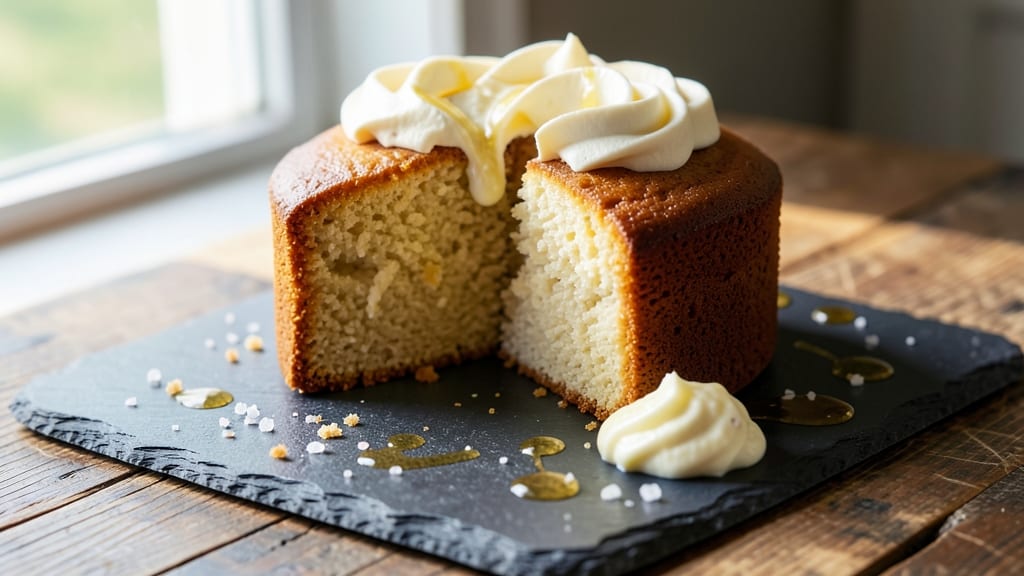
This cottage cheese pound cake recipe transforms a classic dessert into something extraordinary—moist to the core with a subtle tang that elevates every bite. ✨ The secret lies in cottage cheese, which replaces butter while keeping the crumb tender and rich, ensuring no dry spots remain.
I’ve perfected this method over years of baking, balancing simplicity with professional results every time.
The beauty of this recipe is its foolproof technique: no fancy equipment required, just a steady hand and patience for the cake to rise. Baking at 325°F ensures even cooking without over-browning, while the cottage cheese infuses moisture that lasts long after cooling.
It’s the kind of cake that stays fresh for days, making it perfect for gatherings or a Sunday treat.
What you’ll achieve is a cake with a light, airy texture and a faint citrusy note from the cottage cheese—no artificial flavors, just pure, dairy-driven goodness.
The crust stays tender, and the crumb remains uniformly moist, even when sliced days later. This is the cake that proves simplicity can be spectacular.
Optional add-ins like lemon zest or walnuts take it further, but the base recipe already delivers. Let’s get started—your next crowd-pleaser begins here.
Ingredients for cottage cheese pound cake
Twelve servings of tender, tangy perfection—this cottage cheese pound cake redefines moistness.
| Ingredient | Amount | Notes |
|---|---|---|
| Large Eggs 🥚 | 6 whole | Room temperature for even mixing |
| Granulated Sugar 🍬 | 2 cups | Superfine for uniform texture |
| All-Purpose Flour 🌾 | 2 ½ cups | Sifted for aeration |
| Full-Fat Cottage Cheese 🧀 | 1 ½ cups | Low-fat reduces moisture |
| Unsalted Butter 🧈 | 1 cup | Melted and cooled |
| Vanilla Extract 🌸 | 2 tsp | Pure for authentic flavor |
| Baking Powder 🧪 | 2 tsp | Aluminum-free preferred |
| Diamond Crystal Kosher Salt 🧂 | 1 tsp | Fine grain for precision |
| Lemon Zest 🍋 | 2 tbsp | Fresh for vibrant flavor |
| Walnuts (optional) 🌰 | 1 cup | Toasted for nuttiness |
The cottage cheese is non-negotiable for that signature moisture—opt for full-fat varieties like Lancaster Farm or Organic Valley for optimal texture. Whole milk cottage cheese ensures the tang without wateriness. For flour, King Arthur Unbleached provides consistent results, while Diamond Crystal kosher salt offers precise seasoning. The eggs should be at room temperature to blend seamlessly with the melted butter, creating a silky batter. Pro tip: toast the walnuts (if using) in a dry pan for 3-5 minutes until fragrant—this intensifies their flavor without overpowering the cake.
Substitutions are possible but require adjustments: Greek yogurt at 1:1 ratio works but alters tanginess, while ricotta cheese at 1.5x the amount delivers creaminess. For lemon zest, orange zest at half the amount offers a complementary citrus note. If walnuts aren’t available, pecans or chopped almonds add texture. Always measure flour by spooning and leveling—scooping directly from the bag leads to dense cakes. The vanilla extract should be pure, not imitation—the difference is subtle but noticeable in the final product.
Store the cake in an airtight container at room temperature for up to 3 days, or refrigerate for 5 days if you prefer a firmer texture. Freezing is ideal for longer storage: wrap tightly in plastic and foil, then freeze for up to 3 months. For best results, let the cake sit at room temperature for 1 hour before slicing to restore moisture. The optional walnuts can be added to the batter or sprinkled on top—either way, they add a delightful crunch that contrasts beautifully with the tender crumb. This cake reheats beautifully in a 300°F oven for 10-15 minutes to revive its softness.
Why You'll Love This Recipe
- Pantry basics only: eggs, sugar, flour, cottage cheese, butter. No specialty ingredients, no markup—just real food that doesn’t break the bank. And leftovers? They last days, if they survive that long.
- No Mixer Needed: I swear by this recipe when my mixer’s out of commission. The cottage cheese blends in like butter—no lumps, no fuss—just stir, pour, and bake. Honestly, the eggs and butter do most of the work here.
- Buttery Creamy Magic: That full-fat cottage cheese? It’s the secret weapon. You get a pound cake with a tender crumb and just enough richness to make it feel indulgent—no heavy cream or extra fat required. The sugar caramelizes into a golden crust that cracks open like a perfect biscuit.
- Breakfast or Dessert: Slice it warm with a drizzle of honey for a lazy weekend brunch, or save a piece for later as a snack. Between us, I’ve even used it as a base for trifle—layered with berries and whipped cream. It’s that versatile.
Step-by-step instructions for cottage cheese pound cake
This method transforms dense pound cake into a light, moist masterpiece using full-fat cottage cheese for unmatched tenderness.
👨🍳 Step 1: Prepare Ingredients for Optimal Texture
Begin by melting the 1 cup unsalted butter and letting it cool to 70°F—this prevents steaming in the oven. While it cools, grate the 2 tbsp lemon zest using a fine grater to maximize flavor without pulpy texture. I prefer fresh zest over bottled for vibrant citrus notes that enhance the cake's tangy depth.
Place the 1.5 cups full-fat cottage cheese in a fine-mesh sieve and cover with plastic wrap, pressing it directly on the surface. This prevents moisture evaporation while allowing excess liquid to drain for 15 minutes. The result is a thicker, more concentrated cottage cheese that won't weigh down your batter.
🍳 Step 2: Blend Wet Ingredients for Emulsion
In a stand mixer fitted with the paddle attachment, combine the 6 whole large eggs (room temperature) and 2 cups granulated sugar. Beat on medium speed for 3-4 minutes until the mixture turns pale and slightly ribbony—this creates air pockets essential for cake structure. The sugar should dissolve completely, leaving a glossy, slightly thickened emulsion.
Add the cooled butter and mix on low speed for 1 minute until fully incorporated. Scrape down the bowl sides to ensure no dry sugar remains. Then, add the vanilla extract and mix for 30 seconds. This step ensures even distribution of flavor throughout the batter.
👨🍳 Step 3: Incorporate Dry Ingredients with Precision
In a separate bowl, sift together the 2.5 cups all-purpose flour, 2 tsp baking powder, and 1 tsp diamond crystal kosher salt. The sifting process introduces air and eliminates lumps, which is critical for achieving the light crumb characteristic of pound cakes. Gently fold this dry mixture into the wet ingredients using a silicone spatula, starting with ⅓ of the flour to prevent overmixing.
Add the drained cottage cheese and the lemon zest to the bowl, mixing just until combined. Avoid overworking the batter—this is where cottage cheese shines by adding moisture without altering texture. The batter should be thick but pourable, with visible streaks of flour still present.
🔥 Step 4: Toast Nuts and Assemble the Pan
If using the optional 1 cup walnuts, toast them in a dry skillet over medium heat for 4-5 minutes until fragrant and lightly golden. Watch closely to prevent burning—this enhances their nuttiness without bitterness. Immediately transfer to a plate and let cool before chopping coarsely with a knife.
Preheat your oven to 325°F and grease a 9x5-inch loaf pan thoroughly with butter, then line it with parchment paper for easy removal. Fold the chopped walnuts (if using) into the batter, followed by any remaining flour mixture, mixing just until combined. The batter will appear thick but should flow smoothly when poured.
⏰ Step 5: Bake and Test for Doneness
Pour the batter into the prepared pan and smooth the top with a spatula. Bake for 60-70 minutes, rotating the pan halfway through for even browning. The cake is done when a toothpick inserted in the center emerges with 1-2 moist crumbs—not wet batter. The top should be golden, and the edges slightly pulled away from the pan.
Remove from the oven and let the cake rest in the pan for 10 minutes before transferring to a wire rack. This resting period allows the cake to firm up and prevents collapsing. For maximum moisture retention, tent the cake loosely with foil during the first hour after baking. Serve warm or at room temperature for the best texture.
Pro Tips For Making Cottage Cheese Pound Cake
- Blend Cottage Cheese Smooth: Run the cottage cheese through a food mill or sieve before mixing—those lumps will make your cake dense and uneven. I learned this the hard way when my first batch turned out like a brick. Takes 2 minutes, saves you from a sad crumb.
- Cream Butter and Sugar Slowly: Beat the butter and sugar on medium speed until light and fluffy—about 3-4 minutes—before adding anything else. Rushing this step traps air poorly, and your cake will end up compacted. (Yes, even if you’re impatient like me.)
- Don’t Overmix the Batter: Fold in the flour and cottage cheese just until combined—overmixing develops gluten and turns your tender pound cake into a chewy loaf. Stop when there’s a few streaks of flour left. Trust me, your future self will notice.
- Test for Doneness with a Toothpick: Check the center with a toothpick at 50-55 minutes—it should come out clean but slightly moist. If you wait for the timer, you’ll end up with a dry, overbaked cake. (And no, the recipe’s bake time isn’t always accurate.)
Best sauces and condiments for these flavors
Citrus Glaze Magic
Drizzle a lemon glaze over slices for instant brightness. Mix ½ cup powdered sugar with 1 tbsp fresh lemon juice and 1 tsp lemon zest until smooth. I use Wilton powdered sugar for ultra-fine texture.
This glaze enhances the cake’s natural tang while adding a glossy finish—perfect for special occasions. The acidity also cuts through the richness, balancing each bite. 🍋
Vanilla Bean Whipped Cream
Top slices with vanilla bean whipped cream for a luxurious touch. Whip 1 cup heavy whipping cream chilled to 35°F with 1 tbsp powdered sugar and ½ tsp vanilla bean paste (I love Le Creuset vanilla bean paste) until stiff peaks form.
The vanilla bean’s subtle sweetness complements the cake’s tang without overpowering it. This pairing feels like dessert heaven. ✨
Caramelized Fig Compote
For a sophisticated twist, serve with a fig compote that adds depth. Simmer 1 cup chopped fresh figs, 2 tbsp honey, and 1 tsp balsamic vinegar for 10 minutes until thickened.
I use Mission figs for their natural sweetness. The caramelized figs create a sticky-sweet contrast that makes each bite memorable. This compote also works beautifully with vanilla ice cream. 💛
Spiced Maple Butter
Spread spiced maple butter on warm cake slices for a cozy flavor boost. Mix ½ cup softened butter with ¼ cup pure maple syrup, ½ tsp cinnamon, and a pinch of cayenne pepper for subtle heat.
I use Log Cabin maple syrup for authentic flavor. This buttery, spiced spread adds warmth that pairs perfectly with the cake’s tangy base. It’s the kind of simple upgrade that feels indulgent. 🔥
Salted Caramel Sauce
Drizzle salted caramel sauce for a decadent finish. Heat 1 cup granulated sugar in a saucepan until amber, then whisk in ½ cup heavy cream and 1 tsp flaky sea salt (like Kosher King). Cool slightly before drizzling.
The salted caramel’s richness contrasts beautifully with the cake’s light texture, creating a balanced flavor profile that’s hard to resist. This sauce also works wonderfully with vanilla ice cream or fruit toppings. 🍯
Nutrition facts
Frequently asked questions
Why does this cottage cheese pound cake stay so moist?
The full-fat cottage cheese is the secret ingredient! It replaces butter while adding moisture and protein, preventing dryness. The 15-minute draining step ensures excess liquid is removed, so you get tender crumb without sogginess. Even after cooling, this cake remains moist for days—no artificial additives needed!
Can I use low-fat cottage cheese in this recipe?
Not recommended for best results. Low-fat cottage cheese contains more water, which can make the batter too thin and dilute flavors. Stick with full-fat varieties like Lancaster Farm for that perfect balance of moisture and tang. If you must use low-fat, reduce it by 1/4 cup and add 1/4 cup extra melted butter to compensate.
How do I prevent my cake from cracking on top?
Cracking happens when cakes cool too quickly. After baking, let your cake rest in the pan for 10 minutes before transferring, then tent loosely with foil for the first hour. Avoid opening the oven door too often during baking, and ensure your oven is properly preheated. A smooth, greased pan also helps create an even bake.
Can I make this cake gluten-free?
Yes, with a simple substitution! Replace the 2.5 cups flour with a 1:1 gluten-free baking flour blend like Bob's Red Mill. You may need to add 1/2 tsp xanthan gum for structure. Keep in mind the texture will be slightly denser than traditional pound cake, but still delicious with the cottage cheese's moisture.
What's the best way to store leftovers?
For maximum freshness, wrap cooled cake tightly in plastic wrap or aluminum foil, then store in an airtight container at room temperature for up to 3 days. For longer storage, refrigerate for 5 days or freeze for up to 3 months. To revive frozen cake, thaw overnight in the refrigerator before slicing. The resting time is key to restoring that perfect texture!