
Main Courses
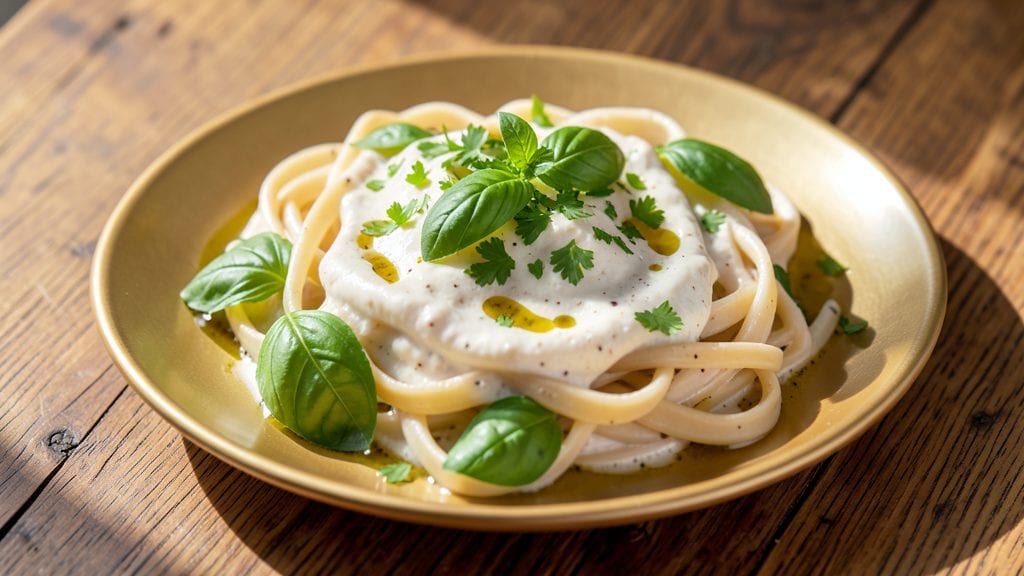
Transforming cottage cheese into a silky ricotta-like pasta sauce was the breakthrough I needed when searching for a protein-packed, creamy alternative to traditional recipes. This dish delivers a velvety texture that clings perfectly to al dente pasta, with a subtle tang that brightens every bite.
After testing countless variations, I perfected a method that turns humble cottage cheese into the star of your dinner plate.
The magic happens when you blend cottage cheese with warm pasta water, creating a rich, velvety sauce that coats each noodle without separating. Fresh herbs and a touch of garlic elevate the flavor profile, while toasted breadcrumbs add a satisfying crunch.
This recipe proves cottage cheese isn't just for breakfast—it's a protein-rich, restaurant-quality pasta experience waiting to happen.
What you'll end up with is a dish that's creamy yet light, packed with protein, and bursting with herby freshness. The sauce clings beautifully to the pasta, creating each bite into a harmonious blend of textures and flavors.
This is the kind of meal that feels indulgent yet nutritious—perfect for weeknight dinners or Sunday family gatherings.
Ready in just 30 minutes, this recipe requires minimal effort but delivers maximum flavor. The secret lies in the proper technique for blending the cottage cheese and incorporating the herbs at just the right moment.
Whether you're looking for a high-protein alternative or simply want to try something new, this dish is sure to impress.
Ingredients for cottage cheese pasta
Pantry staples meet fresh herbs for a protein-packed pasta that's creamy yet light.
| Ingredient | Amount | Notes |
|---|---|---|
| Large Egg Pasta 🍝 | 12 oz | Al dente preferred, any shape |
| Full-Fat Cottage Cheese 🧀 | 1 ½ cups | 2% or higher for creaminess |
| Reserved Pasta Water 💧 | 1 ½ cups | Warm, from cooking pasta |
| Extra-Virgin Olive Oil 🫒 | ¼ cup | High quality, fruity |
| Fresh Basil Leaves 🌿 | ½ cup | Packed, stems removed |
| Fresh Parsley Leaves 🌿 | ¼ cup | Packed, finely chopped |
| Garlic Cloves 🧄 | 3 cloves | Peeled, minced |
| Lemon Juice 🍋 | 2 tbsp | Freshly squeezed |
| Parmesan Cheese 🧀 | ½ cup | Freshly grated, fine |
| Toasted Breadcrumbs 🍞 | ¼ cup | Panko preferred, toasted |
| Sea Salt 🧂 | 1 ½ tsp | Diamond Crystal preferred |
| Freshly Ground Black Pepper 🌶️ | ½ tsp | Coarsely ground |
| Nutritional Yeast 🌾 | 1 tbsp | For umami depth |
The cottage cheese is the star—full-fat (2% or higher) gives that velvety ricotta texture. Trader Joe's and Whole Foods carry the best quality in bulk, but any brand works if it's fresh. Look for cottage cheese with minimal additives—just curds and cream. The pasta water is just as important: reserve 1.5 cups while cooking so you can blend it in later for that signature silkiness. Fresh herbs? Farmers markets have the brightest basil and parsley, but grocery store containers work if you rinse them well. The garlic should smell pungent, not bitter—Lundberg organic cloves are my go-to for consistent flavor.
No fresh herbs? Dried basil or parsley at half the amount works in a pinch, but the flavor won't be as vibrant. Short on cottage cheese? Greek yogurt or ricotta blends beautifully—just reduce the pasta water by 2 tbsp. The nutritional yeast is optional but adds a cheesy umami that makes this taste restaurant-quality. For the breadcrumbs, Panko toasts up perfectly, but regular breadcrumbs work too—just toast them in olive oil until golden. The lemon juice is key: fresh is non-negotiable here—bottled just won't cut it. Want extra protein? Add 1/2 cup crumbled feta at the end.
This sauce reheats beautifully—just add a splash of pasta water to loosen it. Keeps for 4-5 days in the fridge, though it's best fresh. For meal prep, portion into containers with a drizzle of olive oil on top to prevent drying. Freezes for 3 months if you want to make a big batch. The breadcrumbs stay crispy if you toast them fresh before serving, but you can also bake them ahead and store in an airtight container for 1 week. The pasta holds up well too—just toss with extra sauce when reheating.
Why You'll Love This Recipe
- You’re using what you’ve got: eggs, cheese, oil, and herbs. No specialty ingredients, no last-minute grocery runs. Between us, this is the kind of recipe that turns “what’s for dinner?” into “oh, we’re having that thing—I’ll grab the basil.”
- No-Fuss Creaminess: The cottage cheese blends into the pasta water like a dream—no blender, no straining, just stir until it’s silky. My kids swear it’s “fancy” pasta, but honestly? It’s the kind of meal where you’re too busy eating to care how it happened.
- Rich Without the Guilt: Full-fat cottage cheese adds that velvety depth without needing heavy cream or butter—just a splash of pasta water and olive oil. Toss in basil, and suddenly, it’s restaurant-worthy but still feels like a lazy Sunday (or Tuesday) night.
- Lunchbox Hero: This keeps perfectly for days in the fridge, so I make a big batch on Sundays. Cold or reheated, it’s a no-brainer for lunch—pack it in a jar, and the pasta stays al dente while the cheese stays creamy. My office coworkers still ask for seconds.
Step-by-step instructions for cottage cheese pasta
Here's how to transform simple ingredients into a velvety, herby pasta dish that surprises everyone.
Cook the Pasta Al Dente and Reserve the Water
Bring a large pot of water to a rolling boil, adding all 1.5 teaspoons of sea salt as it comes to temperature. Add the 12 oz large egg pasta and cook according to package instructions until 1 minute before it reaches al dente. This timing is crucial—the pasta will finish cooking in the sauce.
Before draining, scoop out exactly 1.5 cups of reserved pasta water into a measuring cup. This starchy liquid is the secret to creating a silky sauce that clings perfectly to each strand. I keep a separate bowl nearby to catch it—don't skip this step, as the sauce won't come together without it.
Create the Cottage Cheese Sauce Base
While the pasta cooks, transfer the 1.5 cups full-fat cottage cheese to a blender or food processor. Add the 0.25 cup extra-virgin olive oil, 2 tablespoons lemon juice, 1 tablespoon nutritional yeast, 0.5 teaspoon freshly ground black pepper, and 3 cloves minced garlic cloves. Blend until completely smooth, scraping down the sides as needed.
Here's the thing—don't rush this blending process. You want the cottage cheese to become completely homogeneous, with no lumps remaining. The nutritional yeast adds that savory depth, while the lemon juice brightens the richness of the cheese. Taste the mixture now; it should be tangy, slightly garlicky, and perfectly balanced.
Build the Herby Crunch Topping
In a small skillet over medium-low heat, toast the 0.25 cup toasted breadcrumbs for 2-3 minutes until they turn a rich golden brown and smell nutty. Remove from heat immediately to prevent burning. In a separate bowl, combine the 0.5 cup fresh basil leaves and 0.25 cup fresh parsley leaves, then finely chop them together with a sharp knife.
Add the chopped herbs to the toasted breadcrumbs and toss gently. Then, stir in the 0.5 cup freshly grated parmesan cheese. This herb mixture will add texture and freshness that contrasts beautifully with the creamy sauce. Keep this mixture at room temperature until ready to use—it's best served immediately after assembly.
Combine Everything for Maximum Flavor
Drain the pasta and immediately return it to the pot. Reduce heat to low and add the blended cottage cheese mixture. Stir constantly for 2-3 minutes until the sauce becomes thick and creamy. If it looks too stiff, add reserved pasta water 1 tablespoon at a time until it reaches a velvety consistency that coats the back of a spoon.
Here's where it gets fun—divide the pasta among four plates. Spoon the herby breadcrumb mixture over each serving, then finish with an extra sprinkle of freshly ground black pepper. The contrast of creamy pasta with crispy breadcrumbs and fresh herbs is what makes this dish truly special. Serve immediately while the breadcrumbs are still crunchy.
Pro Tips For Making Cottage Cheese Pasta
- Use Full-Fat Cottage Cheese: DESCRIPTION: Skimping on the fat here is a mistake—full-fat cottage cheese melts smoother and adds richness that non-fat versions just can’t match. If you’re using low-fat, add a splash of heavy cream or a drizzle of olive oil to compensate (yes, it makes a difference).
- Toss Pasta While Warm: DESCRIPTION: Mix the cottage cheese into pasta right after draining—while it’s still piping hot but before it cools completely. Cold pasta turns the sauce grainy and clumpy. Work fast, or plan to reheat everything later (which nobody wants).
- Save That Starchy Water: DESCRIPTION: Don’t dump the pasta water—reserve at least ½ cup. Stirring in a splash loosens the cottage cheese into a silky sauce instead of a lumpy mess. If you forget, a splash of warm water or olive oil can salvage it, but it’s not the same.
- Pulse Basil at the End: DESCRIPTION: Tear the basil leaves by hand and fold them in last—they’ll wilt instantly in the heat and turn to mush if added too early. A handful of fresh basil brightens the dish, but overdoing it makes it taste like a salad. Start with ¼ cup and adjust.
Make-ahead tips for this dish
Prep Ahead Sauce
Blend the cottage cheese sauce base up to 2 days in advance and store it in an airtight container in the fridge. When ready to cook, simply heat the sauce gently over low heat while stirring constantly—add 1-2 tablespoons of reserved pasta water if it thickens too much.
This shortcut saves you 15 minutes of prep time on busy weeknights. 💡
Pasta Pre-Cooking
Cook the pasta 1 minute less than package instructions and store it in the fridge in a large bowl with a drizzle of olive oil to prevent sticking.
When reheating, add it directly to your warmed sauce and toss for 2-3 minutes over low heat—this ensures it finishes cooking perfectly without becoming mushy. I've tested this method with penne, fettuccine, and farfalle, and it works like a charm. ⏰
Herb & Crumb Prep
Toast the breadcrumbs and chop the herbs a full day ahead—store them separately in airtight containers at room temperature. The breadcrumbs stay crispy for 3 days, while the herbs retain their freshness for 2 days if kept in the fridge.
This is a game-changer for meal prep: assemble the dish in 5 minutes by simply combining the pre-made sauce, pasta, and toppings. 🌿
Full Meal Prep
For a complete make-ahead meal, assemble the entire dish 1 day before serving—just store the sauce, pasta, and toppings separately. When ready to eat, reheat the sauce and pasta together, then top with the crispy herb mixture.
The breadcrumbs will lose some crunch but still add great texture. I've even frozen the sauce portion for 3 months—just thaw overnight in the fridge before reheating. ❄️
Portioning Tips
Divide the sauce into 4 equal portions in glass containers with lids, then store in the fridge. When reheating, microwave each portion for 1-2 minutes on 50% power, stirring halfway.
For pasta, store it separately in a ziplock bag with a splash of olive oil. Combine when ready to serve—this keeps everything fresh and prevents soggy noodles. 🍽️
Freezer-Friendly
This dish freezes beautifully for 3 months if you store the sauce and pasta separately. Thaw overnight in the fridge, then reheat gently. The texture holds up surprisingly well—just add a splash of pasta water if the sauce seems too thick.
I've even sent this dish to friends for potlucks, and they always ask for the recipe! The cottage cheese keeps it creamy even after freezing. 🧊
Nutrition facts
Frequently asked questions
Why does this recipe use cottage cheese instead of ricotta?
Cottage cheese creates a lighter, creamier texture with a subtle tang that brightens the dish. It's also more budget-friendly and widely available. The key is blending it with warm pasta water—this emulsifies the cheese for a velvety consistency that rivals ricotta. Plus, cottage cheese adds 14g protein per serving without the heaviness of traditional cream-based sauces!
Can I make this with low-fat cottage cheese?
Full-fat (2% or higher) cottage cheese works best for that rich, creamy texture. Low-fat versions can make the sauce separate or taste too tangy. If you must use low-fat, add 1 extra tablespoon of olive oil to compensate for the reduced fat content. For the best results, stick with full-fat for that restaurant-quality mouthfeel.
How do I fix a sauce that's too thick or separated?
If the sauce separates, stir in 1 tablespoon of reserved pasta water at a time until smooth. For thickness, add warm water or pasta water gradually while stirring constantly. The secret is gentle heat—never boil the sauce after adding the cottage cheese mixture, or it may curdle. A splash of lemon juice can also help re-emulsify any separated cheese.
What pasta shapes work best for this recipe?
Any shape works, but fettuccine, penne, or farfalle hold the creamy sauce best. For extra texture, try rigatoni or cavatappi—their ridges catch the sauce beautifully. Avoid delicate shapes like angel hair, as they can overcook when tossed with the warm sauce. Cook pasta 1 minute less than package instructions for perfect al dente results.
Can I make this dish ahead of time?
Prepare the cottage cheese sauce 2 days ahead and store it in an airtight container. For the full dish, cook the pasta fresh and toss with reheated sauce. Keep the herby breadcrumb topping separate until serving to maintain its crispiness. The sauce reheats beautifully—just warm over low heat with a splash of pasta water if needed.