
Breakfast & Brunch
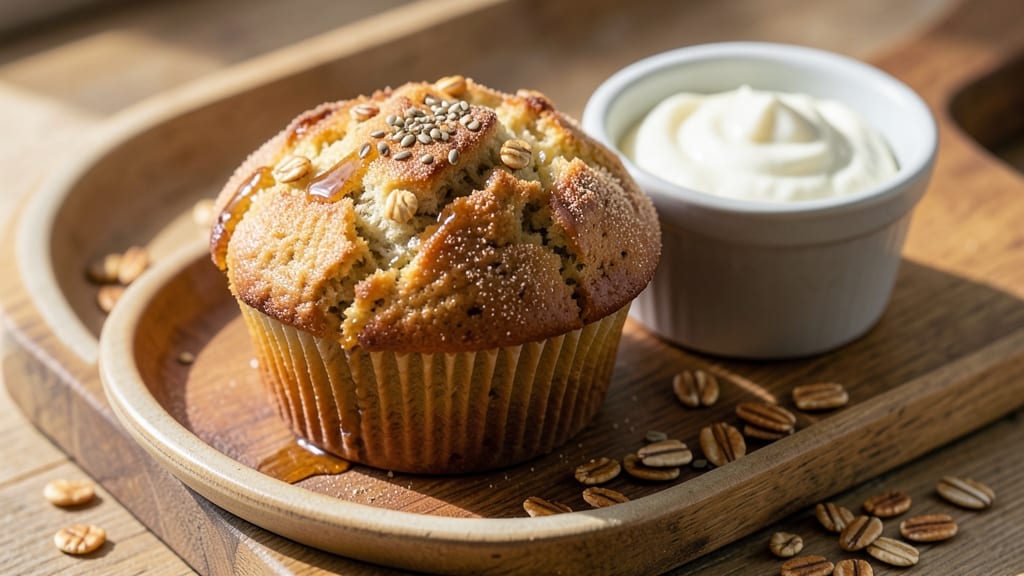
Transform your morning routine with these protein-packed cottage cheese and oats muffins—a wholesome twist on classic breakfast baking that delivers moist, tender texture without sacrificing nutrition. ✨ The secret lies in blending cottage cheese for natural creaminess while keeping the oats intact to maintain structure, creating muffins that stay fresh for days.
What sets these apart is their foolproof simplicity—just five core ingredients combine for a recipe that’s both beginner-friendly and restaurant-quality. The cottage cheese adds subtle tang and moisture, while oats provide hearty texture and fiber. Baking at 350°F for 20-25 minutes ensures even cooking without drying out.
Each bite offers a fluffy yet substantial experience, perfect for grab-and-go breakfasts or brunch gatherings. These muffins reheat beautifully, making them ideal for meal prep. The best part? They’re naturally vegetarian and adaptable—add raisins, cinnamon, or chocolate chips for customization.
Whether you’re seeking a protein boost or a gluten-free option (using certified oats), these muffins deliver consistent results every time. Let’s get started with the perfect balance of wholesome ingredients and simple technique.
Ingredients for cottage cheese and oats muffin
Protein-packed muffins where cottage cheese meets oats—simple, wholesome, and absolutely addictive.
| Ingredient | Amount | Notes |
|---|---|---|
| Large Eggs 🥚 | 4 whole | Room temperature for best incorporation |
| Full-Fat Cottage Cheese 🧀 | 1 ½ cups | Low-sodium preferred for flavor control |
| Old-Fashioned Rolled Oats 🍚 | 3 cups | Certified gluten-free if needed |
| Granulated Sugar 🍬 | ½ cup | Or coconut sugar for refined sugar-free |
| Pure Vanilla Extract 🌿 | 1 tbsps | High-quality for authentic flavor |
| Diamond Crystal Kosher Salt 🧂 | 1 tsp | Adjust to taste after baking |
| Baking Powder 🧪 | 1 ½ tsp | Double-acting for even rise |
| Unsalted Butter 🧈 | ½ cup | Melted for moisture infusion |
| Milk (any fat content) 🥛 | ½ cup | Room temperature for creaminess |
| Flaky Sea Salt 🧂 | ¼ tsp | For finishing after baking |
The cottage cheese is your secret weapon here—full-fat for maximum creaminess, not the skim version. Look for low-sodium brands like Land O'Lakes to keep the flavor balanced, but don't worry if you can't find it—just reduce the kosher salt by half. The oats should be old-fashioned rolled for that rustic texture, but certified gluten-free works perfectly for sensitive stomachs. Pro tip: Soak the oats in milk for 10 minutes if you're worried about dryness—they'll absorb just enough moisture to keep these muffins tender without making them soggy.
No vanilla extract? Vanilla bean paste or almond extract works in a pinch—just halve the amount since almond is more potent. Want to add sweetness without sugar? Monk fruit sweetener or stevia blend keeps it low-calorie but maintains that caramelized flavor. The baking powder is non-negotiable—double-acting brands like Rumford ensure even rise throughout. And if you're avoiding dairy, unsweetened almond milk plus extra eggs can replace the milk and butter, though the texture will be slightly lighter. The flaky sea salt? Maldon is your best bet—it melts beautifully on top and adds that perfect finishing touch.
These muffins keep their best flavor for 4-5 days in an airtight container at room temperature, but honestly, they taste even better the next day as the flavors meld. For longer storage, freeze them individually wrapped for up to 3 months. To reheat, pop one in the microwave for 20 seconds or bake at 350°F for 5-7 minutes until warmed through. I always bake a double batch—portion into reusable silicone molds so they're ready for grab-and-go mornings. The muffins reheat beautifully, but don't skip the flaky salt on top—it's what makes them taste like they came from a bakery!
Why You'll Love This Recipe
- No Mixer Needed: I mix everything by hand—spoonfuls of full-fat cottage cheese, oats, and eggs—no fancy tools. The batter gets thick and creamy fast, no overmixing required. My arms aren’t sore afterward, either.
- Creamy, Crispy Magic: That first bite? Cottage cheese keeps them moist, while the oats add a subtle nuttiness. The vanilla extract ties it all together—like a cozy hug in muffin form.
- Breakfast or Dessert: Morning? Eat them plain with jam. Afternoon slump? Add a drizzle of honey or peanut butter. My kids even sneak one for dessert sometimes—no judgment here.
- Budget Breakfast: Oats and cottage cheese are cheap staples that stretch far. A dozen muffins cost less than takeout, and they last four days in the fridge. My wallet (and my stomach) thank me.
Step-by-step instructions for cottage cheese and oats muffins
These muffins transform simple ingredients into a protein-packed morning sensation you'll crave daily.
👨🍳 Step 1: Prepare the Cottage Cheese Mixture
Start by whisking together the 1.5 cups full-fat cottage cheese and 4 whole large eggs in a large bowl until completely smooth. This creates the protein-rich base that gives these muffins their moist, tender texture. The cottage cheese should be at room temperature—if it's cold, let it sit for 10 minutes to ensure proper incorporation.
Next, gently fold in the 0.5 cup granulated sugar and 1 tablespoon pure vanilla extract. The sugar dissolves into the mixture, while the vanilla adds that warm, aromatic depth that makes mornings feel special. I like to use my fingers to gently press the mixture against the bowl's sides, ensuring no dry spots remain.
👨🍳 Step 2: Combine Wet and Dry Ingredients
In a separate bowl, sift together the 1.5 teaspoons baking powder and 1 teaspoon diamond crystal kosher salt. This prevents any lumps from forming later, which is critical for even rise. Whisk these dry ingredients thoroughly to aerate them before combining with the wet mixture.
Now, gently fold the dry ingredients into the cottage cheese mixture using a silicone spatula. Be careful not to overmix—just until everything is combined. The texture should be slightly thick and slightly lumpy, almost like a soft batter. Overmixing develops gluten, which can make your muffins dense instead of light and fluffy.
👨🍳 Step 3: Incorporate Oats and Melted Butter
In a small saucepan, melt the 0.5 cup unsalted butter over low heat until fully liquid. Remove from heat and let it cool slightly—it should be warm but not hot when you mix it in. Pour the melted butter into the batter and stir gently to combine.
Next, add the 3 cups old-fashioned rolled oats to the batter and fold them in until evenly distributed. The oats will absorb some of the liquid, making the batter thicker. If the mixture seems too dry, add 2 tablespoons of room temperature milk at a time until it reaches a pourable consistency. The oats will give these muffins their signature chewy texture and nutty flavor.
🍳 Step 4: Bake to Golden Perfection
Preheat your oven to 350°F and line a standard muffin tin with paper liners. Divide the batter evenly among the 12 muffin cups, filling each about ¾ full. Tap the tin gently on the counter a few times to remove any air bubbles.
Bake for 20-25 minutes until the muffins are golden brown on top and a toothpick inserted into the center comes out clean. The edges should pull slightly away from the sides of the tin, indicating they've set properly. If your oven runs hot, start checking at the 18-minute mark to avoid overbaking.
Once baked, remove the muffins from the oven and let them cool in the tin for 5 minutes. Then, transfer them to a wire rack and sprinkle each muffin with 0.25 teaspoon flaky sea salt. This finishing salt enhances the flavors and adds a delightful contrast to the sweet, creamy interior. Serve warm for the ultimate morning treat!
Pro Tips For Making Cottage Cheese And Oats Muffin
- Squeeze the Cottage Cheese: Use a fine-mesh sieve or cheesecloth to wring out all the excess liquid from the cottage cheese before mixing. I used to skip this and ended up with dense, gummy muffins—now they’re light and fluffy like they should be. Trust me, the difference is night and day.
- Toast the Oats First: Dry-toast the rolled oats in a skillet for 3–5 minutes until golden and nutty. It adds depth of flavor and prevents the muffins from tasting too "raw" or oatmeal-like. (Yes, even if it feels like an extra step—your taste buds will thank you.)
- Whip the Eggs Separately: Beat the eggs alone until frothy before folding them into the cottage cheese mixture. This creates air pockets, making your muffins rise higher and stay tender. I tried mixing everything raw once and got flat, sad muffins—don’t repeat my mistake.
- Fill Cups to the Brim: Pack the batter tightly into the muffin tin—no gaps, no shortcuts. Underfilled muffins spread unevenly and bake into weirdly shaped blobs. Overfill slightly if needed; they’ll settle but stay moist. (Your future self will judge you if you don’t.)
Pro cooking tips for this recipe
Mastering Cottage Cheese Texture
I’ve found that blending full-fat cottage cheese with room-temperature eggs is key to avoiding lumps while creating that silky base. Whisking them together for at least 30 seconds ensures the mixture becomes smooth—this step prevents those pesky cottage cheese clumps that ruin texture.
For extra creaminess, strain the cottage cheese through a fine-mesh sieve before mixing if you’re using a slightly grainy brand like Land O’Lakes. 🥛
Avoid Overmixing the Batter
The moment you combine wet and dry ingredients, use a spatula with a flexible silicone edge to fold gently—just until the dry ingredients disappear. Overmixing develops gluten, turning your muffins into dense bricks instead of light, fluffy clouds.
I always check by lifting the spatula: if the batter clings slightly but doesn’t resist, you’re golden. Pro tip: Stop mixing as soon as the batter looks uniform.
Oats: Soak or Sift?
For chewier texture, I prefer soaking oats in milk for 5-10 minutes before folding them into the batter. This prevents dry pockets while keeping the muffins moist. Alternatively, sift the oats through a fine-mesh sieve to break up any clumps—this works well if you’re short on time.
Either method ensures even distribution, so your muffins stay consistent in texture throughout.
Butter Temperature Matters
Melt your unsalted butter until it’s just liquid, then let it cool to lukewarm before mixing. Hot butter can cook the eggs prematurely, while cold butter creates dense spots. I test it by dropping a spoonful into the batter—if it steams, it’s too hot; if it’s barely warm, it’s perfect.
This small step makes all the difference in achieving that tender crumb.
Baking Time Precision
Start checking for doneness at 18 minutes if your oven runs hot, but most home ovens need the full 20-25 minutes. The muffins are done when the edges pull away from the pan and a toothpick comes out clean.
If they’re browning too quickly, tent the pan with foil. Underbaking leads to gummy centers, while overbaking dries them out—so keep an eye on them! 🔥
Cooling and Salt Timing
Let the muffins cool in the pan for exactly 5 minutes before transferring to a rack. This prevents cracking. Once cooled, sprinkle with flaky sea salt (like Maldon)—this isn’t just for flavor, but to enhance the natural sweetness and add that bakery-quality finish.
I always do this step last, because salt draws out moisture, and you want the muffins to stay moist long after baking.
Nutrition facts
Frequently asked questions
Why use cottage cheese in muffins?
Cottage cheese adds natural creaminess and moisture without making muffins greasy. It also boosts protein content—each muffin gets about 6 grams—while keeping the texture tender. The slight tang balances sweetness beautifully, giving these muffins a sophisticated depth.
Can I make these muffins gluten-free?
Just swap the rolled oats for certified gluten-free oats. The recipe works perfectly with GF oats—no need to adjust measurements. The muffins will still be moist and flavorful, just with a slightly different texture. This makes them a great option for those avoiding gluten.
How do I prevent my muffins from cracking on top?
Cracking usually happens when muffins cool too quickly. To avoid this, let them cool in the pan for 5 minutes after baking before transferring to a rack. Also, ensure your batter isn't overmixed—this develops gluten and creates tension in the crust. A gentle touch during mixing goes a long way!
Can I add mix-ins like chocolate chips or raisins?
Yes, absolutely! Fold in ½ cup chocolate chips or ½ cup raisins with the oats for extra flavor. Just be sure to distribute them evenly to avoid clumping. For chocolate lovers, dark chocolate chips work especially well—they melt beautifully during baking.
How should I store these muffins?
Store muffins in an airtight container at room temperature for up to 5 days. For longer storage, freeze them individually wrapped for up to 3 months. To reheat, microwave for 20 seconds or bake at 350°F for 5-7 minutes until warm. They reheat beautifully and taste even better the next day!