
Desserts
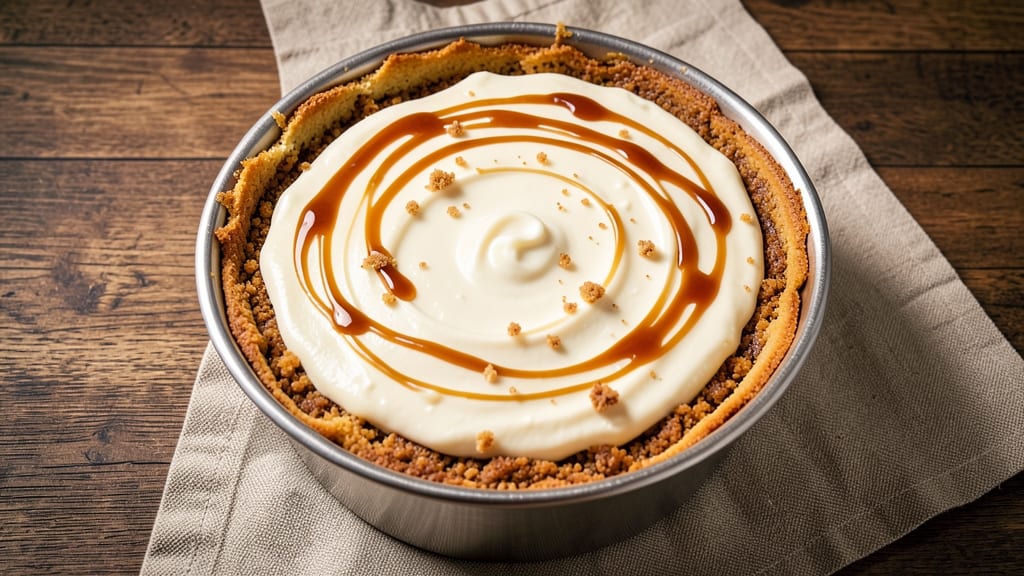
This classic cheesecake recipe delivers the velvety swirls and crispy graham cracker base you’ve been craving—every layer perfected for restaurant-quality results at home. The secret lies in precise ingredient ratios and gentle baking techniques that prevent cracking while creating that signature creamy texture.
I’ve baked countless cheesecakes over the years, and this method consistently delivers the tender, rich filling and buttery crust that make it worth the wait.
The foundation starts with a crispy graham cracker crust that holds its shape without becoming soggy, thanks to melted butter and a touch of sugar for extra richness.
The filling combines cream cheese, eggs, and sweetened condensed milk for a balance of tang and sweetness, then gets its signature swirls from a layer of chocolate or fruit compote. Baking at a precise temperature ensures a smooth, jiggly center that sets perfectly without overcooking.
What you’ll end up with is a cheesecake that’s classic in every sense—creamy, dense, and topped with a glossy swirl of chocolate or berry filling that adds both visual appeal and flavor contrast.
The crust stays crispy even after slicing, and the texture is so tender it practically melts in your mouth. This is the kind of dessert that feels like a celebration, no matter the occasion.
Serve it chilled with fresh berries, a dusting of powdered sugar, or a drizzle of caramel for extra indulgence. Whether you’re baking for a special dinner or just satisfying a sweet tooth, this recipe delivers every time. Let’s get started on creating your perfect slice.
Ingredients for classic cheese cake
Classic cheesecake starts with a buttery crust and velvety filling—just 13 ingredients for restaurant-quality results.
| Ingredient | Amount | Notes |
|---|---|---|
| Graham Crackers 🍪 | 2 cups | Crushed into fine crumbs |
| Unsalted Butter 🧈 | ½ cup | Melted, full-fat preferred |
| Granulated Sugar 🍚 | ¼ cup | For crust sweetness |
| Large Eggs 🥚 | 4 whole | Room temperature preferred |
| Cream Cheese 🧀 | 32 oz | Full-fat, room temperature |
| Sweetened Condensed Milk 🥛 | 1 can | 14 oz can, not evaporated |
| Granulated White Sugar 🍚 | 1 cup | For filling sweetness |
| Vanilla Extract 🌿 | 2 tsp | Pure, high-quality preferred |
| Dark Chocolate Chips 🍫 | 1 cup | Semi-sweet, for swirl |
| All-Purpose Flour 🌾 | 2 tbsp | For crust binding |
| Salt 🧂 | ½ tsp | Fine sea salt preferred |
| Lemon Juice 🍋 | 1 tbsp | Freshly squeezed |
| Powdered Sugar 🍚 | ¼ cup | For dusting |
The graham crackers are non-negotiable here. Honey Maid or Nabisco work best—they crush evenly and stay crisp. For the butter, Land O'Lakes or Plugrá are my go-tos (the full-fat kind, not the light version). The cream cheese? Philadelphia is the gold standard, but Wisconsin Brick holds up well too. Room temperature is key for both cream cheese and eggs—just let them sit out for 30 minutes before mixing. The condensed milk can be any brand, but Carnation is what I always reach for.
No sweetened condensed milk? Sweetened evaporated milk plus 1/4 cup sugar works in a pinch (though it's not identical). Short on vanilla? Vanilla bean paste adds depth, or almond extract at half the amount for a different twist. The chocolate chips can be swapped for chopped dark chocolate or a fruit compote—raspberry or mango work beautifully. For the crust, if you don't have extra flour, crushed cornflakes add crunch without altering the texture much. And trust me on the room-temperature ingredients—this makes all the difference in a smooth batter.
This cheesecake keeps beautifully—5 days in the fridge, 3 months frozen. I always wrap it tightly with plastic wrap, then foil, to prevent freezer burn. The crust stays crispy if you let it cool completely before slicing. For serving, I like to dust with powdered sugar right before cutting—just a pinch keeps it elegant. The filling sets up perfectly when chilled overnight, so if you're in a hurry, pop it in the freezer for 2 hours before serving.
Why You'll Love This Recipe
- No-Fuss Layers: I crush graham crackers with butter and sugar—three minutes—then dump it into the pan. No rolling, no stress, just press and bake. Honestly, the crust is foolproof, even if my hands are sticky from the cream cheese.
- Cream Cheese Magic: That tangy, velvety filling? It’s what makes this dessert ridiculously good. The eggs give it structure, but the cream cheese? That’s the star—rich, cool, and just sweet enough to make me reach for a second slice.
- Party-Ready Classic: Bring this to a potluck and watch it disappear. It’s fancy enough for birthdays but simple enough to make on a Sunday afternoon. (Yes, even when I’m exhausted from grocery shopping.)
- Leftovers? Better Than Fresh: Between us, the second day is even better—the crust softens just right, and the filling sets into that perfect, wobbly center. I make a whole pan on purpose, then stash slices in the freezer for lazy mornings.
Step-by-step instructions for classic cheesecake recipe
Here's how to create a perfect cheesecake with a buttery, crispy crust and velvety chocolate swirl filling.
Prepare the Graham Cracker Crust
Preheat your oven to 350°F. In a food processor, pulse the 2 cups of graham crackers into fine crumbs. I like to process them in batches if my processor is small—this ensures you get an even, fine texture that won't turn to paste when mixed with butter.
In a medium bowl, combine the graham cracker crumbs with the 0.5 cup of melted unsalted butter and 0.25 cup of granulated sugar. Mix with a wooden spoon until the crumbs are evenly moistened and the mixture holds together when pressed. This step is crucial for that signature crispy yet sturdy crust.
Press the mixture firmly and evenly into a 9-inch springform pan, creating an even base. Use the bottom of a glass to press down any uneven spots. Bake for 10 minutes until the edges are lightly golden. Let it cool while you prepare the filling—this prevents sogginess when you pour the cheesecake batter over it later.
Mix the Cheesecake Filling
In a large mixing bowl, beat the 32 oz of cream cheese and 1 cup of granulated white sugar on medium speed until smooth and creamy. I use a stand mixer for this step—it ensures the cream cheese is completely smooth without any lumps. If you're using a hand mixer, work in short bursts to avoid overheating the mixture.
Add the 4 whole large eggs, one at a time, mixing just until each is incorporated. Be careful not to overmix after adding the eggs—the batter should be thick but still pourable. Next, stir in the 2 teaspoons of vanilla extract, 1 tablespoon of lemon juice, and 0.5 teaspoon of salt until fully combined. The lemon juice adds a subtle brightness that balances the richness.
In a separate small bowl, melt the 1 cup of dark chocolate chips over a double boiler or in 30-second intervals in the microwave. Stir the melted chocolate into the cheesecake batter until smooth. This creates beautiful swirls that will be visible in your finished cheesecake.
Add the Sweetened Condensed Milk
Gently fold in the 1 can of sweetened condensed milk using a spatula. This ingredient is key for that classic cheesecake texture—it adds moisture without making the filling too runny. Be careful not to overmix, as this can incorporate too much air and cause cracks in your cheesecake.
Pour the batter over the cooled crust, spreading it evenly with the back of a spoon. To create those beautiful swirls, drop spoonfuls of the melted chocolate back into the batter and gently swirl with the spoon. This step is where your cheesecake gets its signature look—don't worry if it's not perfect, the swirls will still be visible after baking.
Bake to Perfection
Place the cheesecake in the preheated 350°F oven and bake for 50-55 minutes. The edges should be set, but the center should still be slightly jiggly—this indicates it's done. If you're unsure, check the doneness by inserting a toothpick in the center. It should come out with a few moist crumbs, not completely clean.
Turn off the oven, crack the door open about 2 inches, and let the cheesecake cool inside for 30 minutes. This slow cooling helps prevent cracks. Then remove it from the oven and let it cool completely at room temperature before refrigerating for at least 4 hours or overnight. Patience here is key—the longer it chills, the creamier the texture becomes.
Dust and Serve
Once fully chilled, run a knife around the edge of the springform pan to loosen the cheesecake. Remove the side of the pan and dust the top generously with 0.25 cup of powdered sugar using a fine-mesh sieve. This step adds that classic finishing touch and balances the rich flavors.
Slice with a warm knife (dip it in hot water and wipe dry between cuts) for clean, even pieces. Serve chilled, and enjoy every velvety bite of this classic cheesecake with its crispy graham cracker crust and decadent chocolate swirls.
Pro Tips For Making Classic Cheese Cake
- MELT BUTTER SLOWLY: I learned this the hard way—dumping melted butter into graham cracker crumbs too fast makes a soggy mess. Warm the butter just until it turns liquid (about 2 minutes in a microwave), then stir it into the crumbs gradually while pressing into the pan. The crust stays crisp because the moisture gets absorbed evenly.
- CHILL THE BATTER: Skip the rush and let the cheese cake batter sit covered in the fridge for at least 2 hours before baking. I used to bake it immediately, and the center would either sink or bake unevenly. Cold batter rises more smoothly, and the texture turns out denser—not that gummy, overmixed nightmare.
- WEIGH THE CREAM CHEESE: Your kitchen scale is your friend here. Cream cheese varies wildly in density—measuring by volume (cups) leads to either a dry or gooey filling. Weigh it instead: 8 ounces (225g) per block, and don’t pack it down when scooping. Overpacking adds air, which can cause cracks later.
- BAKE IN A WATER BATH: This isn’t the prettiest method, but it’s the tastiest. Wrap your springform pan in heavy-duty foil, then place it in a larger pan filled with hot water (up to the halfway point of the cake pan). The steam keeps the edges from drying out while the center cooks through. No more rubbery crust or underbaked goo.
Pro cooking tips for this recipe
Crust Perfection
For a truly crispy base, crush your graham crackers into fine crumbs—no larger than coarse sand. I use a food processor but pulse in 2-second bursts to avoid turning them into fine powder.
Mix the crumbs with melted butter and sugar until they clump together when pressed—this ensures the crust stays sturdy. Press the mixture evenly into your pan using the bottom of a glass for uniform pressure. 🧈
Room-Temp Ingredients
Never skip letting your cream cheese and eggs come to room temperature—this is non-negotiable for a smooth batter. I place both on the counter 30 minutes before mixing. Cold ingredients create lumps that are nearly impossible to blend out, even with a stand mixer.
Pro tip: Wrap the cream cheese in a towel to speed up the process without warming the kitchen.
Slow Mixing Matters
When adding eggs to the cream cheese mixture, fold them in one at a time with just enough strokes to combine. Overmixing incorporates air, which causes cracks during baking. I use a spatula for this step to minimize air incorporation.
The batter should be thick but still pourable—like pudding. For extra insurance against cracks, I tap the pan gently on the counter after pouring the batter to release any trapped air bubbles. 💫
Water Bath Technique
Place your springform pan inside a larger baking pan and add hot water to create a water bath that reaches halfway up the sides of your cheesecake pan. This method ensures even heat distribution and prevents cracks by slowing the baking process.
I use a 9x13-inch baking dish for this—it fits perfectly under most ovens. Remove the water bath after 30 minutes of baking to let the top set slightly.
Slow Cooling Prevention
After baking, turn off your oven, crack the door 2 inches, and let the cheesecake cool inside for 30 minutes. This gradual temperature drop prevents sudden contraction that causes cracks. I also place the pan on a wire rack to allow air circulation.
Once removed from the oven, let it cool completely at room temperature before refrigerating—this helps the filling set properly without developing a watery texture.
Knife Tricks for Slicing
Always use a hot knife for clean slices—dip it in hot water, wipe dry, and run it around the edge of the pan before cutting. This prevents dragging and gives you perfectly even slices.
For extra presentation, chill your cheesecake for at least 4 hours before slicing. I like to dust with powdered sugar right before serving—just 1 tablespoon is enough to add that classic finishing touch. 🍰
Nutrition facts
Frequently asked questions
Why does my cheesecake crack during baking?
Cracking happens when the filling sets too quickly or when too much air is incorporated during mixing. To prevent this, always use room-temperature ingredients, mix gently (no overbeating), and bake in a water bath. The slow cooling method in a turned-off oven also helps prevent sudden contraction.
Can I make this cheesecake without a springform pan?
Yes, but you'll need to grease your pan thoroughly and use parchment paper on the bottom for easy removal. A standard 9-inch round cake pan works, but avoid non-stick pans—they don't conduct heat as well. Just remember to run a knife around the edges before slicing to release it cleanly.
What's the best way to store leftover cheesecake?
Wrap tightly in plastic wrap, then cover with aluminum foil to prevent freezer burn. It keeps for 5 days in the fridge or 3 months in the freezer. For serving, let it sit at room temperature for 15-20 minutes first—this prevents condensation from making the crust soggy.
Can I substitute graham crackers for another crust?
For a nutty flavor, try crushed pecans or walnuts mixed with melted butter. A gingersnap or digestive biscuit crust works too, but graham crackers provide the perfect balance of sweetness and crunch. Just adjust the sugar in the crust mixture to taste.
How do I know when the cheesecake is fully set?
The center should be slightly jiggly (not completely firm) when done. Insert a toothpick—it should come out with a few moist crumbs, not clean. The edges should be fully set while the middle remains tender. If unsure, underbake slightly—it will firm up as it cools.