
Appetizers
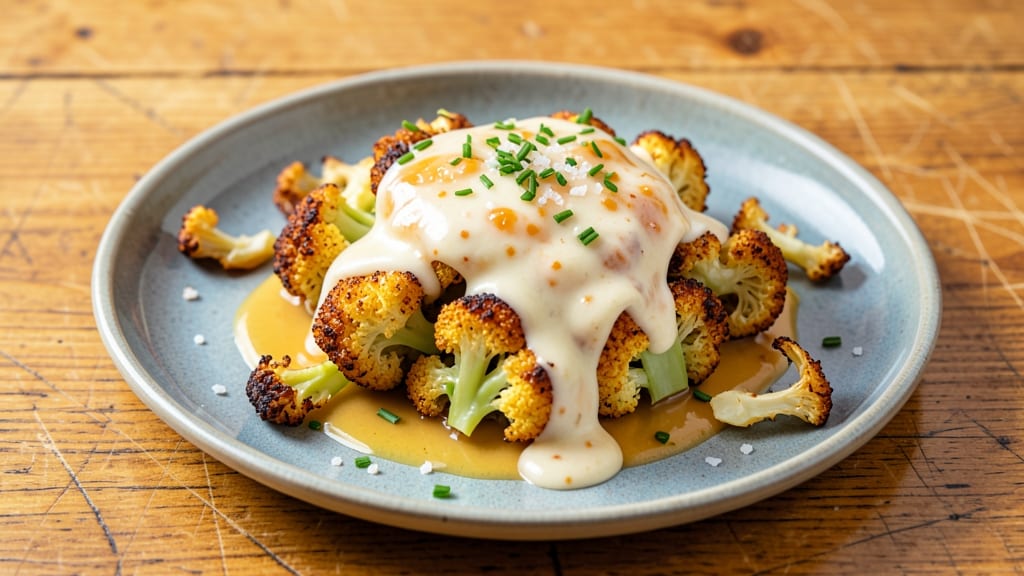
This classic cauliflower cheese recipe delivers the comforting, cheesy perfection that makes it a British pub staple—creamy, bubbly, and golden-brown at every bite. The secret lies in a rich béchamel base blended with sharp cheddar until it’s velvety smooth, then baked until the top forms an irresistible crust.
I’ve perfected this dish over years of testing, ensuring the cauliflower stays tender while the cheese sauce transforms into a luxurious blanket of flavor.
The foundation of great cauliflower cheese is patience—allowing the sauce to thicken properly and the cauliflower to steam gently in its own juices. A sprinkle of breadcrumbs on top adds texture, while a touch of mustard or nutmeg in the sauce elevates the depth of flavor.
This recipe serves 4 to 6 and comes together in under an hour, making it ideal for weeknight dinners or special occasions when you want restaurant-quality comfort food at home.
What you’ll end up with is a dish that’s equal parts indulgent and satisfying—creamy yet crispy, with cauliflower florets bathed in a glossy, golden cheese sauce.
The aroma alone will have everyone gathering around the table, and the first bite delivers that perfect balance of tangy cheddar, buttery richness, and the natural sweetness of cauliflower.
It’s the kind of recipe that feels like a hug in food form, and it pairs beautifully with a simple green salad or crusty bread.
For those who love a little extra crunch, try toasting the breadcrumbs before baking, or stir in a handful of grated parmesan for added complexity. Leftovers reheat beautifully, making this a perfect make-ahead dish for busy days. Let’s get started on creating your own bubbly, cheesy masterpiece.
Ingredients for classic cauliflower cheese
Pantry staples and a single fresh vegetable create this British comfort classic.
| Ingredient | Amount | Notes |
|---|---|---|
| Fresh Cauliflower 🥬 | 1 whole | Cut into even florets, stems removed |
| Sharp Cheddar Cheese 🧀 | 2 cups | Grated, aged 6+ months preferred |
| Unsalted Butter 🧈 | ½ cup | Cold, cubed for béchamel |
| All-Purpose Flour 🌾 | ¼ cup | Sifted for smooth sauce |
| Whole Milk 🥛 | 1 ½ cups | Full-fat for creaminess |
| Diamond Crystal Kosher Salt 🧂 | 1 ½ tsp | Adjust to taste |
| Ground Black Pepper 🌶️ | ½ tsp | Freshly cracked preferred |
| Ground Nutmeg 🌿 | ¼ tsp | Freshly grated for warmth |
| Dijon Mustard 🍯 | 1 tbsp | For subtle tang |
| Plain Breadcrumbs 🍞 | ¼ cup | Panko for extra crunch |
| Extra-Virgin Olive Oil 🫒 | 1 tbsp | For drizzling on breadcrumbs |
| Fresh Parsley 🌿 | ¼ cup | Chopped, for garnish |
The cauliflower needs to be fresh—bright white florets with no yellowing. Grab a head from the produce section, not pre-cut bags. For the cheese, sharp cheddar is non-negotiable—avoid pre-shredded (it's coated with anti-caking agents). Westcombe or Keen's are my go-tos, but any aged cheddar works. The butter should be cold and cubed when you start the béchamel—this prevents lumps. If you're short on time, Trader Joe's sells pre-grated cheddar that works in a pinch, but grating your own makes a world of difference.
No sharp cheddar? Gruyère or mature cheddar will do, but the flavor won't be quite the same. Ran out of Dijon? Yellow mustard at double the amount gives you that tang. Breadcrumbs too stale? Pulse them in a food processor with a pinch of salt. The nutmeg is crucial—freshly grated from a whole nutmeg if possible, but pre-ground works too. For extra richness, stir in 1 oz cream cheese with the béchamel. And if you're feeling fancy, swap half the milk for heavy cream.
This reheats beautifully—just cover with foil and warm in the oven for 10-15 minutes. Store leftovers in an airtight container for up to 4 days. For make-ahead meals, assemble the dish, refrigerate overnight, then bake straight from cold—add 10 minutes to the baking time. The breadcrumbs can be toasted in the oven at 350°F for 5 minutes before baking for extra crunch. Garnish with fresh parsley right before serving—it brightens up the dish.
Why You'll Love This Recipe
- Fewer Ingredients, Bigger Payoff: I swear by this recipe because it nails perfection with just five staples—no fancy add-ins, no hunting for obscure spices. That sharp cheddar melts into a velvety sauce while the cauliflower soaks up every last bit, turning into something so rich it feels indulgent (but isn’t).
- Cheese Pulls No Punches: Between us, I’ve tried those pre-shredded cheese shortcuts, and they’re a crime. Freshly grated sharp chedddar—melted with butter and milk into a roux—creates a sauce so tangy and smooth it sticks to your ribs. The texture? Crispy florets under that golden, stretchy cheese blanket? Yes.
- Weeknight to Potluck Hero: This dish works when I’m too tired to think (toss florets in boiling water, make the sauce, bake) and when I’m hosting (it’s fancy enough for guests but zero stress). My in-laws think I slaved over it—no one ever guesses it’s just a sheet pan and 30 minutes.
- Leftovers That Don’t Lie: Honestly, the first time I made this, I panicked about wasting food—then realized reheating it the next day is just as good. The cheese doesn’t dry out, the cauliflower stays tender, and the flavor only gets better as it sits. (Yes, even on a Tuesday night.) Budget win: one head of cauliflower feeds four, and the cheese stretches further than you’d think.
Step-by-step instructions for classic cauliflower cheese
Here's how to transform humble cauliflower into the creamiest, bubbly classic everyone loves.
Prepare the Cauliflower and Béchamel Base
Preheat your oven to 400°F. Cut the whole fresh cauliflower into even florets, removing any stems. Spread them on a baking sheet and drizzle lightly with 1 tablespoon extra-virgin olive oil. Toss to coat evenly, then roast for 15-20 minutes until the florets are tender when pierced with a fork but still hold their shape. You want them to stay bright white—not mushy.
While the cauliflower roasts, melt 0.5 cup unsalted butter in a saucepan over medium heat. Whisk in 0.25 cup all-purpose flour and cook for 1-2 minutes until golden. This creates your béchamel base. Gradually whisk in 1.5 cups whole milk until smooth, then stir in 1.5 teaspoons diamond crystal kosher salt, 0.5 teaspoon ground black pepper, and 0.25 teaspoon ground nutmeg. Simmer for 5 minutes until thickened to a creamy consistency. The sauce should coat the back of a spoon without being gluey.
Combine Cheese and Seasonings
Remove the cauliflower from the oven and reduce the heat to 375°F. In a large bowl, combine the roasted cauliflower with the creamy béchamel sauce. Add 2 cups sharp cheddar cheese and 1 tablespoon dijon mustard, stirring until the cheese melts completely and the mixture is smooth. The mustard adds a subtle tang that balances the richness. If the mixture seems too thick, whisk in 1-2 tablespoons of milk to loosen it slightly.
Here's the thing—don't skip the mustard. It's what separates homemade from store-bought. The mustard also helps prevent the cheese from becoming too heavy. Taste the mixture and adjust seasoning if needed, adding more salt or pepper as necessary. The sauce should be rich but not overpowering.
Assemble and Bake to Bubbly Perfection
Transfer the cauliflower mixture to a greased 9x13-inch baking dish. Sprinkle evenly with 0.25 cup plain breadcrumbs and 1 tablespoon extra-virgin olive oil, tossing gently to coat. The breadcrumbs add a satisfying crunch that contrasts beautifully with the creamy cheese. Bake for 20-25 minutes until the top is golden brown and the cheese is bubbling vigorously at the edges.
Real talk: This is the moment that matters. The breadcrumbs should be crispy, not soggy, and the cheese should have formed a thick, golden crust on top. If it's browning too quickly, tent loosely with foil for the last 5 minutes to prevent over-browning. The internal temperature should reach 165°F when checked with a thermometer.
Rest and Serve with Fresh Garnish
Remove the baking dish from the oven and let it rest for 5-10 minutes before serving. This resting period allows the cheese to set slightly and makes slicing easier. The dish should be bubbling hot, with a crispy top that gives way to creamy, cheesy layers underneath. If it's too thick, stir in a splash of warm milk to loosen it.
Garnish with 0.25 cup chopped fresh parsley just before serving. The parsley adds a bright contrast to the rich cheese and makes the dish look restaurant-worthy. Serve immediately while the cheese is still bubbly and the breadcrumbs are crisp. This classic cauliflower cheese delivers on its promise of creamy, cheesy perfection every time.
Pro Tips For Making Classic Cauliflower Cheese
- Trim the Core: DESCRIPTION: Cut out the cauliflower’s thick stem before slicing—it’s the only part that stays tough and rubbery. I used to leave it in, and the texture was all wrong. A sharp knife and 2 minutes of prep make a real difference.
- Melt Cheese Slow: DESCRIPTION: Warm the milk first, then stir in grated cheese off the heat—even a few seconds of direct heat turns the sauce grainy. I learned this after scraping burnt bits off my pot twice. Patience here keeps the sauce silky.
- Salt the Cauliflower: DESCRIPTION: Toss florets with ½ teaspoon salt before roasting—it crisps the edges better and balances the richness of the cheese sauce. Skipping this step means bland, soggy cauliflower underneath that glorious top layer.
- Toast the Flour: DESCRIPTION: Cook the butter and flour roux for 2–3 minutes until it smells nutty—this removes raw flour taste and adds depth. I was skeptical until I tried it; now it’s non-negotiable for a proper, restaurant-style finish.
Dietary considerations for classic cauliflower cheese
Vegetarian-Friendly Foundation
This dish is naturally vegetarian—no meat or fish involved—making it perfect for plant-based diets or meatless Mondays. The rich, cheesy sauce comes entirely from dairy, while the cauliflower provides fiber and vitamins.
I often serve it at vegetarian potlucks because it’s hearty enough to stand alone as a main dish. 🌱
Dairy-Free Adaptations
For dairy-free versions, swap the butter and milk for unsweetened almond milk and olive oil, and use nutritional yeast (¼ cup) or vegan cheddar shreds (like Violife) instead of regular cheese.
The texture will be slightly lighter, but the dish still delivers that comforting, cheesy flavor. Trust me, your guests won’t miss the dairy!
Gluten-Free Options
To make this gluten-free, replace the all-purpose flour in the béchamel with ½ cup gluten-free flour blend (like Bob’s Red Mill 1:1) or cornstarch (¼ cup). For extra thickness, whisk in 1 extra tablespoon of cornstarch with the flour.
The breadcrumbs can be swapped for gluten-free panko or crushed gluten-free crackers—just make sure they’re labeled safe for baking.
Low-Carb Customization
For a low-carb twist, skip the breadcrumbs entirely or use crushed pork rinds for a crispy, zero-carb topping. You can also reduce the flour in the béchamel by ¼ cup and add 1 extra tablespoon of cornstarch to maintain thickness.
The cauliflower itself is naturally low-carb, so this version keeps the dish indulgent without the guilt. 💪
Vegan Cheese Alternatives
If you’re fully vegan, opt for cashew-based cheese sauces or tofu ricotta blended with nutritional yeast and lemon juice for tang. Brands like Miyoko’s or Follow Your Heart make plant-based cheddar shreds that melt surprisingly well.
For extra richness, stir in 1 tablespoon vegan butter or coconut oil into the sauce.
Allergen-Friendly Tips
Watch for nutmeg allergies—it’s a common trigger. If needed, boost warmth with ½ teaspoon ground cinnamon instead. For lactose-intolerant diners, use lactose-free milk and lactose-free butter (like Land O’Lakes Free).
Always check labels, as some cheeses are processed with dairy enzymes. When in doubt, keep a small bowl of plain yogurt or dairy-free sour cream on the side for dipping.
Nutrition facts
Frequently asked questions
Can I use pre-cut cauliflower florets instead of a whole head?
Yes, but choose fresh florets with bright white color and no yellowing. Pre-cut florets often have more moisture content, so pat them dry thoroughly before roasting to prevent sogginess. For best results, use florets that are about 1.5 to 2 inches in size—they'll cook evenly and hold their shape.
Why did my cheese sauce turn grainy?
Grainy sauce usually means the cheese didn't melt completely. Use sharp cheddar (not pre-shredded) and stir the sauce over low heat while adding cheese, letting it melt gradually. If it's still grainy, whisk in 1 tablespoon of milk to smooth it out. For extra insurance, melt the cheese off-heat in a separate bowl first, then stir it into the warm sauce.
How can I make this dish extra crispy on top?
For maximum crunch, toast your breadcrumbs in a dry skillet over medium heat for 3-4 minutes until golden before sprinkling on top. Mix in 1 tablespoon melted butter with the breadcrumbs for extra stickiness. Bake uncovered for the last 5 minutes to let the top brown deeply. A sprinkle of grated parmesan on top before baking adds another crispy layer.
Can I make this ahead of time?
Assemble the dish completely (including breadcrumbs) and refrigerate for up to 24 hours before baking. When ready to bake, add 10-15 minutes to the baking time since it starts cold. For make-ahead meals, bake it the day before, cool completely, then reheat covered with foil in a 350°F oven for 15-20 minutes until bubbly.
What's the best way to reheat leftovers?
Leftovers reheat beautifully! Cover with foil and warm in a 350°F oven for 10-15 minutes until hot through. For extra crispiness, uncover for the last 2-3 minutes to revive the breadcrumb topping. Microwaving works in a pinch (covered for 1-2 minutes), but the texture won't be as perfect—oven reheating preserves the creamy-cheesy magic.