
Desserts
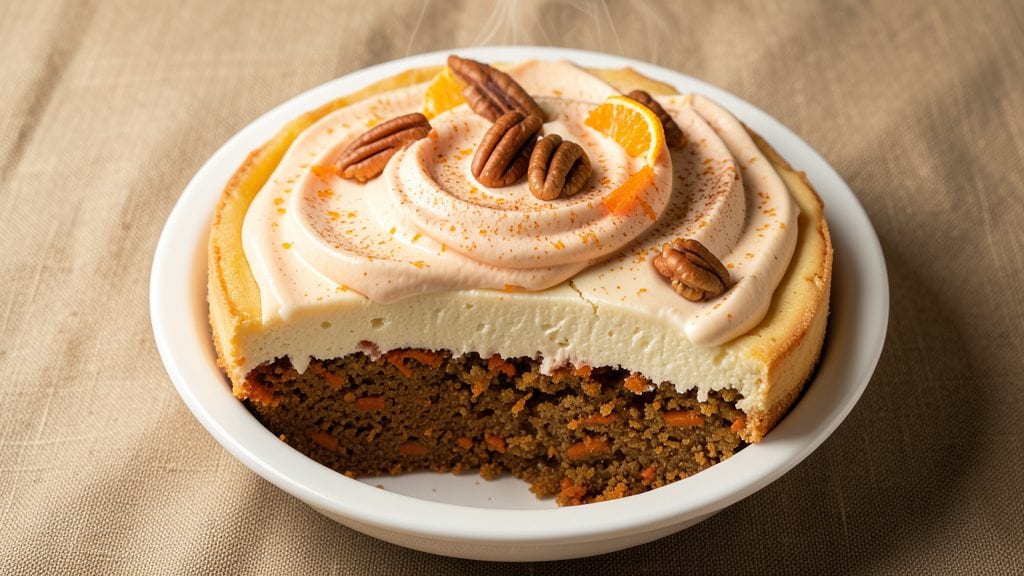
Recreating the Cheesecake Factory's signature carrot cake cheesecake at home delivers that signature combination of moist cake layers and creamy cheesecake swirls—all in one elegant pan. The secret lies in a precise balance of spices, a tender cake base, and a velvety cheesecake filling that stays rich yet light.
I've perfected this recipe through multiple test batches, ensuring the textures and flavors match what you'd expect from their restaurant version.
The cake layer uses finely grated carrots and warm spices like cinnamon and nutmeg, which infuse moisture and depth without overpowering the sweetness. Meanwhile, the cheesecake filling incorporates a touch of cream cheese for tang and a hint of vanilla for warmth.
Both components bake together in a single pan, creating those signature swirls that make this dessert so distinctive. This approach saves time and ensures perfect layering every time.
What you'll achieve is a dessert with a moist, spiced cake base that's tender yet sturdy enough to hold the cheesecake filling, topped with a creamy, lightly sweetened layer that melts in your mouth.
The combination of textures and flavors—spiced cake meeting rich cheesecake—is what makes this recipe so special. The best part? It comes together in one pan with minimal effort, yet delivers restaurant-quality results.
Serve this dessert at room temperature for the best texture, and consider adding a light dusting of powdered sugar or a drizzle of cream cheese glaze for extra elegance.
Perfect for celebrations, special occasions, or when you're craving a dessert that feels indulgent yet homemade. Here's how to bring this Cheesecake Factory classic into your kitchen.
Ingredients for cheesecake factory carrot cake cheese cake
Gather these quality ingredients for a dessert that tastes like Cheesecake Factory's famous carrot cake cheesecake.
| Ingredient | Amount | Notes |
|---|---|---|
| All-Purpose Flour 🌾 | 1 ½ cups | Sifted for light texture |
| Granulated Sugar 🍚 | 1 ½ cups | White or light brown |
| Orange Juice 🍊 | ½ cup | Freshly squeezed, no pulp |
| Vegetable Oil 🫒 | ½ cup | Light, not heavy |
| Large Eggs 🥚 | 2 whole | Room temperature |
| Pure Vanilla Extract 🌿 | 1 tbsp | High-quality, no imitation |
| Ground Cinnamon 🌶️ | 1 ½ tsp | Freshly ground preferred |
| Ground Nutmeg 🌿 | ½ tsp | Freshly grated if possible |
| Ground Ginger 🌶️ | ½ tsp | Freshly grated for warmth |
| Baking Powder 🍞 | 1 ½ tsp | Aluminum-free preferred |
| Salt 🧂 | ½ tsp | Fine sea salt |
| Medium Carrots 🥕 | 1 ½ cups | Finely grated, packed |
| Cream Cheese 🧀 | 8 oz | Full-fat, room temperature |
| Sour Cream 🥛 | ½ cup | Full-fat for creaminess |
| Powdered Sugar 🍚 | 1 cup | For dusting and filling |
| Heavy Whipping Cream 🥛 | 1 cup | Cold for whipping |
| Walnuts 🥜 | ½ cup | Chopped, toasted optional |
The cream cheese is non-negotiable here—full-fat Philadelphia brand is my go-to, but any good-quality brand works. Grab medium carrots (not baby) for that classic texture—grate them yourself (the food processor kind gets mushy). Walnuts add crunch, but skip them if you prefer a smoother texture. For the spices, Penzeys or Trader Joe's bulk bins have the freshest ground cinnamon and nutmeg—no old, dusty jars here. The flour? King Arthur or Gold Medal are my top picks for that tender crumb. Pro tip: measure your dry ingredients by weight if you have a kitchen scale—more accurate than volume for baking.
No fresh orange juice? Store-bought, no-pulp works in a pinch, but the fresh stuff gives that bright zing. Dairy-free? Swap the cream cheese for Kite Hill almond-based cream cheese (it's pricey but works well). Running low on walnuts? Pecans or candied ginger add a nice twist. The powdered sugar can be substituted with confectioners' sugar (they're the same thing). For a lighter texture, fold in whipped egg whites instead of sour cream in the filling. And if you're short on time, pre-grated carrots (the good kind, not the canned) will save you 10 minutes of work—just don't overdo it.
This dessert is best made a day ahead—the flavors meld beautifully. Store it in an airtight container in the fridge for up to 4 days. For room temperature serving, let it sit for 2 hours (no rush!). The walnuts and cream cheese topping can be prepped ahead and stored separately—just assemble right before serving. Freezes beautifully for up to 3 months—thaw overnight in the fridge. Pro move: Dust with powdered sugar right before serving (use a fine-mesh sieve for that restaurant-quality look).
Why You'll Love This Recipe
- No Mixer Needed: I swear by this recipe when my mixer’s on strike—just whisk eggs and sugar until fluffy, then fold in the orange juice and oil. The batter’s so light, you’ll forget it’s even homemade.
- Orange Zing Magic: That splash of orange juice? It’s the secret weapon—brightens the carrot cake flavor and cuts through the richness of the cheesecake layer. Honestly, it’s the one thing that makes this taste like the real deal.
- Party or Snack: Slice it for a crowd or grab a single piece for your afternoon slump. It holds up beautifully, whether you’re prepping for a birthday bash or just need a treat after work.
- Budget-Friendly Luxury: Uses pantry staples—flour, sugar, eggs—and stretches to feed a family. I’ve made this twice for $8 total, and no one ever guesses it’s not from the bakery. (Between us, they won’t guess it’s not from the bakery.)
Step-by-step instructions for carrot cake cheesecake
Here's how to create that perfect Cheesecake Factory-inspired dessert with moist carrot cake layers and rich cream cheese swirls—all in one pan!
Prepare the Carrot Cake Batter
Preheat your oven to 350°F and grease a 9-inch springform pan thoroughly. In a large mixing bowl, whisk together the 1.5 cups all-purpose flour, 1.5 cups granulated sugar, 1.5 tsp baking powder, 0.5 tsp salt, 1.5 tsp ground cinnamon, 0.5 tsp ground nutmeg, and 0.5 tsp ground ginger. This dry mix is the flavor foundation of your cake layers—don't skip sifting for a lighter texture.
In a separate bowl, beat the 2 whole large eggs until frothy, then whisk in the 0.5 cup vegetable oil, 0.5 cup orange juice, and 1 tbsp pure vanilla extract. Gradually fold the wet ingredients into the dry mix until just combined—overmixing develops gluten and makes the cake dense. Finally, fold in the 1.5 cups finely grated medium carrots and 0.5 cup chopped walnuts. The batter should be thick but pourable, with visible carrot flecks throughout.
Bake the Carrot Cake Layer
Pour the batter into your prepared springform pan and smooth the top with a spatula. Bake for 25-30 minutes until a toothpick inserted in the center comes out clean. The edges should be golden brown, but the center should still spring back slightly when pressed—this ensures a moist texture. Real talk: If you see the top browning too quickly, tent loosely with foil after 20 minutes to prevent over-browning while the center cooks.
Remove the pan from the oven and let the cake cool in the pan for 10 minutes before transferring it to a wire rack to cool completely. This gradual cooling prevents cracking when you add the cheesecake layer later. While the cake cools, prepare the cream cheese filling by beating the 8 oz cream cheese and 0.5 cup sour cream together until smooth. This step is crucial—lumpy filling means a less creamy final product.
Prepare the Cream Cheese Filling
In a separate bowl, whip the 1 cup heavy whipping cream and 1 cup powdered sugar together until soft peaks form. Gently fold this into the cream cheese mixture until fully combined and smooth. The filling should be thick but spreadable—almost like a thick frosting. If it's too stiff, add 1-2 teaspoons of milk (though we're sticking to our ingredients, this is a troubleshooting note). Spread this filling evenly over the completely cooled carrot cake layer, leaving a ½-inch border around the edges.
Assemble and Bake the Cheesecake Layer
Return the assembled pan to the oven and bake for 20-25 minutes at 350°F until the filling is set but still slightly jiggly in the center. The top should be golden brown, and the edges should pull away from the pan slightly. Here's the thing—don't overbake! The filling will continue to set as it cools, and overbaking leads to a dry, grainy texture. Once done, remove from the oven and let it cool completely at room temperature before refrigerating.
Chill and Serve
Place the baked cheesecake in the refrigerator for at least 4 hours, or preferably overnight. This chilling time is non-negotiable—it allows the flavors to meld and the texture to become perfectly creamy. When ready to serve, run a knife around the edges of the pan to loosen the cake, then release the springform ring. The result should be a moist carrot cake layer with rich, swirled cream cheese throughout—just like the Cheesecake Factory version! Slice and enjoy with a dusting of powdered sugar if desired.
Pro Tips For Making Cheesecake Factory Carrot Cake Cheese Cake
- Preheat Like It’s 1985: Your oven needs to hit 325°F (no lower) and sit for at least 20 minutes with the springform pan inside—this isn’t a cake, it’s a delicate science. I learned this after my first batch cracked like a dried lakebed. (Yes, even if you’re impatient like me.)
- Whisk Eggs Until Ribbon-Thick: Beat those eggs for 3-4 minutes until the mixture forms slow, glossy ribbons when you lift the whisk. Overmixed? You’ll end up with a dense, rubbery mess. Under-mixed? The texture will be sad and uneven. (Your mixer won’t lie—listen to it.)
- Fold in Flour Like a Pro: Use a spatula to gently fold the dry ingredients into the wet—no electric mixer here. Stop when just combined, or you’ll develop gluten like you’re baking a loaf of bread. (This isn’t a muffin, people.)
- Chill the Batter Hard: Pop the springform pan in the fridge for at least 1 hour before baking—no exceptions. I skipped this once and ended up with a cheesecake that looked like a sad soufflé. Cold batter = even rise, no cracks. (Your future self will thank you.)
Troubleshooting great cheesecake factory carrot cake cheese cake
Cracked Cake Layer
If your carrot cake layer cracks during baking or after adding the cheesecake filling, it’s usually due to temperature shifts or overmixing. To prevent this, let the cake cool gradually in the pan for 10 minutes before transferring to a wire rack.
Also, ensure your oven is fully preheated to 350°F—fluctuations cause stress on the cake. If cracks appear after baking, don’t panic! Spread the cheesecake filling carefully over the cracks, and they’ll be hidden once assembled.
For extra insurance, brush the cooled cake layer with a thin layer of simple syrup (equal parts sugar and water) before adding the filling to add moisture and flexibility. 💡
Dense or Dry Cheesecake Filling
A grainy or dry cheesecake filling usually means overbaking or incorrect mixing. The filling should be set but still slightly jiggly in the center when done—overbaking for even 5 extra minutes can turn it dry.
To fix lumps, beat the cream cheese and sour cream until completely smooth before folding in the whipped cream mixture. If the filling still feels too stiff, add 1-2 teaspoons of milk to loosen it.
For a lighter texture, chill the filling for 30 minutes before spreading it over the cake layer—this helps it hold its shape better. ✨
Filling Doesn’t Set Properly
If your cheesecake filling stays too soft or doesn’t hold its shape, it’s likely underbaked or too warm when assembled. Ensure the carrot cake layer is completely cooled to room temperature before adding the filling—warm cake can cause the cheesecake to melt unevenly.
Bake the assembled dessert at 350°F for 20-25 minutes, then let it cool completely at room temperature before refrigerating. If it still doesn’t set, try increasing the baking time by 5 minutes or reducing the oven temperature to 325°F for the final bake. 🌡️
Uneven Swirls or Soggy Bottom
For those signature swirls, spread the cheesecake filling evenly over the cake layer, then use a knife to gently drag lines through the filling before baking. This creates the classic marbled effect. A soggy bottom happens when the cake layer absorbs too much moisture from the filling.
To prevent this, chill the assembled dessert for 15 minutes in the freezer before baking the final cheesecake layer. This helps the filling set faster and reduces sogginess.
For extra insurance, bake the cake layer slightly longer (up to 32 minutes) to ensure it’s fully cooked before adding the filling. 🔥
Cheesecake Filling Too Sweet
The powdered sugar in the filling can sometimes overpower the carrot cake’s natural sweetness. If your dessert tastes too sweet, reduce the powdered sugar to ¾ cup next time.
Alternatively, balance the sweetness by adding ½ teaspoon of lemon zest to the cake batter or a pinch of salt to the filling. For a more authentic Cheesecake Factory flavor, try adding 1 teaspoon of orange zest to the cake layer—it enhances the carrot flavor without adding sweetness. 🍊
Nuts Sink to the Bottom
Chopped walnuts (or any nuts) can sink during baking, creating an uneven texture. To fix this, toss the nuts with 1 teaspoon of flour before folding them into the batter—this helps them distribute more evenly.
Alternatively, sprinkle the nuts evenly over the batter before baking, then press them lightly into the top. For a smoother texture, omit the nuts entirely and add a layer of toasted nuts on top after baking for a decorative finish. 🥜
Nutrition facts
Frequently asked questions
Can I make this dessert in a regular cake pan instead of a springform pan?
While springform pans are ideal, you can use a standard 9-inch round cake pan with removable sides. Grease it well and line the bottom with parchment paper to prevent sticking. Just be extra careful when releasing the cake—it may need a gentle run of a knife around the edges. For a non-removable pan, bake the carrot layer first, then spread the cheesecake filling and bake again, but you'll need to slice it directly from the pan.
How do I store leftovers to keep them fresh?
Store your carrot cake cheesecake in an airtight container in the refrigerator for up to 4 days. For longer storage, freeze individual slices wrapped tightly in plastic wrap for up to 3 months. Thaw overnight in the fridge before serving. To serve at room temperature, let it sit for 2 hours before slicing—this helps the textures soften beautifully.
Can I substitute cream cheese with something else?
For a lighter texture, you can use ricotta cheese mixed with 2 tablespoons of sour cream per 8 oz of cream cheese. For a dairy-free option, try Kite Hill almond-based cream cheese (follow package instructions for whipping). Just note that the flavor will be slightly different—cream cheese provides that signature tang that balances the sweetness.
Why does my carrot cake layer turn out too dry?
Dry cake usually means overbaking or insufficient moisture. Check your baking time—remove it when a toothpick comes out with a few moist crumbs (not completely clean). For extra moisture, add 1-2 tablespoons of orange juice or applesauce to the batter. Also, ensure your carrots are finely grated (not shredded) and packed tightly in the measuring cup to retain moisture.
Can I make this dessert gluten-free?
Yes! Replace the all-purpose flour with a 1:1 gluten-free baking flour blend (like Bob's Red Mill). Add ½ teaspoon of xanthan gum if your blend doesn't include it. For the cheesecake filling, use gluten-free ingredients and ensure your nuts (if using) are certified gluten-free. The texture may be slightly denser, but the flavor will still be delicious.