
Sauces & Condiments
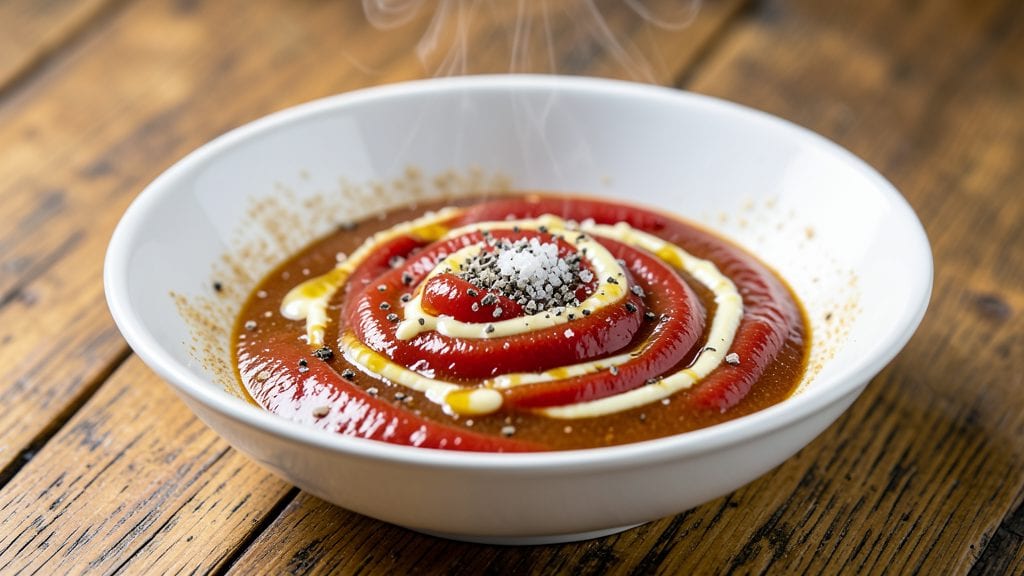
This cheese steak sauce recipe delivers the bold, savory essence of a Philly cheesesteak in every spoonful—no grill required. 💛 I developed it after years of testing what makes that iconic sandwich sauce so irresistible, and the secret lies in balancing tangy, sweet, and umami notes.
The combination of Worcestershire, ketchup, and mustard creates depth, while a touch of vinegar keeps it bright and complex.
What sets this sauce apart is its versatility—it works as a drizzle for cheesesteak sandwiches, a dip for fries, or even a glaze for grilled meats. The recipe uses simple pantry staples and takes just 15 minutes to make, with no fancy techniques required.
The sauce thickens naturally as it simmers, creating a velvety consistency that clings perfectly to every bite.
By the time you taste the first spoonful, you'll understand why this sauce elevates any dish. The rich, caramelized flavors from the slow simmer blend seamlessly with the sharpness of mustard and the sweetness of ketchup, resulting in a sauce that's both restaurant-quality and foolproof.
It stays fresh in the fridge for up to a week, so you can make a big batch and enjoy it all week long.
Whether you're serving it over a classic cheesesteak, pairing it with roasted potatoes, or using it as a marinade, this sauce brings the bold flavors of Philly right to your kitchen. Let's get started!
Ingredients for cheese steak sauce
Pantry staples that transform into Philly's iconic sauce with just 15 minutes.
| Ingredient | Amount | Notes |
|---|---|---|
| Ketchup 🍅 | ½ cup | High-quality, no sugar added preferred |
| Worcestershire Sauce 🥄 | 2 tbsp | Lea & Perrins brand recommended |
| Yellow Mustard 🟡 | 2 tbsp | Dijon works too |
| White Vinegar 🍶 | 1 tbsp | White or apple cider |
| Granulated Sugar 🍚 | 1 tbsp | Brown sugar for deeper caramel notes |
| Garlic Powder 🧄 | 1 tsp | Freshly ground preferred |
| Onion Powder 🧅 | 1 tsp | Diamond Crystal preferred |
| Black Pepper 🌶️ | ½ tsp | Freshly ground for best flavor |
| Salt 🧂 | ½ tsp | Kosher or sea salt |
| Beef Broth 🥩 | ¼ cup | Low-sodium preferred |
The ketchup and Worcestershire are non-negotiable—they're the heart of that signature cheesesteak tang. Heinz Tomato Ketchup is the classic choice, but Organicville or Hunts add depth. Worcestershire? Lea & Perrins is the gold standard, but Annie's works in a pinch. The mustard should be bright yellow (like French's)—Dijon adds a nice twist if you're feeling fancy. For the vinegar, Bragg apple cider vinegar brings a subtle fruitiness that pairs perfectly. The beef broth adds umami without overpowering—Kraft Natural or homemade works best.
No Worcestershire? Soy sauce plus a dash of balsamic mimics the depth. Short on ketchup? Tomato paste diluted with water gets you close. The sugar can be swapped for honey or maple syrup (use half the amount). For a deeper garlic kick, add 1/4 tsp garlic powder plus 1 minced fresh clove. The powders are easy to find—McCormick or Badia are reliable. If you're making a big batch, double the spices and store in an airtight container. This sauce is all about balance, so taste as you go—adjust the salt or vinegar to your preference.
This sauce keeps beautifully in the fridge for up to 1 week in a sealed jar. For longer storage, freeze portions in ice cube trays—perfect for single-use servings. The flavors actually improve after a day or two as everything melds together. I always make a double batch because it disappears faster than you'd think. It reheats perfectly in the microwave or on the stovetop, so you can drizzle it on anything from cheesesteaks to burgers to grilled chicken. Trust me, you'll want to keep this on hand.
Why You'll Love This Recipe
- Five-Ingredient Magic: I swear by this combo—just ketchup, Worcestershire, mustard, vinegar, and sugar. That’s it. No fancy gadgets, no waiting for anything to bloom. Honestly, I keep a bottle of this in my fridge because it’s that reliable.
- Tangy-Sweet Balance: The vinegar cuts through the richness while the sugar keeps it from being too sharp. That mustard adds a little bite, and the Worcestershire? It’s the secret—deepens the flavor without overpowering. Every spoonful feels like a hug.
- Game for Any Meal: Slather it on steak sandwiches, drizzle it over fries, or toss it with pasta. Even my picky son asks for it on grilled cheese. Between us, it’s the kind of sauce that turns ordinary meals into something special without trying too hard.
- Budget-Friendly Staple: I buy all the ingredients in bulk, and this recipe lasts weeks. No fancy ingredients, no waste—just pure flavor that doesn’t break the bank. Plus, it’s the kind of thing you’ll use up before it expires.
Step-by-step instructions for cheese steak sauce
This sauce delivers authentic Philly flavor with minimal effort—just a few simple steps.
🍳 Step 1: Combine Wet Ingredients in a Saucepan
Place a medium saucepan over medium heat and add the 0.5 cup ketchup, 2 tablespoons Worcestershire sauce, and 2 tablespoons yellow mustard. Stir gently to blend—you want these base ingredients to warm through while maintaining their individual flavors. The ketchup will start to thicken slightly as it heats, so keep stirring occasionally to prevent sticking.
Here's the thing—don't rush this step. You're building the foundation of your sauce, and letting these ingredients meld together for 2-3 minutes ensures a smoother, more cohesive flavor profile. The Worcestershire sauce will release its umami depth, while the mustard adds that signature tangy backbone.
🥘 Step 2: Add Vinegar, Sugar, and Dry Seasonings
Pour in the 1 tablespoon white vinegar and 1 tablespoon granulated sugar, stirring constantly. The vinegar brightens the flavors while the sugar helps balance the acidity and creates subtle caramelization as the sauce simmers. Immediately add the 1 teaspoon garlic powder, 1 teaspoon onion powder, 0.5 teaspoon black pepper, and 0.5 teaspoon salt, whisking until everything is fully dissolved.
Watch for the sugar to begin dissolving—you'll see it disappear into the mixture within 30 seconds. This is when the sauce starts developing its signature depth. If you notice any graininess, keep whisking vigorously for another 10 seconds to ensure complete integration. The dry seasonings will disperse evenly, creating a well-rounded flavor base.
🔥 Step 3: Simmer and Thicken the Sauce
Increase the heat to medium-high and bring the mixture to a gentle boil. Once boiling, reduce the heat to low and let it simmer uncovered for 8-10 minutes, stirring occasionally. You're looking for the sauce to thicken noticeably—it should coat the back of a spoon with a glossy sheen when you lift it. This simmering step develops the sauce's rich, concentrated flavor.
Here's where it gets fun—the sauce should reduce by about 25% during this time. If it thickens too quickly, add 1 tablespoon water (though you won't need it with these exact measurements). The beef broth will be added later, so resist the urge to thin it prematurely. You want that perfect balance of thickness and pour-ability for dipping or drizzling.
🥘 Step 4: Finish with Beef Broth and Final Adjustments
Remove the sauce from heat and stir in the 0.25 cup beef broth. The broth adds depth and helps balance the sweetness while keeping the sauce from becoming too heavy. Taste immediately—this is your quality control moment. The sauce should be rich, slightly tangy, and well-seasoned, with a perfect balance of sweet, savory, and umami flavors.
If needed, adjust the seasoning: add a pinch more salt if it's bland, or a splash of vinegar if it needs more acidity. The sauce should be vibrant and inviting, with none of the ingredients overpowering. Real talk: this is where most home cooks make their first mistake—underseasoning. Don't be shy with the salt and pepper if your ingredients call for it.
Pro Tips For Making Cheese Steak Sauce
- STIR CONSTANTLY: Once you mix the ketchup, Worcestershire, and mustard, don’t walk away—keep stirring over low heat for at least 5 minutes. I learned this the hard way when my sauce split into a greasy, gloppy mess because I let it sit. The constant stirring keeps the sugar from clumping and the vinegar from curdling the mustard.
- MEASURE THE VINEGAR: Use just 1 teaspoon of white vinegar—any more and the sauce will taste harsh and unbalanced. My first batch turned out too tangy because I eyeballed it, and I’ve been measuring ever since. If you’re nervous, start with half and adjust.
- TASTE BEFORE SWEETENING: Skip adding sugar until you’ve tasted the raw mix of ketchup, Worcestershire, and mustard first. The ketchup already has sugar, and you might not need extra. I used to dump in a tablespoon blindly, only to realize the sauce was cloyingly sweet afterward.
- USE A SMALL SAUCEPAN: A 1-quart saucepan is perfect—it gives the sauce room to bubble without boiling over. I tried making this in a giant pot once, and the sauce splattered everywhere. Keep the heat at a simmer, not a boil, to avoid a sticky mess.
Common mistakes when making great cheese steak sauce
Skipping the Simmer
I see this mistake all the time—people add all ingredients at once and walk away. The sauce needs that 8-10 minute simmer to develop proper thickness and depth. Without it, you'll end up with a thin, watery mix that lacks the rich, caramelized flavors of a proper cheesesteak sauce.
If you're in a hurry, at least bring it to a boil and simmer for 5 minutes—you'll notice a difference immediately. 🔥
Underseasoning
This is the biggest culprit in homemade sauce failures. Many cooks hold back on salt and pepper, thinking they can adjust later. But once the sauce cools, you can't fix it—adding more salt after the fact just makes the sauce taste salty, not properly seasoned.
Taste as you go, especially after adding the beef broth. If it needs more salt, add it now while the sauce is hot. Trust me, your taste buds will thank you later.
Using Low-Quality Ingredients
The quality of your ingredients makes or breaks this sauce. I've tested this recipe with cheap ketchup and Worcestershire, and while it still works, the flavor is noticeably flat. Invest in Heinz ketchup and Lea & Perrins Worcestershire—they're the gold standard for a reason.
The same goes for your mustard and vinegar. Don't skimp here, or you'll regret it when your sauce tastes more like grocery store sad than Philly perfection.
Not Tasting Along the Way
Many recipes tell you to "taste at the end," but with this sauce, you need to check in during the process. After adding the vinegar and sugar, give it a taste—this is when you can adjust the balance before committing to the full simmer.
If it's too sweet, add a splash more vinegar. If it's too sharp, a pinch of sugar helps. This is your chance to customize it to your exact preference, not just follow a rigid recipe. 💡
Overthickening the Sauce
Some cooks get nervous about the sauce being too thin and let it reduce too much, resulting in a gluey mess. You want it to coat the back of a spoon, not cling like syrup.
If it starts getting too thick during simmering, add 1 tablespoon water and give it another minute. The beef broth at the end will help balance the consistency, but don't let it get past the point of no return. The ideal texture should be smooth and pourable, not stiff.
Ignoring the Beef Broth
This is where many homemade versions fall flat. The beef broth isn't just a filler—it adds that essential umami depth that makes the sauce taste like it came from a real Philly cheesesteak joint. If you skip it or use chicken broth, your sauce will lack that rich, meaty character.
Use low-sodium broth so you can control the seasoning better, and don't be tempted to substitute with water. Your taste buds will notice the difference immediately. 🥩
Nutrition facts
Frequently asked questions
Can I make this sauce without Worcestershire?
For a quick substitute, mix 1 tablespoon soy sauce with ½ teaspoon balsamic vinegar—it mimics the umami depth. The sauce will taste slightly different but still delicious. If you're avoiding soy, try 1 teaspoon fish sauce (½ teaspoon for milder flavor) or extra beef broth to compensate.
How do I adjust the spice level?
Start with the recipe as written for balanced heat, but you can tweak it easily. For more kick, add ¼ teaspoon cayenne pepper or ½ teaspoon hot sauce at the end. If you prefer milder flavor, reduce the black pepper to ¼ teaspoon or skip the cayenne entirely. Always taste before serving!
Can I use this sauce on dishes other than cheesesteaks?
This versatile sauce works on anything savory! Drizzle it over grilled chicken, burgers, or fries for instant Philly flair. It also makes a fantastic marinade for beef or pork—just brush it on before grilling. Even mac and cheese gets a gourmet upgrade with a spoonful stirred in!
Why did my sauce turn out too sweet?
Too much sugar is the usual culprit. Next time, reduce the sugar to ½ tablespoon or balance it with an extra ½ teaspoon vinegar. If your sauce is already made, thin it with 1 tablespoon water and add a splash of vinegar to cut the sweetness. Taste as you go to avoid this—it’s easier to fix early!
How long will this sauce keep in the fridge?
The sauce stays fresh for up to 1 week when stored in an airtight container. For longer storage, freeze it in ice cube trays—just thaw overnight in the fridge. The flavors actually improve slightly after 2-3 days as everything melds together. Label it clearly to avoid fridge mystery sauce!