
Sauces & Condiments
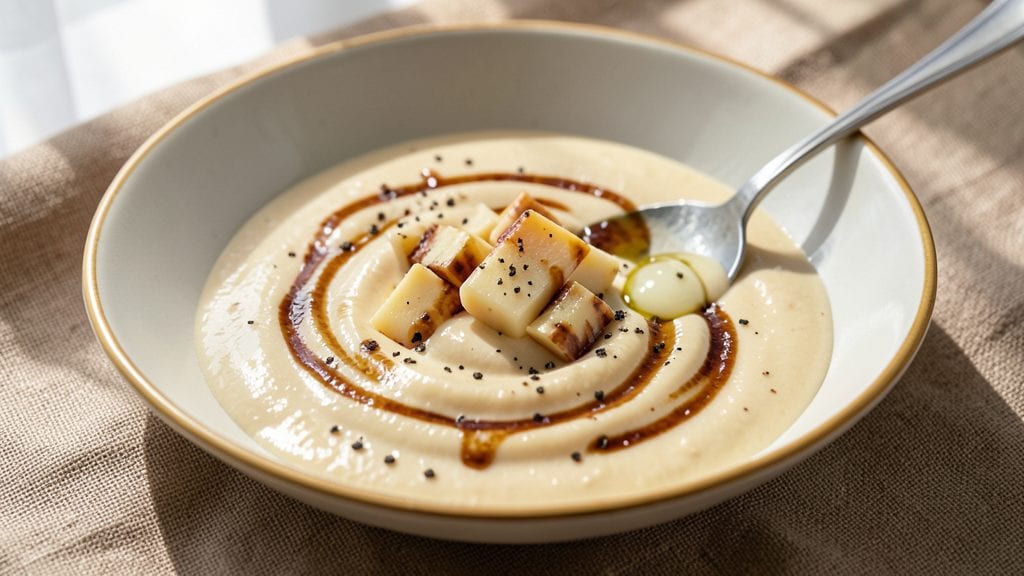
A cheese sauce recipe without flour that delivers restaurant-quality creaminess with just three core ingredients is exactly what you need for those moments when flour isn't on hand.
This method transforms simple dairy and cheese into a velvety, smooth sauce that clings perfectly to pasta, enhances casseroles, or serves as a rich dip. The secret lies in proper fat-to-liquid ratios and controlled heat—no roux required.
What sets this sauce apart is its silky texture, achieved through a precise blend of butter, milk, and cheese that creates natural thickening without graininess. Unlike traditional recipes, this version eliminates the need for flour while maintaining that signature velvety mouthfeel.
The process is straightforward but requires attention to temperature control to prevent curdling or separation.
By the time you're done, you'll have a sauce that's rich, smooth, and deeply flavorful—perfect for mac and cheese, baked potatoes, or as a dip for vegetables. The best part?
It comes together in under 10 minutes with ingredients you likely already have in your pantry. This is the kind of cheese sauce that turns ordinary meals into something extraordinary.
Whether you're accommodating dietary restrictions or simply prefer a cleaner ingredient list, this recipe delivers professional results without the flour. Let's get started on creating your perfect cheese sauce.
Ingredients for cheese sauce recipe without flour
Three core ingredients transform into velvety perfection—no flour, no fuss, just pure cheesy magic.
| Ingredient | Amount | Notes |
|---|---|---|
| Unsalted Butter 🧈 | ½ cup | Cold, cubed for even melting |
| Whole Milk 🥛 | 1 ½ cups | Full-fat for creaminess (2%) works too |
| Shredded Sharp Cheddar Cheese 🧀 | 2 cups | Freshly shredded, medium grind |
| Extra-Virgin Olive Oil 🫒 | 1 tbsp | High-quality for flavor depth |
| Diamond Crystal Kosher Salt 🧂 | ½ tsp | Adjust to taste after tasting |
| Freshly Ground Black Pepper 🌶️ | ¼ tsp | Freshly cracked for maximum aroma |
| Nutritional Yeast (optional) 🍄 | 1 tbsp | For umami depth, omit for classic flavor |
The butter is your secret weapon—cold cubes melt gradually, creating tiny fat pockets that emulsify the milk and cheese into that signature silky texture. European-style butter like Plugrá or Land O'Lakes works best, but any unsalted will do. For the cheese, sharp cheddar is non-negotiable—it melts smoothly and delivers that tangy depth. I always buy block cheddar from the deli counter and shred it myself (pre-shredded gets clumpy and lacks flavor). The milk? Whole is ideal, but 2% works in a pinch—just don't expect quite the same richness. Pro tip: warm the milk slightly (just until steaming) before adding it to the butter—this prevents curdling and helps the cheese melt more evenly.
No sharp cheddar? Monterey Jack or pepper jack in a 1:1 swap keeps things creamy, though you'll lose that signature tang. Out of whole milk? Evaporated milk or half-and-half adds body without thinning the sauce. The olive oil might seem odd, but it's what keeps this sauce from breaking—use a fruity, peppery EVOO like California Olive Ranch or Bertolli. For extra umami without flour, that nutritional yeast is a game-changer (it's like cheesy, savory powder). No pepper? Smoked paprika at half the amount adds warmth. And if you're wondering about dairy-free swaps, full-fat coconut milk replaces the milk, but the texture will be slightly heavier.
This sauce is best used immediately, but it keeps beautifully for 3-4 days in the fridge if you seal it with a thin layer of olive oil on top. Reheat gently over low heat, stirring constantly—never microwave, or you'll risk separation. For leftovers, I like to portion it into small jars so I can grab just what I need. Freezes for up to 3 months if you're prepping ahead, but the texture can get slightly grainy after thawing. To revive, just warm it slowly and stir in a splash of milk to smooth it out. And if you're making this for a crowd, double the recipe—it disappears faster than you'd think!
Why You'll Love This Recipe
- Here’s what sold me: that first bite of tangy, melty cheddar on buttered noodles or roasted broccoli. The olive oil keeps it from getting grainy, and the whole milk makes it rich without being heavy. Honestly? It’s the kind of sauce that makes you reach for seconds without thinking.
- No Roux Hassle: I’ll admit—this was my first cheese sauce without flour, and I was skeptical. But melting butter with a splash of olive oil first? That’s the trick. The sauce comes together in minutes, no sticky lumps, no waiting for roux to brown. Just melt, stir, add cheese—done.
- Sharp Cheddar Magic: Here’s what sold me: that first bite of tangy, melty cheddar on buttered noodles or roasted broccoli. The olive oil keeps it from getting grainy, and the whole milk makes it rich without being heavy. Honestly? It’s the kind of sauce that makes you reach for seconds without thinking.
- Pantry-to-Table Flex: Between us, this sauce is my go-to for weeknights, potlucks, or even a lazy Sunday brunch. Drizzle it over grilled veggies, toss with pasta, or serve it as a dip—it’s always a crowd-pleaser. And the best part? It’s ready before the kids even finish complaining about dinner.
Step-by-step instructions for cheese sauce without flour
Here's the method for a velvety, flour-free cheese sauce that's easier than you think.
Melt the Butter and Olive Oil Together
In a medium saucepan over medium-low heat, combine the 0.5 cup unsalted butter and 1 tablespoon extra-virgin olive oil. Let them melt together slowly—this gradual approach prevents burning while ensuring even flavor distribution. You'll see the butter foam and then settle into a smooth, golden liquid. This step is crucial because the olive oil adds depth while the butter creates the perfect fat base for emulsification.
Once fully melted, reduce the heat to low to maintain gentle warmth. The mixture should shimmer slightly but not bubble vigorously. If you rush this step, you risk developing a buttery flavor that overpowers the cheese. Patience here ensures a clean, rich foundation for your sauce.
Gradually Whisk in the Milk
With the butter-oil mixture still at low heat, slowly pour in the 1.5 cups whole milk while whisking continuously. The key here is gradual addition—adding all the milk at once can cause the sauce to separate. Start with about ¼ cup, whisking until smooth, then continue adding the remaining milk in 2-tablespoon increments, whisking vigorously after each addition.
You'll notice the mixture thicken slightly as it warms. Keep whisking for 2-3 minutes until the sauce reaches a gentle simmer. This slow incorporation creates an emulsion that prevents curdling later. If you see any lumps forming, strain the sauce through a fine-mesh sieve for absolute smoothness.
Incorporate the Cheese and Seasonings
Reduce the heat to lowest setting and begin adding the 2 cups shredded sharp cheddar cheese in ¼-cup portions, whisking constantly. The cheese should melt smoothly into the warm milk mixture. If you add it too quickly, the sauce may seize up—this is where your whisking skills shine. Work the cheese in until completely dissolved, which should take about 5 minutes of steady whisking.
Once all the cheese is incorporated, stir in the 0.5 teaspoon diamond crystal kosher salt, 0.25 teaspoon freshly ground black pepper, and 1 tablespoon nutritional yeast (if using). The nutritional yeast adds an umami depth that elevates this beyond basic cheddar. Taste the sauce now—it should be rich and tangy with a perfect balance of saltiness and peppery heat.
Simmer Until Silky Smooth
Return the sauce to a gentle simmer over low heat and cook for 5-7 minutes, whisking constantly. The sauce should thicken noticeably as moisture evaporates, but it should never boil—this would break the emulsion and create a grainy texture. You're aiming for a velvety consistency where the sauce coats the back of a spoon without being gluey.
Here's the thing—if the sauce starts to look too thick, whisk in 1-2 tablespoons of milk at a time until you reach your desired consistency. The goal is a sauce that's thick enough to coat pasta or vegetables but still flows smoothly. For extra richness, you can add a splash more milk, but don't overdo it or you'll dilute the cheese flavor.
Finish and Serve Immediately
Remove the sauce from heat and let it sit for 1-2 minutes to thicken slightly. This resting period allows the flavors to meld completely. For an extra-smooth finish, strain through a fine-mesh sieve if you want to eliminate any potential cheese grits—though freshly shredded cheese should melt completely with proper whisking.
Serve immediately over mac and cheese, grilled cheese sandwiches, or roasted vegetables for maximum creaminess. The sauce will continue to thicken slightly as it cools, so adjust with a splash of warm milk if needed. This method guarantees a velvety, flour-free cheese sauce that's rich, smooth, and packed with cheddar flavor—every time.
Pro Tips For Making Cheese Sauce Recipe Without Flour
- Melt Butter Slowly: Start with medium heat—too hot and you’ll burn the butter before the cheese even begins to soften. I learned this the hard way when my sauce turned into a greasy, grainy mess after just two minutes. Let the butter melt completely, then lower the heat to medium-low and add the milk to keep things smooth.
- Shred Cheese Like Pros: Skip the food processor—it makes cheese clumpy. Use a box grater or pulse in short bursts, then break up any large pieces with your fingers. I was skeptical until I tried it: the sauce stays velvety instead of turning into a sad, lumpy blob.
- Salt the Milk First: Add half the salt to the warm milk before combining it with the butter. This ensures even seasoning throughout the sauce, not just at the end. (Yes, even if you’re using unsalted butter—trust me, the flavor balances better this way.)
- Stir Constantly, But Not Obsessively: Keep the sauce moving with a wooden spoon, but don’t hover over it like a nervous parent. A steady, slow stir every 10–15 seconds prevents scorching while letting the cheese melt properly. I used to rush it, and the sauce would either seize up or split.
Best sauces and condiments for this cheese sauce recipe without flour
Classic Pairings
This flour-free cheese sauce shines brightest with mac and cheese—toss it with cavatappi or elbow pasta for a creamy, indulgent dish. I like to add a pinch of cayenne pepper to the sauce before serving for a subtle kick.
For a vegetarian twist, serve it over roasted Brussels sprouts or broccoli—the sauce clings beautifully to the florets. 🥗
Grilled Cheese Upgrade
Elevate your grilled cheese sandwich by using this sauce as a dipping companion instead of just a spread. Toast sourdough or brioche with sharp cheddar and caramelized onions, then serve alongside the warm sauce.
The contrast of crispy bread and velvety sauce is pure comfort food magic. For extra decadence, drizzle a little honey over the sauce before serving. 🧀
Dip Perfection
Transform this cheese sauce into a crowd-pleasing dip by thinning it slightly with a splash of milk for a smoother consistency. Serve it with warm tortilla chips, crudités like bell peppers and carrots, or pretzel bites for a salty-sweet combo.
I often add a sprinkle of smoked paprika on top for a smoky touch that pairs perfectly with the cheddar. 🍿
Baked Potato Topping
Skip the sour cream and butter—this sauce is the ultimate baked potato upgrade. Pile it high on a russet potato (baked until fluffy) and top with crispy bacon bits or chives for freshness.
The rich, creamy texture melts into every crevice of the potato, making every bite unforgettable. For a spicy variation, mix in ½ teaspoon of hot sauce before serving. 🥔
Vegetable Enhancer
Use this sauce as a glazing finish for roasted or steamed vegetables like asparagus, green beans, or cauliflower. Toss the cooked veggies in the warm sauce and broil for 2-3 minutes until bubbly and golden.
The cheese coats the veggies like a luxurious blanket, turning simple sides into a showstopper. 🌱
Breakfast Boost
Whip up a cheesy breakfast hash by combining diced potatoes, onions, and crispy breakfast sausage, then smothering it with this sauce. The creaminess balances the savory, salty flavors perfectly.
For a brunch twist, serve it alongside scrambled eggs or pancakes—the contrast of fluffy and cheesy is pure indulgence. ☕
Nutrition facts
Frequently asked questions
Why does this cheese sauce work without flour?
The secret lies in the fat-to-liquid ratio and gradual heat control. Butter and olive oil create tiny fat pockets that emulsify with warm milk, while the cheese melts into the mixture without needing a thickener. This method mimics how traditional roux-based sauces work, but without the flour. The key is whisking constantly to prevent curdling and maintaining low heat throughout the process.
Can I make this sauce dairy-free?
Yes! Replace the butter with coconut oil and use full-fat coconut milk instead of dairy milk. For the cheese, opt for nutritional yeast or a dairy-free cheese alternative like Violife. The texture will be slightly heavier but still creamy. Just be sure to whisk vigorously to maintain the emulsion.
What if my sauce gets too thick or separates?
If the sauce thickens too much, whisk in 1-2 tablespoons of warm milk at a time until you reach the desired consistency. For separation, immediately whisk in 1 tablespoon cold butter or 1 teaspoon cornstarch mixed with 1 tablespoon cold water. The cold fat helps re-emulsify the sauce. Always return it to low heat while whisking to restore smoothness.
Can I add other cheeses to this recipe?
For a creamy texture, try Monterey Jack or Gouda in a 1:1 ratio with cheddar. For extra flavor, add ½ cup cream cheese or ¼ cup parmesan at the end. Just remember that softer cheeses melt faster, so add them last. Avoid pre-shredded cheese—it contains anti-caking agents that prevent smooth melting.
How do I prevent lumps in the cheese sauce?
Lumps form when cheese melts too quickly. Always add cheese gradually in small portions while whisking constantly over low heat. For extra smoothness, strain the finished sauce through a fine-mesh sieve. If you're using block cheese, shred it yourself—pre-shredded cheese contains starches that make lumps more likely. Patience is key here!